What to Look for in Collagen Peptide Powder Manufacturers | A Buyer's Guide

Beyond Biopharma
May-26-2026
This buyer's guide provides a comprehensive overview of critical factors when selecting collagen peptide powder manufacturers, emphasizing quality certifications and third-party testing to ensure purity and potency. It explores sourcing and bioavailability across different collagen types and their origins, alongside manufacturing processes and ingredient transparency from hydrolysis to additives. The guide also addresses customization and scalability for private label or bulk order needs, and evaluates customer support and market reputation through reviews and industry standing. By considering these aspects, buyers can make informed decisions that align with product quality, safety, and business requirements, ultimately choosing a manufacturer that upholds rigorous standards and delivers consistent, high-performance collagen peptides.

Quality Certifications and Third-Party Testing: Ensuring Purity and Potency

When evaluating collagen peptide powder manufacturers, verifying quality certifications and third-party testing is essential to guarantee product purity and potency. Reputable manufacturers typically hold certifications such as GMP (Good Manufacturing Practices), HACCP, and ISO 22000, which demonstrate adherence to stringent production standards. Additionally, certifications like Halal, Kosher, or Non-GMO Project Verified may be relevant depending on your target market. Always request Certificates of Analysis (CoA) from independent labs to confirm that the product is free from heavy metals, contaminants, and microbiological hazards. This documentation ensures the collagen peptides meet labeled specifications for molecular weight, protein content, and bioavailability.

Third-party testing also verifies the absence of common allergens such as soy, gluten, or dairy, which is critical for sensitive consumers. Look for manufacturers who provide transparent access to batch-specific test results and are willing to share supplier audit reports. A commitment to regular testing not only protects your brand reputation but also builds trust with end-users who demand clean-label products. For further assurance, consider manufacturers who participate in voluntary certification programs like NSF International or USP verification, which go beyond baseline regulatory requirements. These measures collectively safeguard the integrity of your collagen peptide supply chain.

To explore high-quality collagen and gelatin products from a certified manufacturer, visit the following pages: Edible Bovine Gelatin for Food Applications, High Bloom Gelatin for Hard Capsules, Standardized Gelatin Sheets for Consistent Gels, Food Grade Hyaluronic Acid HA Powder, Premium Pharmaceutical Gelatin for Tablet Coating, Undenatured Collagen Type II for Joint Comfort, Hydrolyzed Collagen Type II Powder for Joint Support, Premium Vegan Glucosamine Hydrochloride HCl, and Halal and Kosher Verified Fish Gelatin.

Sourcing and Bioavailability: Types of Collagen and Their Origins

Collagen types

Bovine Collagen (Type I & III)

Sourced from cow hides or bones, bovine collagen is rich in Type I and Type III collagen. It supports skin elasticity, bone strength, and connective tissue health. Its high glycine and proline content makes it ideal for gut health and joint repair.

Learn more about bovine sourcing →

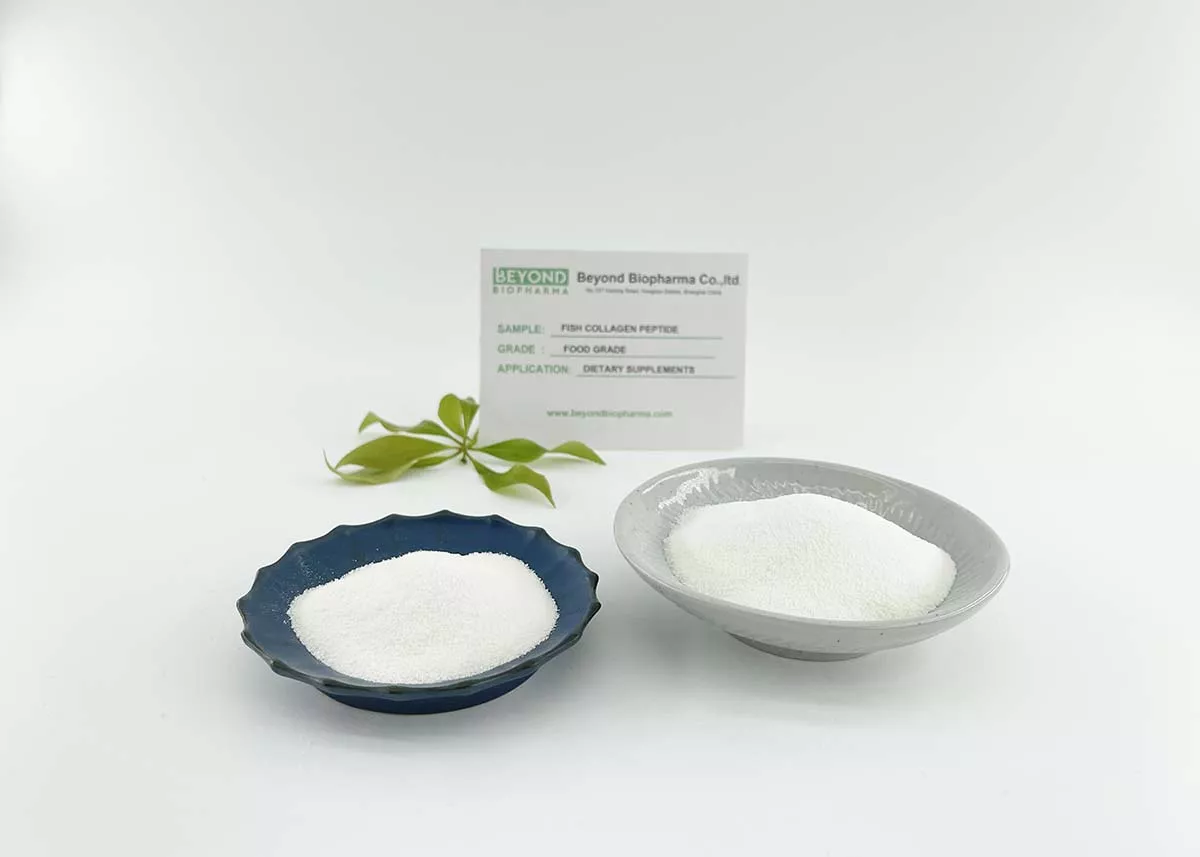
Marine Collagen (Type I)

Derived from fish skin or scales, marine collagen is predominantly Type I collagen. It is known for superior bioavailability due to its smaller peptide size, making it highly absorbable for skin hydration, anti-aging, and nail strength.

Explore marine collagen origins →

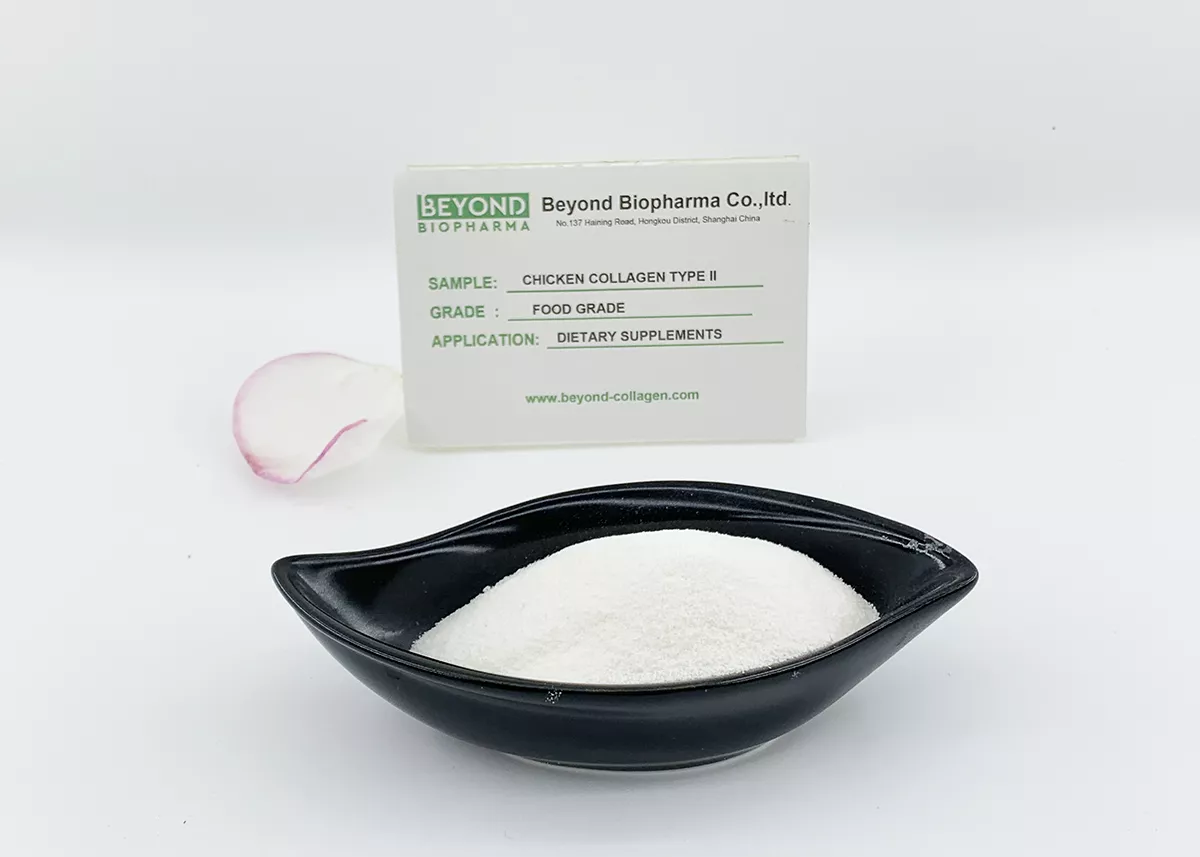
Chicken Collagen (Type II)

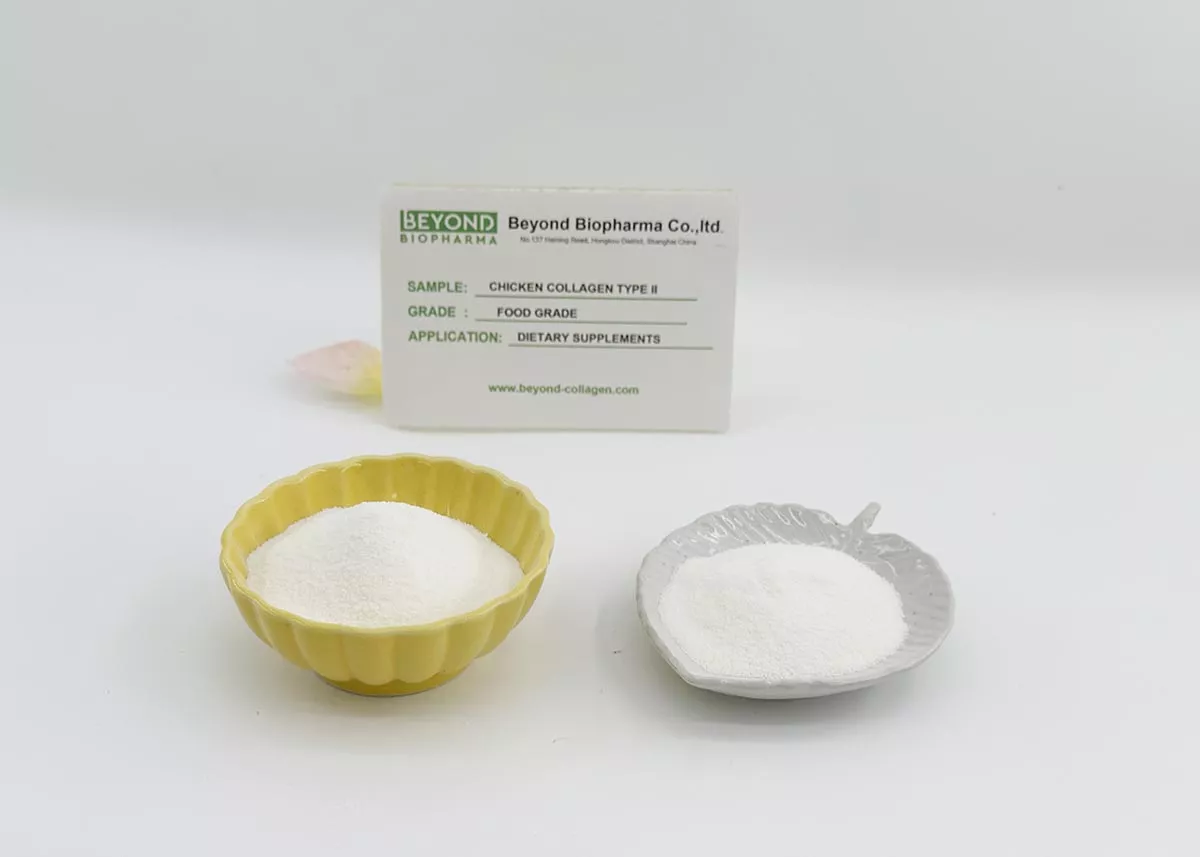
Extracted from chicken sternum cartilage, chicken collagen is primarily Type II collagen. It is clinically studied for joint health and mobility, as it helps stimulate cartilage repair and reduce inflammation in connective tissues.

View Type II collagen details →

Pork Collagen (Type I & III)

Obtained from pig skin or bones, pork collagen offers a balanced profile of Type I and III peptides. It is commonly used in food-grade gelatin and cosmetic applications, providing good solubility and neutral taste.

Check pork collagen sourcing →

Bioavailability Factors

The bioavailability of collagen peptides depends on molecular weight, hydrolysis process, and origin. Marine collagen generally has the highest absorption rate due to lower molecular weight, while bovine and chicken collagens offer targeted benefits for skin and joints respectively.

Understand bioavailability standards →

Manufacturing Processes and Ingredient Transparency: From Hydrolysis to Additives

Understanding how collagen peptides are produced is essential for evaluating quality. The journey from raw material to finished powder involves several critical steps that directly impact purity, bioavailability, and safety.

The Hydrolysis Process

Enzymatic hydrolysis breaks down large collagen proteins into smaller peptides, making them easier for the body to absorb. Manufacturers using controlled, low-temperature enzymatic processes typically preserve more bioactive peptides compared to those using harsh acid or heat methods. Ask your supplier about their specific enzyme profile and hydrolysis duration.

Common Additives and Fillers

Transparency in ingredient sourcing is non-negotiable. Reputable manufacturers clearly disclose all additives, anti-caking agents, and preservatives. Be wary of products containing undisclosed flow agents or artificial flavors. Some manufacturers also offer clean-label options with no added ingredients. For instance, halal and kosher verified fish gelatin often adheres to strict additive policies.

Quality Control and Testing

Third-party testing for heavy metals, microbial contaminants, and molecular weight distribution is a hallmark of trustworthy manufacturers. Look for suppliers who provide Certificates of Analysis (COA) for each batch. The table below summarizes key manufacturing parameters to evaluate:

Parameter Premium Standard Low Quality Indicator
Hydrolysis Method Enzymatic, low temperature Acid or heat-based
Molecular Weight 2000-5000 Da (low molecular weight) Above 10000 Da
Additives Declared Full disclosure, minimal or none Hidden fillers or flow agents
Heavy Metal Testing Third-party, per batch No published COA
Source Traceability Grass-fed, pasture-raised, or wild-caught Unknown or mixed sources

A manufacturer committed to transparency will readily provide documentation on their sourcing and processing. For example, suppliers of standardized gelatin sheets for consistent gels often apply similar rigorous quality measures to their collagen peptide lines. Always request batch-specific data before committing to a long-term supply agreement.

Verification and Certifications

Third-party certifications such as Halal, Kosher, or Non-GMO Project Verified add another layer of trust. Manufacturers who invest in these certifications typically maintain higher production standards. For instance, premium pharmaceutical gelatin for tablet coating producers often extend their rigorous quality frameworks to collagen peptide manufacturing. Always verify certification validity directly with the issuing body.

Customization and Scalability: Meeting Private Label or Bulk Order Needs

When selecting a collagen peptide powder manufacturer, the ability to customize formulations and scale production is critical for brands aiming to launch private-label products or fulfill large-volume bulk orders. A reliable partner should offer flexible options for blend ratios, flavoring, particle size, and packaging, while maintaining consistent quality across batches. Scalability ensures that as your business grows, the manufacturer can ramp up production without compromising lead times or product integrity, making it essential to assess their production capacity and supply chain robustness upfront.

Key factors to evaluate include minimum order quantities, turnaround times for custom blends, and the manufacturer’s experience with private labeling, including label design and regulatory compliance. Transparency in sourcing, testing protocols, and certifications like GMP or NSF further indicate a manufacturer’s commitment to quality and scalability, enabling you to confidently meet market demand while preserving brand reputation.

Ultimately, a manufacturer that prioritizes both customization and scalability empowers you to differentiate your product line, respond to consumer trends, and expand distribution channels efficiently. By partnering with a capable supplier, you can streamline your supply chain and focus on marketing and sales, knowing that production can adapt to fluctuating order volumes and evolving customer preferences without disruption.

Customer Support and Market Reputation: Evaluating Reviews and Industry Standing

Assessing a manufacturer’s customer support and market reputation is critical when selecting a collagen peptide powder partner. Responsive, knowledgeable support teams indicate a commitment to service, while strong industry standing reflects consistent quality and reliability.

Customer Support Quality

Look for manufacturers that offer clear communication channels, including email, phone, and live chat. Prompt responses to inquiries about product specifications, certifications, and shipping are a positive sign. Consider reaching out with a test question to evaluate their response time and helpfulness.

A dedicated account manager or technical support team can be invaluable for addressing formulation challenges or custom order requirements. Check if the manufacturer provides post-purchase assistance, such as handling returns or resolving quality concerns efficiently.

Transparent policies on minimum order quantities, lead times, and payment terms also reflect strong customer support. Manufacturers that openly share this information tend to prioritize long-term partnerships over one-time sales.

Market Reputation and Reviews

Research independent review platforms, industry forums, and trade association memberships to gauge a manufacturer’s standing. Consistent positive feedback from other buyers regarding product purity, consistency, and delivery reliability is a strong indicator of trustworthiness.

Look for manufacturers with a track record of regulatory compliance, such as FDA registration, GMP certification, or third-party testing reports. Industry awards or recognition from organizations like the International Peptide Society can further validate credibility.

Pay attention to how manufacturers handle negative feedback. A company that addresses complaints publicly and resolves issues demonstrates accountability. Avoid suppliers with numerous unresolved complaints about product quality, misleading claims, or poor communication.

Industry Standing and Certifications

Verify that the manufacturer holds relevant certifications such as ISO 9001, NSF, or Non-GMO Project Verified. These certifications indicate adherence to rigorous quality management systems and ingredient sourcing standards.

Membership in industry bodies like the Council for Responsible Nutrition (CRN) or the American Herbal Products Association (AHPA) can signal a commitment to ethical practices. Attend trade shows or webinars where these manufacturers present to observe their expertise firsthand.

Longevity in the market is also a positive sign. Manufacturers with a decade or more of consistent operation likely have established supply chains and proven quality control processes. Request references from current clients to validate their reputation.

Practical Evaluation Steps

Start by searching for the manufacturer’s name along with keywords like “review,” “complaint,” or “rating” on search engines and social media platforms. Check platforms like Trustpilot, Google Reviews, or industry-specific directories for aggregated feedback.

Request samples and test the product for solubility, taste, and consistency. Compare the results with customer reviews to see if experiences align. Additionally, ask for certificates of analysis (COAs) for recent batches to confirm purity and potency claims.

Finally, assess their online presence. A professional website with detailed product pages, clear contact information, and educational content often indicates a serious manufacturer. Look for case studies or white papers that demonstrate their expertise in collagen peptide production.

Additional Resources

For further guidance on evaluating collagen peptide powder manufacturers, consider reviewing trusted industry sources and product examples. Below are some reference links for specific product categories:

Post time: May-26-2026 athuor:Mr.Li

Mr.Li

Product R&D Engineer
Possesses 23 years of product R&D experience, specializing in the design of core components of plate heat exchangers.

Related Products

We provide you with comprehensive foreign trade solutions to help enterprises achieve global development

Fish Collagen Peptide For Skin Health Supplements

Premium marine-sourced collagen peptides with >90% protein content and low molecular weight (1000-3000 Da) for superior bioavailability. Sustainably sourced, neutral taste, and fully soluble—ideal for nutricosmetics and functional foods.

Collagen Peptide

Undenatured Collagen Type II for Joint Comfort and Mobility

BEYOND BIOPHARMA is a specialized manufacturer of high-quality Undenatured Collagen Type II. Utilizing low-temperature, non-enzymatic extraction methods, our Undenatured Collagen Type II retains its native, triple-helix structure, essential for modulating the immune system's response to joint health and providing superior support for mobility, flexibility, and overall joint comfort.

Collagen Peptide

Certified High Bloom Bovine Hides Gelatin for Consistent Food & Pharma Quality

Our Bovine Hides Gelatin is engineered for versatility and compliance, ensuring performance across various applications.

Pharmeceutical Gelatin

Hydrolyzed Collagen Type II Powder for Comprehensive Joint

BEYOND BIOPHARMA is a specialized manufacturer of highly purified Hydrolyzed Collagen Type II. Through advanced enzymatic hydrolysis, we create low-molecular-weight collagen peptides that are highly bioavailable, offering foundational nutritional support for cartilage repair, joint function, and skin health. Our product is designed for rapid absorption and maximum efficacy in oral supplements.

Collagen Peptide

User Comments

Service Experience Sharing from Real Customers

5.0

As someone who's tried at least five different brands, I was skeptical. But after two months of mixing this collagen peptide powder into my morning coffee, my joint pain from high-impact workouts has noticeably decreased. It dissolves completely with no weird aftertaste. Finally found a keeper!

5.0

My wife bought this for my old knee injury. Honestly, I didn't expect much, but I've been using it for about six weeks now. The stiffness in the morning is way better. I take it with my oatmeal. Knocking off one star because the container can be a bit messy to scoop from.

5.0

Working long hours at a screen wrecked my skin and nails. A colleague recommended this specific manufacturer. The powder is so fine it blends into my smoothies without a trace. My skin looks more hydrated, and my nails aren't chipping every five minutes anymore. Total game-changer for my routine.

5.0

I ordered this on my daughter's suggestion. At 68, I'm more concerned with staying active than vanity. I've noticed my hair seems thicker and my recovery after gardening is quicker. It's easy on my stomach, which is a big plus. I wish the flavor options were clearer on the label when ordering, but the product itself is great.

CONTACT

Your Name:*

Country:*

Company:*

Email:*

Phone (with Country Code)*

Message:*

contact

Tel:+86 21 65010906

Cell/Whatsapp/Wechat:
+86 13482884055
+86 18657345785

Email: sales@beyondbiopharma.com

Copyright© 2026 Beyond Biopharma Privacy Policy