What to Look for in Collagen Manufacturing Companies: A Buyer's Guide
Sourcing collagen peptides, gelatin, or plant protein peptides for your next product launch? The quality of your finished supplement, food, or pharmaceutical formulation starts with the supplier. This guide breaks down the critical factors to evaluate when vetting collagen manufacturing companies, from production processes and technical specs to certifications and application fit. Whether you are a purchasing manager for a nutraceutical brand or an R&D developer exploring new ingredients, understanding these criteria will help you make informed, cost-effective decisions.
What Defines a Reliable Collagen Manufacturer?
A dependable collagen manufacturing company is more than just a producer. It is a partner that ensures batch-to-batch consistency, controls odor and solubility issues, and navigates complex certification barriers like Halal, Kosher, or allergen-free requirements. For overseas buyers, the biggest pain points often include inconsistent gel strength, a persistent fishy smell in marine collagen, or insufficient documentation for regulatory compliance. A reputable manufacturer addresses these through rigorous in-house testing and transparent quality control.
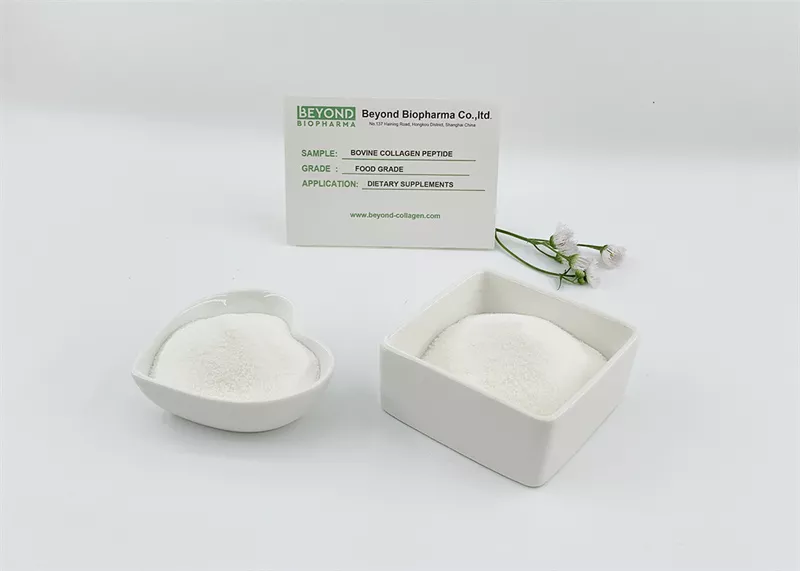
Take, for example, Beyond Biopharma, a Shanghai-based manufacturer with over 10 years in the food-ingredient industry. They export to more than 50 countries and operate a fully automatic production line with GMP clean workshops, stainless-steel sealed piping, and automated temperature and pH control. This level of infrastructure directly impacts the consistency of products like Edible Gelatin and Bovine Collagen Peptide.
How Are Collagen and Gelatin Produced?
Understanding the production process helps you evaluate a manufacturer's capability. For gelatin, the process involves controlled hydrolysis of collagen from bovine bone, porcine skin, or fish skin. Enzymatic hydrolysis breaks down the protein into smaller peptides, which determines molecular weight and absorption rates. Bloom strength (measured in grams) and viscosity are key parameters: edible gelatin typically ranges from 50 to 300 Bloom, with pharmaceutical grades often between 150 and 260 Bloom for gummies and softgels.
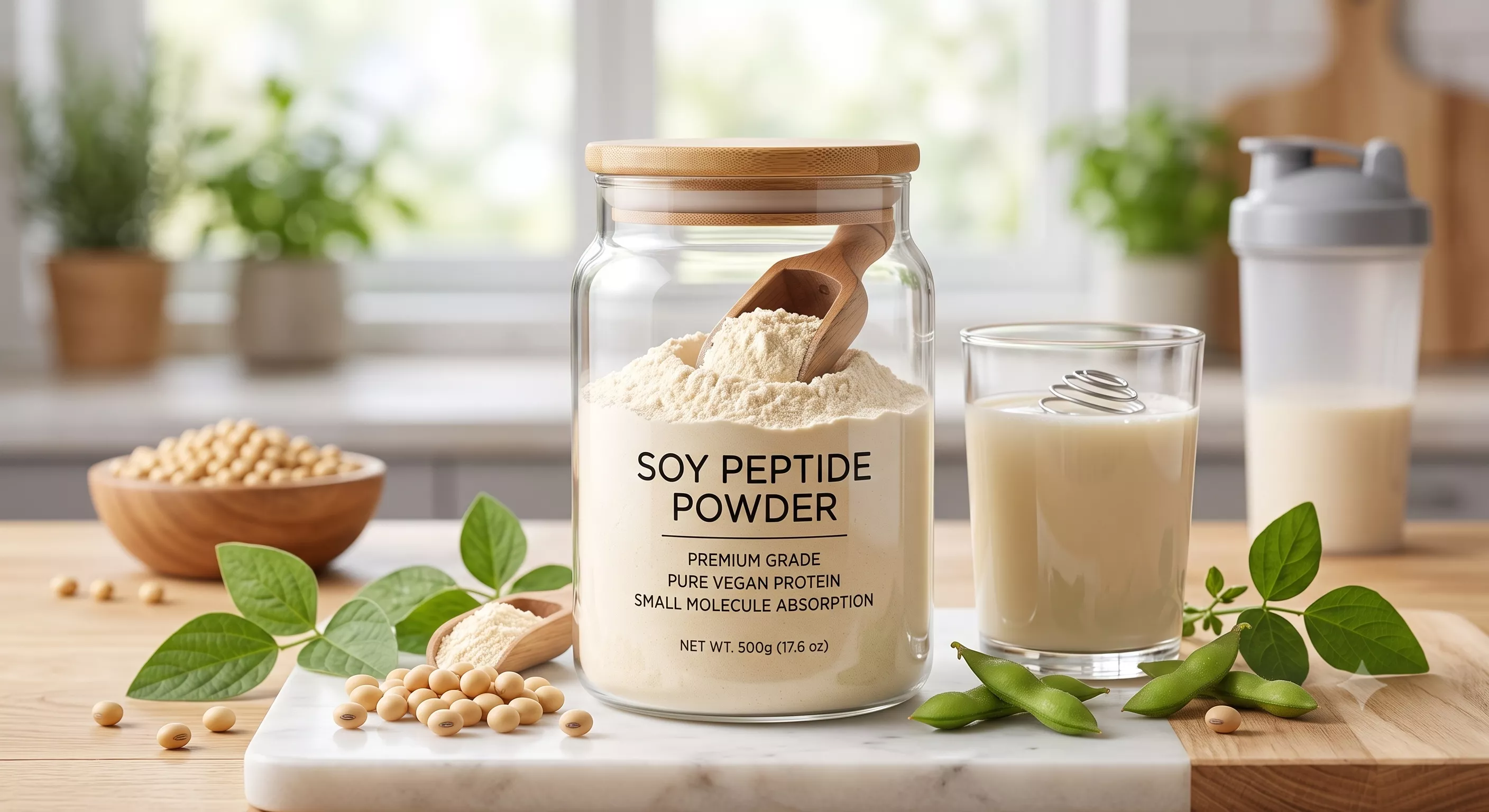
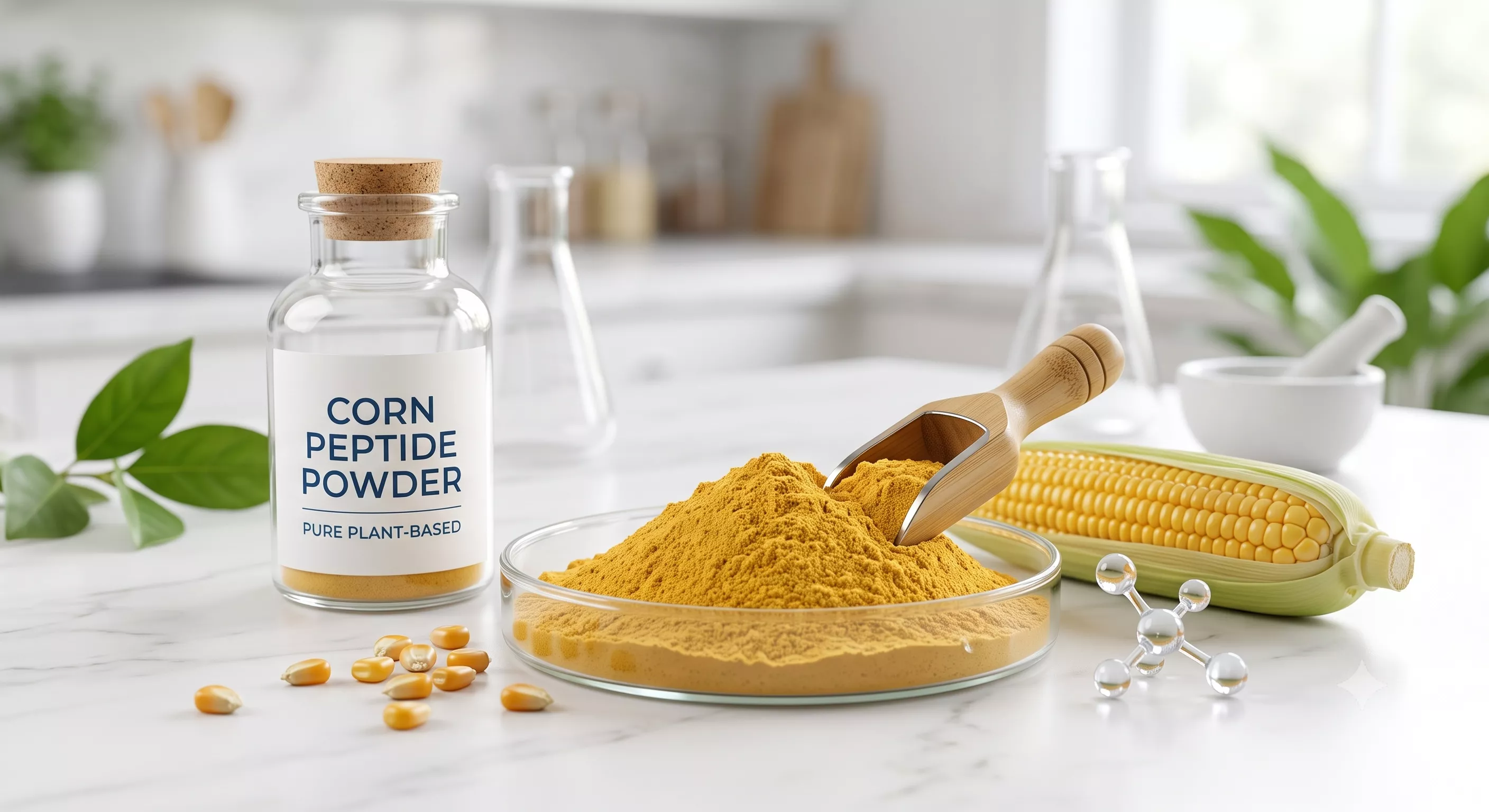
For collagen peptides, molecular weight usually falls between 2,000 and 5,000 Daltons. Fish collagen peptides tend to have a lower molecular weight, which supports faster absorption. Protein content is typically above 90%, and high solubility with low odor are quality markers. Plant protein peptides, such as pea, rice, or soy hydrolysates, offer an alternative for vegan formulations, with protein levels around 80–90% and molecular weights commonly below 5,000 Da. These are generic industry ranges; final values should always be confirmed per Certificate of Analysis (COA) or sample.
What Are the Key Specifications to Check?
When reviewing product data sheets from collagen manufacturing companies, focus on these typical parameters. The table below summarizes common ranges for edible gelatin, collagen peptides, and plant protein peptides.
| Parameter |
Edible Gelatin |
Collagen Peptides |
Plant Protein Peptides |
| Bloom (g) |
50–300 (pharma/gummies: 150–260) |
N/A |
N/A |
| Viscosity (mPa·s) |
2.0–5.5 |
N/A |
N/A |
| Mesh Size |
8–60 |
N/A |
N/A |
| Moisture (%) |
≤14 |
≤8 |
≤10 |
| Protein (%) |
≥85 |
≥90 |
80–90 |
| Molecular Weight (Da) |
N/A |
2,000–5,000 (fish: lower) |
|
Note: These are typical industry ranges; final values should be confirmed per COA or sample.
How to Choose the Right Grade for Your Application?
Different industries require different specifications. For food applications like gummies and jellies, a high-bloom edible gelatin (e.g., 200–260 Bloom) provides the desired chewy texture. Food Grade Porcine Gelatin is a popular choice here. For hard and soft capsules, pharmaceutical-grade gelatin with ultra-high viscosity ensures shell integrity and stability. Pharmaceutical Gelatin from bovine bone is a common option.
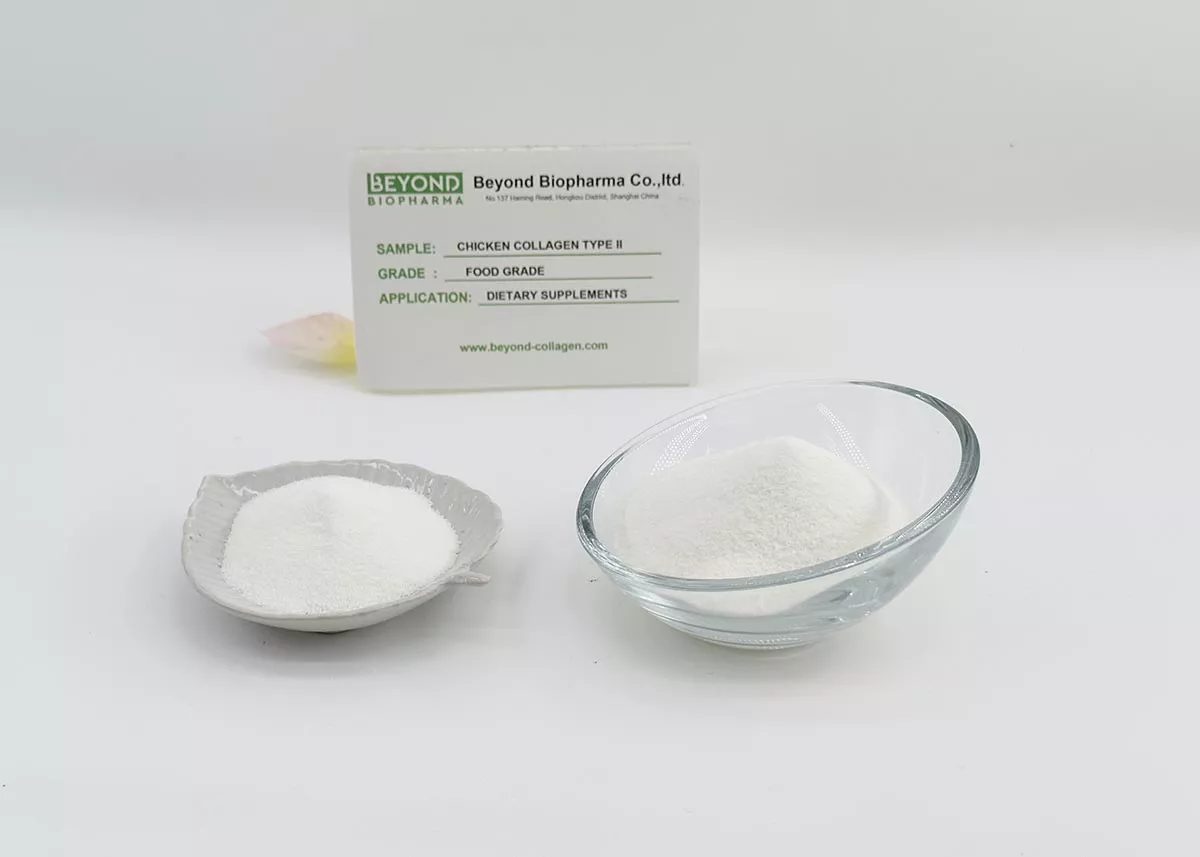
In sports nutrition and beauty-from-within products, collagen peptides with low molecular weight and high solubility are preferred. Fish collagen tripeptide is often chosen for faster absorption. For joint health, Undenatured Collagen Type II is a clinically supported ingredient. Plant-based and vegan formulations can use hydrolyzed pea, rice, or soy protein peptides, which are allergen-free alternatives. Beyond Biopharma also supplies Halal and Kosher Verified Fish Gelatin for clean-label foods.
Why Beyond Biopharma Stands Out Among Collagen Manufacturing Companies
Beyond Biopharma is a Shanghai-based manufacturer with over a decade of experience. Their facility produces approximately 3,000 metric tons of collagen and 5,000 metric tons of gelatin per year. The production line is fully automatic, housed in a GMP clean workshop, and uses stainless-steel sealed piping with automated temperature and pH control. They hold ISO 9001 certification, are US FDA registered, and select products carry Halal and Kosher certifications (e.g., fish gelatin). Their bovine bone gelatin is BSE-free, and an in-house lab conducts heavy-metal and microbiological testing with a dedicated QA/QC team.
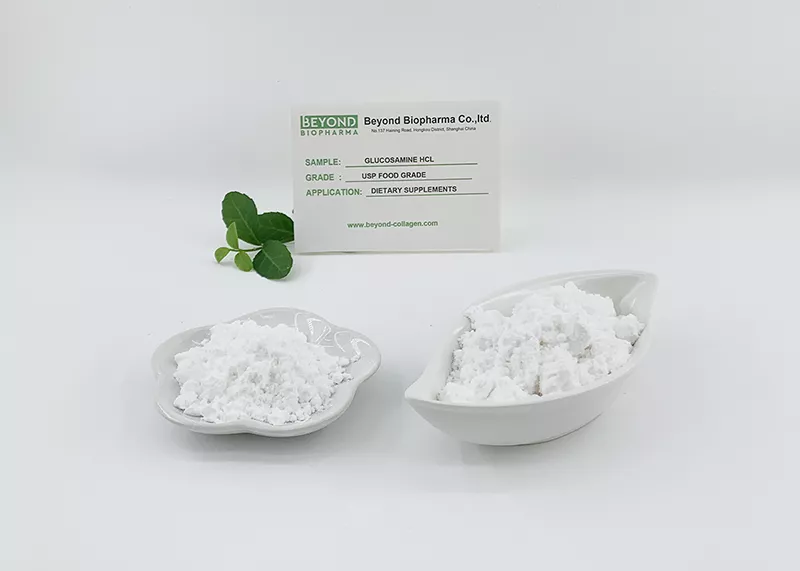
Their product lines include Edible Gelatin (bovine, porcine, fish), Pharmaceutical Gelatin (bovine bone for hard capsules, ultra-high-viscosity for softgels), Collagen Peptide (fish and bovine, including fish collagen tripeptide), Undenatured Collagen Type II, Plant Protein Peptide (pea, rice, soy), and Joint Health Ingredients like bovine chondroitin sulfate sodium, glucosamine HCl, and food-grade hyaluronic acid powder. They offer free samples and formulation support across three grades: food, pharmaceutical, and cosmetic.
Frequently Asked Questions
Q: What certifications should I look for in collagen manufacturing companies?
A: Look for ISO 9001, US FDA registration, and GMP certification. For specific markets, Halal and Kosher certifications are important. Beyond Biopharma holds these and offers BSE-free bovine bone gelatin.
Q: How do I avoid fishy odor in marine collagen?
A: Choose a manufacturer with strict deodorization processes and low-temperature enzymatic hydrolysis. Fish collagen peptides from reputable suppliers typically have minimal odor. Always request a sample to verify.
Q: What is the typical minimum order quantity (MOQ) for bulk collagen?
A: MOQs vary by supplier. Beyond Biopharma supports custom bulk supply, and you can discuss your specific quantity needs during the inquiry process.
Q: Can I get free samples before placing a large order?
A: Yes, most reputable collagen manufacturing companies offer free samples. Beyond Biopharma provides free samples along with formulation and selection support.
Q: How do I verify batch consistency for collagen peptides?
A: Request a Certificate of Analysis (COA) for each batch. Key parameters include molecular weight, protein content, solubility, and microbiological data. An in-house QA/QC team, like Beyond Biopharma's, ensures consistent quality.
Q: What is the difference between food-grade and pharmaceutical-grade gelatin?
A: Pharmaceutical-grade gelatin meets stricter purity and viscosity standards for use in capsules and coatings. Food-grade gelatin is suitable for gummies, desserts, and confectionery. Beyond Biopharma supplies both grades.
Request a Quote and Free Samples
Ready to source high-quality collagen peptides, gelatin, or plant protein peptides for your next project? When reaching out to collagen manufacturing companies, provide the following details to get a tailored quote: your specific application (food, pharmaceutical, or cosmetic), required grade, target quantity or MOQ, desired specifications (bloom, mesh, molecular weight, certifications), and destination country. Beyond Biopharma can send free samples and a competitive quote based on your needs. Contact them today to discuss your requirements and experience their commitment to quality and consistency.
Choosing the right partner among collagen manufacturing companies is a strategic decision. Focus on technical capability, certification transparency, and application support to ensure your product's success. Beyond Biopharma combines over a decade of industry experience with robust production capacity and a comprehensive product portfolio, making them a reliable choice for overseas buyers.

 English EN








User Comments
Service Experience Sharing from Real Customers
Megan
Fitness InstructorAs someone who's tried countless supplements, I was skeptical. But after 3 months using VitalCollagen's marine peptides, my joint pain during high-impact classes has noticeably decreased. It doesn't mix perfectly in cold water (little clumping), but the results speak for themselves.
Leo
Dermatology Clinic ManagerWe source from CollagenTech for our clinic's post-procedure recovery packs. Their bovine collagen has exceptional purity—clients with sensitive skin rarely react. Wish their bulk pricing was more flexible, but consistency matters most in our field.
Sam
Vegan Bakery OwnerGame-changer for our plant-based pastries! FlexiGel's collagen-free gelling agent mimics animal collagen's texture perfectly. Had to tweak our hydration ratios initially (took some trial and error), but now our gluten-free items hold structure like never before.
Raj
Biotech Research AssistantUsed PureColla's type II collagen for in-vitro studies. The batch-to-batch consistency is decent, though the certificate of analysis sometimes arrives later than the shipment. It gets the job done for basic assays, but I'd spring for pharmaceutical grade for critical trials.