What is Collagen Manufacturing and How to Choose a Reliable Supplier?

By Beyond Biopharma | 2026-05-06 16:32:04
Collagen manufacturing is a complex biochemical process that transforms raw animal or marine tissues—such as bovine hides, porcine skin, or fish scales—into highly purified, bioavailable peptides through controlled hydrolysis, filtration, and drying stages. Selecting a reliable supplier requires rigorous evaluation of their sourcing transparency, adherence to GMP and ISO certifications, and third-party testing for heavy metals, microbial limits, and molecular weight distribution. This article breaks down the step-by-step production workflow, from raw material pretreatment to final powder packaging, while highlighting critical quality control benchmarks like purity levels, hydrolysis degree, and bioavailability metrics. It also compares common collagen types—bovine, marine, and porcine—and their distinct manufacturing nuances, and warns against red flags such as lack of traceability, incomplete compliance documentation, and inconsistent batch testing. Understanding these factors empowers buyers to make informed decisions when partnering with a collagen manufacturer for nutraceutical, cosmetic, or food applications.

The Step-by-Step Process of Collagen Manufacturing: From Raw Materials to Finished Product

1. Raw Material Sourcing

Manufacturing begins with selecting high-quality animal or marine by-products, such as bovine hides, porcine skin, or fish scales. These raw materials must be clean, fresh, and free from contaminants to ensure a pure collagen output. Reliable suppliers often source from certified farms or fisheries with strict traceability standards.

2. Pre-Treatment and Cleaning

The raw materials undergo thorough washing and mechanical cleaning to remove impurities, fats, and non-collagen proteins. This step typically involves grinding or cutting the material into smaller pieces, followed by soaking in cold water or mild alkaline solutions to prepare the tissue for hydrolysis.

3. Hydrolysis (Extraction)

The cleaned material is subjected to controlled enzymatic or acid hydrolysis. This process breaks down the collagen protein into smaller peptides, making it water-soluble and easier to digest. Temperature, pH, and time are carefully monitored to achieve the desired molecular weight and functional properties.

4. Filtration and Purification

After hydrolysis, the liquid collagen solution passes through a series of filtration steps, including activated carbon filtration and fine membrane filtration. These steps remove residual enzymes, lipids, and any insoluble particles, resulting in a clear, odorless peptide solution.

5. Concentration and Drying

The purified solution is concentrated using evaporation or reverse osmosis, then dried using spray drying or freeze drying techniques. This produces a fine, free-flowing powder with consistent particle size and excellent solubility. The drying process preserves the bioactivity of the collagen peptides.

6. Milling and Sieving

The dried collagen is milled to achieve a uniform particle size and then passed through sieves to remove any oversized agglomerates. This step ensures consistent dissolution rates and smooth texture in the final product, whether used in supplements, foods, or cosmetics.

7. Quality Control and Testing

Every batch undergoes rigorous testing for protein content, heavy metals, microbial contamination, solubility, and molecular weight distribution. Certificates of analysis are issued to verify compliance with food-grade or pharmaceutical-grade standards. This transparency is key when selecting a trusted supplier.

8. Packaging and Storage

The finished collagen peptide powder is packaged in moisture-proof, food-grade bags or drums, often under nitrogen flushing to extend shelf life. Proper labeling includes batch number, production date, and storage instructions. Products are stored in cool, dry conditions to maintain stability.

Explore related collagen and gelatin products from trusted manufacturers:

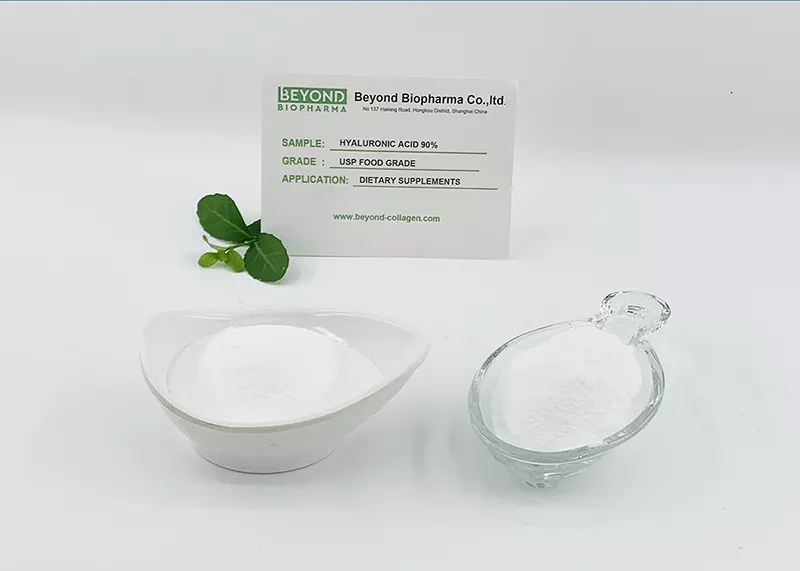
  • Food Grade Hyaluronic Acid Powder
  • Bovine Chondroitin Sulfate Sodium
  • Food Grade Porcine Gelatin for Gummies
  • Gelatin for Micro Encapsulation
  • Premium Vegan Glucosamine HCl
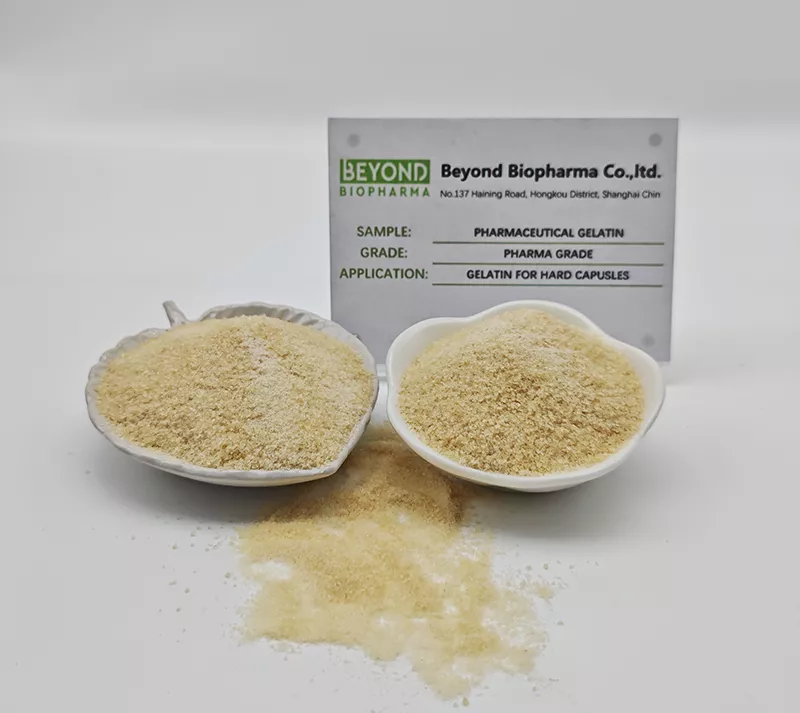
  • Pharmaceutical Grade Bovine Bone Gelatin
  • Fish Collagen Peptide for Skin Health
  • Standardized Gelatin Sheets
  • High Bloom Gelatin for Hard Capsules
  • Edible Bovine Gelatin for Food Applications
  • Key Quality Control Standards in Collagen Production: Purity, Hydrolysis, and Bioavailability

    Purity is the first critical standard in collagen manufacturing. High-purity collagen ensures minimal contaminants, allergens, and heavy metals, which is essential for both safety and efficacy. Suppliers must use rigorous filtration and testing protocols to achieve a protein content often exceeding 90%, guaranteeing a clean final product suitable for nutraceutical and pharmaceutical applications.

    Hydrolysis refers to the enzymatic breakdown of collagen into smaller peptides. This process enhances solubility in cold water and improves digestibility. Controlled hydrolysis results in a consistent molecular weight profile, typically between 2,000 and 5,000 Daltons, which directly influences the product's functional properties and sensory characteristics.

    Bioavailability measures how effectively the body can absorb and utilize collagen peptides. Low molecular weight peptides from optimized hydrolysis show superior absorption rates. Reliable suppliers conduct bioavailability studies and use advanced techniques like enzymatic hydrolysis to produce peptides with high dipeptide and tripeptide content, maximizing health benefits for skin, joints, and bones.

    Additional standards include microbiological control, heavy metal testing, and consistent batch-to-batch quality. A trustworthy supplier will provide certificates of analysis (COA) and adhere to GMP and HACCP guidelines. Transparency in sourcing, whether from bovine, porcine, or marine origins, further supports quality assurance and traceability.

    Selecting a supplier with robust quality control across purity, hydrolysis, and bioavailability ensures that the collagen meets regulatory requirements and delivers reliable performance. These standards are not just technical benchmarks but are foundational to building trust and efficacy in the competitive collagen market.

Critical Factors for Evaluating a Collagen Supplier: Certifications, Sourcing, and Testing

Selecting a reliable collagen supplier requires rigorous evaluation of their certifications, raw material sourcing, and quality testing protocols. Below is a comparative overview of key supplier attributes.

Evaluation Factor Key Requirements Industry Standards
Certifications ISO 22000, GMP, Halal, Kosher, BSE-free Global food safety & quality management
Sourcing Grass-fed bovine, wild-caught fish, or marine Traceable, sustainable, hormone-free supply chain
Testing Heavy metal analysis, microbiological tests, solubility Third-party lab verified, batch consistency
Product Forms Peptides, hydrolysates, gelatin, native collagen Customizable molecular weight & bloom strength
Regulatory Compliance FDA, EU, CFIA, FSANZ approved facilities Export-ready documentation

The table above highlights essential criteria for vetting suppliers. Certifications such as ISO 22000 and GMP ensure manufacturing consistency, while sourcing from grass-fed or wild-caught origins guarantees purity. Comprehensive testing for heavy metals and microbial safety is non-negotiable for premium collagen products.

To further evaluate potential partners, review their product range and technical capabilities. For example, suppliers offering specialized forms like fish collagen peptide for skin health supplements or high bloom gelatin for hard capsules demonstrate advanced processing expertise. Additionally, check for edible bovine gelatin for food applications and bovine chondroitin sulfate sodium to assess breadth of portfolio.

Reliable suppliers also provide transparent documentation for every batch. Look for detailed certificates of analysis and origin tracing, as seen with pharmaceutical-grade bovine bone gelatin (BSE-free) or premium vegan glucosamine hydrochloride. Such details confirm commitment to safety and efficacy.

Finally, consider application-specific requirements. Whether you need gelatin for micro-encapsulation or standardized gelatin sheets for consistent gels, a supplier with robust testing and sourcing practices will deliver reliable results. Always request samples and audit their manufacturing processes before finalizing partnerships.

Common Types of Collagen and Their Manufacturing Differences: Bovine, Marine, and Porcine

Bovine Collagen

Sourced from cow hides and bones, bovine collagen is rich in Type I and Type III collagens. Its manufacturing involves extensive cleaning, acid or alkaline treatment, and enzymatic hydrolysis to achieve desired peptide sizes. The process typically yields a high gel strength, making it ideal for capsules, gummies, and joint health supplements.

Marine Collagen

Derived from fish skin and scales, marine collagen is primarily Type I collagen and is known for its superior bioavailability and small molecular weight. The manufacturing process requires low-temperature processing to preserve bioactivity, followed by enzymatic hydrolysis. It is highly soluble and commonly used in beauty supplements and skincare products.

Porcine Collagen

Extracted from pig skin, porcine collagen is chemically similar to human collagen, offering excellent biocompatibility. Manufacturing involves degreasing, acid swelling, and enzymatic hydrolysis. It is widely used in medical applications such as wound dressings and dermal fillers, as well as in food-grade gelatin for confectionery.

Key Manufacturing Differences

The primary differences lie in raw material sourcing, processing temperature, and hydrolysis methods. Bovine collagen often requires higher processing temperatures and stronger chemical treatments. Marine collagen demands cold-chain processing to maintain quality. Porcine collagen processing balances temperature and chemical use to preserve its natural triple helix structure. These variations affect solubility, gel strength, and peptide chain length, influencing their final applications.

Red Flags to Avoid When Selecting a Collagen Manufacturer: Transparency, Traceability, and Compliance

When sourcing collagen, a lack of transparency in sourcing and production is a major warning sign. Reliable manufacturers provide clear documentation on raw material origins, whether bovine, porcine, or marine. Without this, you risk inconsistent quality or contamination.

Learn about raw material sourcing

Poor traceability is another critical red flag. A trustworthy supplier tracks collagen from farm to final product, offering batch-level records. If a manufacturer cannot provide full traceability reports, it indicates weak quality control and potential safety issues.

View traceability standards

Non-compliance with international regulations should immediately disqualify a manufacturer. Verify certifications such as GMP, ISO, or Halal. Avoid suppliers that are vague about their compliance status or unwilling to share third-party audit results.

Check compliance requirements

Hidden additives or undisclosed processing methods are common pitfalls. Ethical manufacturers list all ingredients and processing aids. A lack of full ingredient disclosure can lead to allergen risks or product adulteration.

Review ingredient transparency

Inconsistent batch quality or lack of stability testing data is a red flag. Demand certificates of analysis (COA) for each batch. Reliable suppliers maintain strict quality assurance protocols and readily share test results.

See batch testing process

Avoid manufacturers with poor communication or delayed responses. Transparency extends to customer service. A partner that is unresponsive or evasive about technical questions often hides deeper operational issues.

Contact a transparent supplier

Finally, beware of pricing that seems too good to be true. Low-cost collagen often comes from substandard sources or unethical practices. Prioritize value over price by choosing manufacturers with proven track records in quality and compliance.

Compare quality vs. cost

Summary

The step-by-step process of collagen manufacturing—from raw materials to finished product—demands strict control over purity, hydrolysis, and bioavailability. Key quality control standards ensure that the final collagen meets functional and safety requirements.

Critical factors for evaluating a collagen supplier include certifications, sourcing practices, and rigorous testing protocols. Understanding common types of collagen—bovine, marine, and porcine—and their manufacturing differences helps in selecting the right product for specific applications.

Red flags to avoid when selecting a collagen manufacturer include lack of transparency, poor traceability, and non-compliance with industry standards. A reliable supplier will demonstrate clear documentation and consistent quality assurance throughout the supply chain.

Choosing a trusted collagen partner ultimately hinges on verifying production integrity, ingredient origin, and adherence to global quality benchmarks.

What is collagen manufacturing and how to choose a reliable supplier?
Collagen manufacturing involves extracting and hydrolyzing collagen from animal or marine sources. To choose a reliable supplier, verify certifications (e.g., GMP, ISO), request batch testing for purity and heavy metals, and assess transparency in sourcing and hydrolysis methods.
The step-by-step process of collagen manufacturing: from raw materials to finished product
Raw materials (hides, scales, bones) are cleaned, demineralized, and gelatinized. Enzymatic hydrolysis breaks down collagen into peptides, followed by filtration, concentration, spray drying, and milling. Final product is tested for solubility, molecular weight, and microbial limits.
Key quality control standards in collagen production: purity, hydrolysis, and bioavailability
Purity is ensured through protein content (>90%) and absence of additives. Hydrolysis degree is measured by molecular weight distribution (typically 2-5 kDa). Bioavailability is confirmed via peptide chain analysis and in-vitro digestion assays.
Critical factors for evaluating a collagen supplier: certifications, sourcing, and testing
Look for ISO 22000, Halal/Kosher, and non-GMO certifications. Sourcing should be traceable to pasture-raised or wild-caught origins. Independent third‐party testing for heavy metals, BSE/TSE, and microbiological safety is essential.
Common types of collagen and their manufacturing differences: bovine, marine, and porcine
Bovine collagen (type I & III) is extracted from hides, requiring strong acid/alkali treatment. Marine collagen (type I) from fish scales/skin uses lower temperature hydrolysis. Porcine collagen (type I) from pig skin has a similar process to bovine but with different gelatinization profiles.
Red flags to avoid when selecting a collagen manufacturer: transparency, traceability, and compliance
Avoid suppliers that refuse to share audit reports or raw material origin documents. Lack of lot-by-lot traceability and missing regulatory compliance (FDA, EU) are major warning signs. Unwillingness to provide Certificates of Analysis (CoA) indicates poor quality control.
Post time: May-06-2026 athuor:James

James

Marketing Specialist, Shanghai Beyond Biopharma
As a dedicated professional in the collagen industry, I explore the limitless potential of bioactive peptides and gelatin applications. Backed by Beyond Biopharma's R&D expertise, I share insights on hydrolyzed collagen, manufacturing processes, and industry trends to help you find high-quality ingredient solutions in the health and nutrition market.

Related Products

We provide you with comprehensive foreign trade solutions to help enterprises achieve global development

Bovine Chondroitin Sulfate Sodium

High Purity and Efficacy for Joint Health Formulations

Joint health Ingredients

Premium Pharmaceutical Gelatin for Tablet Coating

Stability, Swallowing Enhancement, and Controlled Release

Pharmeceutical Gelatin

Edible Bovine Gelatin for Foods Applications

20 years experiences, 5000 ton/year capacity, Sustained supply with stable quality

Edible Gelatin

Ultra-High Viscosity Gelatin for Softgel Capsules

Softgel encapsulation demands a gelatin with unique physical attributes to perform optimally during the high-speed manufacturing process

Pharmeceutical Gelatin

User Comments

Service Experience Sharing from Real Customers

5.0

As someone who's worked with multiple collagen suppliers, this manufacturer stands out. Their hydrolyzed collagen batches have consistently low molecular weight and excellent solubility – something our lab tests confirmed every time. The customer service team actually understands technical questions, which is rare!

5.0

Been stocking their marine collagen for 8 months now. Customers keep coming back saying they notice differences in joint comfort – and our return rate is nearly zero. The only reason it's not 5 stars is that shipping took an extra day last month. Solid product though.

5.0

We switched to their bovine collagen for our new protein bar line after they provided full traceability documentation. The powder blends seamlessly without that gritty texture others have. Our production team loves how it doesn't clump in the mixers. Honestly a game-changer for our manufacturing process.

5.0

Using their Type I collagen for tissue scaffolding experiments. The purity is exceptional compared to what we used previously – fewer contaminants mean more consistent results. Wish they offered smaller research quantities though, had to split an industrial order with another lab.

CONTACT

Your Name:*

Country:*

Company:*

Email:*

Phone (with Country Code)*

Message:*

contact

Tel:+86 21 65010906

Cell/Whatsapp/Wechat:
+86 13482884055
+86 18657345785

Email: sales@beyondbiopharma.com

Copyright© 2026 Beyond Biopharma Privacy Policy