 English EN


What Food Products Are Made With Edible Gelatin
Edible gelatin is found in gummy candies, marshmallows, yogurt, fruit snacks, jello, trifles, and many processed foods. Check labels for gelatin sources.
More
In today's food industry, food gelatin plays a critical role in creating the textures we love in gummies, jellies, marshmallows, and even health supplements. This natural protein, derived from collagen, offers unparalleled gelling, thickening, and stabilizing properties. Whether you are a food manufacturer looking for reliable ingredients or a health-conscious consumer exploring collagen benefits, understanding the versatility of food gelatin helps you make informed choices. This guide covers the sources, applications, and nutritional value of food gelatin, backed by real industry data.
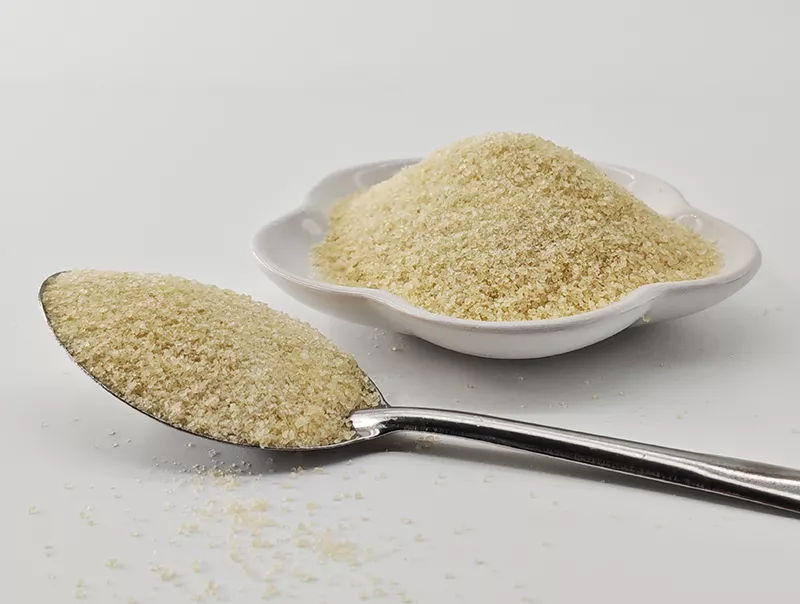
The unique gelling ability of food gelatin is what gives gummy candies their signature bounce and chew. When dissolved in warm water and then cooled, the gelatin molecules form a three-dimensional network that traps water, creating a firm yet elastic gel. This process is highly controllable: by adjusting the concentration and bloom strength of the gelatin, manufacturers can produce everything from soft, melt-in-the-mouth jellies to firm, long-lasting gummy bears. Porcine gelatin, with its high clarity and neutral taste, is a top choice for fruit-flavored gummies, while bovine gelatin offers a firmer bite for jelly desserts.
Beyond gelling, food gelatin is a powerful foaming agent that helps stabilize air bubbles in products like marshmallows, mousses, and whipped desserts. The protein molecules in gelatin form a flexible film around air cells, preventing them from collapsing during mixing and setting. This results in a light, airy texture that holds its shape over time. In industrial confectionery, gelatin is often used at concentrations of 1% to 3% to achieve optimal foam stability without affecting flavor. Fish gelatin, in particular, is gaining popularity in clean-label and kosher-certified products due to its mild profile and effective foaming properties.
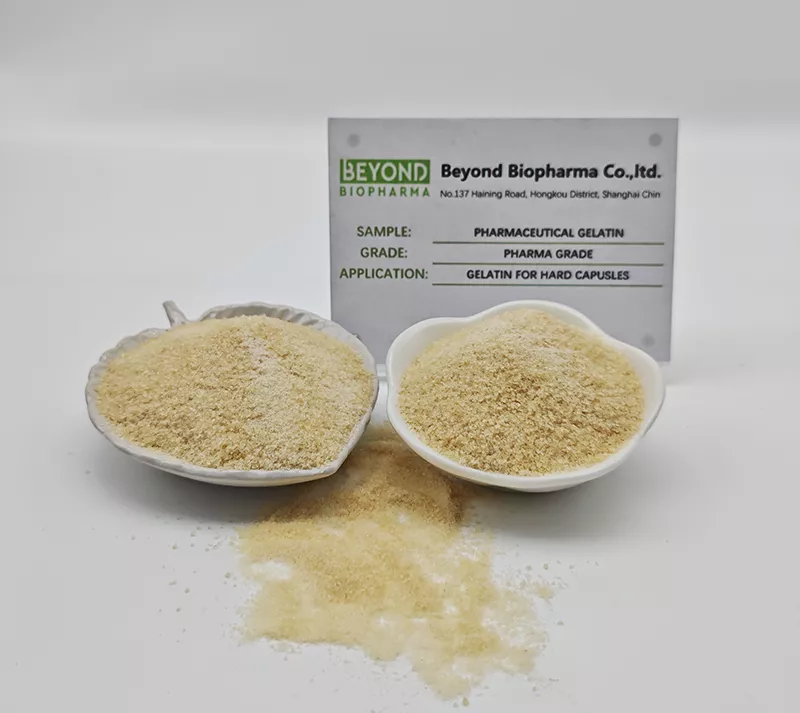
In the nutraceutical industry, food gelatin is widely used to manufacture softgels and hard capsules that deliver vitamins, minerals, and herbal extracts. The gelatin shell protects sensitive ingredients from oxidation and moisture, ensuring a longer shelf life. Bovine bone gelatin, with its high bloom strength (typically 200-250 bloom), provides a robust capsule that is easy to swallow and digest. Studies show that gelatin capsules disintegrate within 15-30 minutes in the stomach, allowing for rapid nutrient release. This makes food gelatin an indispensable material for both pharmaceutical and dietary supplement applications.
Dairy desserts such as panna cotta, yogurt, and cheesecake rely on food gelatin to achieve a smooth, creamy consistency without the need for excessive fat or starches. Gelatin helps prevent syneresis (water separation) in yogurt and provides a clean, melt-in-the-mouth feel in panna cotta. When used at 0.5% to 1.5% by weight, it creates a delicate gel that holds its shape on the plate but dissolves easily on the tongue. This functionality is especially valuable in low-fat and reduced-calorie desserts, where maintaining mouthfeel is a challenge. The neutral taste of gelatin ensures that the natural flavors of the dairy base remain prominent.
| Property | Bovine Gelatin | Porcine Gelatin | Fish Gelatin |
|---|---|---|---|
| Source | Cow bones & hides | Pig skin | Fish skin & scales |
| Bloom Strength Range | 150 - 280 bloom | 100 - 250 bloom | 150 - 250 bloom |
| Common Applications | Hard capsules, firm gummies | Gummies, marshmallows, desserts | Halal/kosher products, clean label |
| Melting Point (approx.) | 30-35°C | 28-32°C | 25-30°C |
| Protein Content | 85-90% | 84-89% | 86-91% |
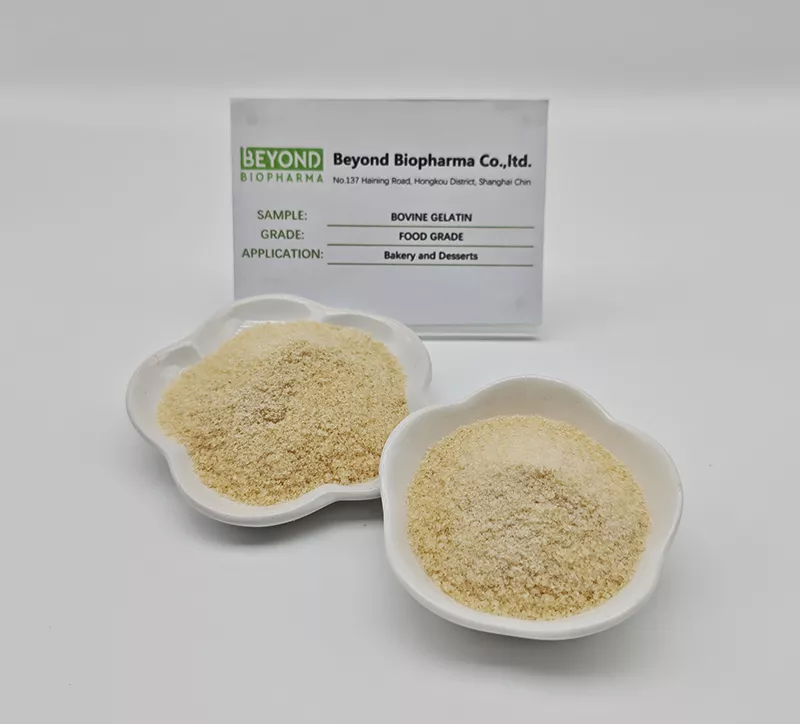
Bovine gelatin comes from cow bones and hides, offering a high bloom strength ideal for hard capsules and firm gummies. Porcine gelatin is derived from pig skin and is widely used in soft chews and marshmallows due to its excellent clarity and mild flavor. Both types of food gelatin are highly functional, but the choice depends on dietary restrictions and the desired texture of the final product.
Yes, food gelatin is generally recognized as safe (GRAS) by the FDA when consumed in typical food amounts. It is a pure protein derived from collagen, containing essential amino acids like glycine and proline. Many people incorporate food gelatin into their daily diet to support joint health, skin elasticity, and digestion. Always choose high-quality, food-grade gelatin from reputable suppliers for best results.
Traditional food gelatin is animal-based, so it is not suitable for vegan diets. However, for halal and kosher markets, certified bovine or fish gelatin is widely available. Fish gelatin, in particular, is an excellent option for clean-label foods and is accepted in many halal and kosher certifications. Always verify the certification on the packaging to ensure it meets your dietary requirements.
Food gelatin should be stored in a cool, dry place away from direct sunlight and moisture. An airtight container is recommended to prevent clumping and contamination. When stored properly, powdered food gelatin can last up to two years without significant loss of gelling power. Sheet gelatin should be kept in its original packaging and used within one year for optimal performance.
We provide you with comprehensive foreign trade solutions to help enterprises achieve global development
The High-Performance Barrier for Core Material Protection and Controlled Release.
20 years experiences, 5000 ton/year capacity, Sustained supply with stable quality
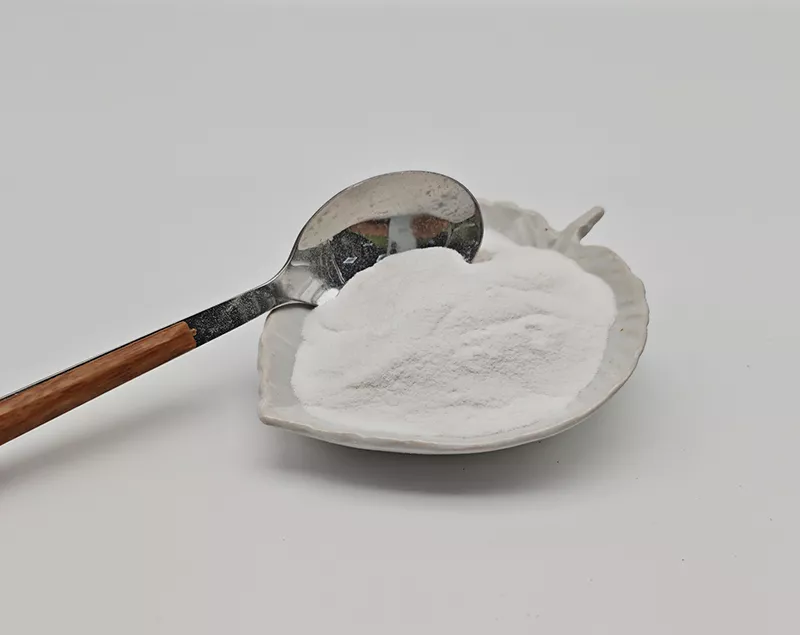
Fish Gelatin for foods is increasingly recognized as the premium alternative to traditional mammalian sources, meeting the growing global demand for clean-label ingredients that align with diverse dietary and religious requirements. Derived from the skin and scales of fish like cod and tilapia, fish gelatin offers unique functional benefits that make it an exceptional gelling, stabilizing, and texturizing agent.
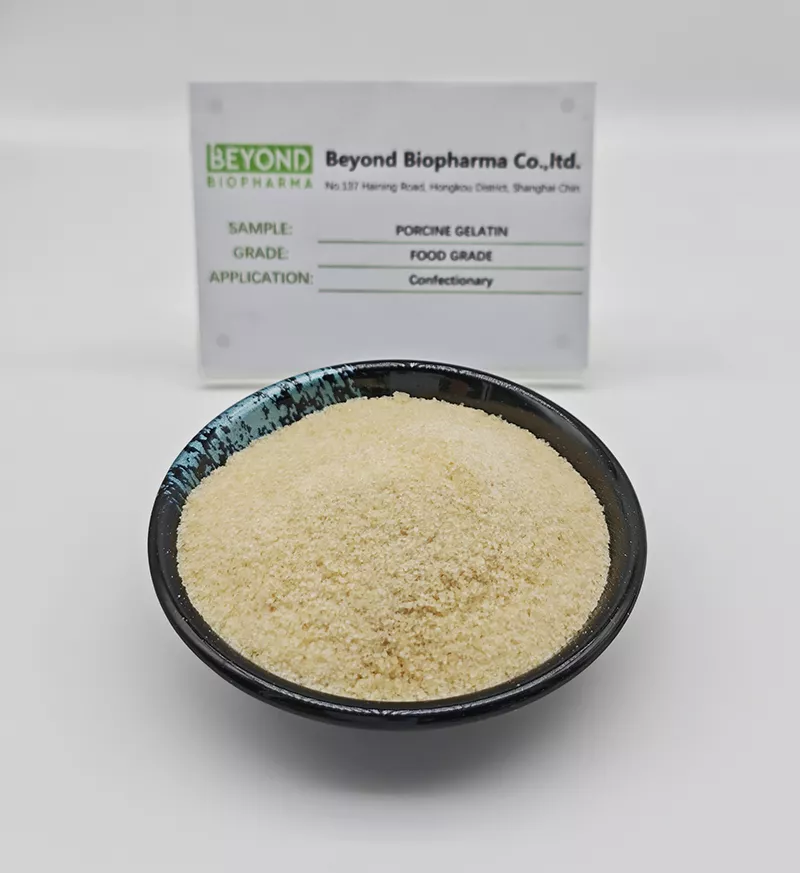
Food-grade porcine gelatin is a highly versatile and cost-effective natural protein derived from the collagen found in pig skin and bones. It is a premier gelling agent known for its exceptional clarity, neutral taste, and thermal reversibility.
Tel:+86 21 65010906
Cell/Whatsapp/Wechat:
+86 13482884055
+86 18657345785
Email: sales@beyondbiopharma.com




