English EN


How Fish Collagen Powder Supports Skin and Joint Health
Fish collagen powder boosts skin hydration, elasticity, and joint health with fast-absorbing peptides for visible results and pain relief.
More
Chondroitin sulfate sodium is a sulfated glycosaminoglycan composed of alternating N-acetylgalactosamine and glucuronic acid residues. Its molecular structure features sulfate groups at specific positions, which are critical for its biological activity and interaction with joint tissues. The sodium salt form enhances solubility and stability, facilitating its incorporation into dietary supplements.
The repeating disaccharide unit gives chondroitin sulfate a high negative charge density, which contributes to its water-binding capacity and viscoelastic properties. This structure enables it to retain moisture in cartilage, supporting shock absorption and lubrication in joints. The molecular weight typically ranges from 10 to 50 kDa, influencing absorption and bioavailability.
Oral bioavailability of chondroitin sulfate sodium is influenced by its molecular size, degree of sulfation, and formulation. Studies indicate that low molecular weight fractions and specific sulfate patterns improve intestinal absorption. Co-administration with certain nutrients may enhance uptake, while the sodium form provides consistent dissolution in gastrointestinal fluids.
For further details on related joint health ingredients, refer to bovine chondroitin sulfate sodium or explore hydrolyzed collagen type II powder for comprehensive joint support.
Chondroitin sulfate sodium exhibits good thermal and pH stability, making it suitable for various supplement forms including capsules, tablets, and powders. Its hygroscopic nature requires careful handling during manufacturing. When combined with other joint-supporting compounds like glucosamine, synergistic effects on cartilage maintenance are observed.
Additional resources include vegan glucosamine hydrochloride and food-grade porcine gelatin for gummies for alternative delivery systems.
Clinical studies demonstrate that regular intake of chondroitin sulfate sodium can support joint comfort and mobility. Its bioavailability is enhanced when formulated with specific excipients that protect the molecule during digestion. Ongoing research continues to optimize delivery methods for maximum therapeutic benefit.
For information on encapsulation technologies, see gelatin for micro-encapsulation or standardized gelatin sheets for consistent gel formation.
Explore related products: ultra-high viscosity gelatin for softgels, edible bovine gelatin, and fish collagen peptide for diverse health applications.
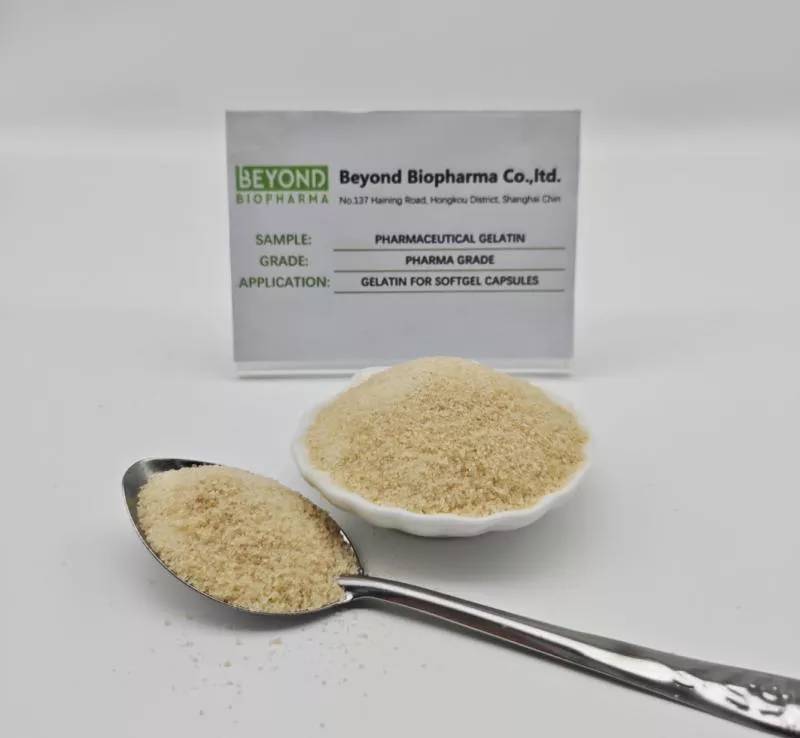
Chondroitin sulfate sodium exerts its joint-supporting effects through multiple biological pathways. It is a key structural component of cartilage extracellular matrix, helping to maintain the viscoelastic properties of joint tissues.
Chondroitin sulfate stimulates the synthesis of proteoglycans and collagen, essential for cartilage resilience. It also inhibits degradative enzymes such as matrix metalloproteinases (MMPs), preventing the breakdown of cartilage matrix.
By reducing the production of pro-inflammatory cytokines and mediators like interleukin-1β and tumor necrosis factor-α, chondroitin sulfate helps lower joint inflammation. This action contributes to decreased pain and improved joint function.
Chondroitin sulfate supports the production of hyaluronic acid in synovial fluid, improving joint lubrication and shock absorption. This dual mechanism of structural support and inflammation modulation makes it a valuable agent for long-term joint health.
Chondroitin sulfate sodium is a naturally occurring glycosaminoglycan found in cartilage. Clinical studies have demonstrated its role in reducing pain, improving joint function, and potentially slowing disease progression in osteoarthritis patients.
A meta-analysis of randomized controlled trials involving over 3,000 patients showed that chondroitin sulfate significantly reduced joint pain and improved mobility compared to placebo. The European League Against Rheumatism (EULAR) recommends chondroitin sulfate as a symptomatic slow-acting drug for osteoarthritis.
| Study / Year | Participants | Duration | Key Outcome |
|---|---|---|---|
| Clegg et al. (2006) | 1,583 | 24 weeks | Significant pain reduction vs. placebo |
| Reginster et al. (2001) | 212 | 3 years | Slowed joint space narrowing |
| Uebelhart et al. (2004) | 120 | 1 year | Improved function and reduced pain |
The table above summarizes key clinical trials supporting the efficacy of chondroitin sulfate in osteoarthritis management. Results consistently indicate benefits in pain relief, functional improvement, and structural modification.
Further research indicates that chondroitin sulfate may also have a disease-modifying effect by inhibiting cartilage degradation enzymes and reducing inflammatory mediators. When combined with glucosamine, the therapeutic benefits are often enhanced, providing comprehensive support for joint health.
For more detailed product information, please refer to our bovine chondroitin sulfate sodium and hydrolyzed collagen type II resources.
Chondroitin sulfate sodium is a key structural component of cartilage that helps maintain elasticity and cushioning in joints. Unlike glucosamine, which primarily stimulates cartilage production, chondroitin works by inhibiting enzymes that break down cartilage and by attracting water into the joint for better shock absorption.
Glucosamine is often used to support joint repair and reduce pain, but it may take longer to show effects compared to chondroitin. MSM (methylsulfonylmethane) provides sulfur, a building block for collagen, and helps reduce inflammation and oxidative stress, but it does not directly support cartilage structure like chondroitin does.
Hyaluronic acid acts as a lubricant in the joint fluid, improving mobility and reducing friction. While it is excellent for viscosity and shock absorption, it does not provide the same cartilage-protective benefits as chondroitin sulfate sodium. Combining these supplements may offer synergistic effects for comprehensive joint health.
For general joint health support, the typical recommended dosage of chondroitin sulfate sodium ranges from 800 mg to 1200 mg per day, often divided into two or three doses. It is commonly taken in combination with glucosamine. Clinical studies suggest that consistent daily intake over several weeks may be needed to observe noticeable benefits. Always follow the dosage instructions provided on the supplement label or consult a healthcare professional for personalized advice. For more details on supplement formulations, you may refer to vegan glucosamine options.
Chondroitin sulfate sodium is generally considered safe for most adults when taken at recommended doses. It has been widely studied and is approved as a dietary supplement in many countries. Individuals with bleeding disorders, those taking blood-thinning medications, or those scheduled for surgery should exercise caution and consult a doctor before use. Pregnant or nursing women should also seek medical advice. High-quality sourcing is important; learn more about bovine chondroitin sulfate sodium for quality assurance.
While side effects are rare, some individuals may experience mild gastrointestinal discomfort, such as nausea, diarrhea, or constipation. Allergic reactions are possible, particularly in people with allergies to shellfish or other sources of chondroitin. In very rare cases, hair loss or skin reactions have been reported. If any adverse effects occur, discontinue use and consult a healthcare provider. For comprehensive joint support, consider exploring hydrolyzed collagen type II powder as an alternative or complementary ingredient.
We provide you with comprehensive foreign trade solutions to help enterprises achieve global development
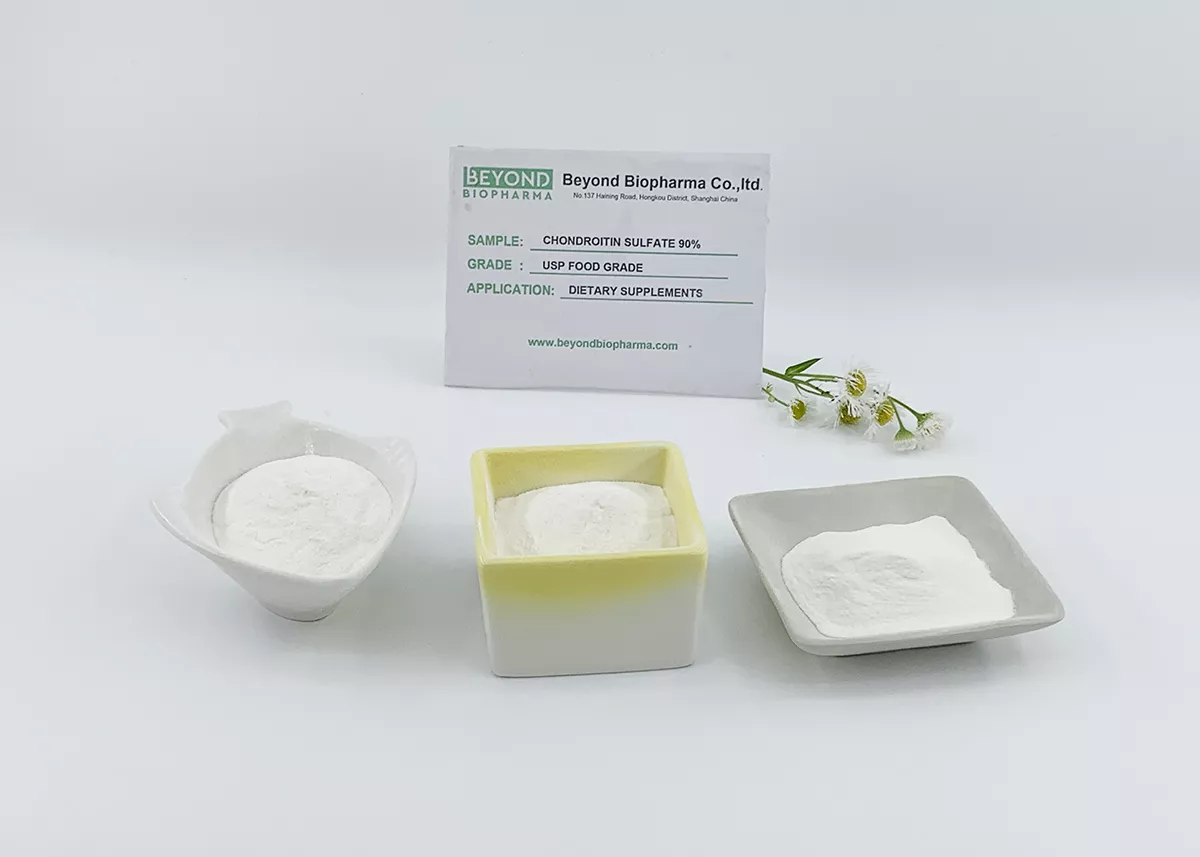
High Purity and Efficacy for Joint Health Formulations
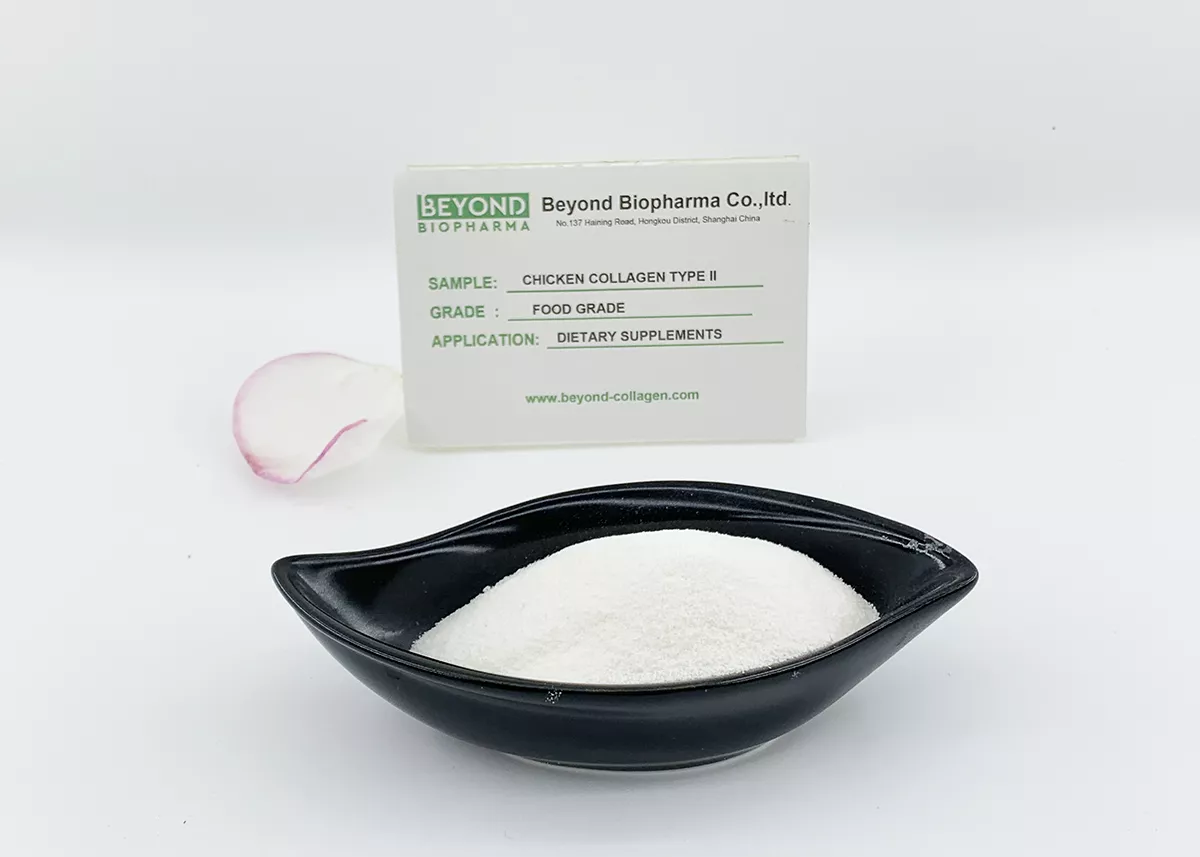
BEYOND BIOPHARMA is a specialized manufacturer of high-quality Undenatured Collagen Type II. Utilizing low-temperature, non-enzymatic extraction methods, our Undenatured Collagen Type II retains its native, triple-helix structure, essential for modulating the immune system's response to joint health and providing superior support for mobility, flexibility, and overall joint comfort.
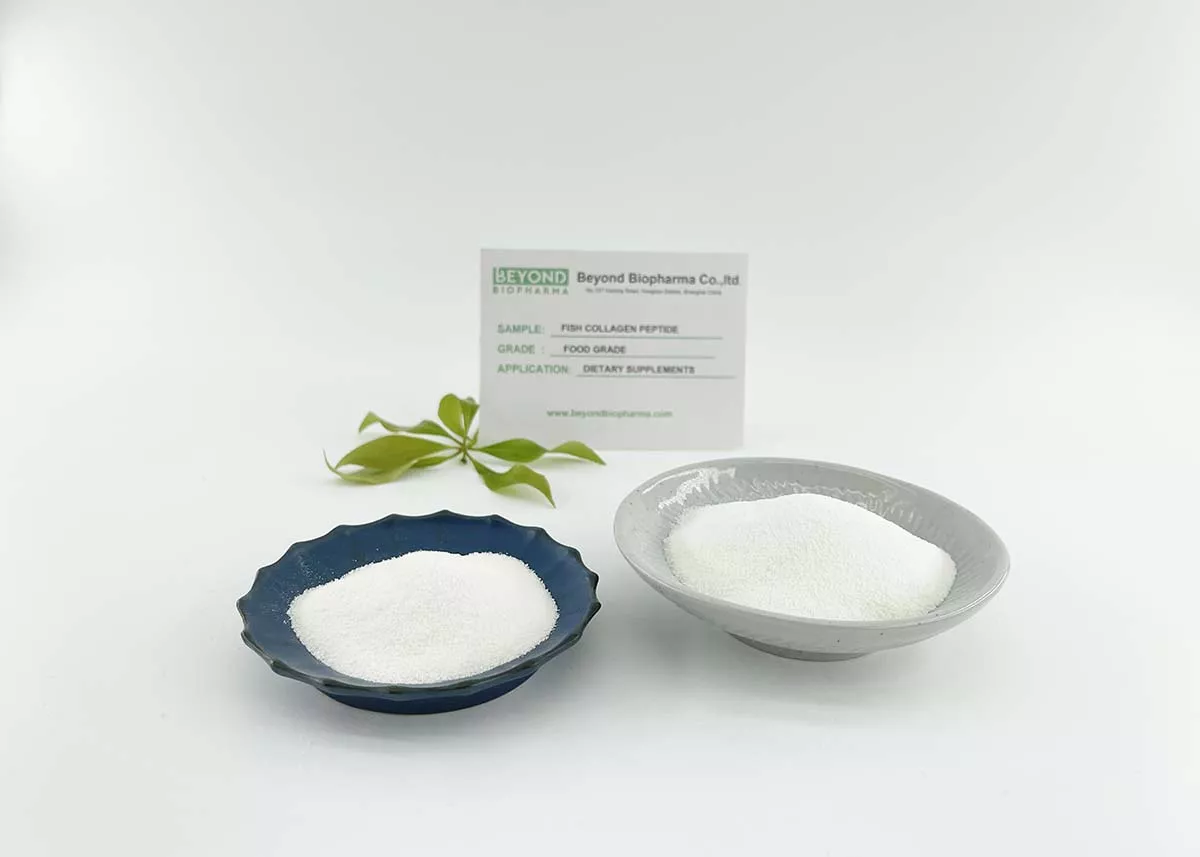
Premium marine-sourced collagen peptides with >90% protein content and low molecular weight (1000-3000 Da) for superior bioavailability. Sustainably sourced, neutral taste, and fully soluble—ideal for nutricosmetics and functional foods.
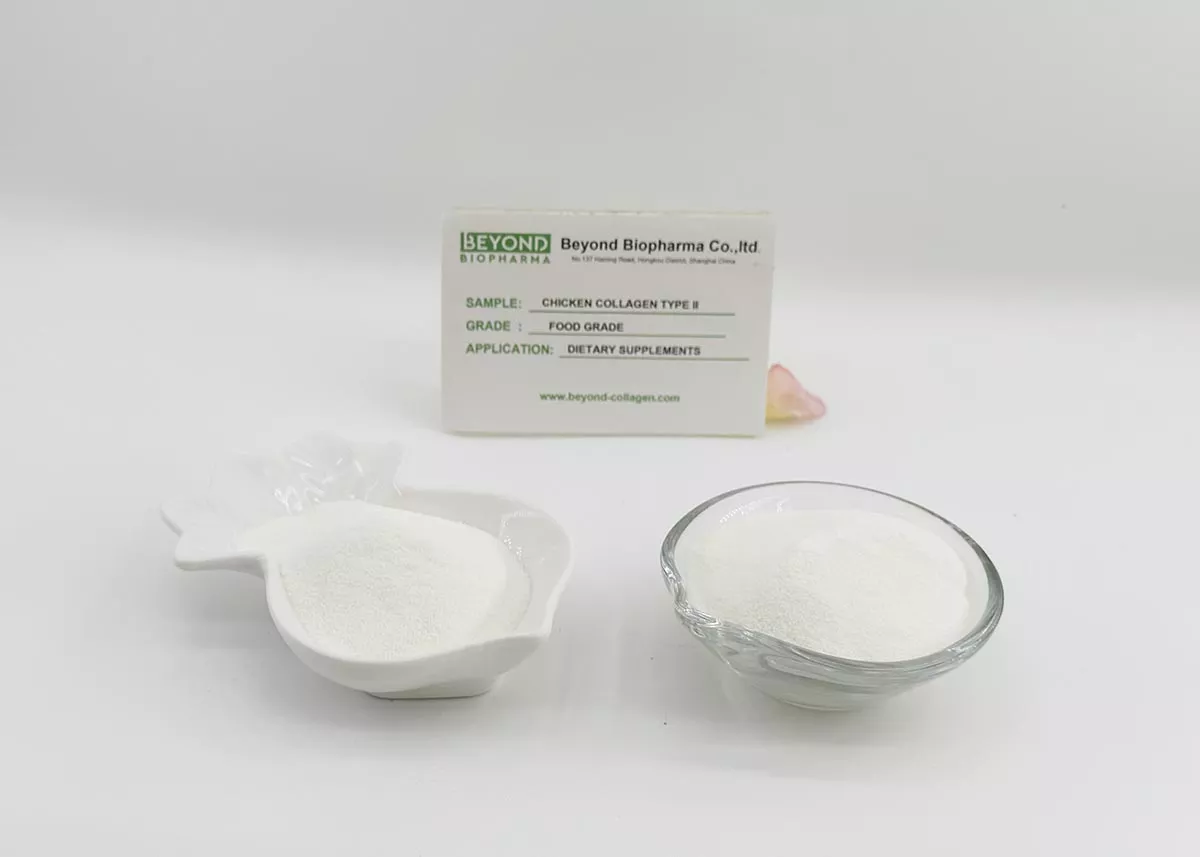
BEYOND BIOPHARMA is a specialized manufacturer of highly purified Hydrolyzed Collagen Type II. Through advanced enzymatic hydrolysis, we create low-molecular-weight collagen peptides that are highly bioavailable, offering foundational nutritional support for cartilage repair, joint function, and skin health. Our product is designed for rapid absorption and maximum efficacy in oral supplements.
Tel:+86 21 65010906
Cell/Whatsapp/Wechat:
+86 13482884055
+86 18657345785
Email: sales@beyondbiopharma.com