What to Look for in a Premium Fish Collagen Manufacturer | Quality Guide
Article Summary: Sourcing premium fish collagen requires more than a price comparison. This guide covers the key factors—from raw material traceability and enzymatic hydrolysis to molecular weight, solubility, and certification—that define a reliable manufacturer. Whether you are a supplement brand R&D manager, a pharmaceutical excipient buyer, or a food ingredient purchasing manager, understanding these quality markers helps you avoid batch inconsistency, fishy odor, and compliance delays. We also explain how Beyond Biopharma, a Shanghai-based manufacturer with 10+ years of experience, supports global buyers with custom fish collagen peptide and gelatin solutions.
What Makes a Fish Collagen Manufacturer “Premium”?
A premium fish collagen manufacturer is defined by consistent quality, transparent sourcing, and rigorous process control. For overseas buyers—whether you are developing a beauty-from-within supplement, a sports nutrition powder, or a pharmaceutical-grade softgel—the manufacturer’s ability to deliver repeatable specifications batch after batch is non-negotiable. Common pain points include strong fishy odor, poor cold-water solubility, variable molecular weight, and lack of halal or kosher certification. A reliable supplier addresses these through controlled enzymatic hydrolysis, low-temperature processing, and in-house quality testing.
How Is Fish Collagen Manufactured? The Working Principle
Fish collagen is typically extracted from the skin or scales of wild-caught or farmed fish. The process begins with cleaning and demineralization, followed by enzymatic hydrolysis at controlled temperatures. This breaks down the native collagen into smaller peptides, typically between 2,000 and 5,000 Daltons, which improves solubility and absorption. The hydrolysate is then filtered, concentrated, and spray-dried into a fine powder. A premium manufacturer uses fully automatic production lines with stainless-steel sealed piping and automated temperature/pH control to ensure consistency. The result is a fish collagen peptide with high protein content (≥90%), low odor, and excellent dispersibility in cold water.
Key Features and Typical Parameter Ranges for Fish Collagen
When evaluating a fish collagen manufacturer, you should request a Certificate of Analysis (COA) and compare against these typical industry ranges. Note that final values will vary by grade and application; always verify with the supplier’s sample.
| Parameter |
Typical Industry Range |
Quality Indicator |
| Molecular Weight |
2,000–5,000 Da (fish collagen often lower, faster absorption) |
Lower MW = better solubility & bioavailability |
| Protein Content |
≥90% |
High purity, minimal ash or moisture |
| Solubility |
High (cold-water dispersible) |
No clumping, clear solution |
| Odor |
Low to neutral (no fishy smell) |
Indicates proper deodorization |
| Moisture |
≤14% |
Prevents microbial growth |
| Heavy Metals |
Compliant with USP/EP limits |
In-house lab testing essential |
Note: These are typical industry ranges; final values should be confirmed per COA or sample from the manufacturer.
Applications and Recommended Solutions by Industry
Different end-use applications demand specific collagen specifications. Here is a quick selection guide:
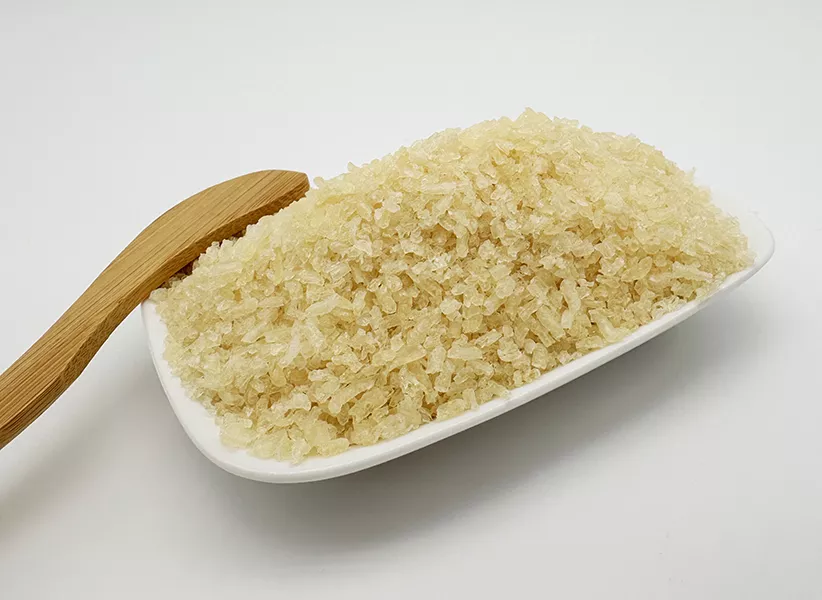
- Food & Gummies/Softgels: For gummy supplements and softgel capsules, look for edible gelatin with a Bloom of 150–260 g and a viscosity of 2.0–5.5 mPa·s. Fish gelatin is an excellent alternative for halal or kosher-compliant gummies.
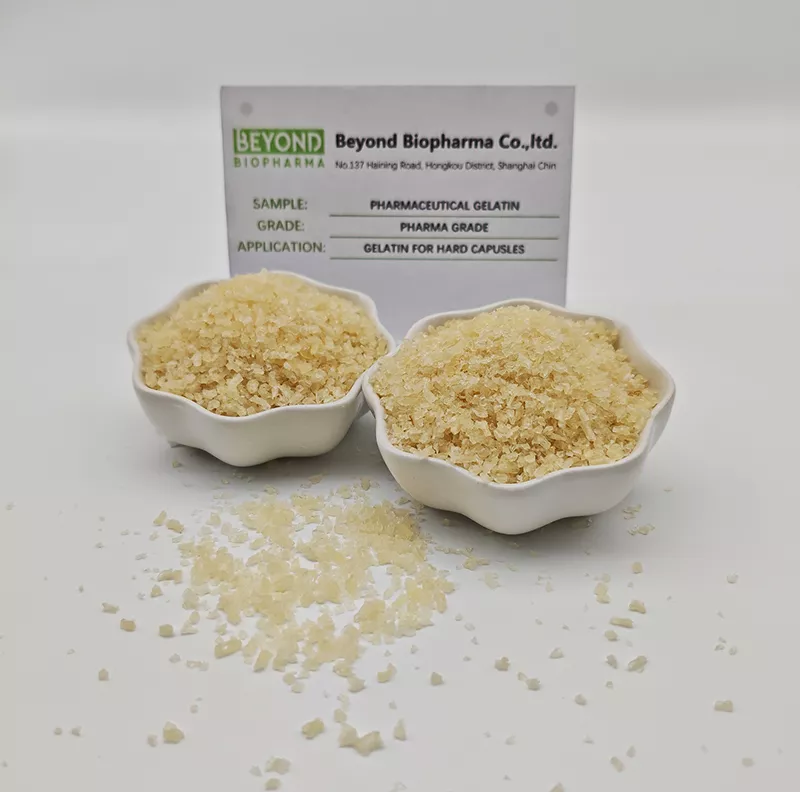
- Hard & Soft Capsules: Pharmaceutical-grade gelatin requires high gel strength and consistent viscosity. Bovine bone gelatin is a common choice for hard capsules, while ultra-high-viscosity gelatin works best for softgels.
- Sports Nutrition & Beauty-from-Within: Fish collagen peptides with a molecular weight below 3,000 Da are preferred for rapid absorption. Look for halal and kosher verified fish gelatin if targeting clean-label markets.
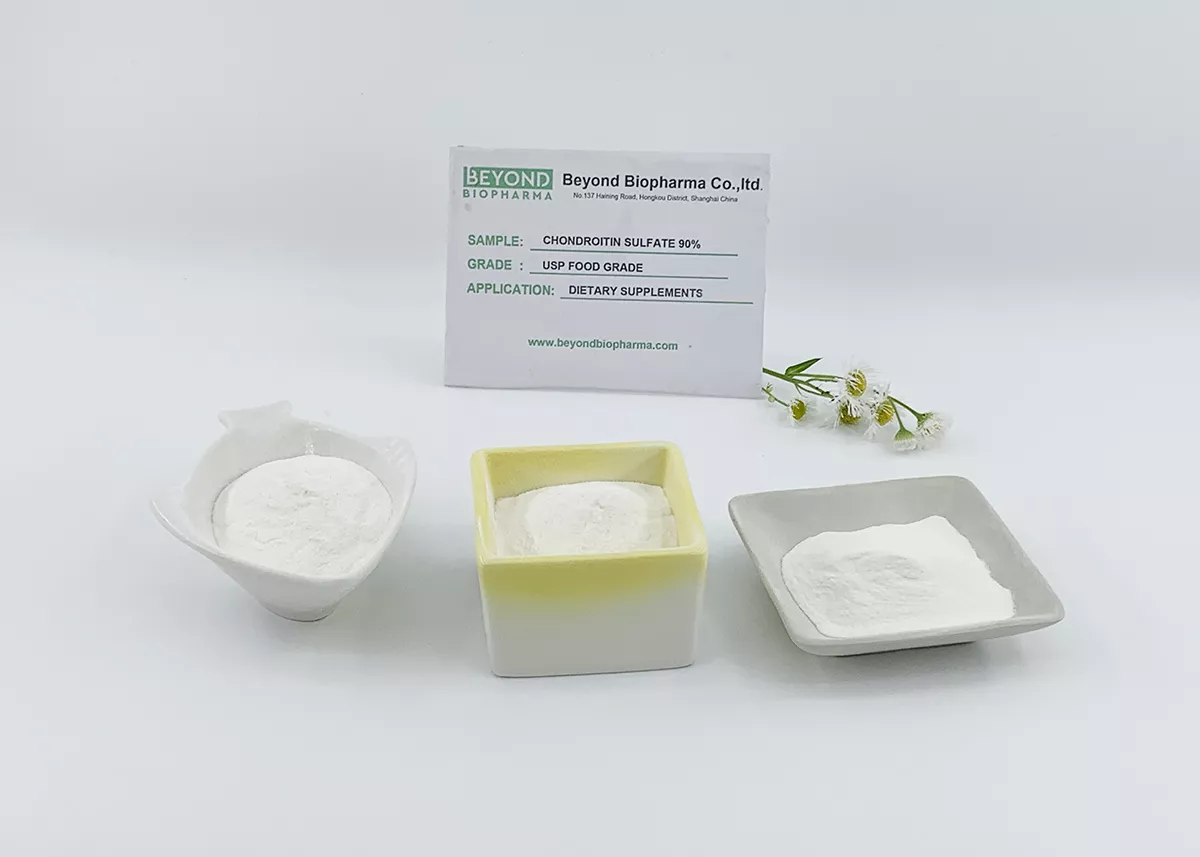
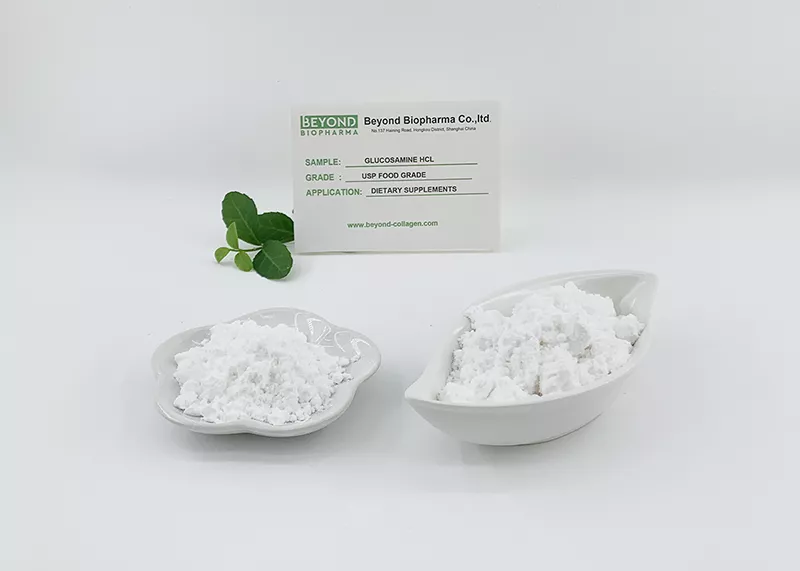
- Joint Health: For comprehensive joint support, combine fish collagen with premium vegan glucosamine hydrochloride or chondroitin sulfate.
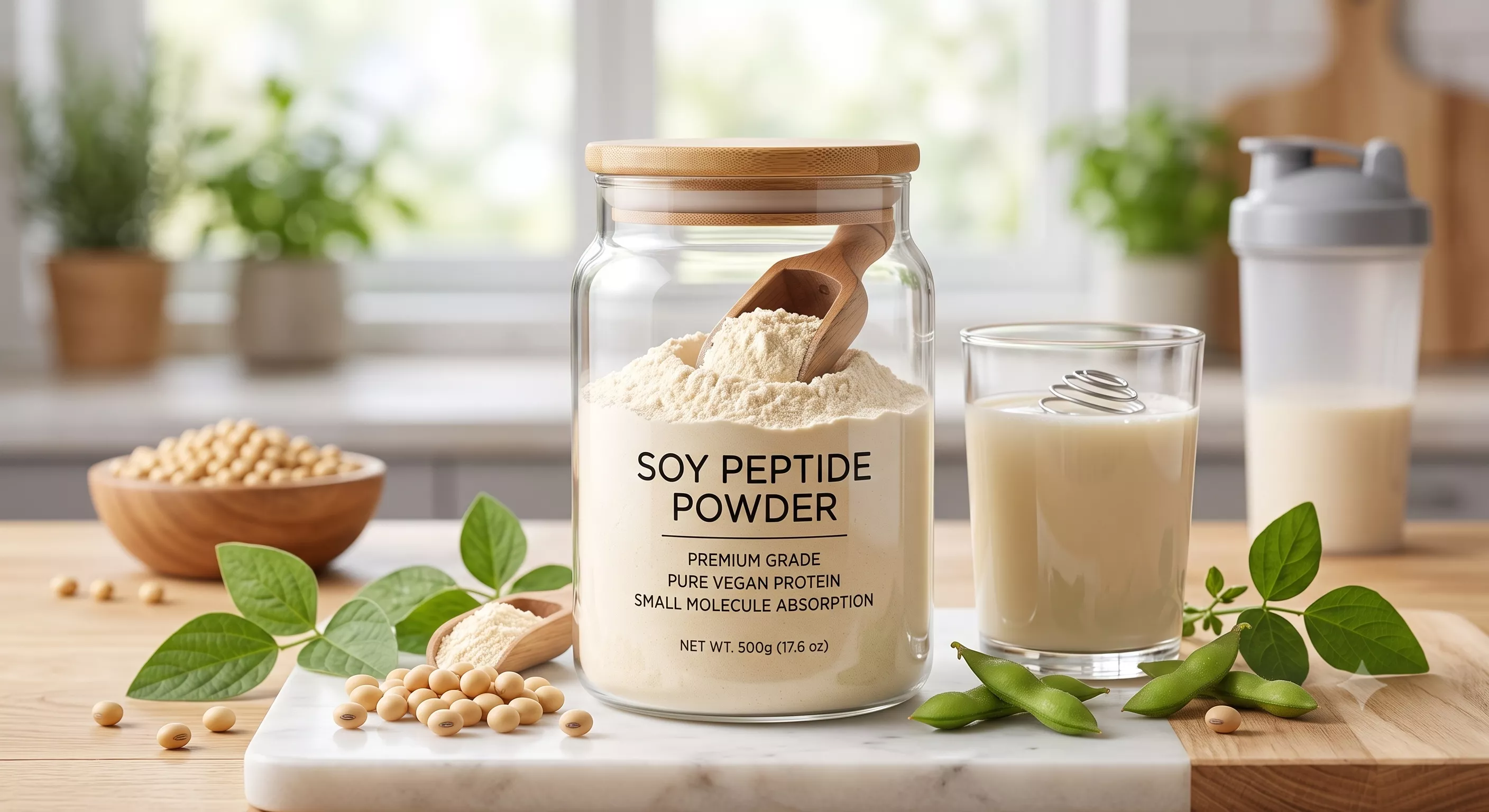
- Plant-Based & Vegan Formulations: If your product requires allergen-free or vegan ingredients, consider standardized gelatin sheets or plant protein peptides from pea, rice, or soy sources.
Why Choose Beyond Biopharma as Your Fish Collagen Manufacturer?
Beyond Biopharma is a Shanghai, China–based manufacturer with over 10 years of experience in the food-ingredient industry. Our products are exported to more than 50 countries. We operate a fully automatic production line in a GMP clean workshop, with stainless-steel sealed piping and automated temperature/pH control. Our annual capacity is approximately 3,000 MT for collagen and 5,000 MT for gelatin. We are ISO 9001 certified, US FDA registered, and our select products carry Halal and Kosher certifications (e.g., fish gelatin). Our bovine bone gelatin is BSE-free. We maintain an in-house lab for heavy-metal and microbiological testing, supported by a dedicated QA/QC team. We offer three grades—food, pharmaceutical, and cosmetic—and provide free samples along with formulation and selection support.
Frequently Asked Questions About Fish Collagen Sourcing
Q1: How can I verify the quality of fish collagen before placing a bulk order?
A: Request a free sample and a Certificate of Analysis (COA). Test for solubility in cold water, odor, and molecular weight. A reliable manufacturer like Beyond Biopharma will provide samples and full spec sheets.
Q2: What certifications should a premium fish collagen manufacturer have?
A: Look for ISO 9001, FDA registration, GMP certification, and if needed, Halal or Kosher verification. Beyond Biopharma holds these certifications and offers BSE-free bovine options.
Q3: Is fish collagen suitable for vegan or plant-based products?
A: No, fish collagen is animal-derived. For vegan formulations, consider plant protein peptides from pea, rice, or soy, which Beyond Biopharma also supplies.
Q4: What is the typical lead time for a bulk order of fish collagen peptides?
A: Lead times vary by quantity and specification. Most manufacturers, including Beyond Biopharma, can ship within 2–4 weeks after order confirmation and sample approval.
Q5: How do I choose between fish collagen and bovine collagen for my product?
A: Fish collagen typically has a lower molecular weight and is more soluble, making it ideal for beauty and sports drinks. Bovine collagen offers higher gel strength for capsules and gummies. Your application and target market (e.g., halal, kosher) will guide the choice.
Q6: Can a manufacturer provide custom formulations or private labeling?
A: Yes, many B2B manufacturers offer custom bulk supply and formulation/OEM support. Beyond Biopharma works with clients to tailor specifications, packaging, and labeling.
Request a Quote and Free Sample for Your Fish Collagen Project
Choosing the right fish collagen manufacturer is a critical step for your product’s success. To get started, please provide the following details to Beyond Biopharma so we can send you a tailored quote and free sample:
- Your specific application (food, pharmaceutical, cosmetic, or nutraceutical)
- Required grade (food, pharmaceutical, or cosmetic)
- Target specifications (e.g., molecular weight, Bloom, mesh size, protein content)
- Estimated quantity and minimum order quantity (MOQ)
- Destination country for shipping
- Any certification requirements (Halal, Kosher, BSE-free, etc.)
A premium fish collagen manufacturer like Beyond Biopharma is committed to quality, transparency, and global compliance. Contact us today to discuss your sourcing needs and request a sample.

 English EN








User Comments
Service Experience Sharing from Real Customers
Megan
Skincare FormulatorBeen sourcing collagen for years, and their marine peptide is a game-changer. The purity is consistently high, and my clients notice the difference in texture. Not just a supplier, they actually provide useful technical docs.
Leo
Gym OwnerOrdered a sample for our protein shake line. Honestly didn't expect much, but the solubility is fantastic—no clumping at all. Wish the MOQ was a bit lower for small businesses like ours, but quality-wise, it's solid.
Chloe
As someone who recommends collagen supplements daily, I visited their facility last month. The traceability from source to batch really impressed me. Finally a manufacturer that doesn't give vague answers about raw materials.
Derek
R&D SpecialistWe tested three different suppliers for our senior dog formula. Their hydrolyzed collagen had the best bioavailability results in our lab trials. The sales rep even helped us adjust particle size for our production line. Big win.