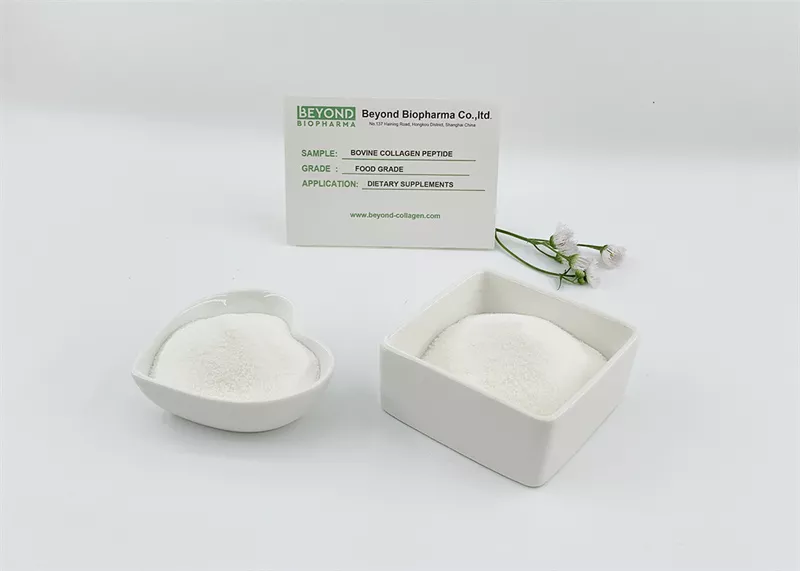
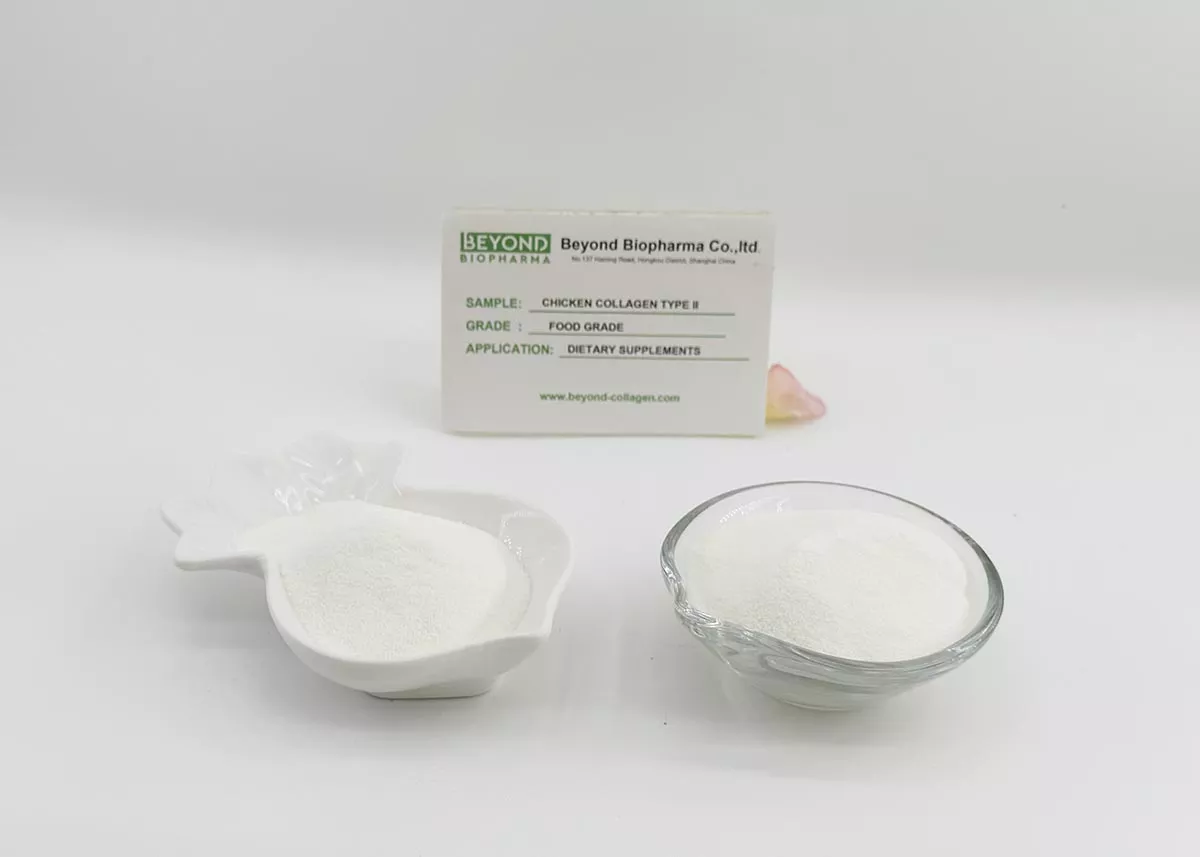
Collagen supplements continue to dominate the nutraceutical market, driven by consumer demand for joint health, skin elasticity, and overall wellness. For manufacturers aiming to stand out, mastering raw material sourcing, production precision, and regulatory compliance is non-negotiable. This guide offers practical, data-backed insights to help you build a reliable and profitable collagen supplement line, from peptide selection to final quality checks.
1. Source High-Quality Raw Materials
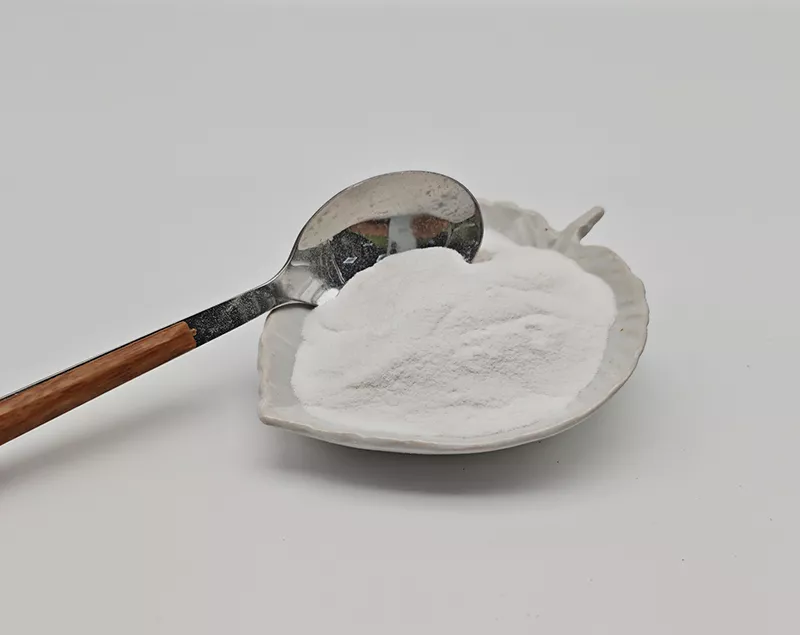
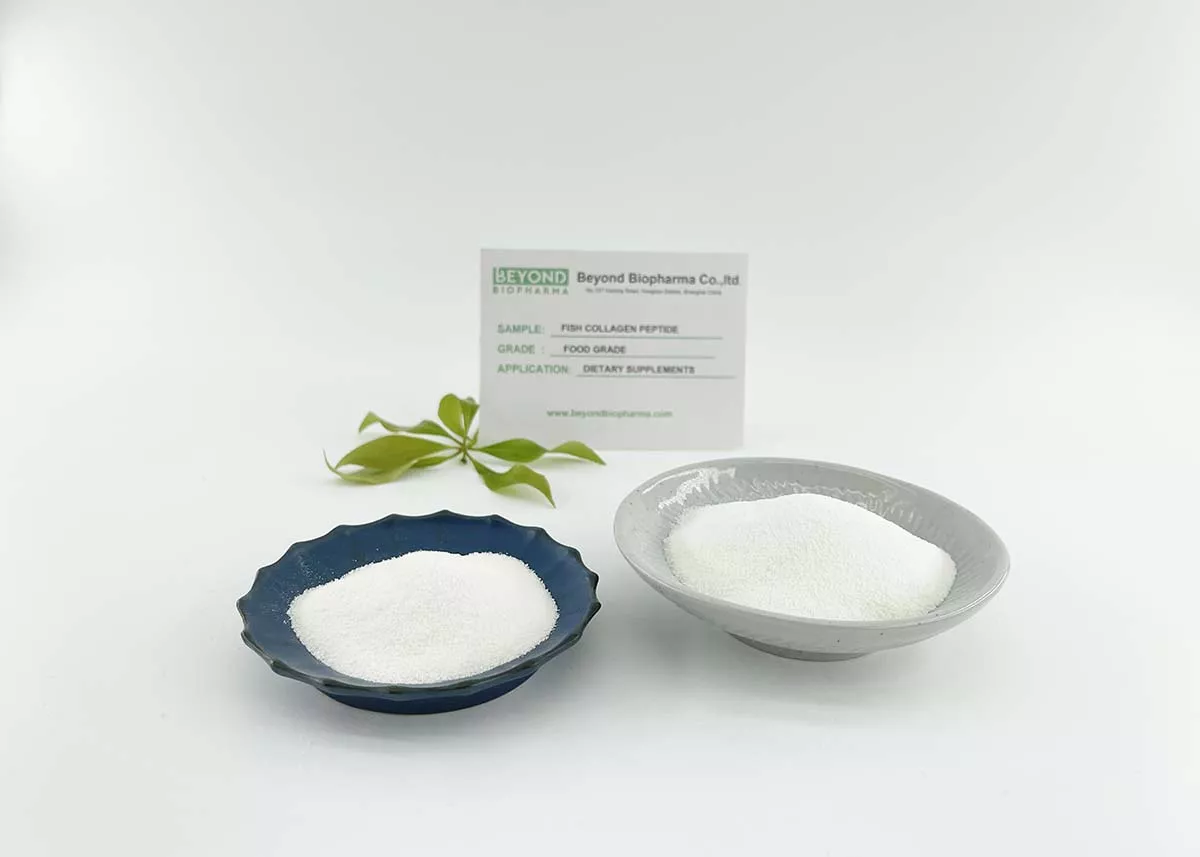
The foundation of any successful collagen supplement lies in the raw material. Bovine hide, fish skin, and porcine sources each offer distinct amino acid profiles. For instance, bovine collagen type I and III are ideal for skin and bone health, while marine collagen (type I) is prized for its high bioavailability. Always verify that your suppliers provide certificates of analysis (COA) for heavy metals, microbial limits, and protein content. A typical premium collagen peptide should have a protein content above 90% and a molecular weight between 2,000 and 5,000 Daltons for optimal absorption.
2. Optimize Hydrolysis Process for Bioavailability
Enzymatic hydrolysis is the standard method to break down collagen into smaller peptides. The degree of hydrolysis directly impacts solubility and digestibility. For most dietary supplements, a hydrolysis degree of 15% to 25% yields peptides that dissolve easily in cold water and are quickly absorbed by the body. Maintain strict control over temperature (typically 50-60°C) and pH (6.5-7.5) during the process to preserve amino acid integrity. Consistent batch-to-batch quality is achievable only with real-time monitoring of these parameters.
2. Invest in Clean-Label and Specialty Formulations
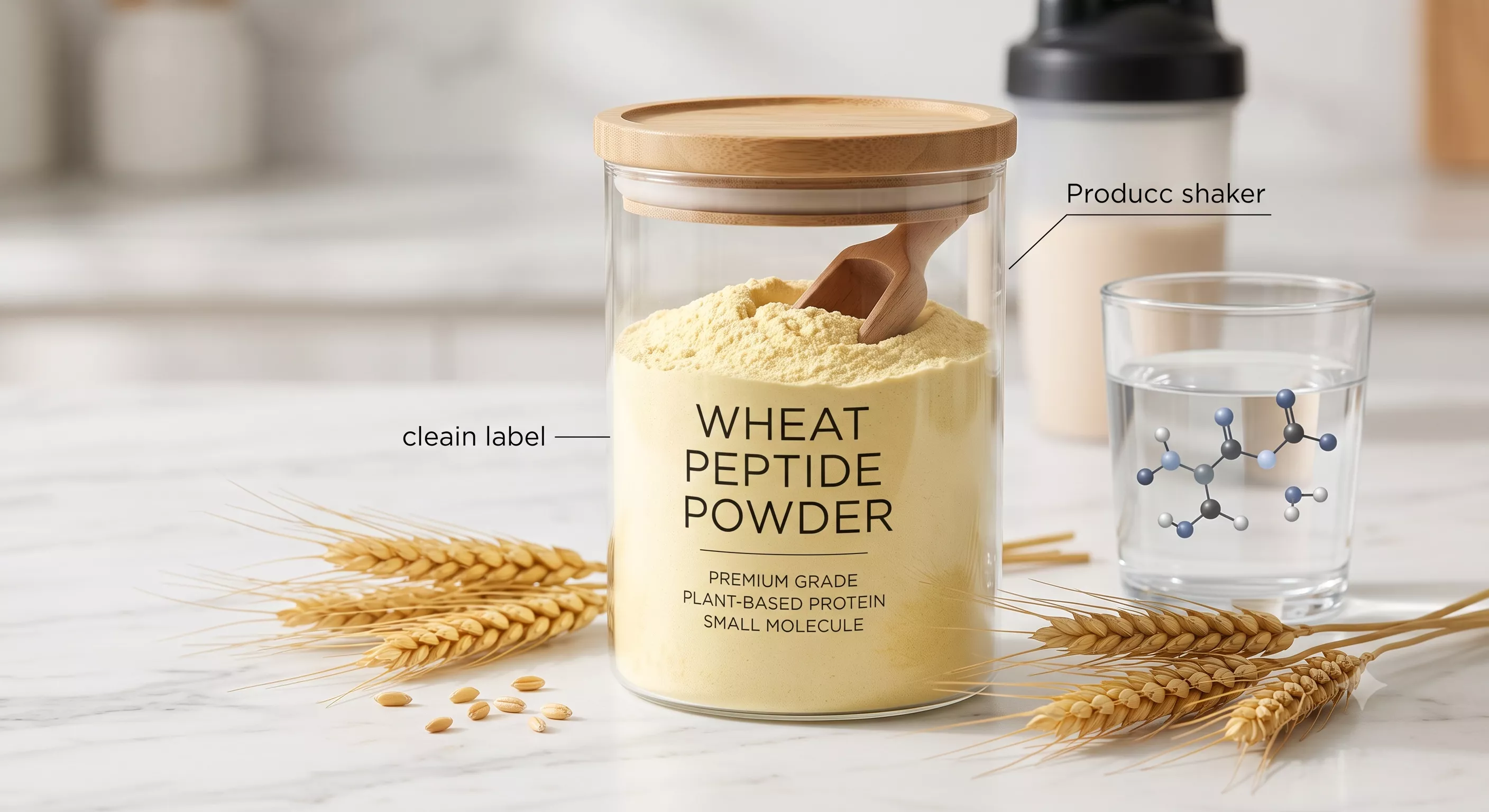
Modern consumers are increasingly label-conscious. Offering non-GMO, grass-fed, or wild-caught collagen options can differentiate your brand. Additionally, consider blending collagen with complementary ingredients like hyaluronic acid or vitamin C, which are known to boost collagen synthesis. For example, a formulation combining 5 grams of hydrolyzed collagen with 50 mg of hyaluronic acid has shown promising results in skin hydration studies. Always test these blends for stability and sensory attributes, such as taste and mouthfeel, especially in powdered formats.
4. Ensure Rigorous Quality Control and Testing
Regulatory compliance is a must for market access. In the US, the FDA requires that dietary supplements adhere to Current Good Manufacturing Practices (cGMP). Implement a testing protocol that includes:
- Microbiological analysis (total plate count, yeast, mold, Salmonella, E. coli)
- Heavy metal screening (lead, arsenic, cadmium, mercury)
- Protein and amino acid profiling via HPLC
- Shelf-life stability testing at accelerated conditions (40°C/75% RH for 6 months)
Third-party certification, such as Halal or Kosher, can further expand your market reach. For example, Halal and Kosher verified fish gelatin is increasingly requested by global brands targeting diverse demographics.
5. Streamline Packaging and Storage
Collagen peptides are hygroscopic, meaning they absorb moisture from the air. Use moisture-barrier packaging, such as aluminum foil pouches or high-density polyethylene (HDPE) containers with desiccant packs. Store finished products in a cool, dry place below 25°C and with relative humidity under 60%. Proper packaging not only extends shelf life (typically 24 to 36 months) but also preserves the product's sensory quality. For bulk manufacturing, consider nitrogen flushing to reduce oxidation.
6. Partner with Experienced Co-Manufacturers
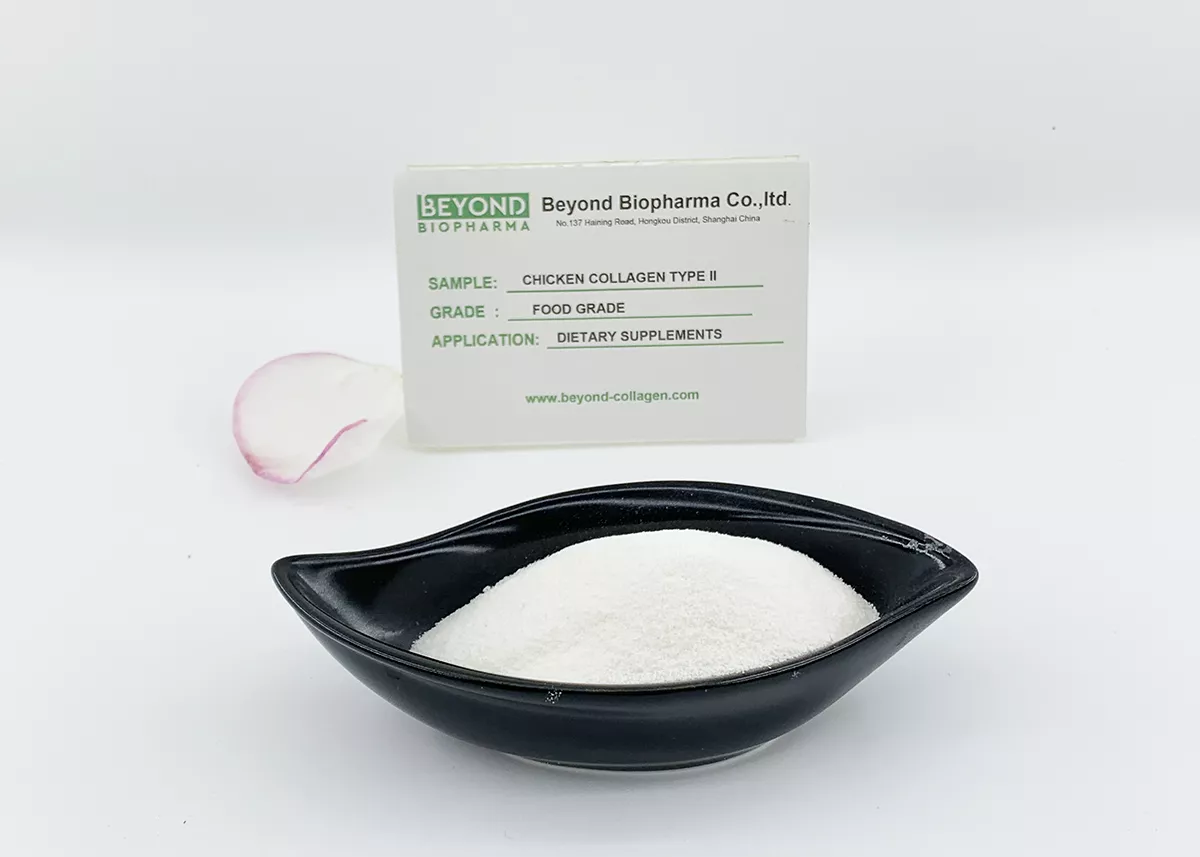
If you are scaling up, working with a contract manufacturer who specializes in collagen can save time and reduce risk. Look for facilities that have experience with both spray drying and roller compaction, as these methods affect particle size and flowability. A good partner will also help you navigate label claims, such as "hydrolyzed collagen peptides" or "type II collagen," and ensure your product meets the regulatory standards of your target markets, including the EU Novel Food regulation or China's health food registration.
By focusing on these six areas—raw material quality, hydrolysis control, clean-label innovation, rigorous testing, proper packaging, and reliable partnerships—you can build a collagen supplement line that meets both consumer expectations and regulatory demands. The global collagen market is projected to reach $7.5 billion by 2027, and manufacturers who prioritize transparency and science-backed quality will lead the way.

 English EN