English EN


Top 10 Chinese Collagen Peptide Manufacturers in 2026 (Bovine & Marine)
Ranking the top 10 Chinese collagen peptide manufacturers for 2026. Compare bovine and marine collagen peptide suppliers on molecular weight, solubility and certification.
More

Marine collagen peptides have become one of the fastest-moving ingredients in the global nutraceutical and functional food market. For brands sourcing in bulk, the real challenge is not finding a supplier but finding one that can consistently deliver the right molecular weight, purity, and documentation across repeat orders. This guide walks through what bulk buyers should actually evaluate when selecting a marine collagen peptides manufacturer, from raw material sourcing and hydrolysis methods to quality systems and supply reliability, so you can make a sourcing decision grounded in facts rather than marketing claims.
Marine collagen peptides are typically derived from fish skin and scales, and the quality of that raw material sets the ceiling for everything downstream. Fish species, catch season, and how quickly the material is chilled after processing all influence the peptide profile you end up with. A manufacturer that controls or closely audits its raw material chain tends to produce more consistent batches than one that buys whatever is available on the spot market. When you request samples from a potential partner, ask where the fish skin originates and whether the material is traceable to specific fisheries. Suppliers who can answer this clearly usually have a stronger grip on quality than those who deflect the question.
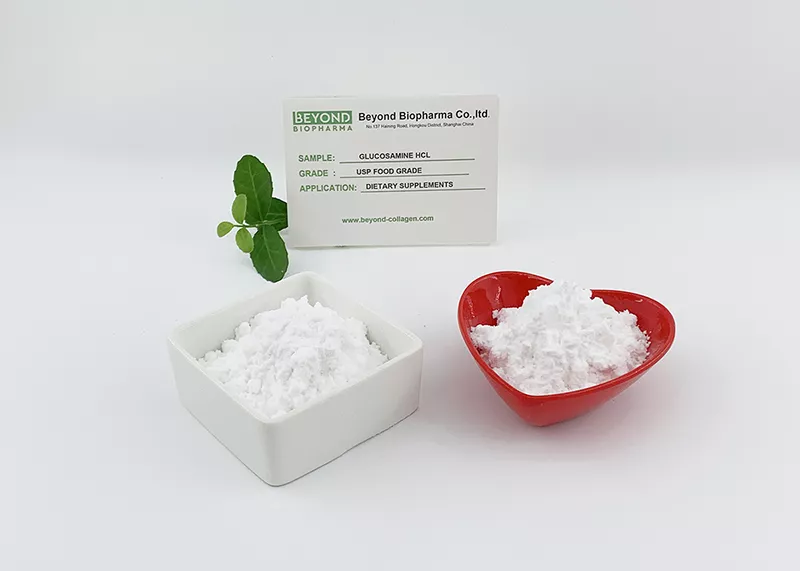
The enzymatic hydrolysis step is where collagen protein becomes collagen peptides, and it is also where many suppliers differ significantly. The choice of enzyme, reaction time, and temperature control determine the molecular weight distribution of the finished powder. Lower molecular weight peptides, generally in the 1,000 to 3,000 Dalton range, are more readily absorbed, which is why they command attention in skin health and joint support formulations. But lower is not automatically better for every application. What matters is that the manufacturer can hit a declared molecular weight range consistently and can back it up with a certificate of analysis from a third-party lab.
Ask prospective suppliers for a molecular weight distribution chart, not just an average figure. A tight distribution curve tells you the process is well controlled. A wide spread suggests variability that could affect how your finished product performs from batch to batch. This is one of the most practical ways to separate serious manufacturers from trading companies that simply repackage material from other sources.
For bulk supply, documentation is not a formality. It is part of the product. A reliable marine collagen peptides manufacturer should provide a full certificate of analysis covering appearance, odor, protein content, moisture, ash, heavy metals, and microbiological limits. Beyond the CoA, look for evidence of a functioning quality management system, such as ISO 22000 or FSSC 22000 certification, and confirm that the facility undergoes regular third-party audits. If you sell into markets with strict import requirements, check whether the supplier can support your regulatory filings with technical data sheets, allergen statements, and country-of-origin documentation.
Heavy metal testing deserves specific attention for marine ingredients. Fish skin can accumulate trace elements depending on the source, so a manufacturer that tests every batch for lead, cadmium, arsenic, and mercury, and shares those results transparently, is signaling that it takes contamination control seriously. Do not accept a single historical test report as proof of ongoing quality. Ask for batch-specific data.
Bulk buyers often learn the hard way that a supplier's ability to ship a sample is not the same as its ability to fulfill a multi-ton order on schedule. Before committing, ask about monthly production capacity, typical lead times, and how the manufacturer manages raw material availability during off-season periods. Marine raw materials are seasonal, and suppliers who plan ahead maintain buffer stock or diversified sourcing relationships to keep production steady. Those who do not will leave you scrambling when your own production schedule depends on their delivery date.
It also helps to understand the manufacturer's packaging options. Bulk marine collagen peptides are commonly supplied in 20 kg or 25 kg fiber drums with food-grade inner liners, but some buyers need smaller trial quantities or custom packaging for specific markets. A supplier that can accommodate both pilot-scale and full-container orders without changing the quality standard is a more flexible long-term partner. If your formulation also uses complementary ingredients, it is worth confirming whether the same manufacturer can supply related proteins, such as fish collagen peptide for skin health supplements, which can simplify your vendor management and reduce shipping complexity.
Not all marine collagen peptides are interchangeable. A grade optimized for solubility and neutral taste works well in beverages and ready-to-mix powders, while a grade with different flow characteristics may be better suited to capsule filling or tablet compression. Discuss your intended application with the manufacturer early, and ask whether they can recommend a specific grade based on your processing conditions. Good suppliers will ask about your formulation, dosage, and manufacturing method before quoting, because those details affect which product they recommend.
Sensory properties matter more than many buyers expect. Marine collagen can carry a faint fishy note if the raw material handling or purification is inadequate. Request an organoleptic evaluation alongside the technical data, and if possible, run a small trial batch in your actual formulation. A peptide that performs well in a lab dispersion may behave differently once it is combined with flavors, acids, or other active ingredients. Testing in your real matrix is the only way to know for sure.
Price per kilogram is the number everyone looks at first, but it rarely tells the full story. Factor in minimum order quantities, payment terms, shipping costs, and the cost of any testing you need to run on incoming batches. A slightly higher unit price from a manufacturer with reliable documentation and consistent quality can be cheaper in the long run than a low quote from a supplier whose batches require re-testing or rejection. Ask for a clear breakdown of what is included in the quote and whether third-party testing is standard or an add-on.
It is also reasonable to ask how the manufacturer handles quality complaints. A defined corrective action process, with clear timelines and root cause analysis, is a sign of a mature operation. If your business depends on repeat orders and consistent finished products, the supplier's response to problems matters as much as the product itself.
A short, focused checklist can save a lot of back-and-forth. Confirm the raw material source and species. Request the molecular weight distribution and batch-specific CoA. Verify certifications and audit history. Ask about production capacity, lead times, and seasonal planning. Clarify MOQ, packaging, and payment terms. Request a sample and test it in your own formulation. Finally, ask for references or case examples from buyers in similar applications. Suppliers who answer these questions directly and promptly are usually the ones worth building a relationship with.
Sourcing marine collagen peptides in bulk is ultimately about reducing risk. The ingredient is well established, the demand is real, and the technical requirements are clear. What separates a smooth supply relationship from a difficult one is the manufacturer's discipline in raw material control, process consistency, and documentation. Take the time to evaluate those factors before you sign a purchase order, and you will have a supply chain that supports your product rather than creating problems downstream. For buyers exploring related protein ingredients, reviewing options such as pea peptide powder can also help you build a more complete ingredient strategy from a single qualified source.


We provide you with comprehensive foreign trade solutions to help enterprises achieve global development
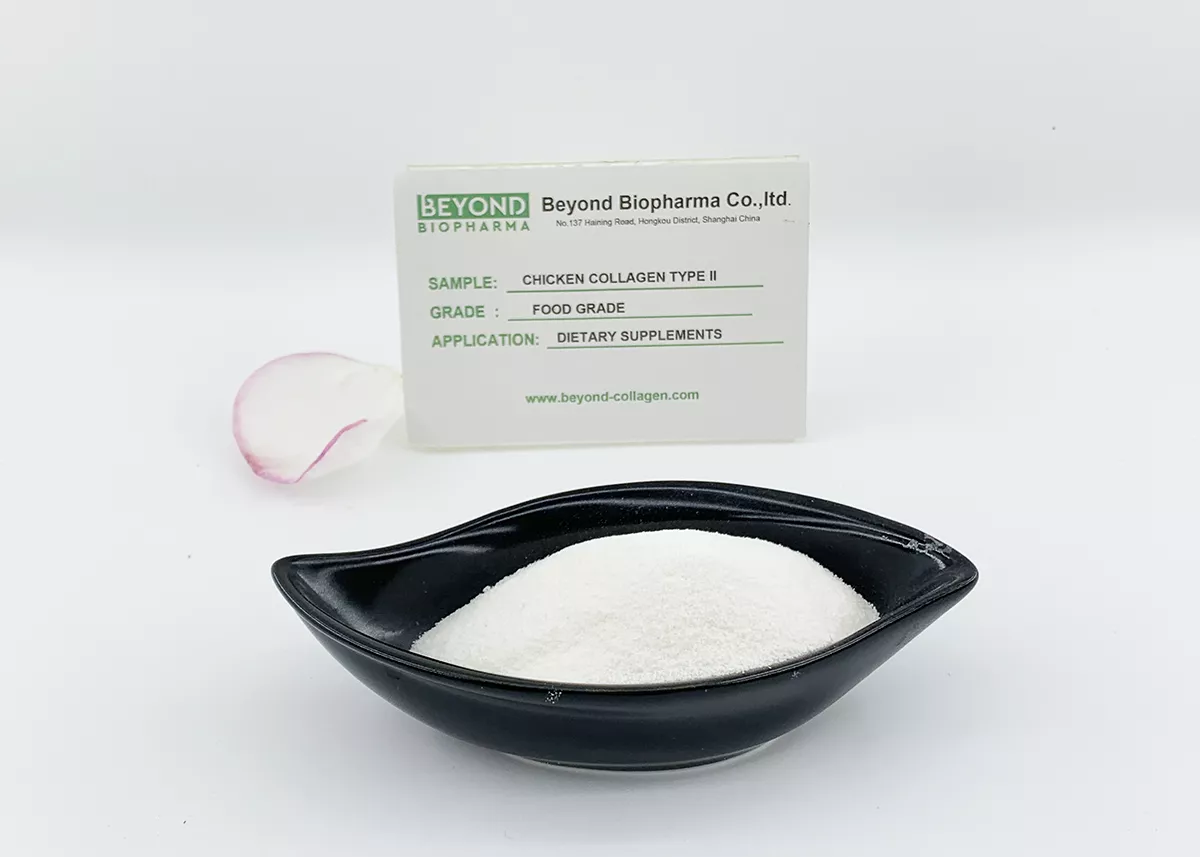
BEYOND BIOPHARMA is a specialized manufacturer of high-quality Undenatured Collagen Type II. Utilizing low-temperature, non-enzymatic extraction methods, our Undenatured Collagen Type II retains its native, triple-helix structure, essential for modulating the immune system's response to joint health and providing superior support for mobility, flexibility, and overall joint comfort.
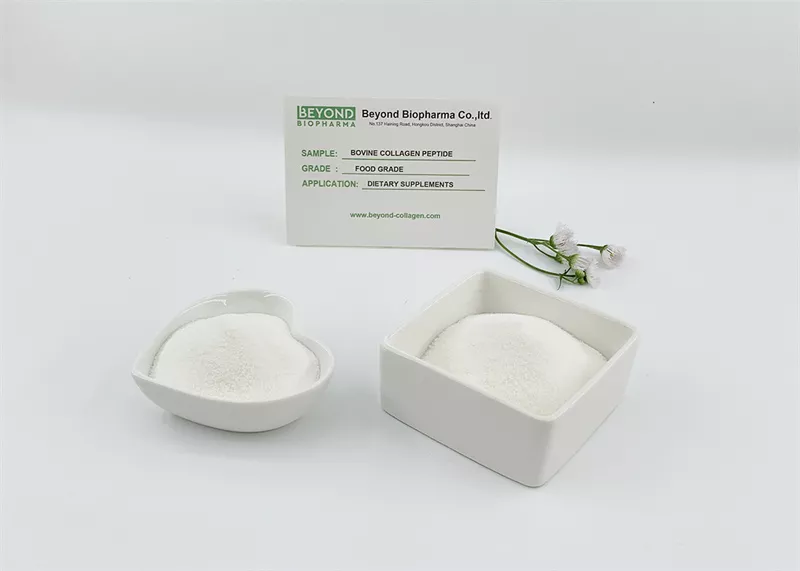
Manufacturer of bovine collagen peptide, shipping in containers all around the world
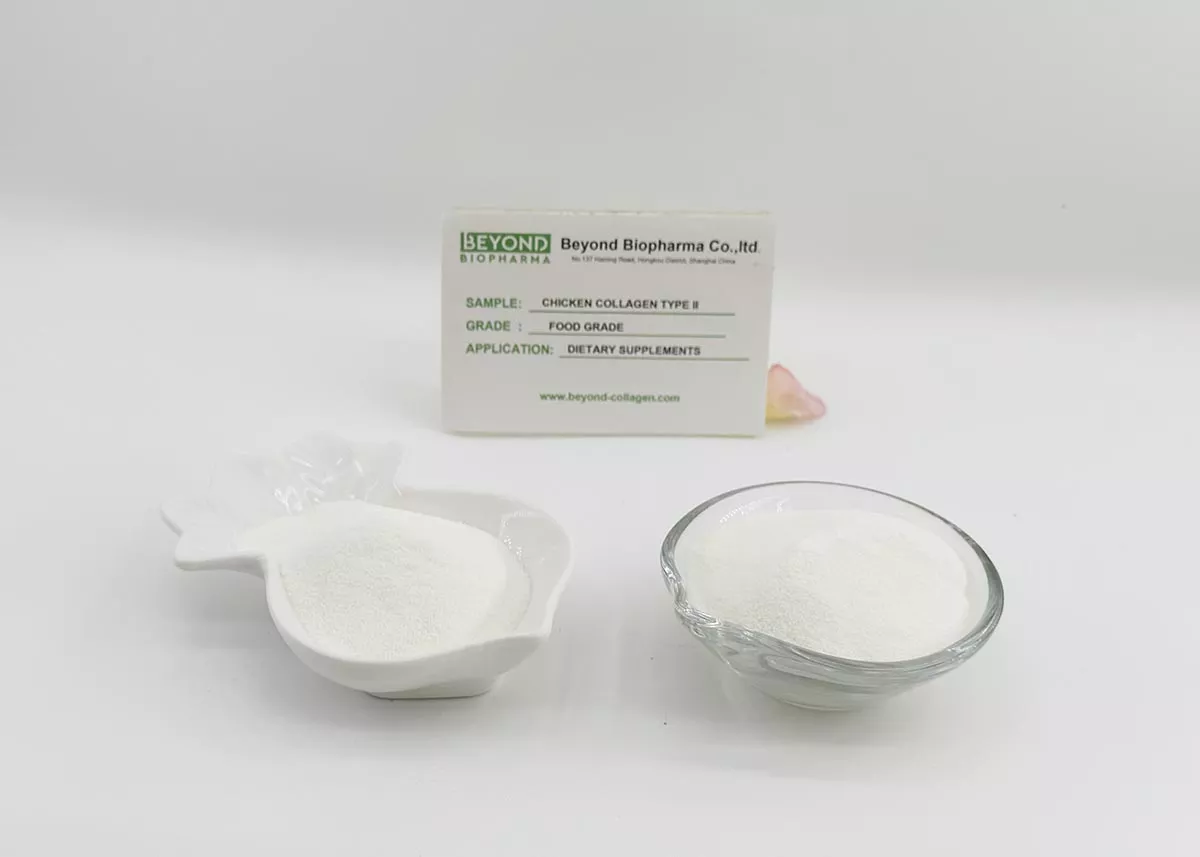
BEYOND BIOPHARMA is a specialized manufacturer of highly purified Hydrolyzed Collagen Type II. Through advanced enzymatic hydrolysis, we create low-molecular-weight collagen peptides that are highly bioavailable, offering foundational nutritional support for cartilage repair, joint function, and skin health. Our product is designed for rapid absorption and maximum efficacy in oral supplements.
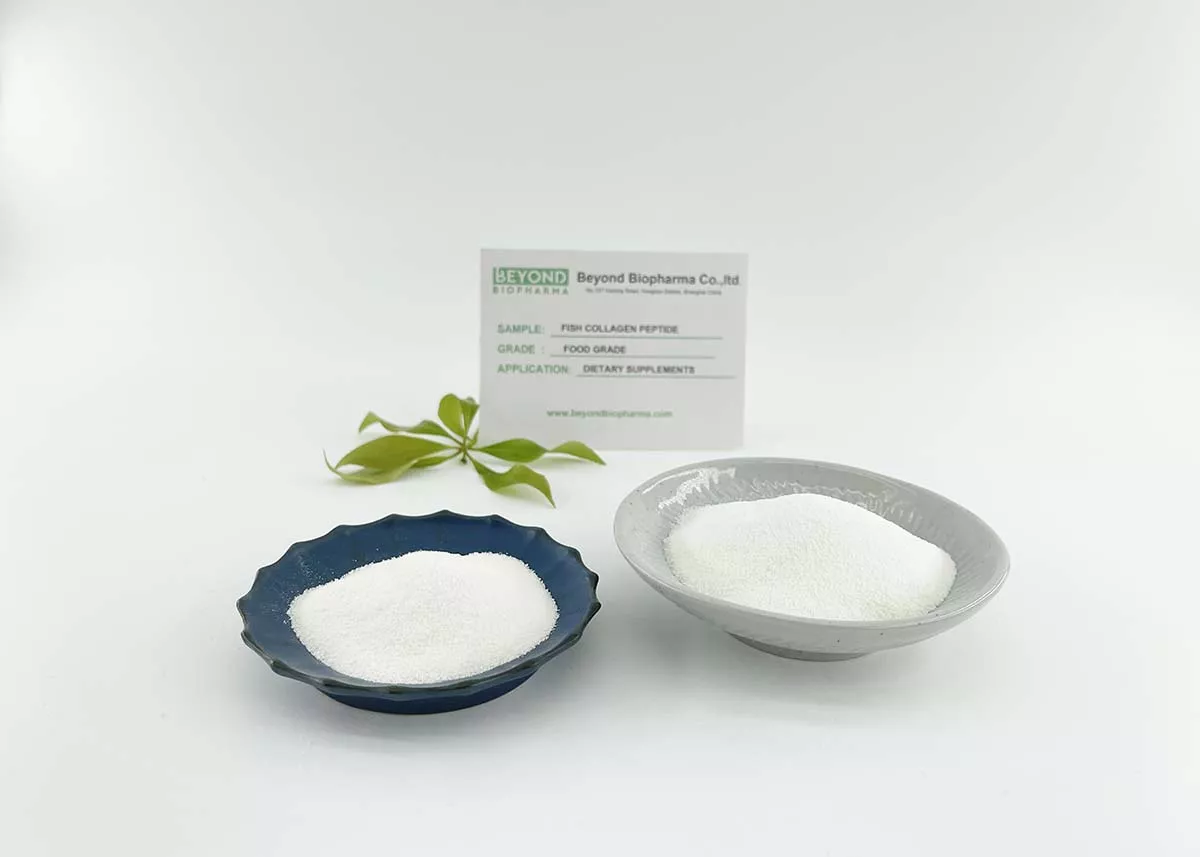
Premium marine-sourced collagen peptides with >90% protein content and low molecular weight (1000-3000 Da) for superior bioavailability. Sustainably sourced, neutral taste, and fully soluble—ideal for nutricosmetics and functional foods.
Tel:+86 21 65010906
Cell/Whatsapp/Wechat:
+86 13482884055
+86 18657345785
Email: sales@beyondbiopharma.com