English EN


How to Use Gelatin Powder? Applications of Gelatin Powder
Use gelatin powder by blooming it in cold water, dissolving gently, and adding to recipes for perfect texture in desserts, sauces, and supplements.
More
Author: Marine Bioproducts Research Group | Date: January 2024
Fish gelatin powder is derived from the skin and bones of marine fish through a controlled extraction process. This method ensures high purity and functional properties suitable for food and supplement applications.
Fresh or frozen fish skins (typically from cod, tilapia, or salmon) are thoroughly washed to remove scales, residual meat, and impurities. The cleaning process uses chilled water to maintain raw material quality.
The cleaned fish skins are immersed in a dilute acid solution (typically hydrochloric or phosphoric acid) for 12–24 hours. This step removes minerals and swells the collagen structure, preparing it for extraction.
The acid-treated skins are transferred to hot water at 50–70°C for several hours. The heat breaks down collagen into gelatin, which dissolves into the water. Multiple extraction cycles may be used to maximize yield.
The gelatin solution is filtered through fine mesh screens and activated carbon to remove suspended particles, lipids, and odors. This step ensures a clear, odorless liquid with consistent quality.
The clarified gelatin solution is concentrated using vacuum evaporation to remove excess water, raising the gelatin concentration to 20–30% for efficient drying.
The concentrated gelatin is dried using hot air or drum dryers until the moisture content drops below 10%. The dried sheets are then ground into a fine powder with controlled particle size.
The final powder undergoes testing for gel strength (bloom), viscosity, pH, and microbial purity. It is then packaged in moisture-proof containers for distribution. For clean label applications, halal and kosher verified fish gelatin is often preferred.
Compared to beef gelatin, fish gelatin offers a lower melting point (25–30°C) and is suitable for cold-set applications. It is also free from bovine spongiform encephalopathy (BSE) concerns and is widely accepted in kosher and halal diets. Additional marine-sourced ingredients like fish collagen peptide for skin health supplements are also derived through similar hydrolysis processes.
For manufacturers seeking alternatives, edible bovine gelatin for foods applications remains an option, though fish gelatin is increasingly favored for its lighter color and neutral taste profile in gummy and jelly products.
Fish gelatin is composed primarily of Type I collagen, which has a lower molecular weight and a more uniform peptide structure compared to beef gelatin. This structural difference allows fish gelatin to be broken down more efficiently by digestive enzymes in the stomach and small intestine. Studies indicate that the absorption rate of fish-derived collagen peptides is significantly higher, with some research showing up to 1.5 times better bioavailability than bovine sources. The lower denaturation temperature of fish gelatin also means it remains soluble and accessible for digestion at body temperature, facilitating rapid uptake of amino acids like glycine, proline, and hydroxyproline into the bloodstream.
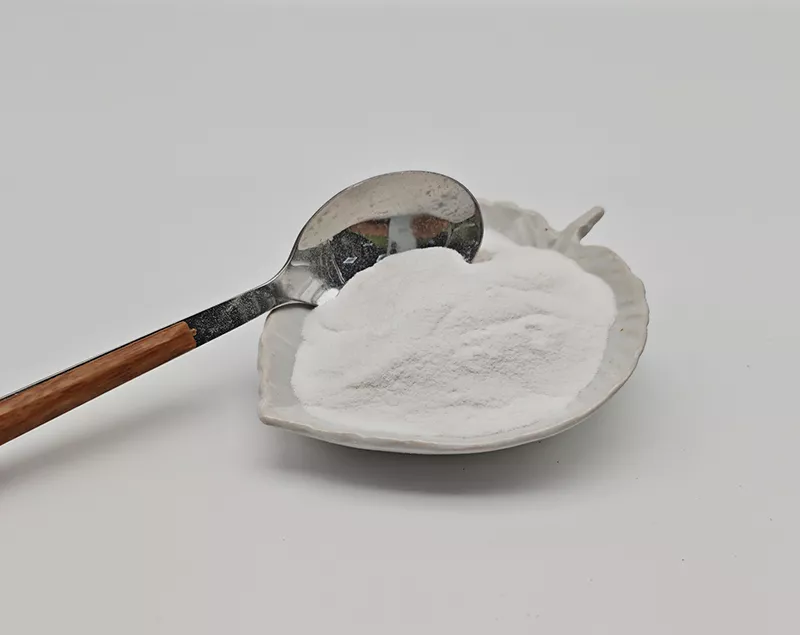
Another key nutritional difference lies in the amino acid profile. Fish gelatin contains a higher proportion of essential amino acids, particularly methionine and lysine, which are often limited in beef gelatin. This makes fish gelatin a more complete protein source for supporting muscle repair, skin elasticity, and joint health. Additionally, fish gelatin is naturally lower in proline and hydroxyproline compared to beef gelatin, which reduces the risk of digestive discomfort such as bloating or heaviness after consumption. The absence of bovine-specific proteins also eliminates potential cross-reactivity for individuals with sensitivities to mammalian meat products.
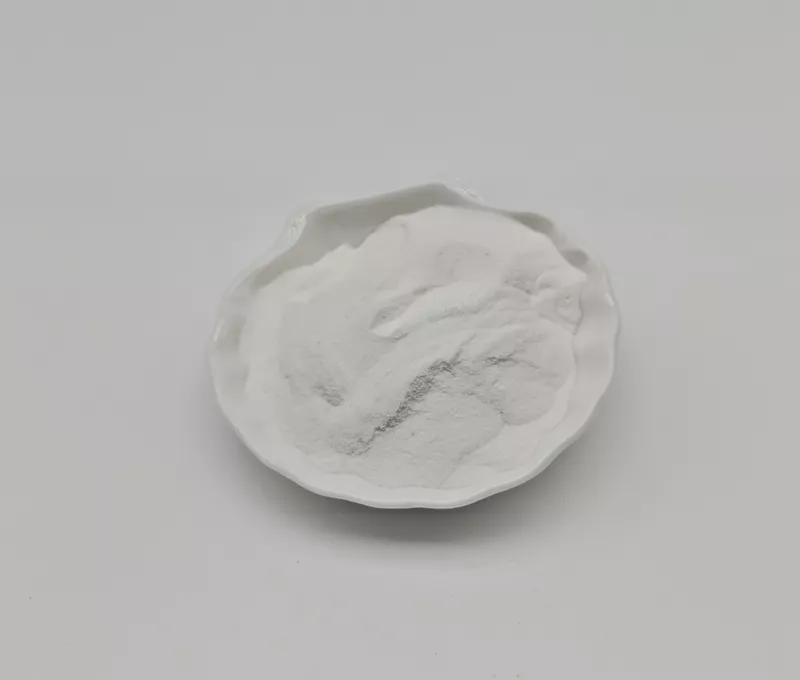
From a functional nutrition perspective, fish gelatin's superior digestibility translates to faster delivery of collagen peptides to target tissues. Clinical trials have demonstrated that daily supplementation with fish gelatin can improve skin hydration and elasticity within four weeks, while beef gelatin often requires longer periods to show comparable effects. The reduced allergenicity of fish gelatin (compared to beef) also makes it a preferred choice for individuals following pescatarian diets or those with religious dietary restrictions. For optimal absorption, it is recommended to consume fish gelatin with vitamin C, which acts as a cofactor for collagen synthesis.
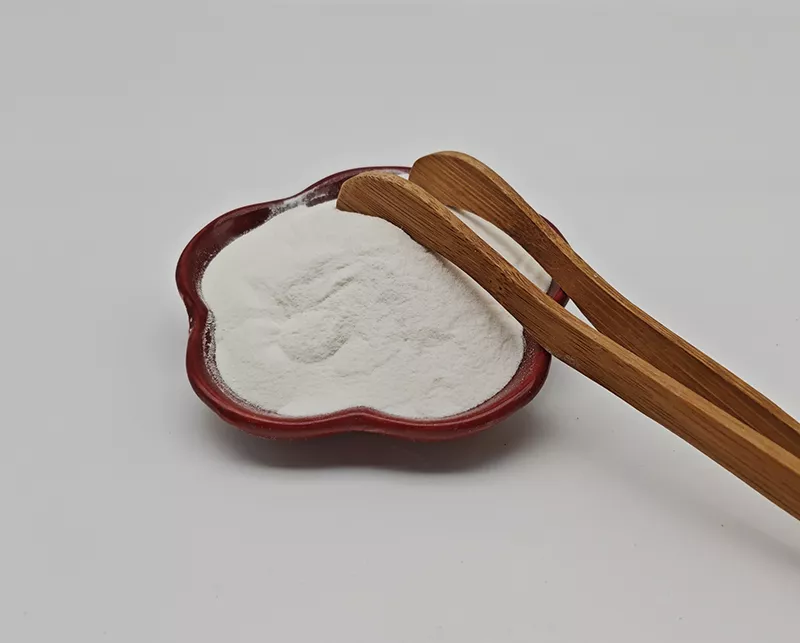
Fish gelatin is derived from fish skins and scales, offering a distinct safety profile compared to beef gelatin. The primary health advantages lie in its reduced potential for allergic reactions and its minimal risk of transmitting bovine-related diseases.
| Factor | Fish Gelatin | Beef Gelatin |
|---|---|---|
| Common Allergens | Fish (specific species, less common) | Bovine proteins (more prevalent) |
| Allergenicity Risk | Lower for general population | Higher for individuals with dairy/beef allergies |
| Disease Transmission Risk | Minimal (no known fish prion diseases) | Potential for BSE/TSE prion transmission |
| Religious/Cultural Acceptance | Halal, Kosher, and vegetarian-friendly | Restricted in some diets |
| Processing Safety | Low temperature processing preserves nutrients | High temperature processing may degrade proteins |
The data clearly indicates that fish gelatin poses a significantly lower risk of allergenicity for most consumers. Unlike beef gelatin, which can trigger reactions in individuals sensitive to bovine proteins, fish gelatin is derived from a different protein source and is less likely to cross-react with common allergens. Additionally, the risk of disease transmission is virtually eliminated with fish gelatin, as fish are not known to carry prion diseases like Bovine Spongiform Encephalopathy (BSE) that can be associated with beef-derived products.
For manufacturers seeking clean-label ingredients, fish gelatin offers a safer alternative without compromising functionality. It is widely accepted across various cultural and religious dietary requirements, including Halal and Kosher certifications. To learn more about sourcing high-quality fish gelatin for your applications, visit this resource on clean-label fish gelatin.
In summary, choosing fish gelatin over beef gelatin significantly reduces concerns related to allergenicity and disease transmission, making it a healthier and more versatile option for both food and pharmaceutical applications.
Fish gelatin offers a unique source of Type I collagen, which is structurally similar to the collagen found in human skin, bones, and connective tissues. Unlike bovine gelatin, which carries a higher risk of disease transmission and often triggers inflammatory responses, fish gelatin is derived from wild-caught fish skins and scales, making it a cleaner and more biocompatible option for daily supplementation.
For joint health, fish gelatin provides essential amino acids such as glycine and proline, which are critical for rebuilding cartilage and maintaining synovial fluid viscosity. Clinical studies suggest that consistent intake of fish collagen peptides can reduce joint pain and stiffness, especially in active individuals and aging populations. Because fish gelatin has a lower molecular weight than bovine collagen, it is more easily absorbed and utilized by the body, leading to faster repair of damaged joint tissues.
When it comes to skin health, fish gelatin stimulates fibroblast activity, boosting the production of elastin and hyaluronic acid. This results in improved skin elasticity, reduced fine lines, and better hydration. Many users report visible improvements in skin firmness within four to eight weeks of regular use. Unlike bovine collagen, which can sometimes cause bloating or allergic reactions due to its mammalian origin, fish gelatin is generally well-tolerated and hypoallergenic.
For bone health, fish gelatin supports bone mineral density by enhancing calcium absorption and collagen matrix formation. It is particularly beneficial for postmenopausal women and older adults who are at higher risk for osteoporosis. The absence of bovine spongiform encephalopathy (BSE) concerns makes fish gelatin a safer choice for long-term bone support. Additionally, fish gelatin is often certified halal and kosher, making it accessible to a wider range of dietary preferences.
Learn more about clean-label fish gelatin and its applications:
Fish gelatin is derived from fish skins and scales, which are by-products of the fishing industry. This process reduces waste and utilizes resources that would otherwise be discarded, contributing to a more sustainable food system. Compared to beef gelatin, which requires significant land, water, and feed inputs for cattle farming, fish gelatin has a lower environmental footprint. The production of fish gelatin also emits fewer greenhouse gases, making it a more eco-friendly choice for environmentally conscious consumers.
The fishing industry generates large quantities of skin and bone waste, which are typically discarded. By converting these by-products into high-value gelatin, manufacturers reduce landfill waste and create a circular economy model. Additionally, fish gelatin production requires less energy and water than bovine gelatin processing. For brands aiming to meet sustainability goals, choosing fish gelatin aligns with eco-labeling and clean-label trends.
Fish gelatin is widely accepted in Halal and Kosher diets, as it is derived from fish species that are permissible under Islamic and Jewish dietary laws. Unlike beef gelatin, which may come from non-Halal or non-Kosher slaughtered animals, fish gelatin offers a clear compliance pathway. Many certifying bodies recognize fish gelatin as Halal and Kosher, making it a versatile ingredient for global food markets. For manufacturers targeting Muslim and Jewish consumers, fish gelatin provides a reliable solution without compromising religious standards.
Furthermore, fish gelatin avoids the risk of cross-contamination with pork or non-compliant beef, which is a concern in shared production facilities. This makes it a preferred choice for products requiring strict religious certification. For more details on certified fish gelatin, visit Halal and Kosher Verified Fish Gelatin or explore Fish Collagen Peptide for Skin Health.
Beef gelatin production is often associated with intensive animal farming practices, which raise ethical concerns regarding animal welfare. Fish gelatin, on the other hand, utilizes by-products from fish already caught for food, meaning no additional animals are raised or slaughtered solely for gelatin. This reduces the overall demand for livestock farming and its associated ethical issues. For consumers prioritizing animal welfare, fish gelatin presents a more humane alternative.
Additionally, fish gelatin is free from bovine spongiform encephalopathy (BSE) risks, which are a concern with beef-derived products. This safety aspect further enhances its appeal in both religious and health-conscious markets. For more information on gelatin alternatives, see Edible Bovine Gelatin for Food Applications or Food Grade Porcine Gelatin.
The demand for sustainable and ethically sourced ingredients is rising. Fish gelatin meets these criteria while also catering to religious dietary needs. Its clean label appeal, combined with environmental benefits, positions it as a superior choice for modern food formulations. Manufacturers are increasingly adopting fish gelatin in gummies, capsules, and desserts to attract diverse consumer groups. For related products, check High Bloom Gelatin for Hard Capsules and Ultra High Viscosity Gelatin for Softgel Capsules.
In summary, fish gelatin offers a sustainable, ethical, and religiously compliant alternative to beef gelatin. Its production supports waste reduction, lower carbon footprint, and adherence to Halal and Kosher standards, making it a responsible choice for the future of food.
For further reading, explore Bovine Collagen Peptide for Energy Bars or Standardized Gelatin Sheets.
Fish gelatin powder is derived from marine sources through a multi-step extraction process that involves cleaning, acid or enzyme treatment, heating, filtration, and drying. This method yields a high-purity collagen protein that is fundamentally different from beef gelatin in its amino acid profile and molecular structure.
Nutritionally, fish gelatin offers superior digestibility and absorption due to its lower molecular weight and higher content of glycine and proline, which are readily utilized by the body. It presents a lower risk of allergenicity and disease transmission compared to bovine collagen, making it a safer choice for individuals with dietary sensitivities or concerns about bovine spongiform encephalopathy.
For joint, skin, and bone health, fish gelatin supports collagen synthesis without the drawbacks associated with bovine collagen, such as potential inflammatory responses. It is also a more sustainable and ethically aligned option, as it utilizes fish processing by-products and complies with halal, kosher, and pescatarian dietary requirements.
Overall, fish gelatin powder stands as a highly digestible, low-allergen, and environmentally responsible alternative to beef gelatin, offering comparable or superior health benefits with fewer risks.
We provide you with comprehensive foreign trade solutions to help enterprises achieve global development
Fish Gelatin for foods is increasingly recognized as the premium alternative to traditional mammalian sources, meeting the growing global demand for clean-label ingredients that align with diverse dietary and religious requirements. Derived from the skin and scales of fish like cod and tilapia, fish gelatin offers unique functional benefits that make it an exceptional gelling, stabilizing, and texturizing agent.

The High-Performance Barrier for Core Material Protection and Controlled Release.
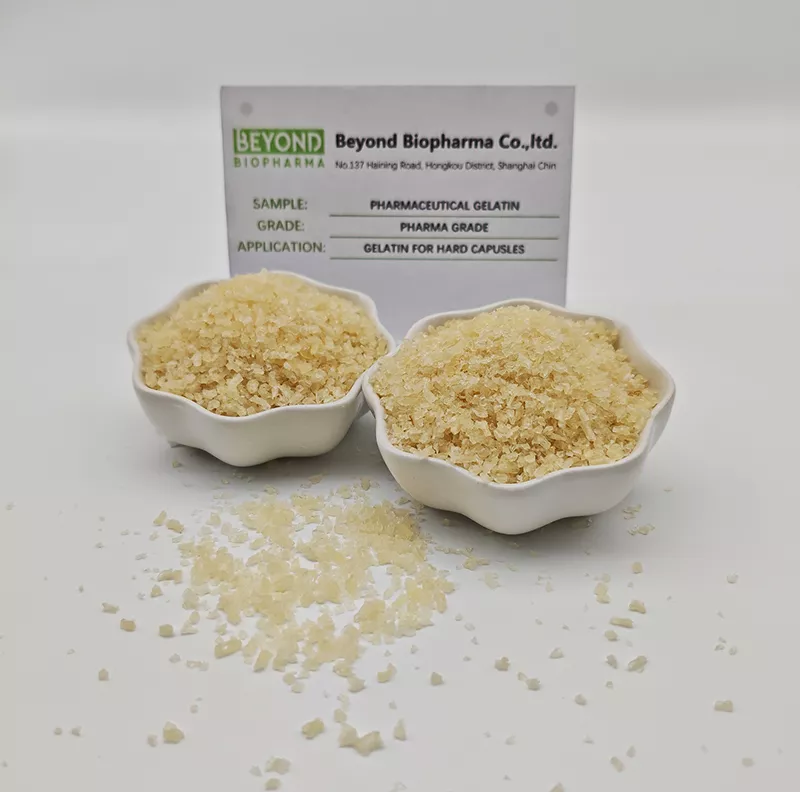
Precision, Purity, and Optimal Machinability

Stability, Swallowing Enhancement, and Controlled Release
Tel:+86 21 65010906
Cell/Whatsapp/Wechat:
+86 13482884055
+86 18657345785
Email: sales@beyondbiopharma.com