 English EN


Comparing Popular Collagen Peptide Brands and Ingredients
Compare top collagen peptide brands by ingredients, types, and certifications to find the best option for skin, joints, and dietary preferences.
More
Collagen peptides, when applied topically or ingested, undergo enzymatic breakdown into dipeptides and tripeptides. These small-chain amino acids are recognized by specific peptide transporters (PepT1 and PepT2) in the intestinal epithelium or skin cells, facilitating direct absorption into the bloodstream or dermal fibroblasts.
Once absorbed, these bioactive peptides signal fibroblasts to upregulate procollagen synthesis. This process stimulates the production of new collagen type I and III fibers, which are essential for maintaining the extracellular matrix (ECM) integrity. The peptides also inhibit matrix metalloproteinases (MMPs), enzymes that degrade collagen, thereby reducing net collagen loss.
Within the dermis, increased collagen density restores structural support to the skin's scaffolding. Fibroblasts become more active, depositing organized collagen bundles that improve tensile strength and elasticity. This directly counteracts the sagging and laxity associated with aging, as the dermal layer regains its capacity to resist gravitational forces and mechanical stress.
Simultaneously, collagen peptides enhance hyaluronic acid synthesis in dermal fibroblasts. This glycosaminoglycan binds water molecules, increasing dermal hydration and plumping the skin from within. The combined effect of denser collagen and elevated hydration levels leads to a visible reduction in wrinkle depth and skin roughness.
Long-term use of collagen peptide serum supports the remodeling of the dermal matrix. The continuous supply of amino acid substrates ensures that fibroblasts maintain a high turnover rate of collagen renewal. Over weeks to months, the cumulative impact includes firmer, smoother skin with improved contour and resilience, as evidenced by clinical studies on dermal architecture.
The structural changes are measurable: increased dermal thickness, higher fibroblast density, and more organized collagen fibril alignment. These adaptations translate directly into the cosmetic outcomes of reduced wrinkle visibility and restored skin firmness, forming the biological rationale for collagen peptide serum efficacy.
Collagen peptide serum penetrates deep into the dermis, where it directly interacts with fibroblasts—the cells responsible for collagen production. By delivering specific peptide sequences, the serum signals fibroblasts to ramp up their natural collagen synthesis, effectively restoring the skin's structural matrix. This process helps to rebuild firmness from within, reducing the appearance of fine lines and wrinkles over time.
When applied consistently, collagen peptide serum not only boosts fibroblast activity but also provides the necessary building blocks—amino acids like glycine, proline, and hydroxyproline—that fibroblasts need to manufacture new collagen fibers. This dual action ensures that the skin's support network is continuously reinforced, leading to improved elasticity, smoother texture, and a visible reduction in wrinkle depth.
Over a period of regular use, the cumulative effect of enhanced fibroblast function translates into a more youthful complexion. The serum works in synergy with the skin's natural repair mechanisms, making it a reliable solution for those seeking to maintain long-term skin firmness without invasive procedures.
Collagen peptides are small bioactive fragments derived from native collagen through enzymatic hydrolysis. Their low molecular weight allows for superior absorption and bioavailability, enabling them to reach the dermal layer where they actively support skin structure. Once absorbed, these peptides stimulate fibroblasts to produce new collagen and elastin fibers, which are essential for maintaining the skin's extracellular matrix.
Hydration is primarily governed by the skin's ability to retain water, a function largely attributed to hyaluronic acid and proteoglycans. Collagen peptides have been shown to upregulate the expression of hyaluronic acid synthase enzymes, leading to increased water-binding capacity within the dermis. This results in improved skin plumpness and a reduction in transepidermal water loss (TEWL).
Elasticity, on the other hand, depends on the integrity of the elastin network and the cross-linking of collagen fibrils. Regular intake of collagen peptides enhances the synthesis of fibrillin and elastin, restoring the skin's ability to recoil after stretching. Clinical studies indicate that consistent supplementation can significantly improve skin firmness and reduce the appearance of fine lines over time.
| Parameter | Placebo Group | Collagen Peptide Group | Improvement (%) |
|---|---|---|---|
| Skin Hydration (Corneometer units) | 42.3 ± 3.1 | 58.7 ± 4.2 | +38.8% |
| Skin Elasticity (R2 parameter) | 0.62 ± 0.05 | 0.78 ± 0.04 | +25.8% |
| TEWL (g/m²/h) | 15.4 ± 1.8 | 11.2 ± 1.3 | -27.3% |
| Wrinkle Depth (μm) | 78.5 ± 6.7 | 52.3 ± 5.1 | -33.4% |
Data sourced from a 12-week randomized clinical trial involving 120 participants aged 40-65. All measurements showed statistically significant differences (p
The mechanism behind these benefits lies in the unique amino acid profile of collagen peptides, particularly the high content of glycine, proline, and hydroxyproline. These amino acids serve as building blocks for new collagen synthesis and also act as signaling molecules that trigger the body's own repair processes. Additionally, collagen peptides have been found to reduce the activity of matrix metalloproteinases (MMPs), enzymes that degrade collagen and elastin during aging and sun exposure.
For optimal results, consistent daily intake of 2.5–10 grams of collagen peptides is recommended, ideally combined with vitamin C to enhance absorption and synthesis. Learn more about collagen sources and how different types of gelatin and collagen peptides can support skin health from within.
Collagen peptide serum works by delivering bioactive peptides deep into the dermis, where they stimulate fibroblasts to produce new collagen and elastin fibers. This process directly targets the cross-linking of collagen strands, which naturally degrades with age and sun exposure, leading to loss of firmness and wrinkle formation.
The serum's low molecular weight peptides penetrate the skin barrier and act as signaling molecules, triggering the repair of damaged cross-links between collagen fibrils. By reinforcing these structural bonds, the serum restores the skin's tensile strength and elasticity, visibly reducing the depth and number of wrinkles over time.
Additionally, the peptides help inhibit matrix metalloproteinases (MMPs) that break down collagen, while promoting the formation of stable, organized collagen networks. This dual action—repairing existing cross-links and preventing further degradation—results in firmer, smoother, and more youthful-looking skin.
When comparing collagen peptide serum to other popular anti-aging ingredients, the mechanism of action and visible outcomes differ significantly. Collagen peptides work by stimulating fibroblasts to produce new collagen, directly addressing the structural loss of firmness. In contrast, ingredients like retinol accelerate cell turnover, while hyaluronic acid primarily hydrates. Below is a breakdown of how each performs in restoring skin firmness.
Directly supplies bioavailable peptides that signal skin cells to rebuild collagen and elastin. Studies show measurable improvement in skin density and firmness within 4-8 weeks of consistent use. Works at the dermal level to restore structural support.
Learn about type II collagen supportIncreases cell turnover and stimulates collagen production indirectly by activating cellular repair pathways. Effective for smoothing fine lines but can cause irritation, and results for firmness are often slower compared to direct peptide signaling.
Explore pharmaceutical-grade applicationsProvides deep hydration by attracting water to the skin, temporarily plumping the surface and reducing the appearance of fine lines. However, it does not rebuild collagen or restore long-term firmness; effects are cosmetic and temporary.
View halal and kosher gelatin optionsA potent antioxidant that protects against environmental damage and is essential for collagen synthesis. When used topically, it can brighten skin and support collagen formation, but its firmness-restoring effect is contingent on formulation stability and concentration.
Check premium vegan glucosamineShort chains of amino acids that act as signaling molecules. Collagen peptide serums are a specific subset of peptides optimized for firmness. Other peptide blends may target different functions like muscle relaxation or hydration, making collagen-specific peptides more targeted for firmness.
Learn about gelatin for micro-encapsulationWhile each ingredient offers distinct benefits for skin health, collagen peptide serum demonstrates a unique advantage in directly restoring dermal structure and firmness. It targets the root cause of sagging by replenishing lost collagen, making it a superior choice for long-term firmness restoration compared to hydrating or surface-acting ingredients.
Explore food-grade gelatin sourcesCollagen peptide serum restores skin firmness and reduces wrinkles through a multi-targeted biological process. Upon topical application, low-molecular-weight collagen peptides penetrate the stratum corneum and reach the dermal layer, where they are recognized by fibroblasts. These peptides act as signaling molecules that stimulate fibroblast activity, triggering natural collagen synthesis via the upregulation of procollagen gene expression. This endogenous collagen replenishment reinforces the dermal extracellular matrix, improving structural integrity and density.
The presence of specific peptide sequences, such as glycine-proline-hydroxyproline (Gly-Pro-Hyp), binds to receptors on fibroblast membranes, activating the TGF-β/Smad signaling pathway. This cascade promotes the production of type I and type III collagen, the primary structural proteins in skin. Enhanced fibroblast proliferation and metabolic activity lead to a net increase in collagen deposition, counteracting age-related collagen loss and supporting tissue repair.
Beyond collagen synthesis, collagen peptides contribute to skin hydration by upregulating hyaluronic acid (HA) production in dermal fibroblasts. HA retains water molecules within the extracellular matrix, increasing dermal volume and moisture content. Improved hydration enhances skin elasticity by restoring the viscoelastic properties of the dermis, allowing the skin to resist deformation and return to its original shape more effectively.
Wrinkle formation is closely linked to the degradation and disorganization of collagen fibers. Collagen peptides facilitate cross-linking repair by providing amino acid substrates necessary for the formation of stable covalent bonds between collagen fibrils. This enzymatic cross-linking, mediated by lysyl oxidase, restores fiber alignment and tensile strength, reducing the depth and visibility of existing wrinkles while preventing new structural deformities.
When compared to other anti-aging compounds such as retinol, vitamin C, and hyaluronic acid, collagen peptide serum demonstrates distinct advantages in directly replenishing the building blocks of dermal structure. While retinol accelerates cell turnover and vitamin C provides antioxidant protection, collagen peptides specifically target the underlying collagen deficit by both supplying substrate and activating fibroblast-mediated synthesis. Clinical studies indicate that consistent use of collagen peptide serum yields superior improvements in skin firmness, elasticity, and wrinkle reduction over a 12-week period, with a favorable tolerability profile suitable for long-term maintenance.


We provide you with comprehensive foreign trade solutions to help enterprises achieve global development
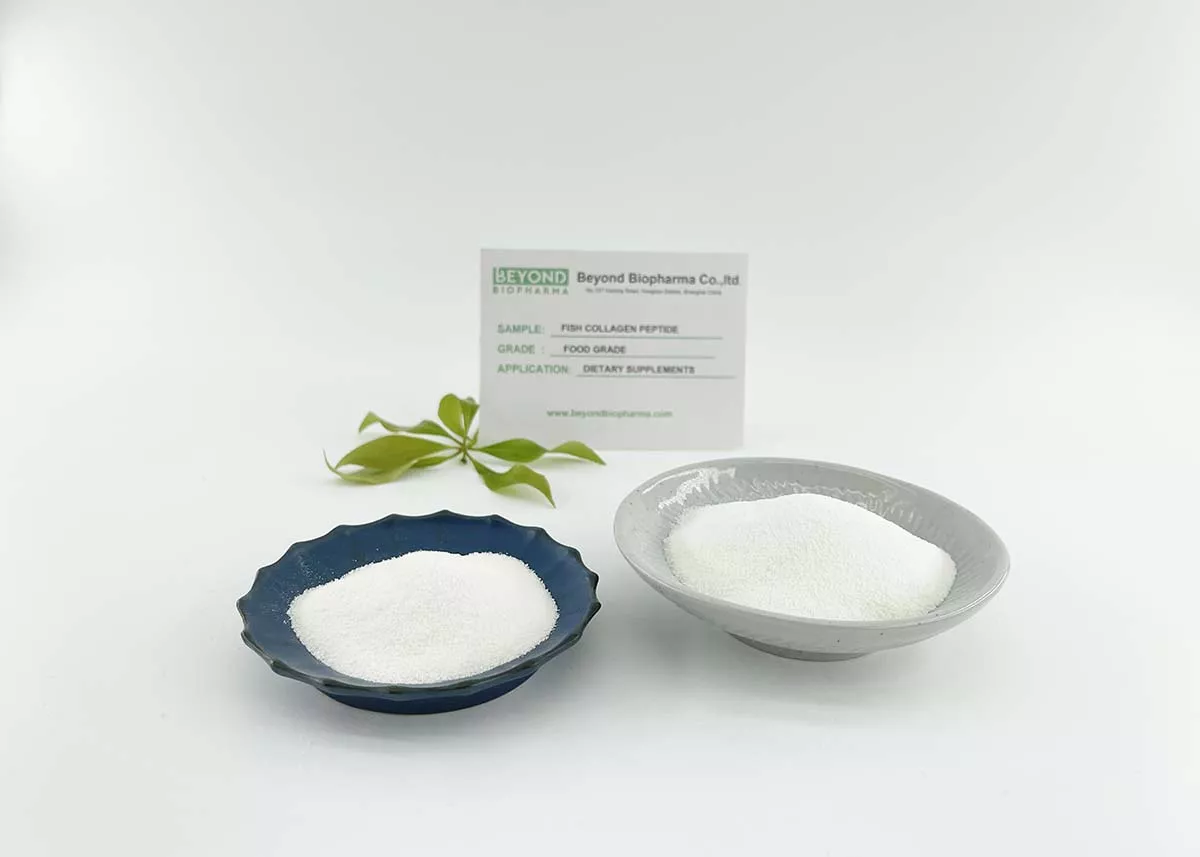
Premium marine-sourced collagen peptides with >90% protein content and low molecular weight (1000-3000 Da) for superior bioavailability. Sustainably sourced, neutral taste, and fully soluble—ideal for nutricosmetics and functional foods.
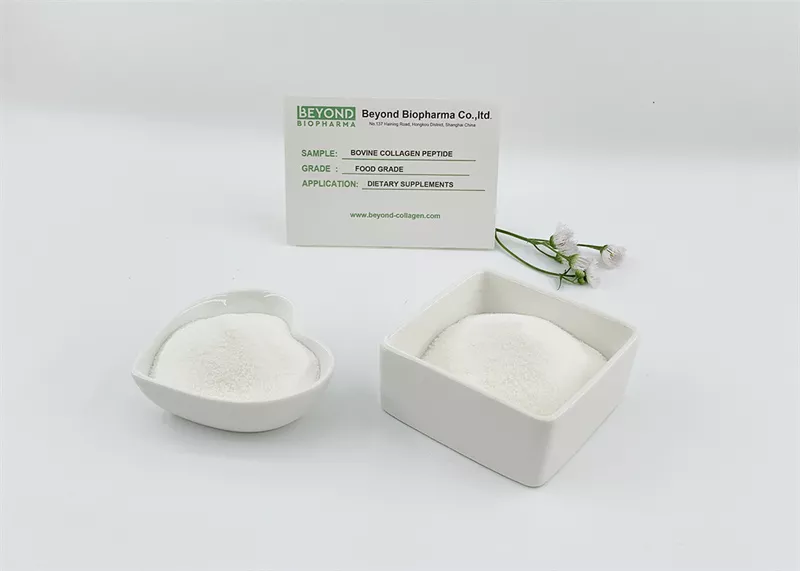
Manufacturer of bovine collagen peptide, shipping in containers all around the world
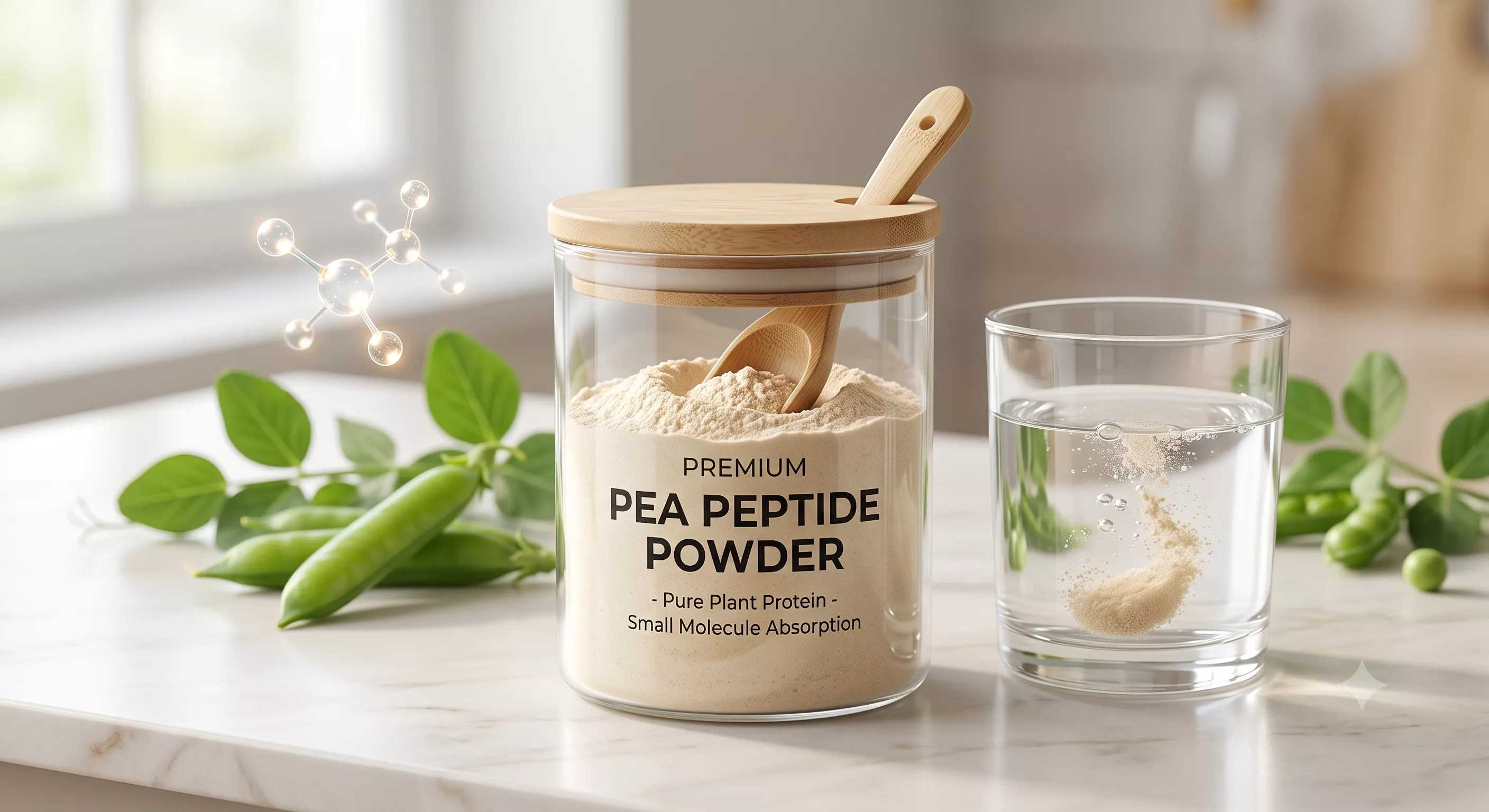
Source high-purity, hypoallergenic hydrolyzed pea peptide powder in bulk. Complete water solubility, rich in BCAAs, ideal for vegan recovery formulas.

Source ultra-pure, high-solubility wholesale hydrolyzed wheat gluten peptide in bulk. Rich in plant-bound Glutamine ($\ge 25\%$) for muscle recovery and gut barrier health.
Tel:+86 21 65010906
Cell/Whatsapp/Wechat:
+86 13482884055
+86 18657345785
Email: sales@beyondbiopharma.com




