How Collagen Peptide and Hyaluronic Acid Work Together
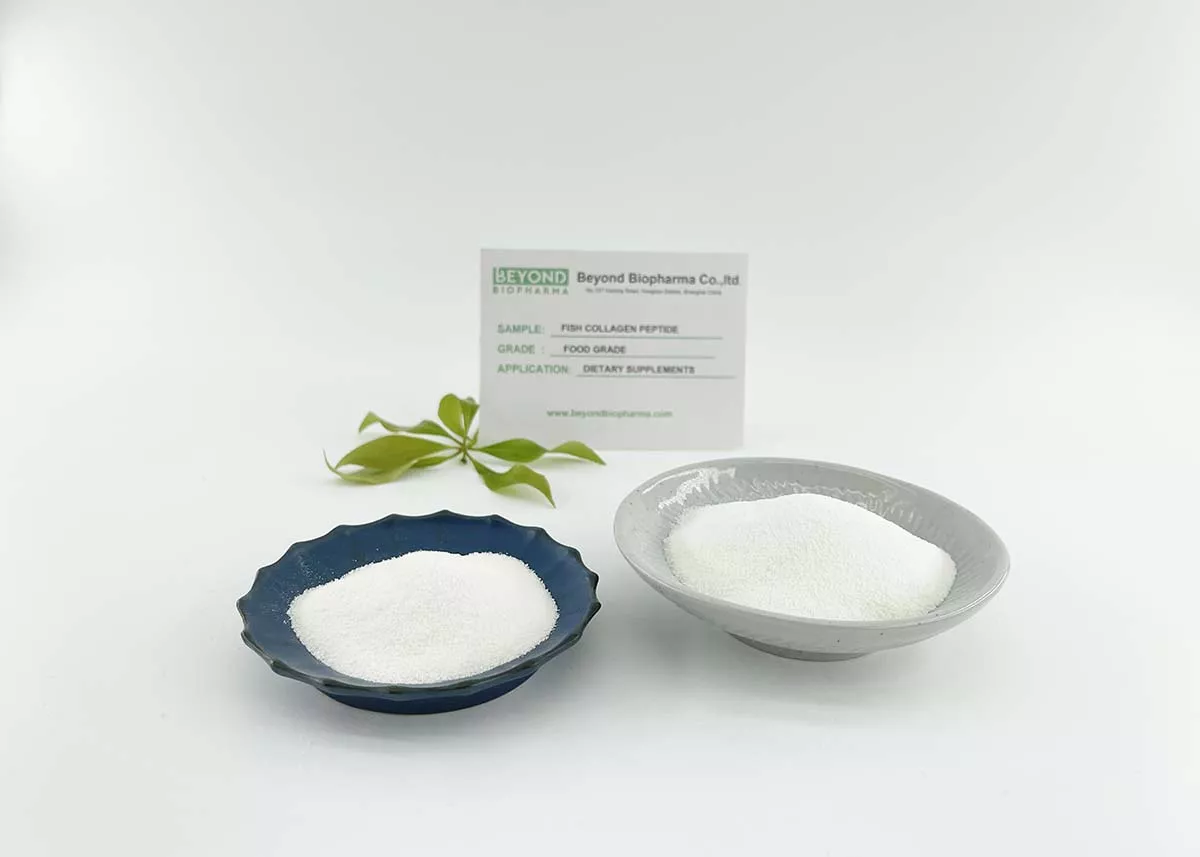
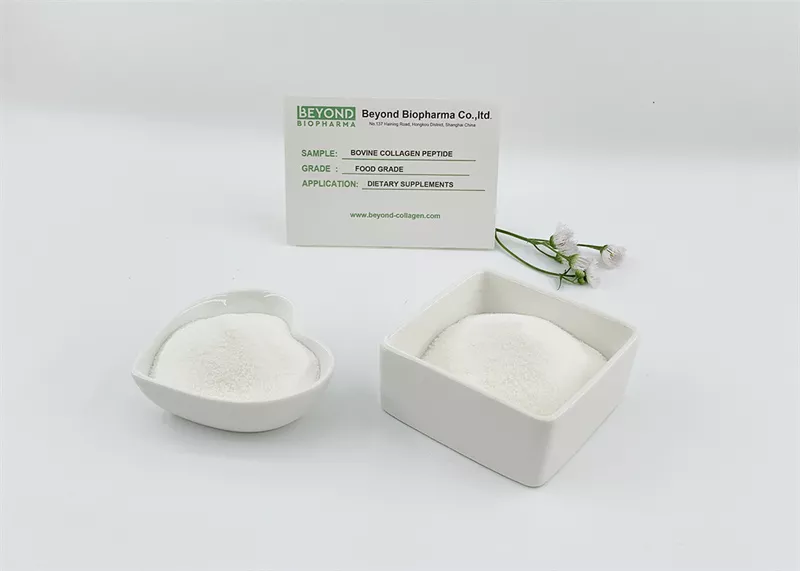
Collagen peptides are short chains of amino acids derived from hydrolyzed collagen, typically sourced from bovine or marine origins. When consumed, they are absorbed into the bloodstream and stimulate fibroblasts to produce new collagen in the dermis. Hyaluronic acid, a naturally occurring glycosaminoglycan, acts as a moisture magnet, holding up to 1000 times its weight in water. Together, they create a dual-action approach: collagen rebuilds the structural framework of the skin, while hyaluronic acid plumps and hydrates the tissue from within.
Research shows that daily intake of 2.5 to 10 grams of collagen peptides can significantly improve skin elasticity and density after 8 to 12 weeks. When paired with 120 to 200 mg of hyaluronic acid, users often report visible reductions in crow's feet and nasolabial folds. This combination also supports joint lubrication, as both compounds are key components of synovial fluid.
Key Benefits for Skin Health
Deep Hydration: Hyaluronic acid draws moisture into the skin's extracellular matrix, reducing transepidermal water loss. Clinical studies indicate that topical and oral hyaluronic acid can increase skin hydration levels by up to 30% within 4 weeks.
Wrinkle Reduction: Collagen peptides stimulate the production of type I and type III collagen, which are essential for maintaining skin firmness. In a 12-week trial, participants taking 5 grams of collagen peptides daily saw a 20% decrease in wrinkle depth around the eyes.
Improved Elasticity: The combination helps restore the skin's ability to snap back after stretching. A 2022 study found that a supplement containing both collagen and hyaluronic acid improved skin elasticity by 15% compared to a placebo group.
Scar and Texture Support: By promoting collagen remodeling, this duo can help improve the appearance of acne scars and uneven skin texture over time.
Scientific Evidence and Real-World Results
Multiple peer-reviewed studies support the efficacy of oral collagen and hyaluronic acid. For example, a double-blind, placebo-controlled trial published in the Journal of Cosmetic Dermatology showed that women aged 35 to 55 who took a collagen-hyaluronic acid blend for 8 weeks experienced a 25% improvement in skin moisture and a 30% reduction in wrinkle volume. Another study from Nutrients journal highlighted that hyaluronic acid supplementation improved skin roughness and scaling in dry skin conditions.
It is important to note that results depend on the quality and bioavailability of the ingredients. Hydrolyzed collagen with a low molecular weight (2000 to 5000 daltons) is more easily absorbed, while hyaluronic acid with a molecular weight between 50 and 800 kDa offers balanced penetration and surface hydration.
How to Incorporate into Your Routine
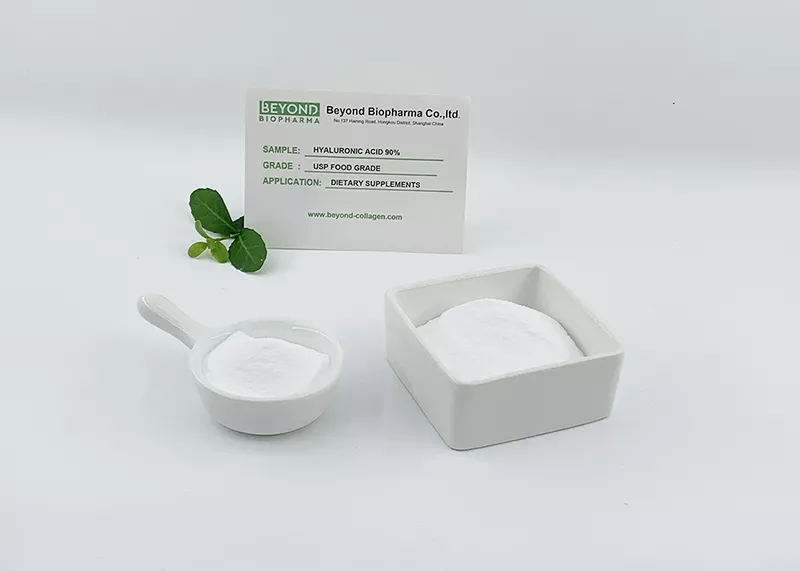
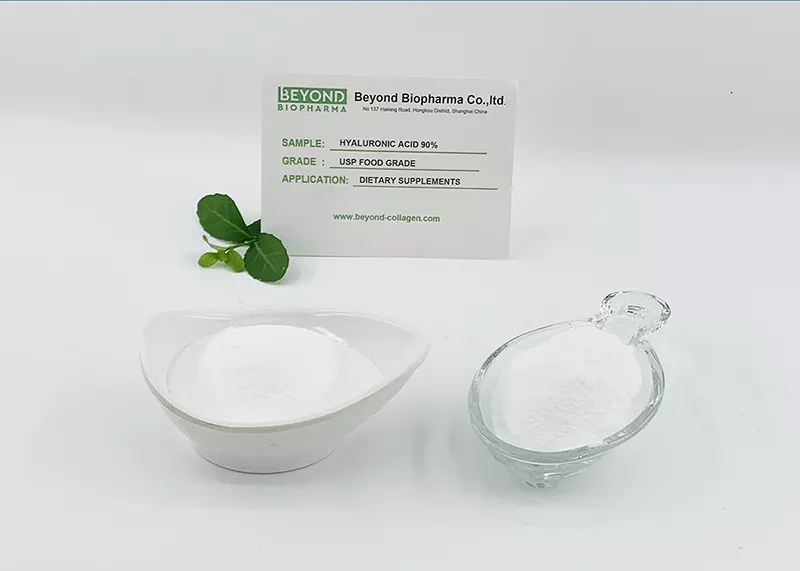
For optimal results, look for supplements that combine soybean oligopeptide powder or marine collagen with food grade hyaluronic acid HA powder. These forms are widely used in clinical studies and offer consistent potency. Typically, a daily dose of 5 to 10 grams of collagen peptides and 100 to 200 mg of hyaluronic acid is recommended. Mixing the powder into water, coffee, or smoothies makes it easy to stick with the routine.
Consistency is key. Most users notice initial improvements in skin hydration within 2 to 4 weeks, with more pronounced changes in firmness and wrinkle depth after 8 to 12 weeks. Pairing supplementation with a balanced diet rich in vitamin C and zinc can further support collagen synthesis.
Safety and Considerations
Both collagen peptides and hyaluronic acid are generally recognized as safe (GRAS) by the FDA. Common side effects are rare but may include mild digestive discomfort or bloating, especially when starting higher doses. Individuals with allergies to fish or bovine products should choose a source that matches their dietary needs. Pregnant or nursing women should consult a healthcare professional before beginning any new supplement.
It is also worth noting that topical products containing hyaluronic acid can complement oral supplements, but they work on different layers of the skin. Oral intake addresses the deeper dermal layers, while topical application hydrates the outer epidermis.
Final Thoughts
The combination of collagen peptides and hyaluronic acid offers a practical, evidence-based approach to supporting skin health from the inside out. Whether you are looking to reduce fine lines, boost hydration, or maintain a youthful complexion, this duo delivers measurable benefits backed by clinical research. By choosing high-quality ingredients and staying consistent with your intake, you can support your skin's natural renewal process effectively.

 English EN