Understanding Hydrolysed Fish Collagen: Absorption, Purity, and Everyday Use
Hydrolysed fish collagen is a fast-absorbing, low-molecular-weight protein ingredient derived from fish skin and scales. For overseas buyers—purchasing managers, R&D teams, and QA professionals—common sourcing pain points include batch consistency, fishy odor, solubility in cold water, and navigating certification barriers such as Halal, Kosher, or allergen-free requirements. This article breaks down how it works, typical specs, practical applications, and how to select a reliable supplier.
What Is Hydrolysed Fish Collagen and How Is It Produced?
Hydrolysed fish collagen is produced through enzymatic hydrolysis of raw fish collagen (typically from tilapia, cod, or salmon skin and scales). This process breaks down large collagen molecules into smaller peptides, typically with a molecular weight ranging from 2,000 to 5,000 Daltons. The result is a water-soluble, odor-neutral powder that dissolves easily in cold or hot liquids without forming a gel. Unlike gelatin, which requires heating to set, hydrolysed fish collagen remains soluble and is designed for rapid absorption in the human body. The production process involves strict temperature and pH control to preserve peptide bioactivity and ensure a clean, consistent final product.
Why Does Molecular Weight Matter for Absorption and Bioavailability?
Molecular weight directly impacts how quickly and efficiently the body absorbs collagen peptides. Fish collagen peptides typically have a lower average molecular weight (around 2,000–3,000 Da) compared to bovine or porcine sources, which often fall in the 3,000–5,000 Da range. Smaller peptides can pass through the intestinal barrier more easily and enter the bloodstream faster. This makes hydrolysed fish collagen a preferred choice for nutraceutical applications targeting skin elasticity, joint health, and post-exercise recovery. When evaluating suppliers, always request a Certificate of Analysis (COA) to confirm the molecular weight distribution and ensure batch-to-batch consistency.
What Are the Typical Specifications for Hydrolysed Fish Collagen?
Below is a table of common parameter ranges for hydrolysed fish collagen. Note that these are typical industry ranges; final values should always be verified per the supplier’s COA and sample.
| Parameter |
Typical Range |
Notes |
| Protein Content |
≥ 90% |
High purity, low ash |
| Molecular Weight |
2,000 – 5,000 Da |
Fish collagen typically lower end |
| Solubility |
Cold water soluble |
No gel formation, clear solution |
| Moisture |
≤ 8% |
Low moisture for stability |
| Odor & Taste |
Neutral, low fishy note |
Quality marker for good processing |
| Heavy Metals |
Compliant with USP/EP |
In-house lab testing standard |
Typical industry range; final values per COA / sample.
How to Select Hydrolysed Fish Collagen for Different Applications?
Choosing the right grade depends on your end product. Here is a quick selection guide:
- Food & Beverage: Use food-grade hydrolysed fish collagen with neutral taste and high cold-water solubility. Ideal for protein waters, ready-to-drink shakes, and gummies. Compatible with products from suppliers like Rousselot or Gelita.
- Nutraceutical / Beauty-from-Within: Opt for low-molecular-weight fish collagen tripeptide (around 2,000 Da) for faster absorption. Often used in capsules, sachets, and beauty drinks. An alternative to branded ingredients like Peptan or Naticol.
- Sports Nutrition: Look for high protein content (≥ 90%) and low odor. Works well in post-workout recovery blends and joint health formulas. Comparable to Fortigel or Verisol.
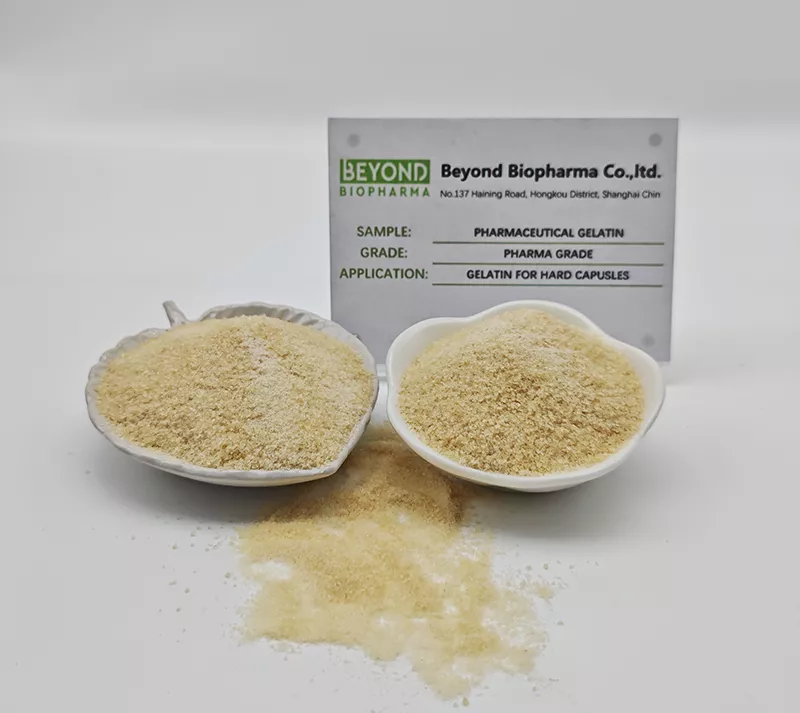
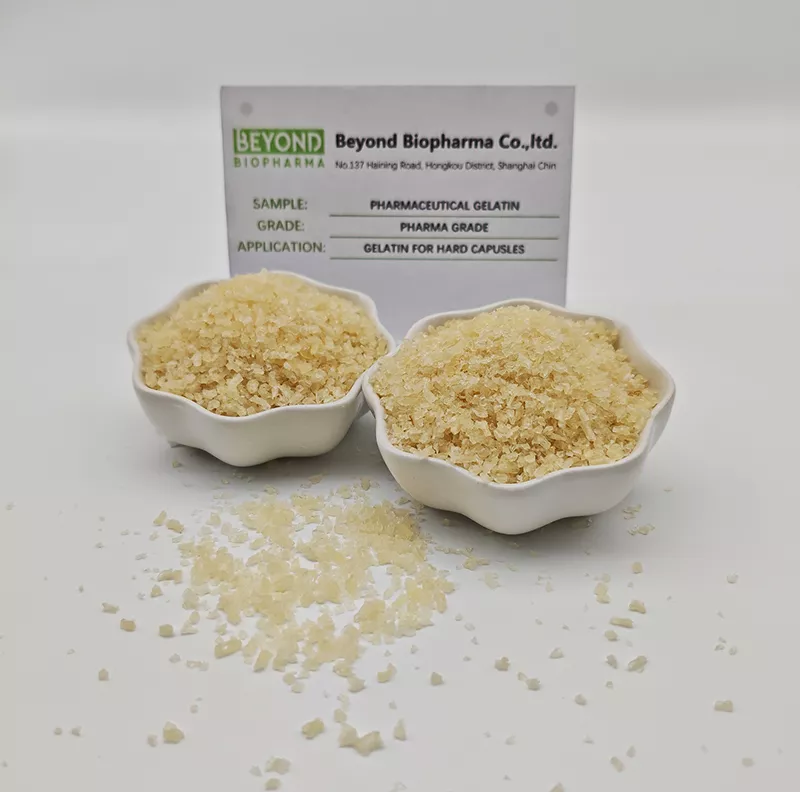
- Pharmaceutical / Medical: Choose pharmaceutical-grade with strict heavy-metal controls and BSE-free certification. Used in hard capsules or as an excipient. Ensure the supplier offers full documentation and stability data.
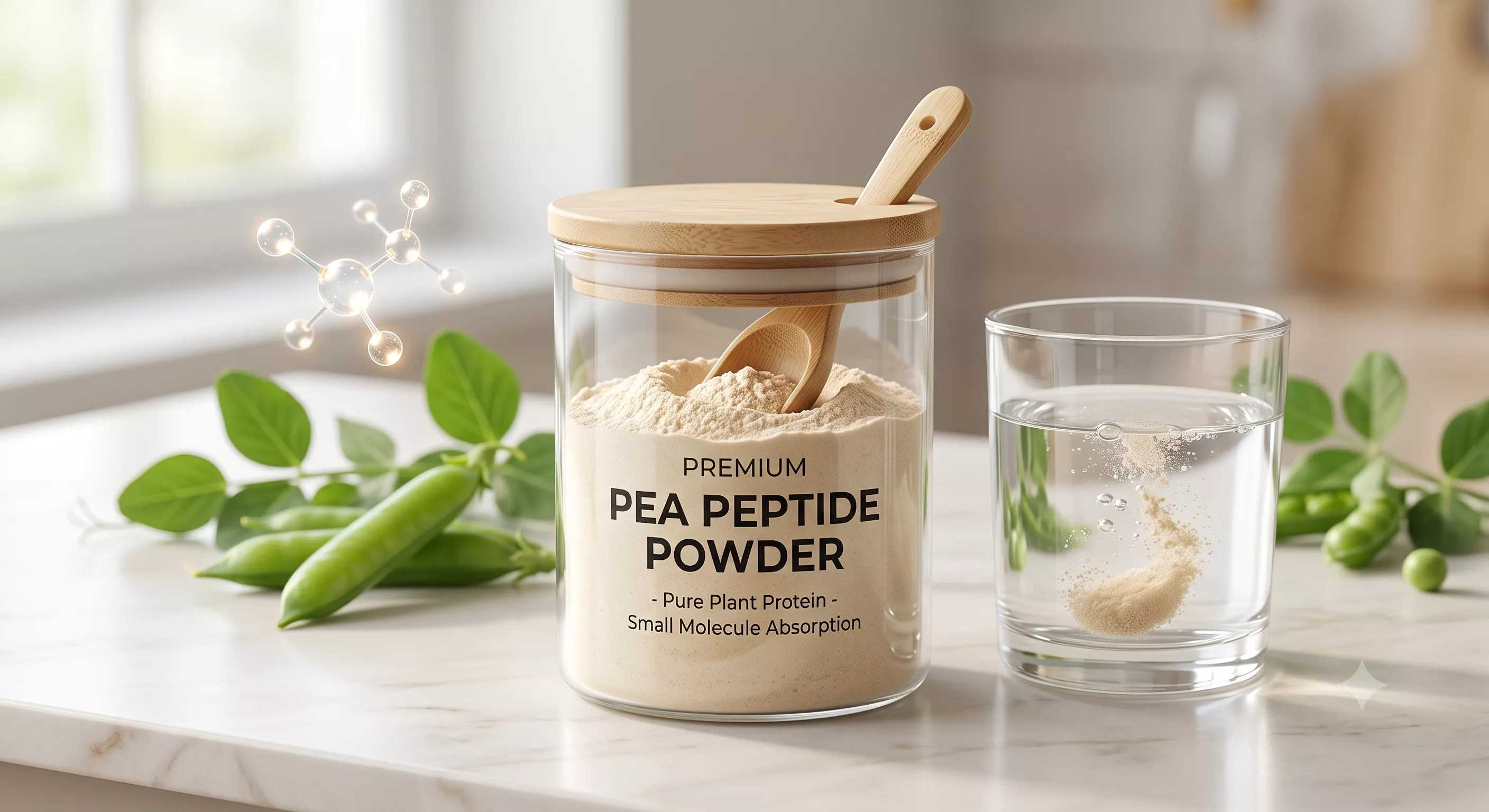
- Plant-Based & Vegan Formulations: While fish collagen is not vegan, you can explore Plant Protein Peptide alternatives such as pea or rice protein hydrolysates for allergen-free, vegan-friendly products.
Why Choose Beyond Biopharma for Hydrolysed Fish Collagen?
Beyond Biopharma is a Shanghai-based manufacturer with over 10 years of experience in the food-ingredient industry. Our products are exported to more than 50 countries. We operate a fully automatic production line with GMP clean workshops, stainless-steel sealed piping, and automated temperature and pH control. Our annual capacity reaches approximately 3,000 MT for collagen and 5,000 MT for gelatin. We hold ISO 9001, US FDA registration, and select products carry Halal and Kosher certifications. Our bovine bone gelatin is BSE-free. An in-house lab conducts heavy-metal and microbiological testing, supported by a dedicated QA/QC team. We offer three grades—food, pharmaceutical, and cosmetic—and provide free samples along with formulation and selection support. For buyers seeking a reliable alternative to mainstream suppliers like Weishardt or PB Leiner, Beyond Biopharma delivers consistent quality and flexible bulk supply.
Frequently Asked Questions About Hydrolysed Fish Collagen
1. Is hydrolysed fish collagen safe for people with fish allergies?
No. Hydrolysed fish collagen is derived from fish and contains fish protein. It is not suitable for individuals with a known fish allergy. Always label your final product accordingly.
2. How does hydrolysed fish collagen compare to bovine collagen peptide?
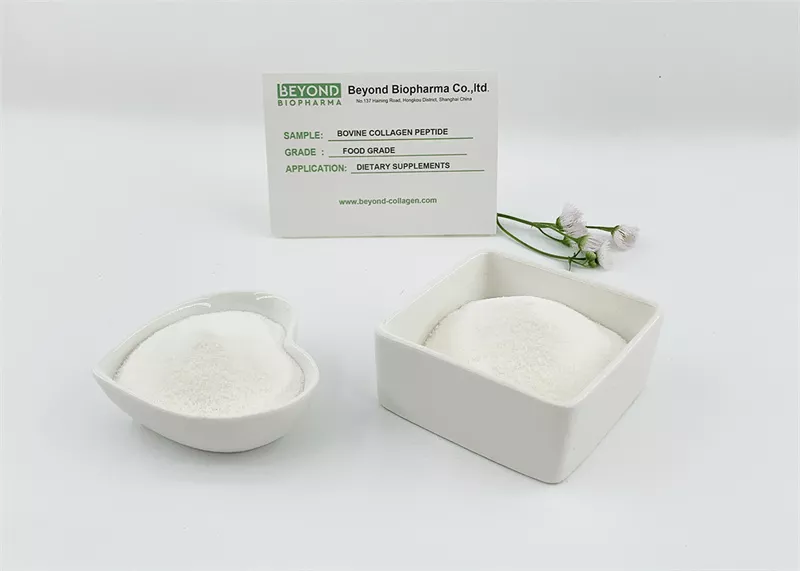
Fish collagen typically has a lower molecular weight, leading to faster absorption. It also has a neutral taste and is often preferred for cold-water applications. Bovine collagen, on the other hand, may offer higher gel strength for specific uses. Both are available from Beyond Biopharma.
3. What certifications should I look for when sourcing fish collagen?
Key certifications include ISO 9001, FDA registration, Halal, and Kosher. For pharmaceutical use, ensure the supplier provides a BSE-free certificate and full heavy-metal testing reports.
4. Can hydrolysed fish collagen be used in vegan products?
No, because it is animal-derived. For vegan formulations, consider plant-based alternatives such as Bovine Collagen Peptide or plant protein peptides from pea or rice.
5. How do I test the quality of a fish collagen sample?
Check for solubility in cold water (should dissolve clear), odor (should be neutral), and protein content (≥ 90%). Request a COA for molecular weight distribution and heavy-metal results. A sensory panel can also help detect any fishy aftertaste.
6. What is the typical shelf life of hydrolysed fish collagen?
When stored in a cool, dry place away from direct sunlight, hydrolysed fish collagen typically has a shelf life of 24 to 36 months. Always follow the manufacturer’s storage recommendations.
Request a Quote and Free Sample for Your Application
Hydrolysed fish collagen is a versatile ingredient that can enhance your product line, whether you are developing functional foods, nutraceuticals, or pharmaceutical formulations. To get started, please provide the following details to Beyond Biopharma:
- Your specific application (food, nutraceutical, pharmaceutical, cosmetic)
- Required grade (food, pharmaceutical, or cosmetic)
- Estimated quantity and minimum order quantity (MOQ)
- Target specifications (molecular weight, solubility, mesh size, certifications)
- Destination country for shipping
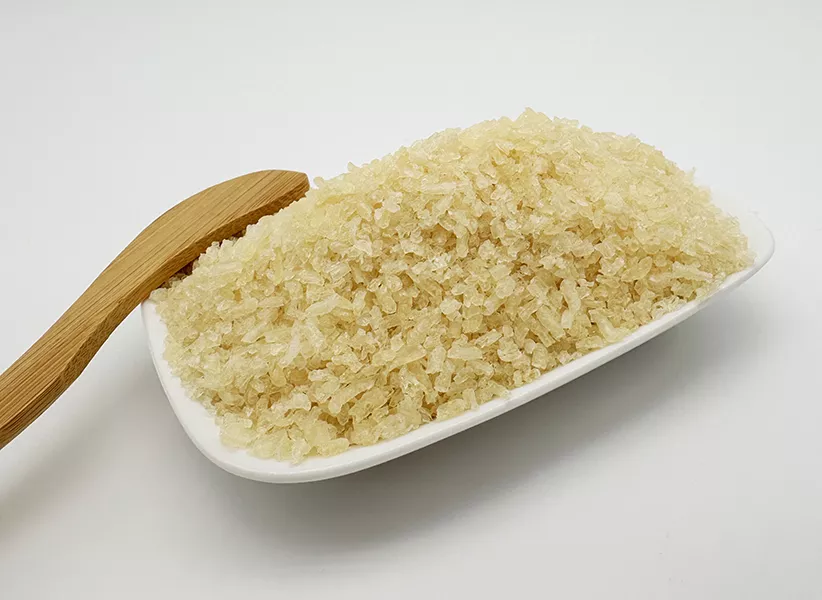
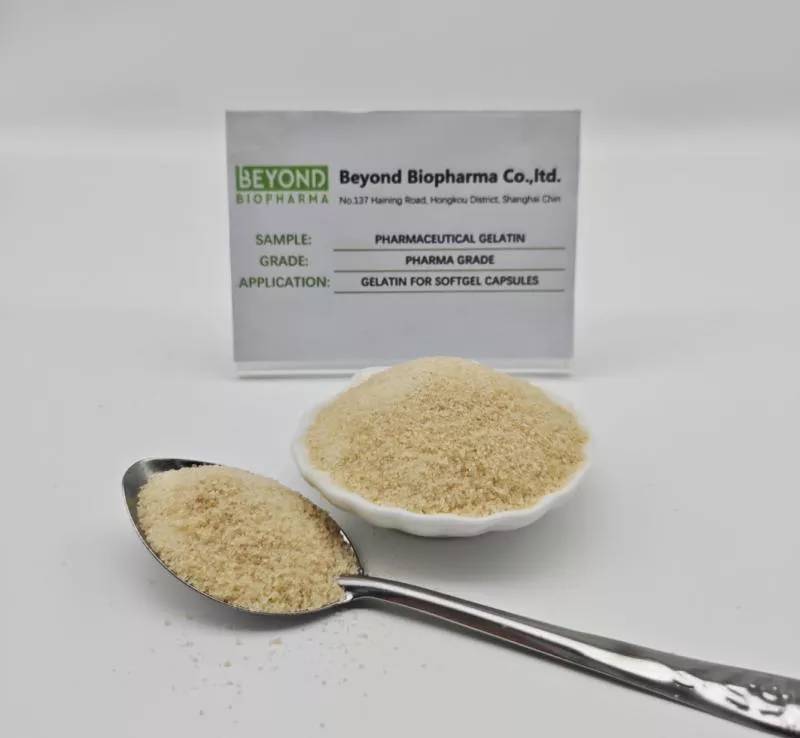
We will send you free samples and a competitive quote tailored to your needs. Our team also offers formulation and selection support to help you choose the right ingredient—whether it is Fish Collagen Peptide, Pharmaceutical Gelatin, or Edible Gelatin. Contact Beyond Biopharma today to discuss your hydrolysed fish collagen requirements.

 English EN








User Comments
Service Experience Sharing from Real Customers
Megan
Registered DietitianI’ve been recommending hydrolysed fish collagen to my clients for joint recovery, but I finally decided to try it myself after a knee injury. Honestly, the difference in my mobility after just three weeks is wild. No weird aftertaste, mixes clean into my morning tea. This is the real deal for anyone who’s active but getting older.
Leo
Freelance Graphic DesignerI bought this on a whim because my nails were splitting like crazy from stress. Not gonna lie, I was skeptical, but after a month my nails feel harder and my skin looks less tired. Only gave 4 stars because the powder clumps a bit if you don't stir fast enough. Still, totally worth it for the price.
Carla
High School Biology TeacherStarted taking this for my gut health and joint stiffness after standing all day in class. I don’t usually write reviews, but my colleagues keep asking what I’ve changed. My hair is shinier, my knees don’t crack when I squat, and my digestion is way smoother. It’s been a game-changer for my daily energy.
Tomás
Construction Project ManagerMy wife bought this for me because I have chronic shoulder pain from old sports injuries. I’ve been taking it for about 6 weeks now. I do feel a slight improvement in recovery after long days on site, but nothing miraculous. The taste is neutral, which I appreciate. Might keep taking it, but I’m not fully convinced yet.