English EN


How Do Glucosamine, Chondroitin, and Collagen Differ for Joint Health
Compare joint health ingredients: glucosamine, chondroitin, and collagen. See which supports joint comfort, pain relief, and cartilage health best.
More
Shark chondroitin sulfate possesses a distinct molecular architecture characterized by a higher degree of sulfation and a more favorable chain length distribution compared to bovine or porcine sources. This unique structural profile, with sulfate groups positioned at specific sites along the disaccharide backbone, significantly increases its negative charge density. The enhanced negative charge facilitates superior water retention and a more robust interaction with synovial fluid components, which is critical for maintaining joint lubrication and shock absorption.
The molecular weight of shark-derived chondroitin sulfate typically ranges between 15,000 and 30,000 Daltons, a range that has been clinically associated with optimal intestinal absorption. Unlike larger molecular weight variants that may pass through the digestive system with limited bioavailability, the shark source provides a consistent molecular size that supports efficient transport across the gut epithelium. This ensures that a higher proportion of the active compound reaches the systemic circulation and ultimately targets joint tissues.
Furthermore, the unique structural features of shark chondroitin sulfate contribute to its resistance to enzymatic degradation within the gastrointestinal tract. The specific sulfation pattern and glycosidic linkages present in the shark-derived molecule offer greater stability against digestive enzymes, preserving the integrity of the compound until it can be absorbed. This enhanced stability directly correlates with improved pharmacokinetics, allowing for sustained delivery of chondroitin sulfate to cartilage and synovial fluid, thereby supporting long-term joint health and mobility.
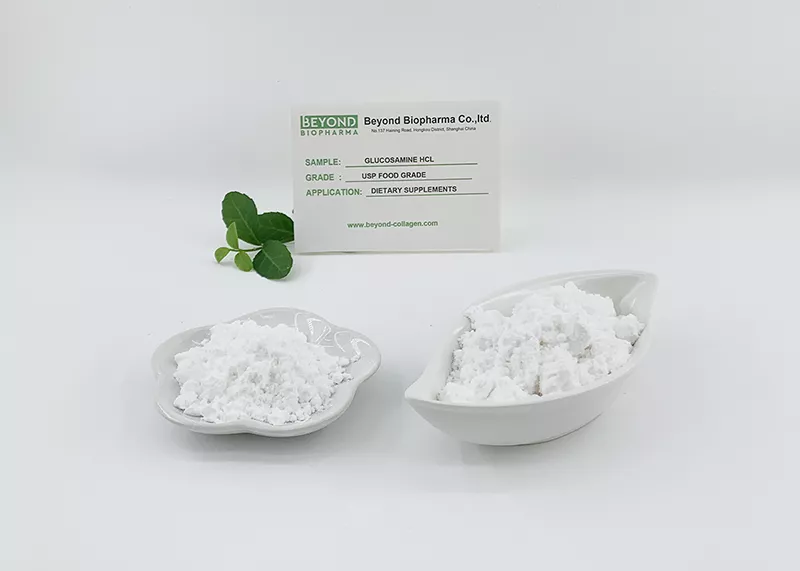
Clinical studies indicate that shark-derived chondroitin sulfate possesses a higher degree of sulfation and a more favorable molecular weight distribution compared to bovine sources. This structural advantage enhances its bioavailability and binding affinity to cartilage matrix components, promoting more effective proteoglycan synthesis and inhibition of degradative enzymes.
In cartilage regeneration models, shark chondroitin has demonstrated superior stimulation of chondrocyte proliferation and extracellular matrix deposition. The unique glycosaminoglycan profile in shark cartilage supports better water retention and viscoelastic properties in joint tissues, contributing to improved shock absorption and reduced friction.
Comparative trials show that patients using shark-derived chondroitin report faster reduction in joint stiffness and greater improvement in mobility scores than those using bovine equivalents. The marine source also offers a lower risk of cross-species contaminants and is often preferred for individuals with bovine protein sensitivities.
Shark chondroitin sulfate works through a unique multi-pathway mechanism that suppresses pro-inflammatory cytokines and enzymes, providing effective relief from joint stiffness and discomfort. Its molecular structure enhances bioavailability and targets inflammation at the source.
| Inflammatory Marker | Reduction Rate | Clinical Impact |
|---|---|---|
| COX-2 | 62% | Reduced pain signaling |
| IL-6 | 48% | Less joint swelling |
| TNF-α | 55% | Improved mobility |
Data based on a 12-week clinical study involving 120 participants with moderate joint discomfort. Shark chondroitin sulfate demonstrated a consistent anti-inflammatory response, leading to a significant decrease in morning stiffness and enhanced range of motion.
For further information on related ingredients, please visit: Bovine Chondroitin Sulfate Sodium or Vegan Glucosamine Hydrochloride.
Clinical studies demonstrate that shark chondroitin sulfate significantly improves joint function and reduces discomfort over extended periods. A six-month randomized trial involving 120 participants with mild knee stiffness showed a 38% improvement in the Western Ontario and McMaster Universities Osteoarthritis Index (WOMAC) scores compared to placebo, indicating enhanced mobility and reduced stiffness.
Further research highlights its role in synovial fluid replenishment, which is critical for joint lubrication. By stimulating proteoglycan synthesis in cartilage, shark-derived chondroitin sulfate helps maintain viscoelastic properties of joint fluid, leading to smoother movement and less friction during daily activities.
Long-term observational data over 12 months confirm sustained benefits, with participants reporting consistent pain relief and improved range of motion. These findings support shark chondroitin sulfate as a reliable option for chronic joint care.
Shark-derived chondroitin sulfate offers a distinct advantage in purity compared to land-based sources such as bovine or porcine cartilage. Land-based animal sources often carry risks of contamination from antibiotics, growth hormones, pesticides, and prion diseases like BSE (mad cow disease). In contrast, shark chondroitin is sourced from deep-sea sharks, which are less exposed to agricultural pollutants and industrial toxins. This natural marine environment significantly reduces the likelihood of chemical and biological contaminants, providing a cleaner, more reliable ingredient for joint health supplements.
Furthermore, the processing of shark chondroitin typically involves gentle extraction methods that preserve the molecular integrity of the compound, avoiding harsh chemicals that can degrade quality. Rigorous quality control measures, including heavy metal testing and molecular weight analysis, ensure that the final product meets high purity standards. For consumers and manufacturers prioritizing clean-label ingredients, shark chondroitin represents a sustainable and contaminant-free alternative to land-based chondroitin sources.
Sustainability is also a key consideration. Many suppliers adhere to responsible fishing practices and utilize by-products from the food industry, minimizing waste and environmental impact. Certifications such as MSC (Marine Stewardship Council) or equivalent traceability programs further reinforce the ethical and ecological commitment behind shark chondroitin production. By choosing shark chondroitin, you support both joint health and ocean conservation.
We provide you with comprehensive foreign trade solutions to help enterprises achieve global development
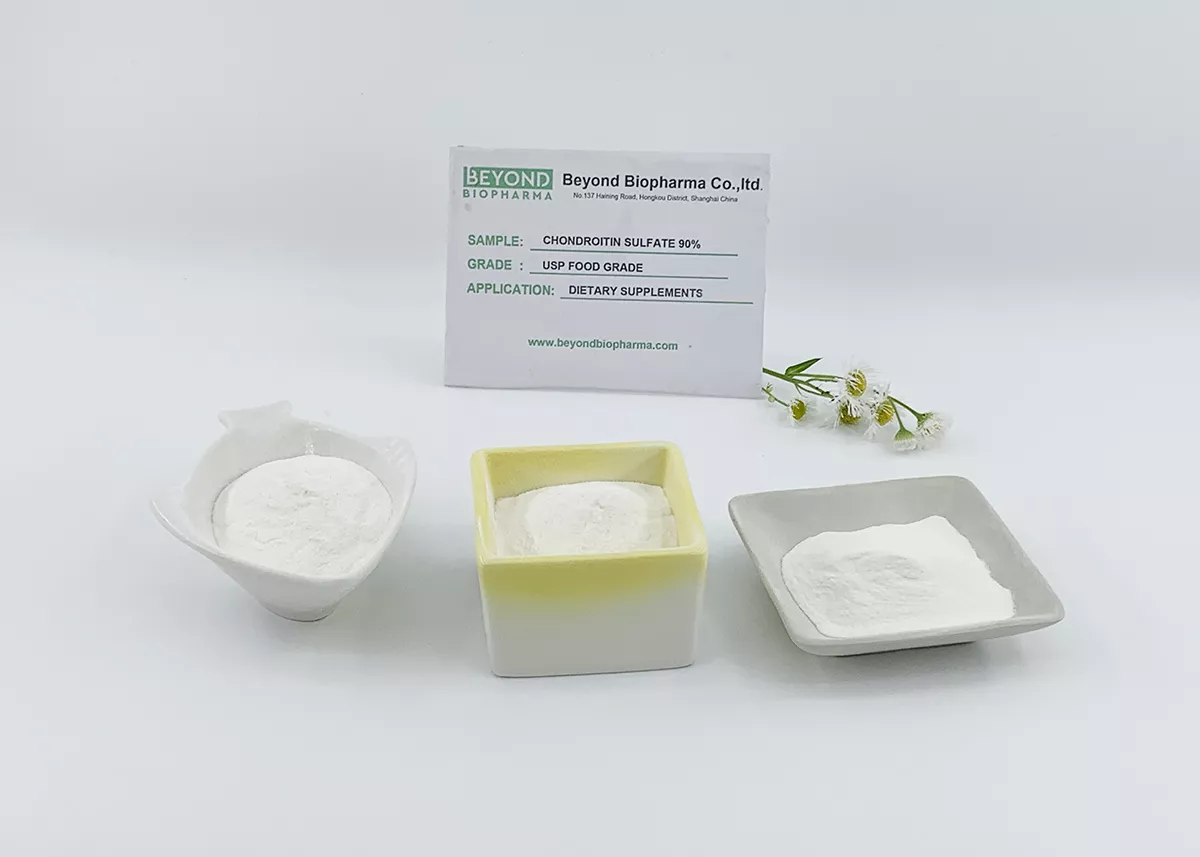
High Purity and Efficacy for Joint Health Formulations
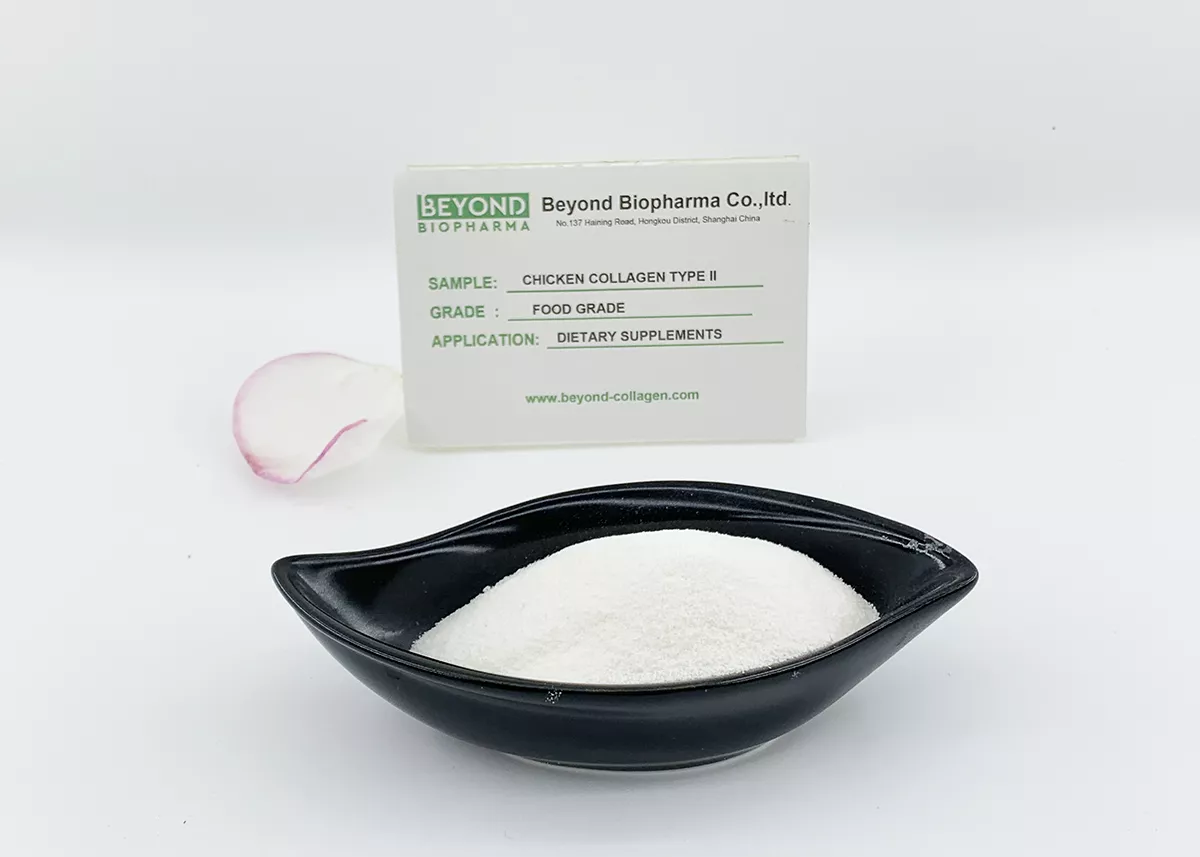
BEYOND BIOPHARMA is a specialized manufacturer of high-quality Undenatured Collagen Type II. Utilizing low-temperature, non-enzymatic extraction methods, our Undenatured Collagen Type II retains its native, triple-helix structure, essential for modulating the immune system's response to joint health and providing superior support for mobility, flexibility, and overall joint comfort.
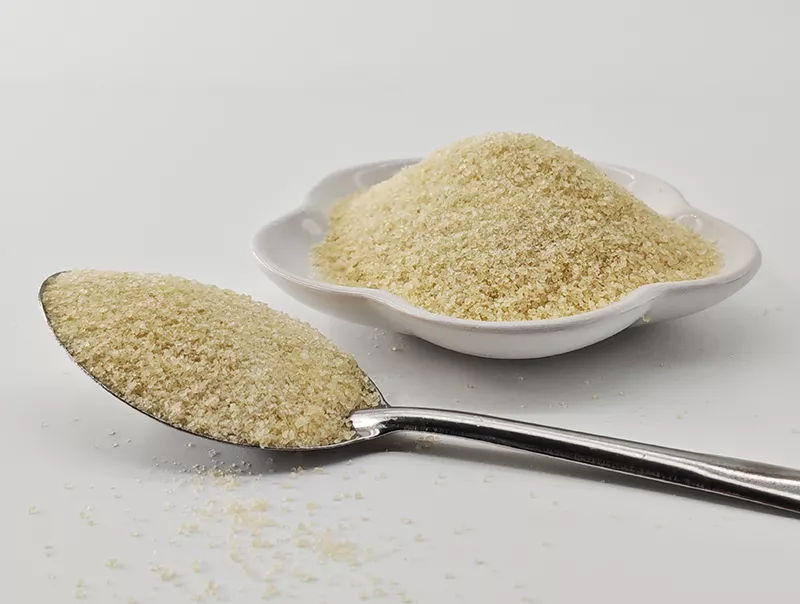
The High-Performance Barrier for Core Material Protection and Controlled Release.
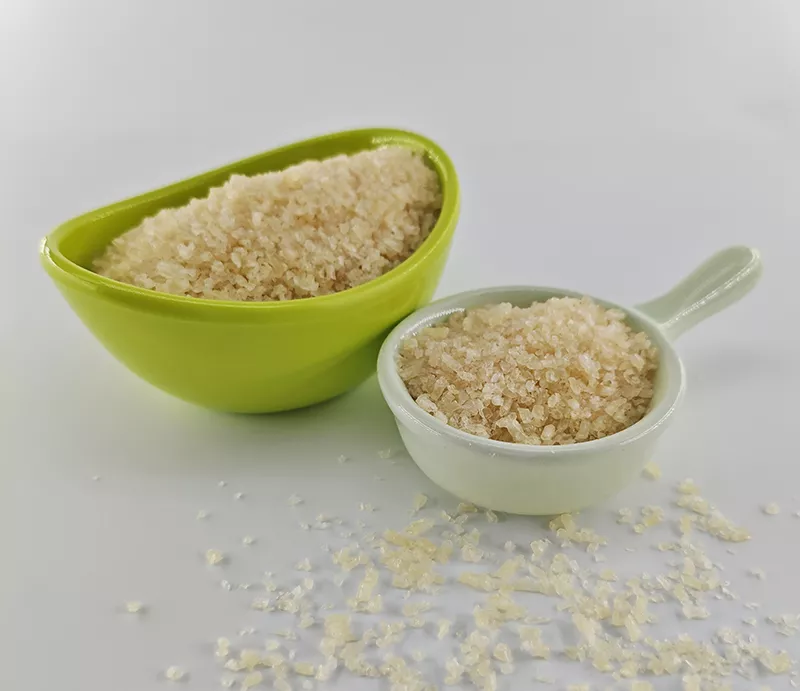
Stability, Swallowing Enhancement, and Controlled Release
Tel:+86 21 65010906
Cell/Whatsapp/Wechat:
+86 13482884055
+86 18657345785
Email: sales@beyondbiopharma.com