English EN


Fish Gelatin vs Bovine and Pork Gelatin What Sets Them Apart
Fish gelatin differs from bovine and pork gelatin in melting point, texture, and dietary suitability, making it ideal for soft desserts and special diets.
More
Bovine gelatin is a protein derived from the collagen found in cow hides, bones, and connective tissues. It is widely used in food, pharmaceuticals, and cosmetics for its gelling, thickening, and stabilizing properties. This guide explains what bovine gelatin is, how it is made, and its common applications, helping you understand its role in everyday products.
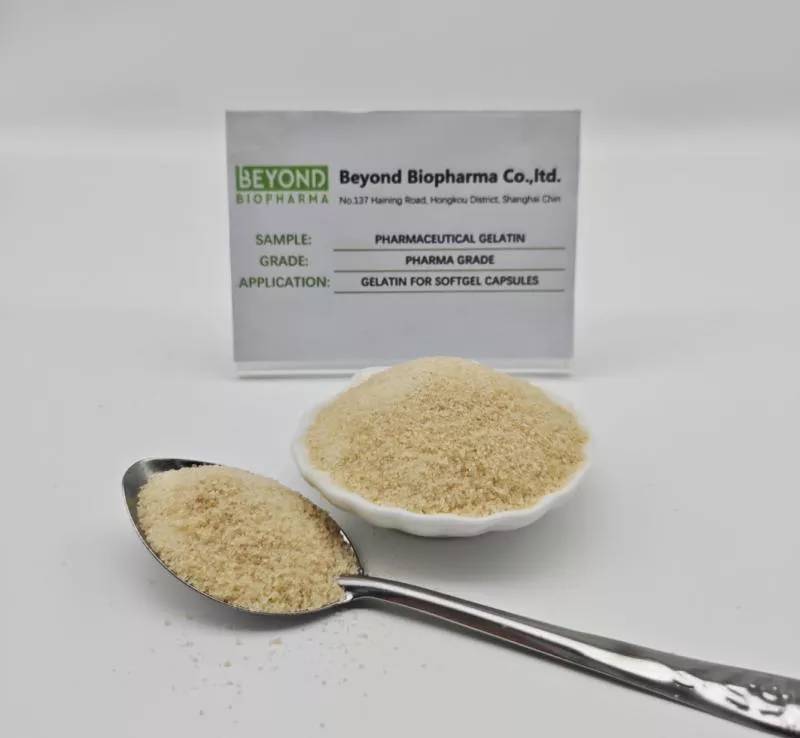
Bovine gelatin is a natural protein obtained by boiling cow skin, bones, and connective tissues in water. This process breaks down collagen into gelatin, which is then dried and ground into a powder or formed into sheets. It is a versatile ingredient that can form a gel when mixed with water and cooled, making it valuable in many industries.
Unlike plant-based alternatives like agar or pectin, bovine gelatin is animal-derived and offers unique textural properties. It is commonly used in products such as gummy candies, marshmallows, yogurt, and gelatin desserts. In pharmaceuticals, it is a key component in softgel capsules and tablet coatings.
The production of bovine gelatin involves several steps. First, raw materials like cow hides and bones are cleaned and treated with acid or alkali to break down non-collagen proteins. Then, the collagen is extracted using hot water, and the resulting liquid is filtered, concentrated, and dried. The final product is a pale yellow powder or sheet with a neutral taste and odor.
The quality of bovine gelatin depends on the source and processing method. For example, pharmaceutical-grade gelatin undergoes stricter purification to meet safety standards for medical use. Food-grade gelatin, on the other hand, is tailored for texture and stability in edible products.
Bovine gelatin is found in a wide range of products. In the food industry, it is used to create the chewy texture of gummies, the creamy consistency of marshmallows, and the smooth feel of yogurt. It also acts as a stabilizer in ice cream and a clarifying agent in juices and wines.
In pharmaceuticals, bovine gelatin is essential for making softgel capsules that encapsulate liquid medications and supplements. It is also used in tablet coatings to make pills easier to swallow. Additionally, it appears in cosmetics like face masks and creams for its film-forming and moisturizing properties.
Bovine gelatin is often compared to porcine (pig) and fish gelatins. Porcine gelatin is more common in food products due to its lower cost, while bovine gelatin is preferred in some regions for religious or cultural reasons. Fish gelatin, on the other hand, is popular in kosher and halal markets, as it avoids both beef and pork sources.
Each type has unique properties. Bovine gelatin typically has a higher melting point and stronger gel strength, making it ideal for applications like micro-encapsulation and hard capsules. For clean-label foods, fish gelatin offers a transparent alternative.
Yes, bovine gelatin is generally recognized as safe by food and drug authorities worldwide. It is a natural protein that is easily digestible and provides amino acids like glycine and proline. However, individuals with beef allergies should avoid it, and those following vegetarian or vegan diets may prefer plant-based alternatives.
When sourced from reputable suppliers, bovine gelatin undergoes rigorous testing to ensure it is free from contaminants. For example, bovine chondroitin sulfate is another byproduct used in joint health supplements, highlighting the value of bovine-derived ingredients.
When selecting bovine gelatin, consider the intended use. For food products, look for food-grade gelatin with a bloom strength that matches your recipe. For pharmaceutical applications, choose pharmaceutical-grade gelatin that meets strict purity standards. Always verify the source to ensure it is from healthy, grass-fed cattle if possible.
If you are looking for alternatives, porcine gelatin is a common substitute, while vegan glucosamine offers a plant-based option for supplements. For skin health, fish collagen peptides are another popular choice.
Bovine gelatin is a versatile and safe ingredient with a long history of use in food, medicine, and cosmetics. Understanding its meaning and applications helps you make informed choices, whether you are a manufacturer, a cook, or a consumer. By choosing the right type and source, you can enjoy the benefits of this natural protein in your daily life.


We provide you with comprehensive foreign trade solutions to help enterprises achieve global development
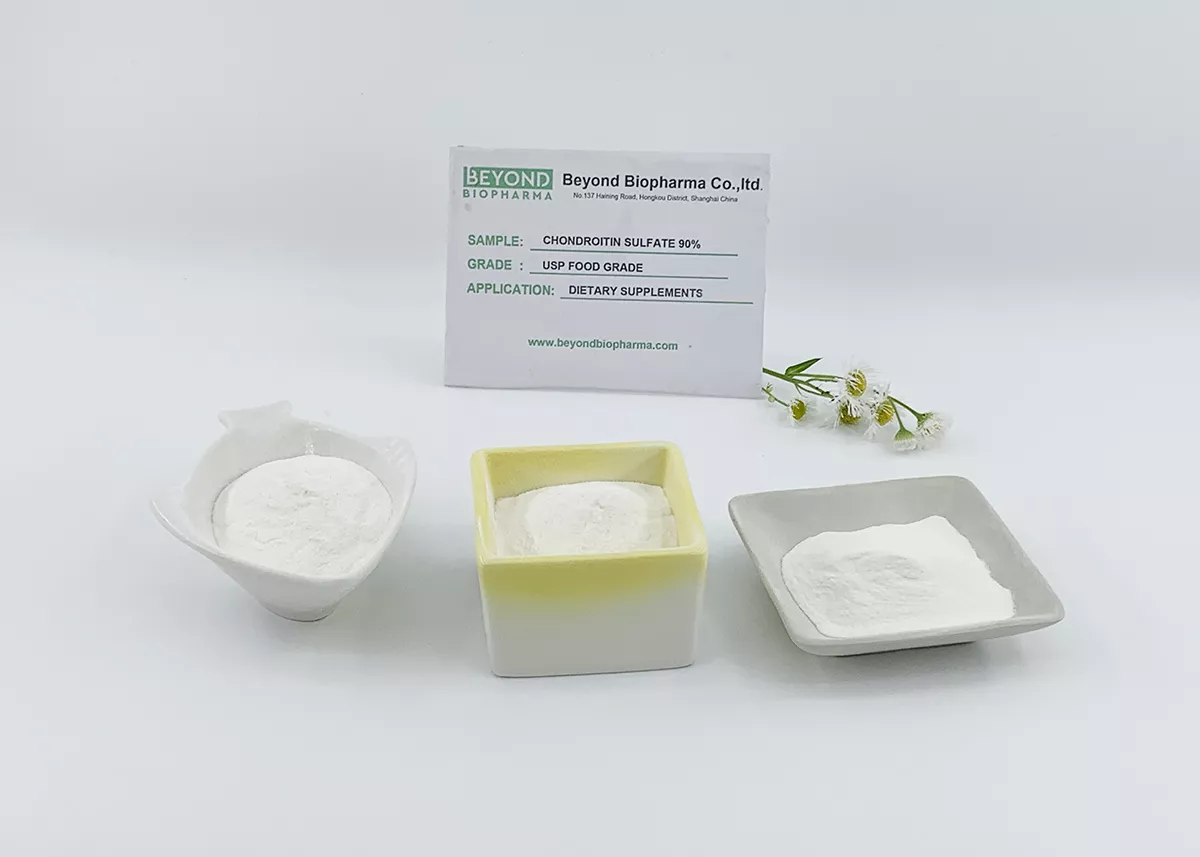
High Purity and Efficacy for Joint Health Formulations
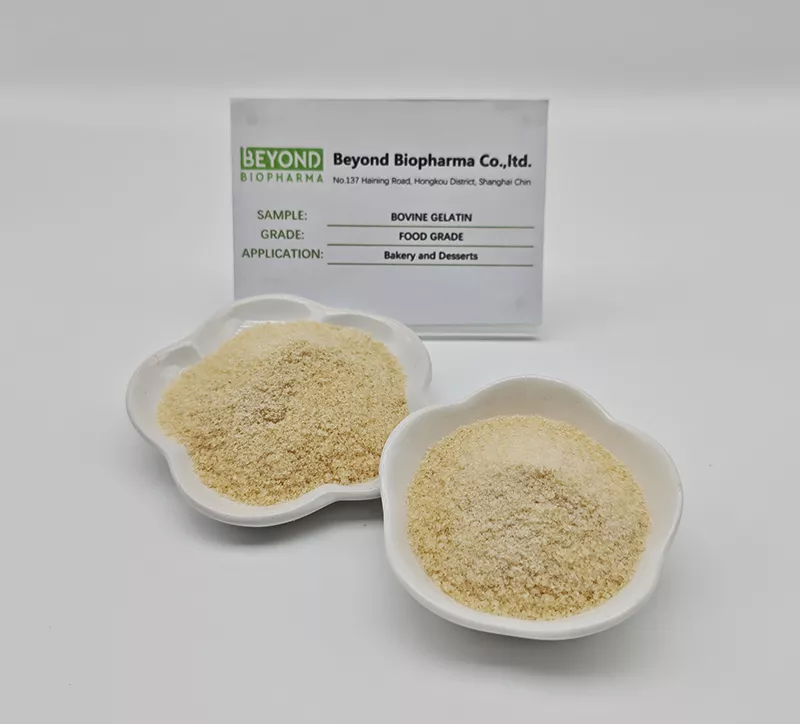
20 years experiences, 5000 ton/year capacity, Sustained supply with stable quality
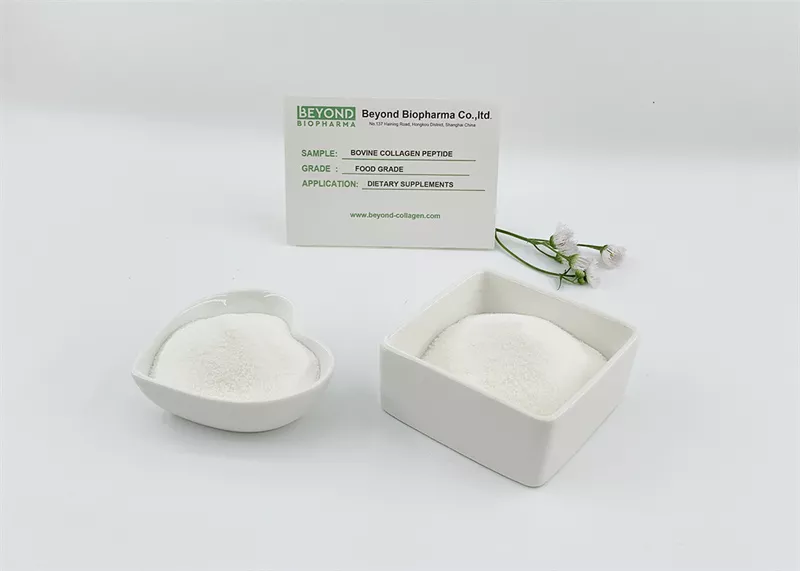
Manufacturer of bovine collagen peptide, shipping in containers all around the world
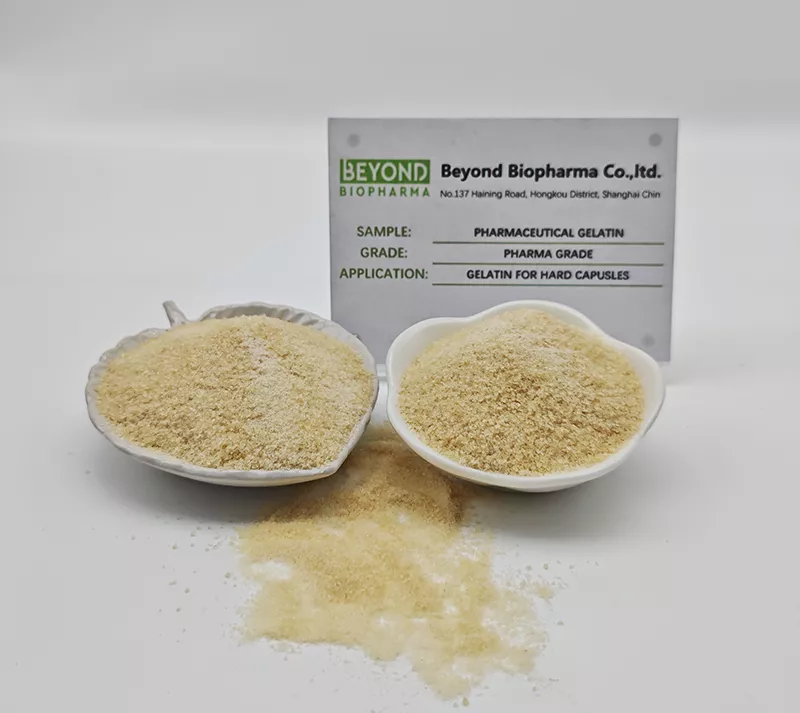
The high-strength and rapid-setting characteristics of Bovine Bone Gelatin ensure it forms a stable, uniform, and durable shell that preserves the integrity of the active pharmaceutical ingredient (API).
Tel:+86 21 65010906
Cell/Whatsapp/Wechat:
+86 13482884055
+86 18657345785
Email: sales@beyondbiopharma.com