English EN


How to Use Gelatin Powder? Applications of Gelatin Powder
Use gelatin powder by blooming it in cold water, dissolving gently, and adding to recipes for perfect texture in desserts, sauces, and supplements.
More
Both gelatin sheets and gelatin powder are derived from collagen, typically sourced from bovine, porcine, or fish skin and bones. However, their physical forms and processing methods lead to key differences in how they dissolve and perform in recipes. Sheets are thin, translucent leaves that hydrate evenly and produce a clear, clean gel. Powder is a granulated form that requires careful blooming in cold water before use. The fundamental distinction lies in their bloom strength, a standardized measurement of gel firmness. Bloom values typically range from 100 to 300, with higher numbers indicating firmer gels. Sheets are often labeled with their bloom grade (e.g., gold, silver, bronze), while powder is usually marked directly with a bloom number.
The molecular structure of gelatin remains consistent across forms, but the surface area and hydration rate differ. Sheets have a lower surface area relative to their volume, so they hydrate slowly and uniformly when soaked in cold water. Powder, with its high surface area, absorbs water quickly but can clump if not stirred properly. Both forms require cold water for blooming to prevent premature melting. Once bloomed, they are dissolved into warm liquid to activate the gelling properties. Understanding bloom strength is essential for substitution: a 200-bloom sheet can replace 200-bloom powder by weight, but the water content in sheets (about 10-15% moisture) must be accounted for. For accurate substitution, use 1.0 to 1.1 times the weight of powder when replacing sheets, and vice versa.
For example, one standard silver gelatin sheet (160 bloom) typically weighs 2.5 grams and sets about 100 ml of liquid. To achieve the same result with powder, you would need approximately 2.5 grams of 160-bloom powder. However, if the powder has a different bloom value, adjust the weight proportionally. A higher bloom powder requires less weight to achieve the same gel strength. Always check the manufacturer’s specifications. For premium pharmaceutical and culinary applications, standardized gelatin sheets ensure consistent results, while edible bovine gelatin offers reliable powder options. For specialized needs, high bloom gelatin provides extra firmness for capsules and desserts alike.
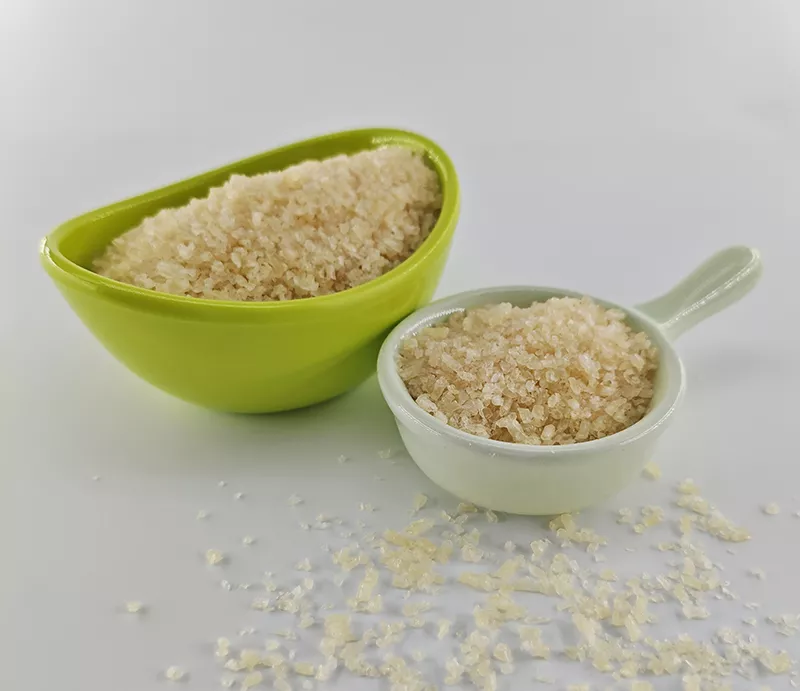
Gelatin sheets and gelatin powder differ fundamentally in how they hydrate and absorb liquid, which directly affects their usage in recipes. Sheets, also known as leaf gelatin, have a standardized bloom strength and require soaking in cold water for a specific time to soften before dissolving. Powder, on the other hand, is typically sprinkled over cold water and allowed to bloom before heating. The hydration ratio for sheets is generally 1 sheet to 5-6 grams of water, while powder requires 1 part gelatin to 3-4 parts water by weight. This difference stems from the physical form and surface area; sheets absorb water more evenly and slowly, resulting in a clearer, more consistent gel, whereas powder can clump if not dispersed properly. Liquid absorption also varies: sheets hold approximately 5-6 times their weight in water, while powder can absorb up to 10 times its weight, depending on the bloom grade. For substitution, one standard sheet (about 2 grams) equals roughly 1 teaspoon of powdered gelatin. Always adjust liquid content in recipes when switching forms to maintain the desired texture and setting properties.
Understanding these hydration nuances is crucial for achieving perfect results in desserts, jellies, and savory gels. For instance, in delicate mousses or mirror glazes, sheets are preferred for their clarity and lack of bubbles. Powder offers convenience and is easier to measure for small quantities but may introduce cloudiness if not fully dissolved. The key is to respect the specific hydration needs of each form and adjust the liquid phase accordingly. Always bloom gelatin in cold water—never warm or hot—to ensure even hydration and avoid premature melting. Once bloomed, gently heat the mixture to dissolve completely, but avoid boiling, which can weaken the gel strength. By mastering these ratios and absorption characteristics, you can confidently substitute one form for another without compromising the final product.
Gelatin sheets and powder are not interchangeable by volume or weight alone. The key variable is bloom strength—the measure of gel firmness. Standard sheets are typically 200-bloom, while powder varies from 125 to 250 bloom. To substitute correctly, you must adjust the weight based on bloom value.
Use this ratio: Weight of ingredient A × (Bloom of A ÷ Bloom of B) = Weight of ingredient B. For example, 10g of 200-bloom sheets = 10g × (200 ÷ 250) = 8g of 250-bloom powder. Always bloom gelatin in cold water first, then dissolve into warm liquid.
| Gelatin Type | Bloom Strength | Weight for 1 Sheet (approx.) | Equivalent Powder Weight |
|---|---|---|---|
| Silver Sheet (standard) | 200 bloom | 2.5 g | 2.5 g (200 bloom powder) |
| Gold Sheet (strong) | 250 bloom | 2.0 g | 2.0 g (250 bloom powder) |
| Bronze Sheet (soft) | 160 bloom | 3.1 g | 2.5 g (200 bloom powder) |
| Powder (common) | 225 bloom | N/A | Use as base reference |
Note: One standard sheet (2.5g, 200 bloom) sets about 100ml of liquid to a soft gel. For firmer gels, increase gelatin by 20%. Always check the bloom strength on your product label—premium pharmaceutical gelatin and standardized gelatin sheets provide consistent results.
1. Determine the bloom strength of your original gelatin. If unknown, assume 200 bloom for sheets and 225 bloom for powder.
2. Weigh the original gelatin amount. For sheets, multiply the number of sheets by weight per sheet (see table).
3. Apply the formula: New weight = Original weight × (Original bloom ÷ New bloom).
4. Bloom the gelatin in cold water (use 5-6 times its weight in water) for 5-10 minutes, then gently heat to dissolve.
For precise applications like fish collagen peptide supplements or edible bovine gelatin, always verify bloom specifications. For halal and kosher verified fish gelatin, conversion remains the same but check for any processing differences.
Substituting gelatin sheets for powder (or vice versa) seems straightforward, but small missteps can ruin texture, clarity, or set. Here are the most frequent errors and how to fix them.
Sheets and powder are not always interchangeable by weight. A 200-bloom sheet is stronger than a 150-bloom powder. Using the wrong bloom leads to rubbery or weak gels. How to avoid: Always check the bloom value on your gelatin. For substitution, use a conversion chart: 1 sheet (200 bloom, ~2g) equals about 1 teaspoon of powder (200 bloom). Adjust liquid accordingly.
Gelatin must be bloomed (hydrated) in cold liquid before dissolving. Powder needs 3-4 times its weight in cold water; sheets need a bowl of cold water for 5-10 minutes. Using too little liquid causes clumping; too much dilutes strength. How to avoid: For powder, sprinkle over cold water and let stand 5 min. For sheets, submerge fully in cold water until pliable. Squeeze out excess before adding to warm liquid.
Boiling gelatin destroys its gelling ability. Many cooks add gelatin to boiling liquid or heat it too aggressively. How to avoid: Always dissolve bloomed gelatin in warm liquid (below 60°C / 140°F). Stir gently until fully dissolved. Never boil. If using sheets, add them to warm (not hot) base and stir until melted.
Fresh pineapple, kiwi, papaya, and ginger contain enzymes that break down gelatin, preventing setting. Acidic ingredients (pH below 4) also weaken the gel. How to avoid: Use canned or cooked versions of these fruits (heat deactivates enzymes). For acidic liquids, increase gelatin amount by 15-20% or use a high-bloom gelatin.
Gelatin sheet sizes vary by brand (e.g., silver, gold, bronze). A “standard” sheet can range from 1.7g to 3.3g. Using the wrong sheet weight throws off the recipe. How to avoid: Weigh your sheets on a kitchen scale. Most recipes assume 2g per sheet (200 bloom). If your sheets are different, calculate the number needed to match the required weight.
Some cooks try to add dry gelatin directly to hot liquid, causing lumps and uneven setting. How to avoid: Always bloom gelatin first. For powder, sprinkle over cold water and let sit. For sheets, soak in cold water. This ensures smooth dissolution and consistent gel strength.
Gelatin sets at cool temperatures, but freezing can cause weeping (syneresis) and texture loss. Storing uncovered also dries out the surface. How to avoid: Refrigerate gelatin desserts at 4°C (40°F) and cover tightly with plastic wrap or a lid. Do not freeze. Use within 3-5 days for best texture.
Selecting the right form of gelatin depends on the texture, clarity, and setting time your recipe demands. Below are key considerations for common applications.
Gelatin sheets provide a clearer, more uniform set with fewer bubbles. They dissolve evenly at low temperatures, making them ideal for mousses, panna cotta, and shiny mirror glazes. Use sheets when you need a silky, flawless finish.
Learn about standardized gelatin sheetsPowdered gelatin is more convenient for large quantities and savory recipes like aspics, terrines, or homemade jelly. It hydrates quickly in cold water and can be measured by volume, offering flexibility for high-yield batches.
Explore edible bovine gelatin for food usesWhen a recipe specifies bloom strength, sheets offer consistent results because each sheet has a standardized weight and setting power. Powder can vary by brand, so for marshmallows or gumdrops, sheets reduce guesswork.
Check high bloom gelatin for capsulesIf you need halal, kosher, or fish-based gelatin, both forms are available. Powder is often easier to source in bulk for commercial kitchens, while sheets are preferred for restaurant plated desserts where appearance matters.
View halal and kosher fish gelatinIn pharmaceutical or nutraceutical production, powder is typically used for micro-encapsulation and tablet coating due to its fine particle size and controlled dissolution. Sheets are rarely used in these industrial contexts.
Discover gelatin for micro-encapsulationOne gelatin sheet (usually 2g) sets the same volume as about 1 teaspoon of powdered gelatin. Always bloom sheets in cold water for 5-10 minutes, then squeeze and dissolve into warm liquid. For powder, sprinkle over cold water (use 3x the water by weight) and let stand for 5 minutes before heating.
See premium pharmaceutical gelatin optionsUnderstanding the Basic Composition and Bloom Strength of Gelatin Sheets vs Powder
Both sheets and powder are derived from collagen, but their physical forms affect how they dissolve and set. Bloom strength measures firmness; standard sheets (200–250 bloom) and powder (often 200–250 bloom) can be matched if the same bloom value is used. Always check the bloom rating on your packaging for accurate results.
Key Differences in Hydration Ratios and Liquid Absorption Between the Two Forms
Sheet gelatin absorbs a fixed amount of water (typically 4–6 times its weight), while powder requires a specific hydration ratio—usually 1 part powder to 5–6 parts cold liquid. Sheets hydrate evenly and are less prone to clumping, whereas powder must be sprinkled evenly to avoid lumps.
How to Accurately Convert Between Gelatin Sheets and Powder for Any Recipe
Use the bloom strength and weight as your conversion basis. For example, 1 sheet (2 g, 200 bloom) equals approximately 1/2 teaspoon (1.5–2 g) of 200-bloom powder. Always adjust the liquid in your recipe: when substituting powder for sheets, reduce the recipe liquid by the hydration water used for the powder.
Common Mistakes When Substituting Gelatin Forms and How to Avoid Them
A frequent error is ignoring bloom strength differences, leading to over- or under-setting. Another mistake is adding powder directly to warm liquid without blooming, which causes clumping. Always bloom gelatin in cold water first, and never boil the mixture after adding gelatin, as heat weakens its setting power.
Practical Tips for Choosing Between Gelatin Sheets and Powder Based on Recipe Type
For delicate desserts like panna cotta or mousses where clarity and a silky texture are crucial, sheets are preferred. For recipes where convenience and precise measurement matter, such as bulk baking or savory aspics, powder works well. Consider the liquid content and setting time required for your specific dish.


We provide you with comprehensive foreign trade solutions to help enterprises achieve global development
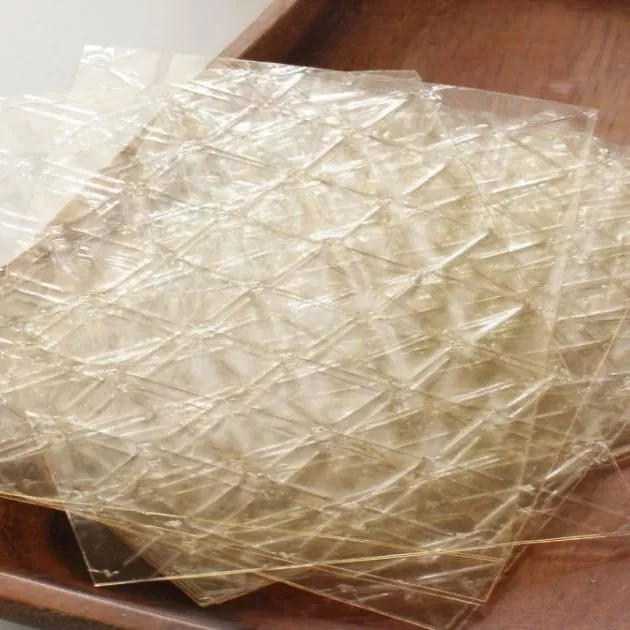
Our Gelatin Sheets are produced to precise standards, ensuring consistency and reliability across different Bloom grades (Silver being the most common professional choice).
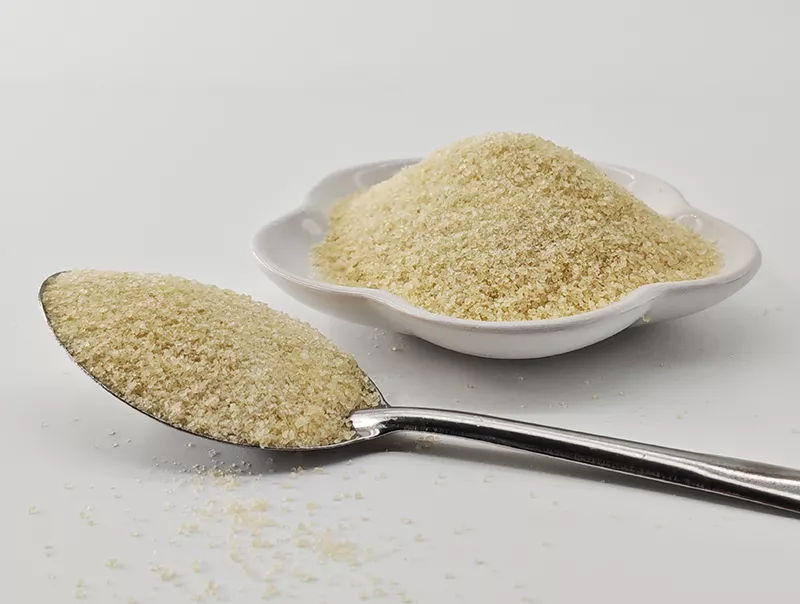
The High-Performance Barrier for Core Material Protection and Controlled Release.
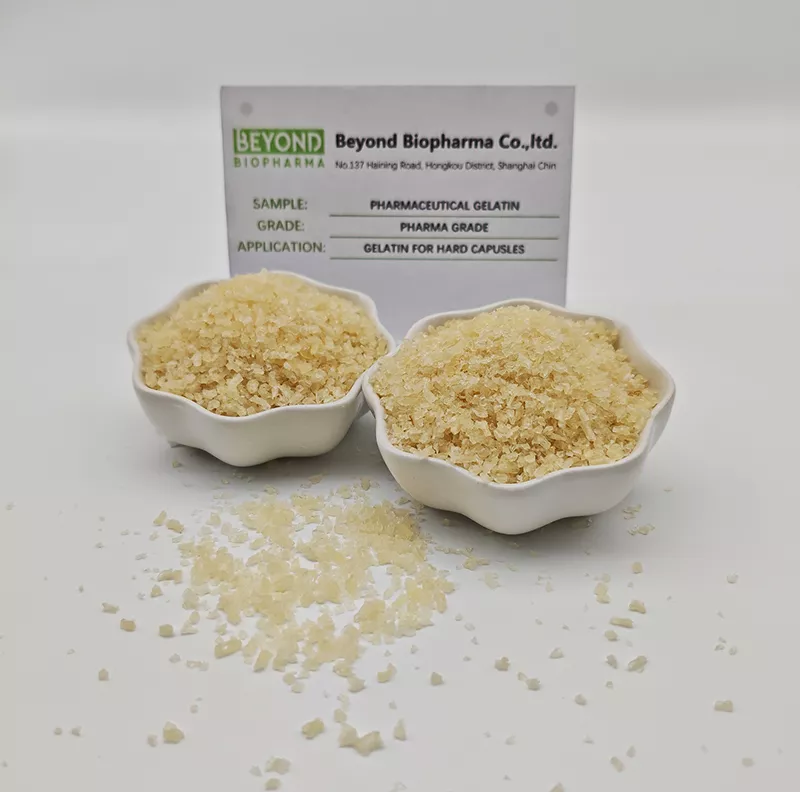
Precision, Purity, and Optimal Machinability
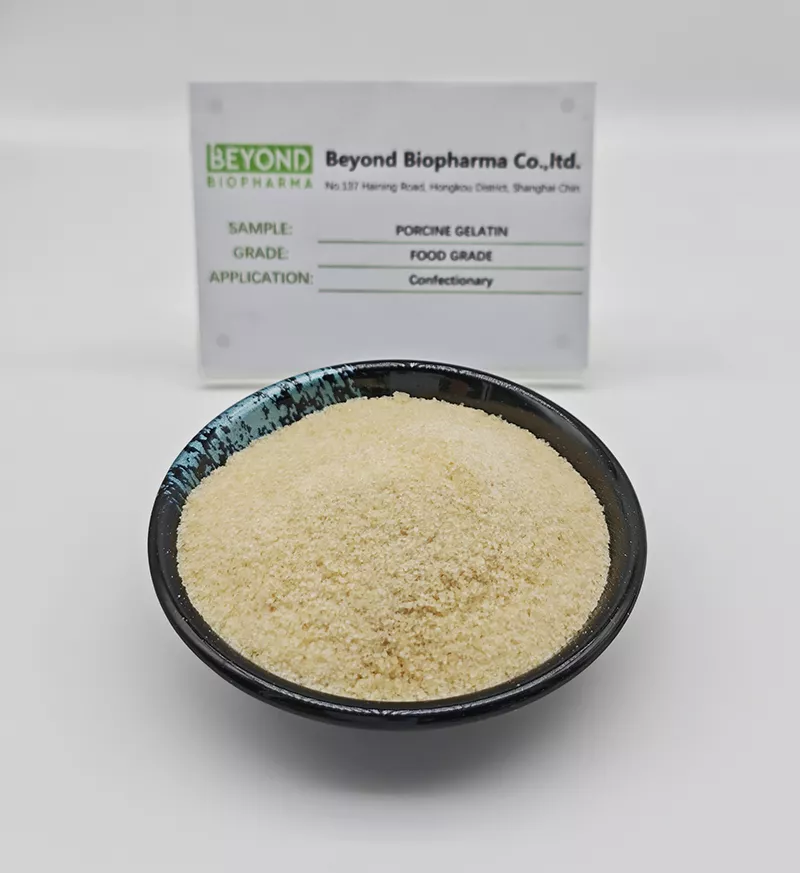
Food-grade porcine gelatin is a highly versatile and cost-effective natural protein derived from the collagen found in pig skin and bones. It is a premier gelling agent known for its exceptional clarity, neutral taste, and thermal reversibility.
Tel:+86 21 65010906
Cell/Whatsapp/Wechat:
+86 13482884055
+86 18657345785
Email: sales@beyondbiopharma.com