English EN


How Bovine and Marine Collagen Peptides Differ in Benefits and Uses
Bovine collagen peptide supports joints and muscles, while marine collagen boosts skin and hair. Compare benefits, uses, and absorption for your needs.
More
Beyond Biopharma | May-25-2026
Sodium hyaluronate and hyaluronic acid are closely related, but their molecular structure creates distinct differences in skincare efficacy. Hyaluronic acid is a high-molecular-weight polymer that sits on the skin’s surface, forming a moisture-binding film. Sodium hyaluronate, its salt form, has a much smaller molecular weight—typically 50,000 to 200,000 Daltons compared to hyaluronic acid’s 1,000,000 to 4,000,000 Daltons. This smaller size allows sodium hyaluronate to penetrate deeper into the stratum corneum and even reach the epidermis, delivering hydration at multiple layers.
The stability of sodium hyaluronate is another key advantage. It is more resistant to enzymatic degradation and oxidation, meaning it retains its water-holding capacity longer in formulations. Studies show that sodium hyaluronate can hold up to 1,000 times its weight in water, comparable to hyaluronic acid, but its enhanced penetration results in more sustained moisturization. For dry or dehydrated skin, this translates to improved elasticity and a reduction in transepidermal water loss (TEWL) by up to 30% over 24 hours.
In terms of skin barrier function, sodium hyaluronate stimulates fibroblast activity and promotes collagen synthesis more effectively than its precursor, due to its ability to interact with CD44 receptors in the dermis. Clinical data indicates that regular use can increase skin firmness by 15% within four weeks. It also exhibits lower immunogenicity, making it suitable for sensitive or reactive skin types.
For a deeper understanding of how these ingredients are sourced and processed, explore food-grade hyaluronic acid powder or high-bloom gelatin for hard capsules to see how raw material quality impacts final product performance.
While hyaluronic acid remains a popular humectant, sodium hyaluronate offers superior bioavailability and longer-lasting effects. The molecular weight difference is not just a technical detail—it directly influences how deeply and effectively the ingredient works. Formulators often combine both in a single product to achieve both surface hydration and deep-layer replenishment.
Additional resources on related raw materials include food-grade porcine gelatin for gummies and jellies and bovine chondroitin sulfate sodium, which demonstrate the breadth of biocompatible ingredients available for skincare and nutraceutical applications.
For those seeking clean-label options, standardized gelatin sheets for consistent gels and pharmaceutical-grade bovine bone gelatin for hard capsules (BSE-free) highlight the importance of purity and consistency in ingredient sourcing.
In summary, sodium hyaluronate is not merely a derivative but an optimized version for targeted skincare benefits. Its ability to deliver hydration, support collagen, and improve barrier function with lower irritation risk makes it a preferred choice in advanced formulations.
Learn more about complementary ingredients like bovine collagen peptide for energy bar products and undenatured collagen type II for joint comfort and mobility to see how synergistic ingredients enhance overall skin and health outcomes.
For halal or kosher requirements, halal and kosher verified fish gelatin for clean-label foods and premium pharmaceutical gelatin for tablet coating provide additional insights into versatile, high-purity excipients.
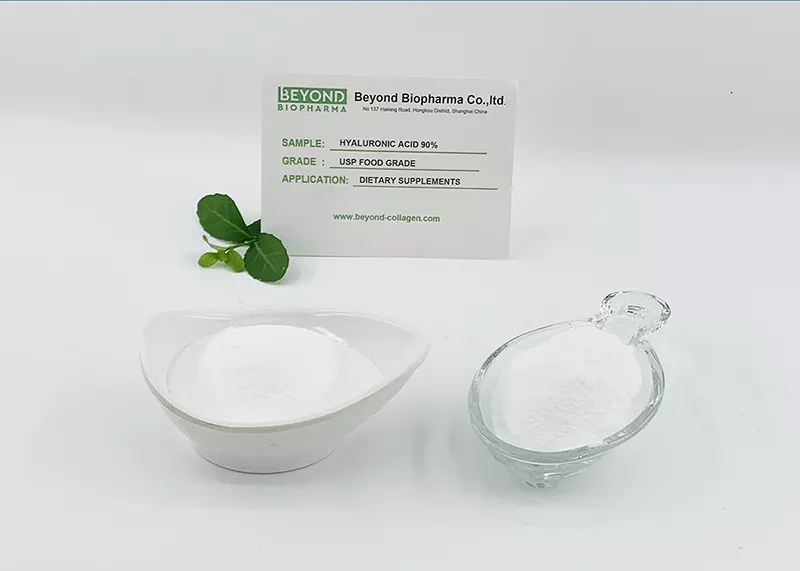
Sodium hyaluronate is a powerful humectant that attracts and retains moisture in the skin, providing intense deep hydration that lasts throughout the day. This helps to restore the skin's natural moisture barrier, leaving it feeling soft, supple, and refreshed.
By delivering a surge of moisture to the deeper layers of the skin, sodium hyaluronate creates a visible plumping effect. This helps to smooth out fine lines and wrinkles, giving the skin a more youthful, voluminous, and bouncy appearance.
With its ability to support collagen production and protect against environmental stressors, sodium hyaluronate offers significant anti-aging benefits. Regular use can help improve skin elasticity, firmness, and overall texture, reducing the visible signs of aging over time.
Sodium Hyaluronate, the salt form of hyaluronic acid, penetrates the skin more efficiently due to its lower molecular weight. While standard hyaluronic acid sits on the surface, sodium hyaluronate reaches deeper layers, binding up to 1,000 times its weight in water for sustained hydration.
| Property | Sodium Hyaluronate | Standard Hyaluronic Acid |
|---|---|---|
| Molecular Weight | Low (50–800 kDa) | High (1,000–2,000 kDa) |
| Skin Penetration | Deep layers | Surface only |
| Water Retention Capacity | Up to 1,000x weight | Up to 1,000x weight |
| Stability in Formulations | Higher | Moderate |
| Ideal for Sensitive Skin | Yes | Less suitable |
Table data shows that sodium hyaluronate’s lower molecular weight enables superior penetration and stability, making it more effective for deep moisture retention. Standard hyaluronic acid remains on the surface, limiting its hydrating potential.
For high-quality raw materials, explore food-grade hyaluronic acid powder or high bloom gelatin for hard capsules. Additional options include porcine gelatin for gummies and bovine chondroitin sulfate sodium.
Also consider standardized gelatin sheets or pharmaceutical-grade bovine bone gelatin. For specialized needs, browse bovine collagen peptide for energy bars and undenatured collagen type II.
Further products include halal fish gelatin and premium pharmaceutical gelatin for tablet coating.
Sodium hyaluronate is a powerful humectant that draws moisture into the skin, helping to plump and hydrate. To get the most out of this ingredient, follow these simple steps.
For optimal absorption, apply sodium hyaluronate serum to slightly damp skin after cleansing. This helps lock in moisture and enhances its hydrating effects.
Always follow up with a rich moisturizer or facial oil to seal in the hydration. Sodium hyaluronate works best when occlusives are used on top to prevent water loss.
Incorporate it into both your AM and PM routines. In the morning, it preps skin for makeup; at night, it supports overnight repair and rejuvenation.
Sodium hyaluronate pairs well with vitamin C, niacinamide, and peptides. Apply it after water-based serums and before heavier creams for a balanced routine.
For more details on high-quality ingredients, visit Beyond Biopharma.
While generally safe, some individuals may experience mild irritation, redness, or a tingling sensation when first using products with sodium hyaluronate. This is often due to the molecule's ability to draw moisture to the skin, which can sometimes cause a temporary reaction in sensitive or compromised skin barriers.
In rare cases, especially with low-quality or highly concentrated formulas, users might notice dryness or flaking if the product is applied to extremely dehydrated skin without adequate sealing moisturizer. Always perform a patch test before full application.
For those with known allergies to fermentation-derived ingredients, it is advisable to check the source of the hyaluronic acid. Some products may also contain additional preservatives or fragrances that could trigger adverse reactions.
Oily or Acne-Prone Skin: Look for lightweight, gel-based serums with low molecular weight sodium hyaluronate. These penetrate deeply without leaving a greasy residue. Avoid heavy creams that might clog pores.
Dry or Dehydrated Skin: Opt for products combining multiple molecular weights of hyaluronic acid. A thicker lotion or cream with added ceramides or glycerin can help lock in moisture more effectively. Consider formulations that also contain squalane or shea butter.
Sensitive or Reactive Skin: Choose fragrance-free, alcohol-free, and paraben-free formulas. A simple ingredient list with minimal additives reduces the risk of irritation. Products with soothing ingredients like aloe vera or panthenol are beneficial.
Combination Skin: A balanced, water-based serum works well. Apply a few drops to damp skin to enhance absorption without over-hydrating oily zones. You can layer a lighter moisturizer on top.
Mature or Aging Skin: Seek out products with higher concentrations of sodium hyaluronate and additional anti-aging ingredients like peptides or vitamin C. These help plump fine lines and improve overall skin texture.
Check the product's pH level; sodium hyaluronate works best in formulations with a pH between 5.0 and 6.5. Also, consider the product's packaging – airless pumps or opaque bottles protect the ingredient from light and air degradation.
Read reviews from users with similar skin concerns. Reliable brands often provide transparent sourcing information. For high-quality raw ingredients, you may explore suppliers like Beyond Biopharma for food-grade hyaluronic acid powder or high bloom gelatin for capsules.
Always introduce new products gradually into your routine. Start with once-daily application and monitor your skin's response before increasing frequency. Consistency is key to seeing benefits without overwhelming your skin.
For further ingredient verification, check resources like bovine chondroitin sulfate sodium or standardized gelatin sheets for related product insights.
Summary
Sodium hyaluronate is a salt form of hyaluronic acid with a smaller molecular weight, allowing deeper penetration into the skin for superior hydration. Unlike standard hyaluronic acid, it offers enhanced moisture retention, making it more effective for plumping and anti-aging benefits. Regular use can visibly reduce fine lines and improve skin elasticity.
For optimal results, apply sodium hyaluronate serum to damp skin after cleansing, then follow with a moisturizer to lock in hydration. It suits most skin types, but those with sensitive skin should patch-test first. Choose products with minimal ingredients and avoid formulations with high alcohol content to prevent dryness.
Potential side effects are rare but may include mild irritation or redness in sensitive individuals. Always select a product tailored to your skin type, and consult a dermatologist if uncertain.
We provide you with comprehensive foreign trade solutions to help enterprises achieve global development
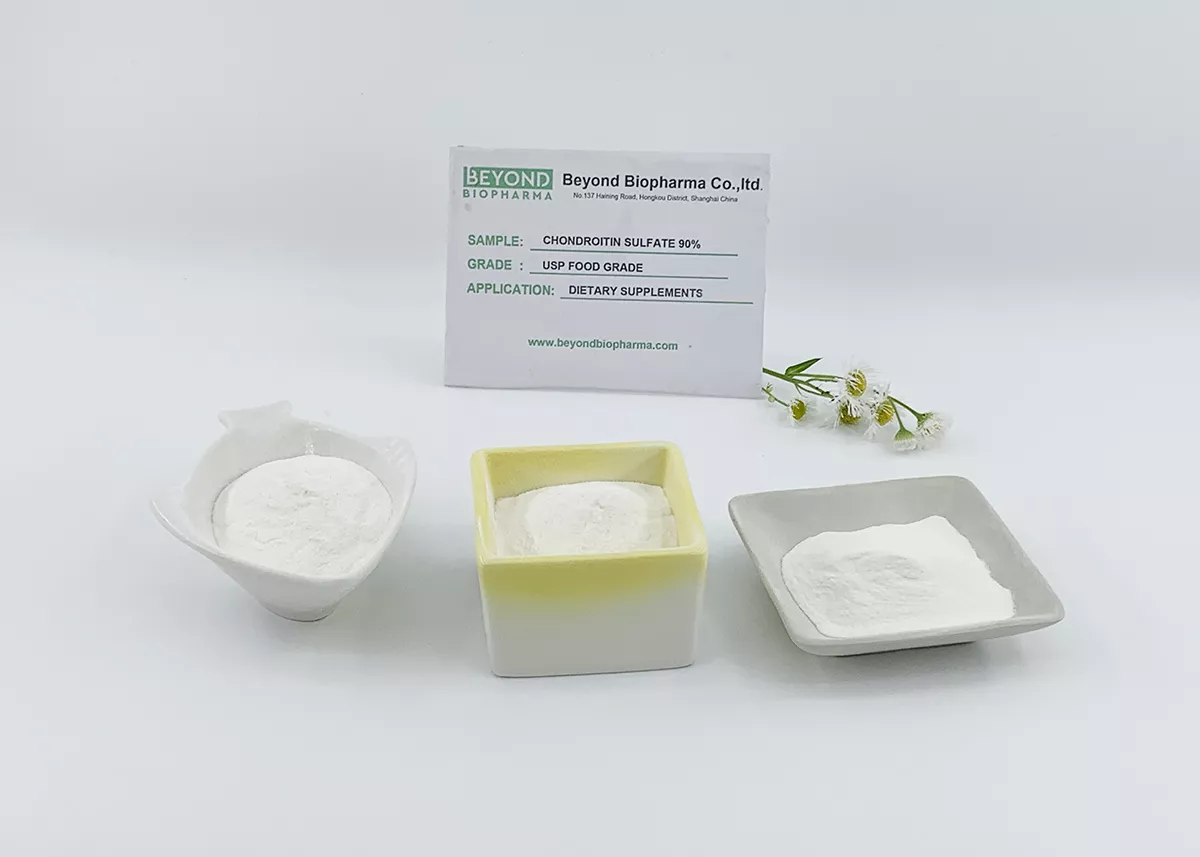
High Purity and Efficacy for Joint Health Formulations
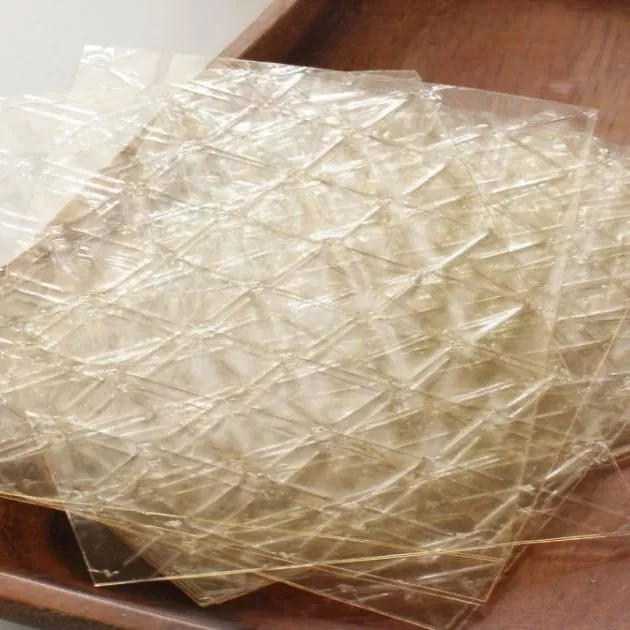
Our Gelatin Sheets are produced to precise standards, ensuring consistency and reliability across different Bloom grades (Silver being the most common professional choice).
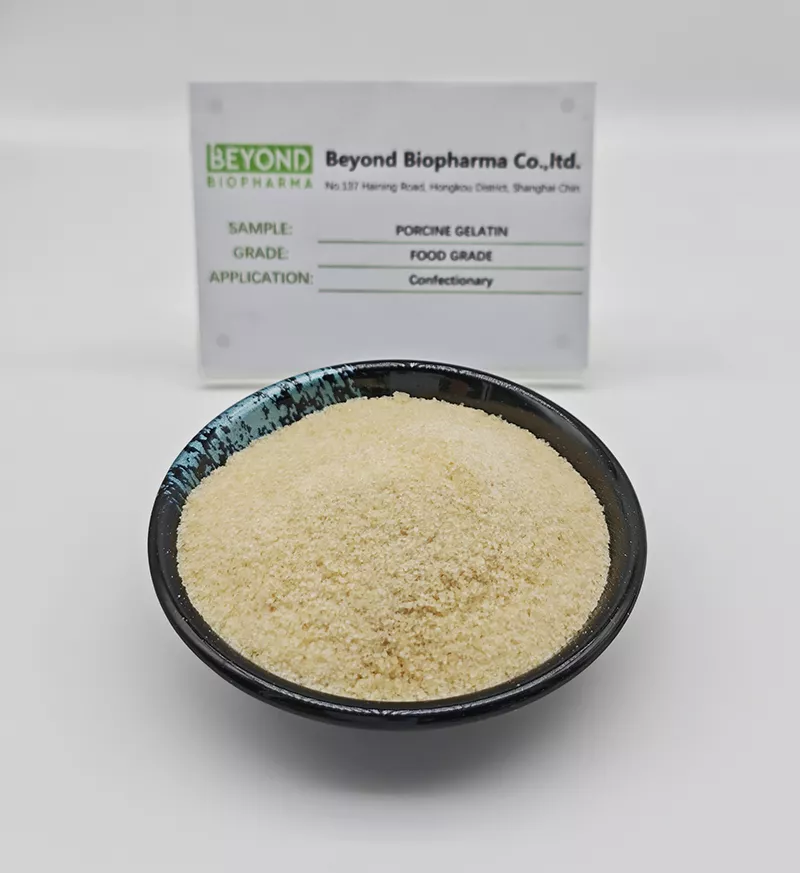
Food-grade porcine gelatin is a highly versatile and cost-effective natural protein derived from the collagen found in pig skin and bones. It is a premier gelling agent known for its exceptional clarity, neutral taste, and thermal reversibility.
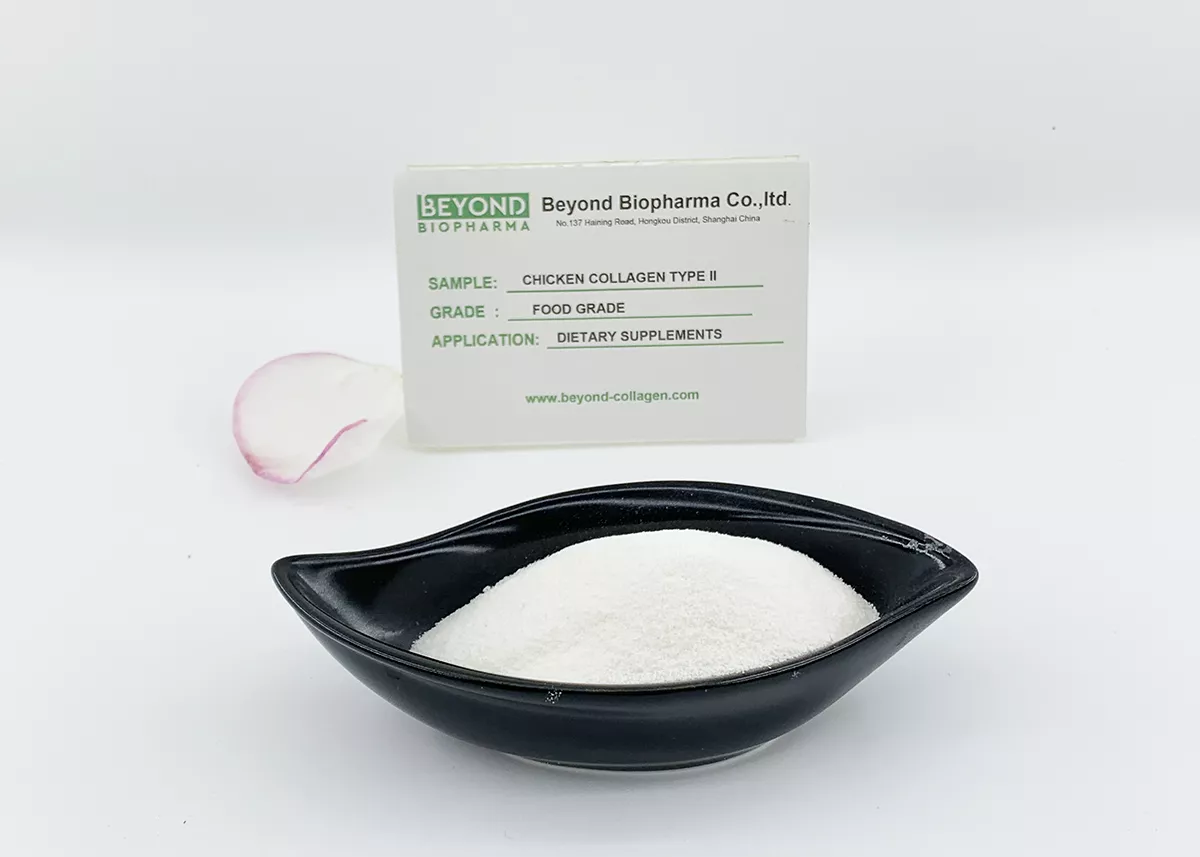
BEYOND BIOPHARMA is a specialized manufacturer of high-quality Undenatured Collagen Type II. Utilizing low-temperature, non-enzymatic extraction methods, our Undenatured Collagen Type II retains its native, triple-helix structure, essential for modulating the immune system's response to joint health and providing superior support for mobility, flexibility, and overall joint comfort.
Tel:+86 21 65010906
Cell/Whatsapp/Wechat:
+86 13482884055
+86 18657345785
Email: sales@beyondbiopharma.com