English EN


How to Use Gelatin Powder? Applications of Gelatin Powder
Use gelatin powder by blooming it in cold water, dissolving gently, and adding to recipes for perfect texture in desserts, sauces, and supplements.
More
Gelatin powder is a versatile ingredient found in kitchens and labs worldwide. But what exactly is it made of? At its core, gelatin comes from animal collagen, typically sourced from cow hides, pig skins, or fish scales. Through a careful process of hydrolysis, the collagen is broken down into a pure, flavorless powder that thickens and gels liquids. This article breaks down the key ingredients and production steps, giving you a clear, honest look at what goes into that familiar packet.
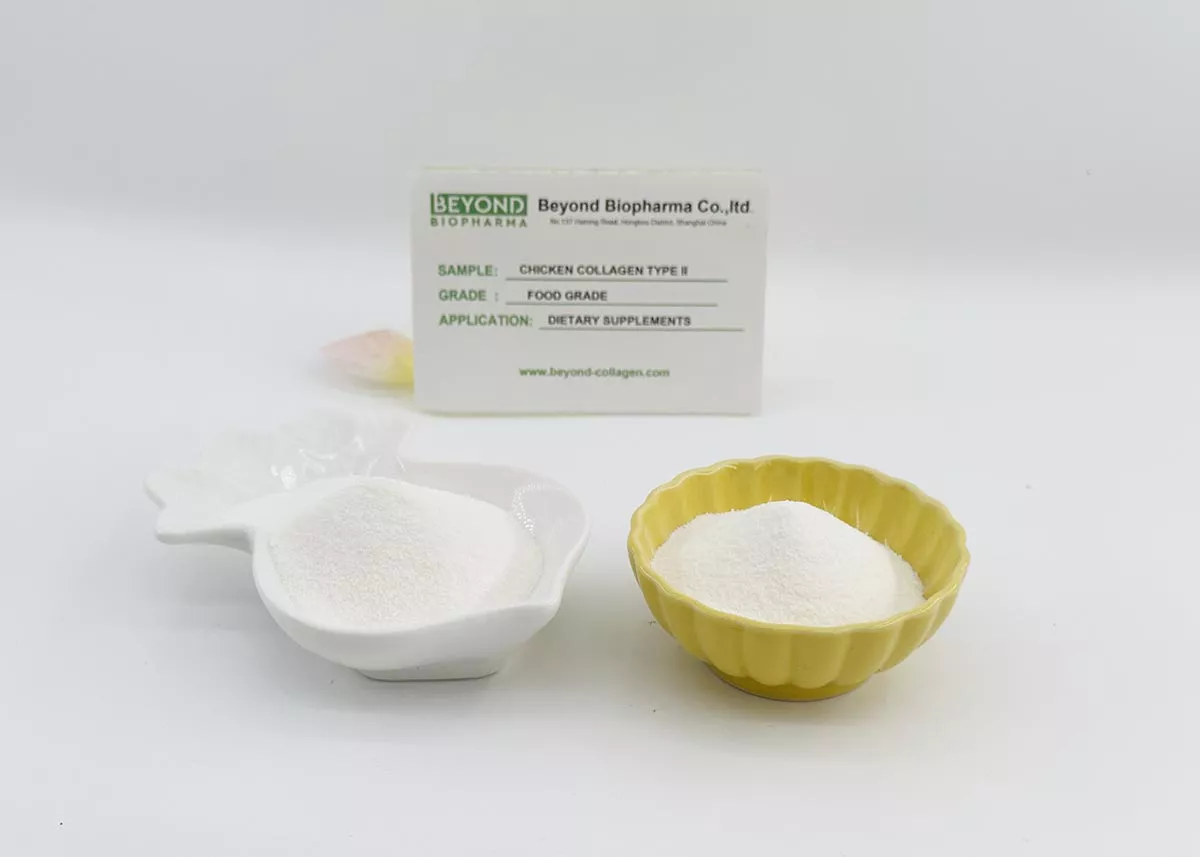
Gelatin powder is almost entirely made from collagen, a structural protein found in animal connective tissues. The most common sources are bovine (cow) hides and porcine (pig) skins. Fish skin and bones are also used, especially for kosher or halal products. The collagen is extracted by simmering these parts in water, a process that releases gelatin into the liquid. After filtering and drying, you get the fine powder you recognize.
For example, edible bovine gelatin is a common choice for food applications because of its neutral taste and reliable gelling strength. Similarly, halal and kosher verified fish gelatin offers a clean-label alternative for those with dietary restrictions.
While collagen is the main ingredient, commercial gelatin powder may include trace amounts of water and minerals. Pure gelatin is about 84-90% protein, with the rest being moisture and small amounts of ash (minerals like calcium and phosphorus). No artificial flavors, colors, or preservatives are added to standard gelatin powder. It is a single-ingredient product, though some brands may add sugar or flavoring for specific dessert mixes.
For specialized uses, such as in supplements, you might encounter hydrolyzed collagen type II powder, which is processed differently to be soluble in cold water. This is not the same as standard gelatin, but it shares the same collagen origin.
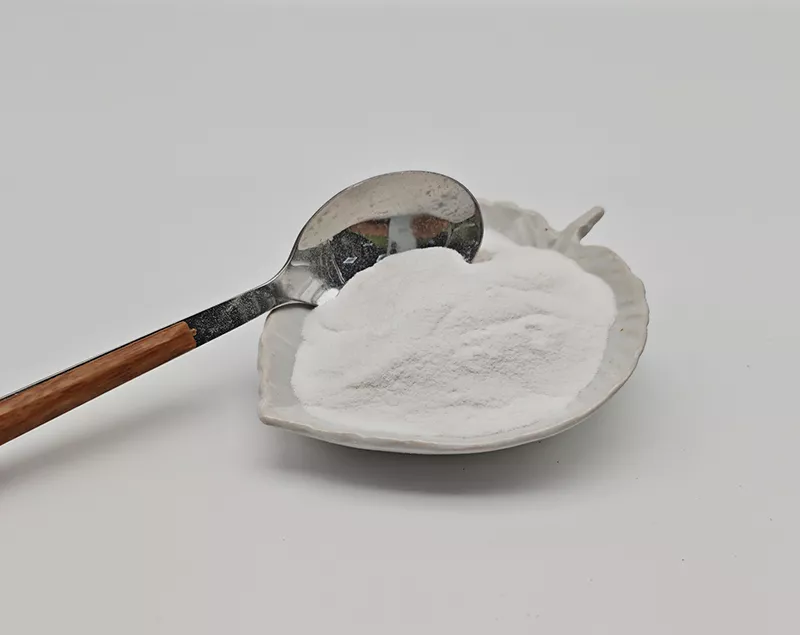
The manufacturing process starts with cleaning and soaking the raw animal materials in acid or alkali to loosen the collagen. This step can take several hours to a day. Then, the material is boiled in water at controlled temperatures. The liquid is filtered to remove impurities, then concentrated and dried into a powder. The final product is tested for bloom strength (a measure of gelling ability) and purity.
Different types of gelatin are made by adjusting the process. For instance, ultra-high viscosity gelatin for softgel capsules requires a longer hydrolysis time to achieve a thicker consistency, while standardized gelatin sheets are made by casting the liquid gelatin into thin, uniform layers.
Gelatin powder is widely used in desserts like jellies, panna cotta, and marshmallows. It also appears in savory dishes, such as aspics and terrines. In the pharmaceutical industry, it forms the shells of capsules. For home cooks, the key is to bloom the gelatin in cold water first, then dissolve it in warm liquid. This ensures a smooth, lump-free texture.
If you are looking for a specific type for your product, consider bovine collagen peptide for energy bar products, which mixes easily without heat. For skin health supplements, fish collagen peptide is a popular choice due to its small molecular size.
Gelatin powder is almost pure protein, providing about 6 grams of protein per tablespoon. It contains all essential amino acids except tryptophan, making it a good source of glycine and proline. It is generally recognized as safe by food authorities worldwide. However, it is not suitable for vegetarians or vegans, as it is animal-derived. Always check the label for allergen information, especially if you have sensitivities to beef, pork, or fish.
For those with joint concerns, undenatured collagen type II is a specific form that has been clinically studied for joint comfort. It is different from standard gelatin but worth noting for its targeted benefits.
Gelatin powder is a simple, natural product made from animal collagen through a straightforward extraction process. It contains no hidden ingredients, just protein and a bit of water. Whether you are making a dessert or formulating a supplement, understanding its origin and composition helps you choose the right type for your needs. Always look for reputable sources that provide clear information about their sourcing and processing methods.


We provide you with comprehensive foreign trade solutions to help enterprises achieve global development
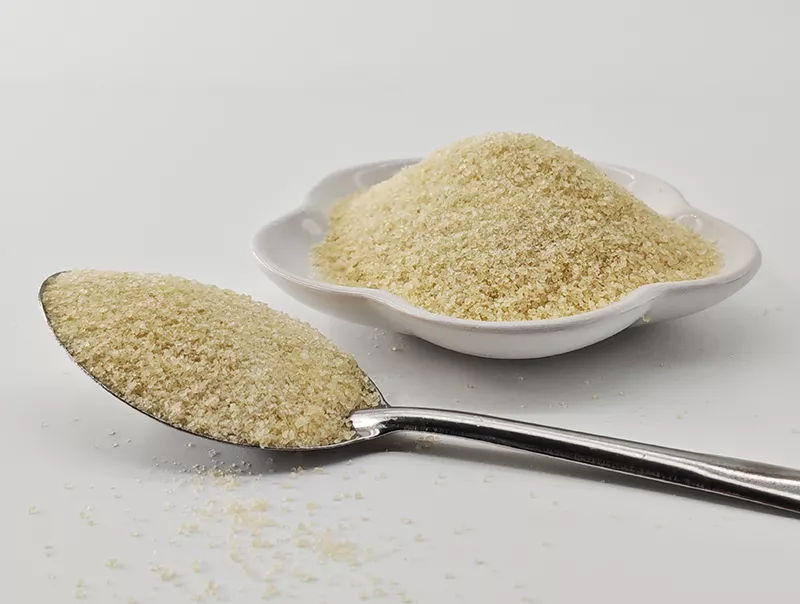
The High-Performance Barrier for Core Material Protection and Controlled Release.
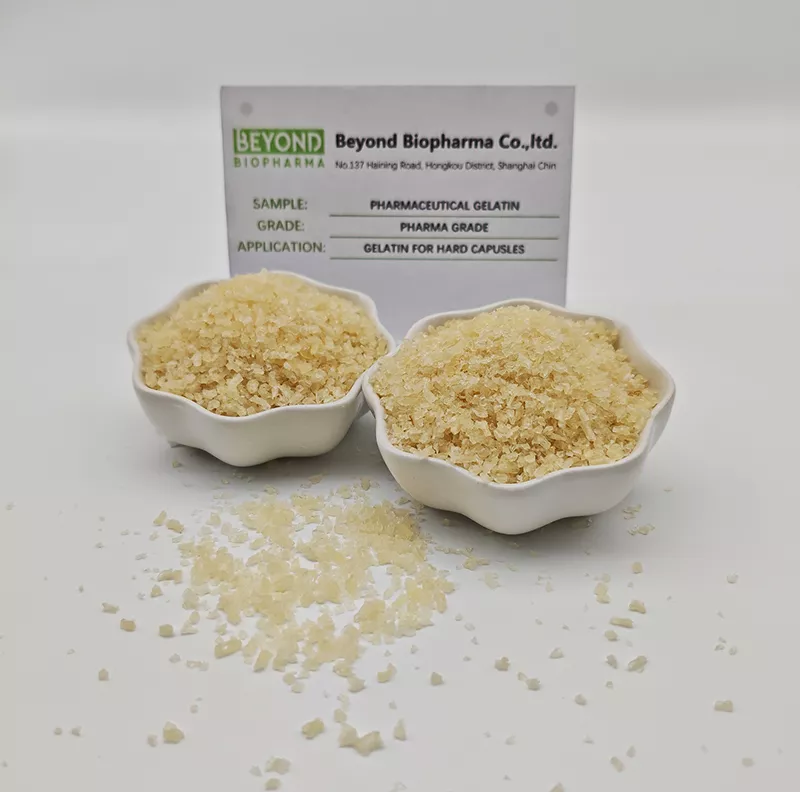
Precision, Purity, and Optimal Machinability
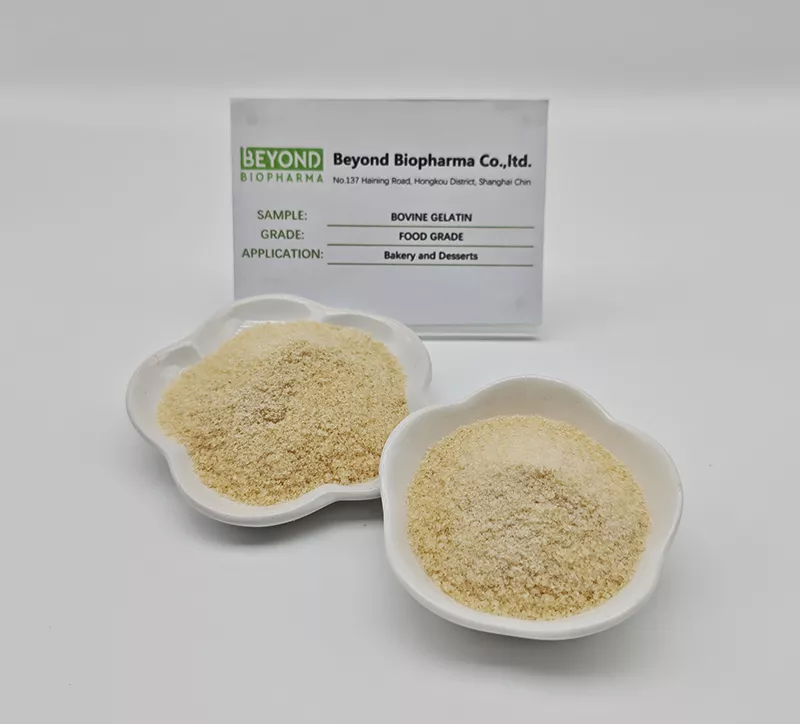
20 years experiences, 5000 ton/year capacity, Sustained supply with stable quality
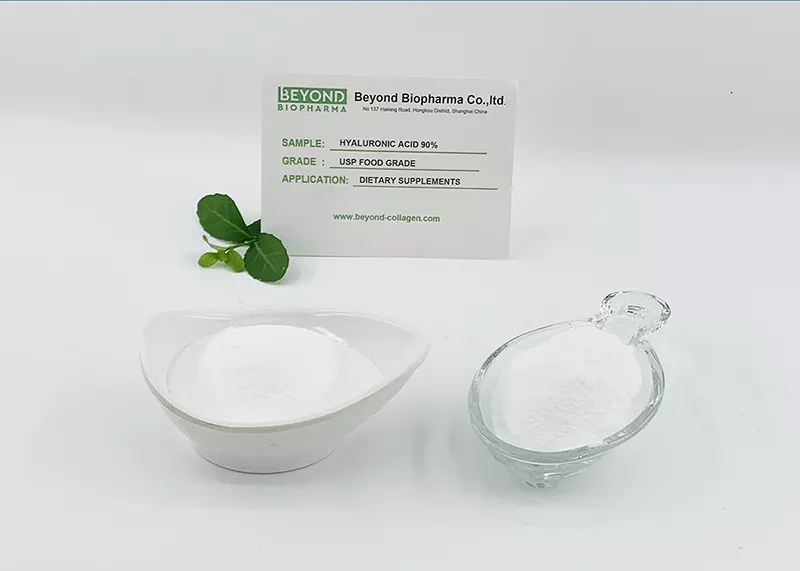
High Molecular Weight for Superior Joint, Skin, and Eye Health.
Tel:+86 21 65010906
Cell/Whatsapp/Wechat:
+86 13482884055
+86 18657345785
Email: sales@beyondbiopharma.com