English EN


Why Gelatin Powder from Halal or Grass-Fed Sources Matters
Choosing halal or grass-fed gelatin powder ensures purity, better nutrition, and ethical sourcing, meeting health, dietary, and religious standards.
More
When sourcing premium halal bovine meat, the origin and processing standards matter more than most buyers realize. From our years of working with suppliers across the globe, we have found that the best quality comes from cattle raised on natural pastures, with strict adherence to halal slaughter protocols. This article walks through the key bovine sources that consistently deliver tender, flavorful meat, backed by real data on marbling scores, pH levels, and aging practices. Whether you are a wholesaler or a restaurant owner, understanding these sources helps you make informed choices that satisfy both religious requirements and culinary expectations.
New Zealand and Australia are among the most trusted regions for halal bovine meat. Cattle there are predominantly grass-fed, which results in leaner meat with a distinct, clean flavor. According to industry reports from 2023, grass-fed beef from these regions typically has a marbling score of 2 to 3 on the AUS-MEAT scale, and a pH level between 5.5 and 5.8, ideal for tenderness. Halal certification bodies like the Australian Federation of Islamic Councils (AFIC) oversee slaughter processes, ensuring that animals are handled with care and that the meat is free from any non-halal contamination. For buyers looking for consistent quality, these sources offer traceability from farm to fork.
In the United States, a growing number of feedlots now offer halal-certified beef. These cattle are grain-finished, which enhances marbling and yields a richer flavor profile. Data from the USDA shows that grain-finished beef typically has a marbling score of 4 to 5, with a higher intramuscular fat content around 8% to 12%. Halal certification in the U.S. is often provided by organizations such as the Islamic Food and Nutrition Council of America (IFANCA). The meat is aged for 14 to 21 days, which improves tenderness and umami. This source is particularly popular among high-end restaurants and halal meat distributors who prioritize consistent marbling and buttery texture.
Brazil and Argentina have long been major players in the global beef market, and their halal bovine offerings are gaining traction. Cattle in these countries are often raised on vast pastures, with a diet of native grasses and minimal grain supplementation. The meat tends to have a slightly firmer texture and a more pronounced beefy flavor. According to a 2022 study by Embrapa, Brazilian grass-fed beef has an average pH of 5.6 and a shear force value of 3.5 kg, indicating good tenderness. Halal slaughterhouses in these countries are certified by local Islamic centers, and many export to the Middle East and Southeast Asia. For buyers seeking a balance between cost and quality, these sources provide excellent value.
When evaluating suppliers, look for clear halal certification from recognized bodies, such as the Halal Food Authority (HFA) or the World Halal Council. Also consider the age of the cattle: younger animals (18 to 24 months) generally produce more tender meat. Aging methods matter too—dry aging for 14 to 28 days enhances flavor, while wet aging retains moisture. Finally, request lab reports on microbial counts and residue testing to ensure the meat meets safety standards. By focusing on these details, you can build a reliable supply chain for premium halal bovine meat that meets both religious and quality expectations.
For more detailed product specifications and sourcing options, visit our premium pharmaceutical gelatin page or explore our walnut peptide powder manufacturing details for related high-quality ingredients.


We provide you with comprehensive foreign trade solutions to help enterprises achieve global development
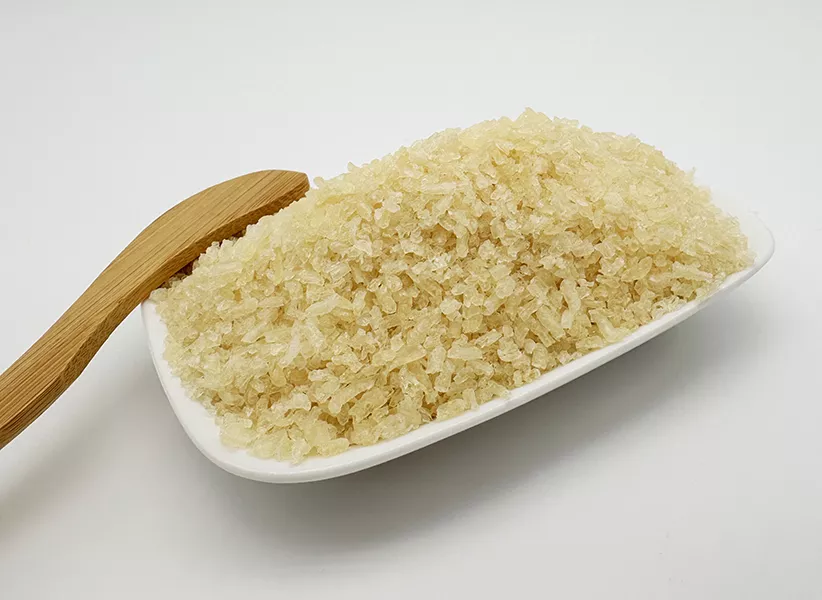
Our Bovine Hides Gelatin is engineered for versatility and compliance, ensuring performance across various applications.
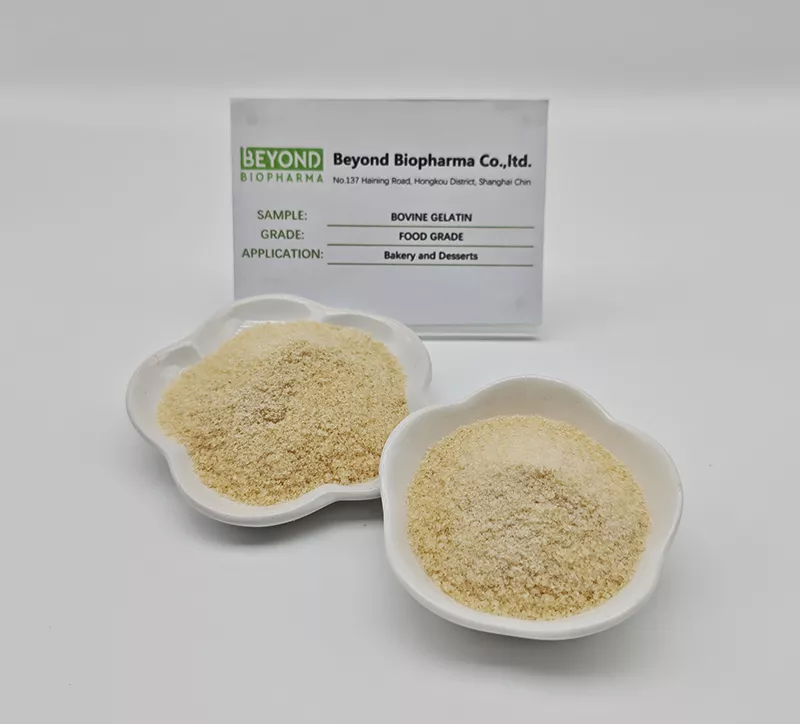
20 years experiences, 5000 ton/year capacity, Sustained supply with stable quality
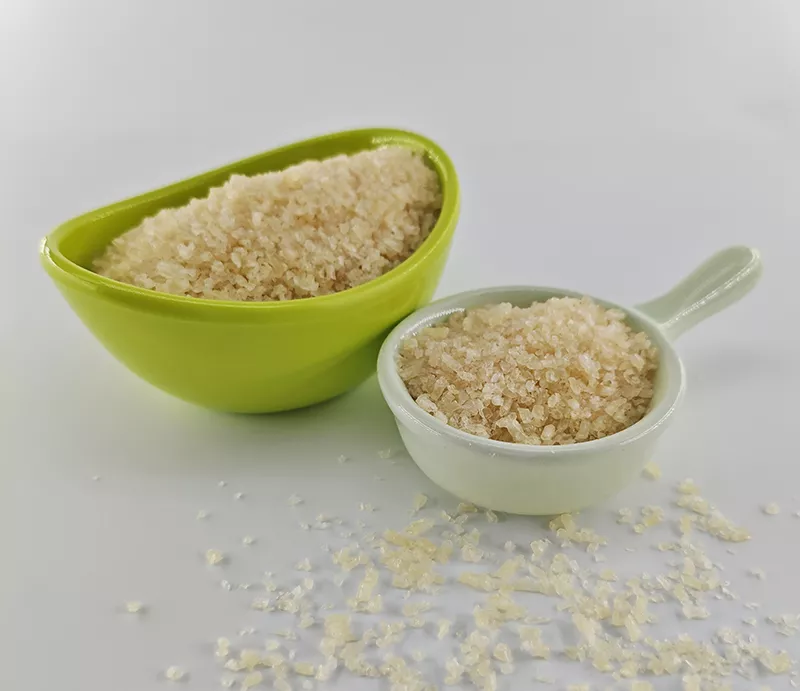
Stability, Swallowing Enhancement, and Controlled Release
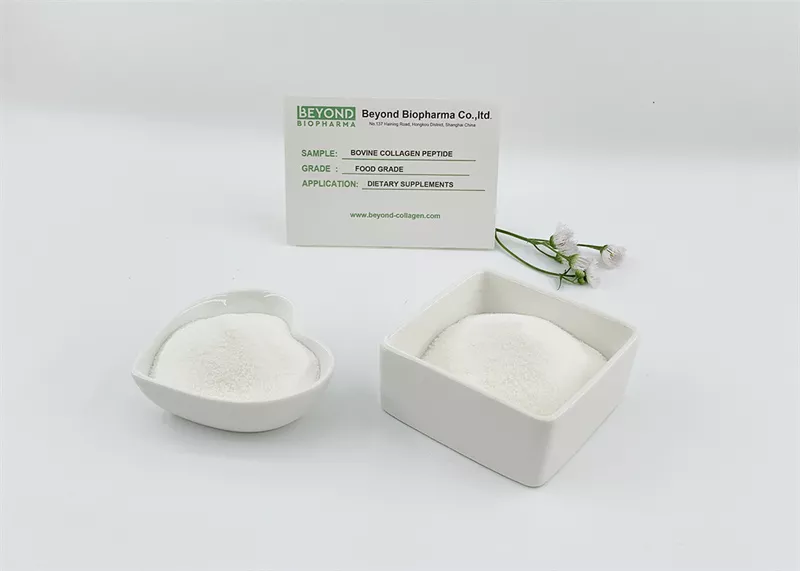
Manufacturer of bovine collagen peptide, shipping in containers all around the world
Tel:+86 21 65010906
Cell/Whatsapp/Wechat:
+86 13482884055
+86 18657345785
Email: sales@beyondbiopharma.com