 English EN


How to Use Gelatin Powder? Applications of Gelatin Powder
Use gelatin powder by blooming it in cold water, dissolving gently, and adding to recipes for perfect texture in desserts, sauces, and supplements.
More
Beyond Biopharma
Jun-29-2026
Ballistic gelatin is a specially formulated substance designed to simulate the density and viscosity of human muscle tissue. Its primary composition includes purified gelatin powder mixed with distilled water in precise ratios, typically 10% gelatin to 90% water by weight. This mixture is heated and then cooled to form a consistent, transparent block that exhibits mechanical properties similar to living tissue.
The gelatin used is typically derived from bovine or porcine sources, with a bloom strength of around 250 to 300, which ensures the correct firmness. The water must be deionized or distilled to avoid impurities that could alter the gel's consistency. Some formulations include preservatives like sodium azide to prevent bacterial growth, but these are minimal to avoid affecting test results.
Ballistic gelatin is characterized by its density, which is approximately 1.07 g/cm³, closely matching human tissue. Its elasticity and tensile strength are calibrated to standardize penetration tests. Temperature control is critical; the gelatin must be maintained at 4°C (39°F) during testing to ensure consistent results. The material's transparency also allows for easy observation of wound channels and projectile paths.
Due to its reproducible properties, ballistic gelatin is used to evaluate bullet penetration, expansion, and fragmentation. It is also employed in testing less-lethal munitions and body armor. For accurate results, the gelatin must be prepared according to strict protocols, including degassing to remove air bubbles and aging for 24 hours to achieve uniform consistency.
High-quality gelatin is essential for reliable testing. For standardized gelatin sheets suitable for consistent gels, consider this product. For micro-encapsulation applications, this option provides fine-grade material. Additionally, high bloom gelatin for hard capsules is available here.
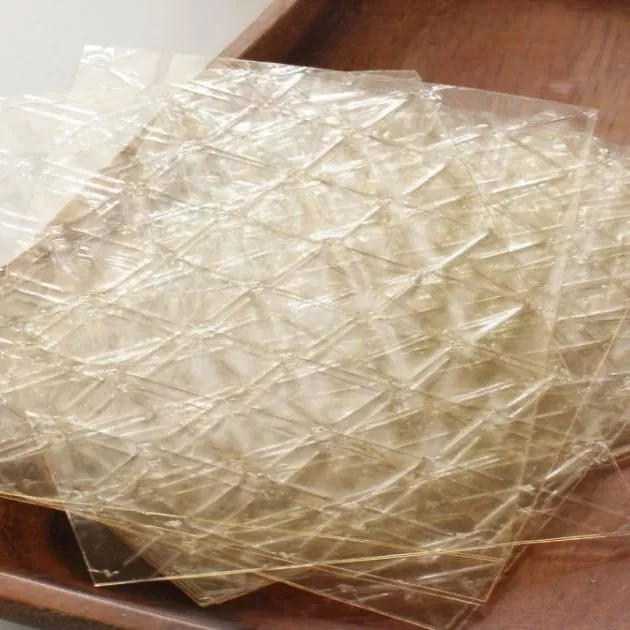
Begin by measuring the precise amount of ballistic gelatin powder using a digital scale. Accurate weight is critical for achieving the desired concentration, typically 10% to 20% by mass depending on your testing protocol. Use distilled water heated to approximately 40°C to ensure complete dissolution without denaturing the protein structure.
Slowly sprinkle the gelatin powder into the warm water while stirring continuously to prevent clumping. A magnetic stirrer or whisk at low speed works best. Continue stirring until the solution becomes clear and free of lumps, usually 5 to 10 minutes. Avoid introducing air bubbles, as they can affect the final gel homogeneity.
Pour the mixture into a mold of known dimensions, ensuring the depth is uniform. Allow it to cool at room temperature for 30 minutes, then refrigerate at 4°C for at least 12 hours. For consistent results, always use the same cooling rate and storage conditions. For more details on selecting the right gelatin, refer to standardized gelatin sheets.
After refrigeration, verify the gel firmness with a calibrated penetrometer or by checking the temperature. The gel should be firm yet elastic, with no visible separation or cloudiness. Discard any batch that shows inconsistencies, as this will compromise ballistic test accuracy.
Store prepared gelatin blocks in sealed containers at 4°C until use. Use within 48 hours for optimal performance. Always label each block with preparation date and concentration to maintain traceability across tests.
To ensure accurate ballistics testing, the gelatin block must be calibrated to mimic the density and resistance of living tissue. This process involves precise mixing, temperature control, and validation against standardized ballistic data.
The calibration procedure typically requires measuring the gelatin's penetration resistance at 4°C, using a 0.177 caliber steel BB fired at 600 ft/s. The resulting penetration depth should fall within a specific range to confirm tissue equivalency.
| Parameter | Target Value | Tolerance |
|---|---|---|
| Gelatin Concentration | 10% by weight | ±0.5% |
| Block Temperature | 4°C (39°F) | ±1°C |
| BB Penetration Depth | 8.5 cm | ±0.5 cm |
| Block Dimensions | 30 cm x 30 cm x 20 cm | ±1 cm |
The data above represents the standard calibration parameters for ballistic gelatin used in wound ballistic studies, ensuring consistent and reproducible results across different testing environments.
For further details on gelatin preparation and validation protocols, refer to industry guidelines or consult product documentation from trusted suppliers such as standardized gelatin sheets or high bloom gelatin for consistent gel performance.
Position the prepared ballistic gelatin block at a measured distance from the firearm muzzle. Use a stable shooting rest or vise to eliminate human error and ensure consistent impact velocity for each test shot. Always follow safety protocols and use appropriate hearing and eye protection.
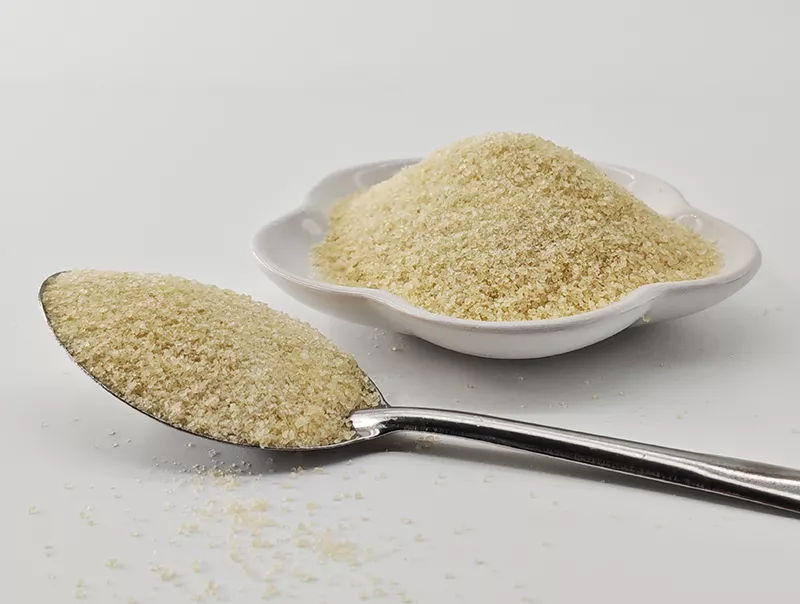
After each shot, carefully retrieve the projectile and use a clean measuring tape or ruler to record the total penetration depth from the block’s impact face to the deepest point of the wound channel. For temporary cavity measurement, use high-speed video analysis or calipers immediately after the shot before the gelatin relaxes.
Compare your measured penetration depth against standardized FBI or IWBA criteria to evaluate ammunition performance. For consistent results, maintain gelatin temperature between 4-10°C (39-50°F) and calibrate your chronograph before each test session. For more information on gelatin preparation standards, visit this resource.
After conducting ballistic tests using properly prepared gelatin blocks, the next critical step involves examining the wound cavity data. The temporary cavity, which represents the maximum stretch of the gelatin during projectile passage, and the permanent cavity, which reflects the crushed tissue path, must be measured with precision. Use a calibrated ruler or digital caliper to record the length, width, and depth of each cavity. For consistent results, always photograph the gelatin block against a grid background for scale reference.
Interpreting test outcomes requires understanding how the gelatin's response correlates with real tissue behavior. A well-formed permanent cavity indicates effective energy transfer, while irregular shapes may suggest projectile yaw or fragmentation. Compare your measured cavity volumes against standardized data from sources like standardized gelatin sheets to validate your testing methodology. For micro-encapsulation studies, refer to gelatin for micro-encapsulation for additional reference.
When analyzing high-velocity impacts, pay close attention to the temporary cavity's expansion rate. This data helps in assessing the potential for blunt force trauma. Document the time-stamped video footage alongside your gel block measurements to correlate dynamic behavior with final cavity dimensions. For hard capsule applications, high bloom gelatin for hard capsules offers insights into gel strength consistency.
To ensure reliable interpretation, always run control tests with the same gelatin batch. Variations in temperature, humidity, or gelatin concentration can skew results. If using food-grade hyaluronic acid, check food grade hyaluronic acid HA powder for compatibility with your test medium. For softgel capsule research, ultra high viscosity gelatin for softgel capsules provides viscosity benchmarks.
Finally, compile your wound cavity data into a standardized report format. Include measurements, photographs, and calculated energy transfer values. Cross-reference your findings with established wound ballistics literature. For vegan alternatives, premium vegan glucosamine hydrochloride HCl may offer alternative testing mediums. Halal and kosher certified fish gelatin from halal and kosher verified fish gelatin ensures dietary compliance in research settings.
For advanced joint impact studies, bovine chondroitin sulfate sodium from bovine chondroitin sulfate sodium and hydrolyzed collagen type II powder from hydrolyzed collagen type II powder provide additional calibration standards. Always validate your gelatin batch against these reference materials to ensure accurate wound cavity interpretation.


We provide you with comprehensive foreign trade solutions to help enterprises achieve global development
The High-Performance Barrier for Core Material Protection and Controlled Release.
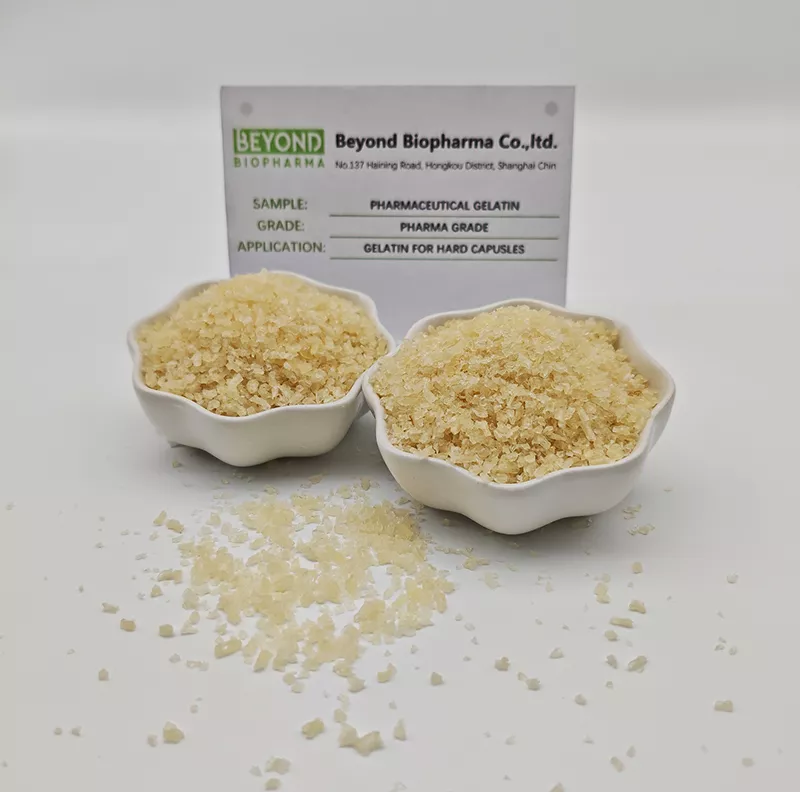
Precision, Purity, and Optimal Machinability
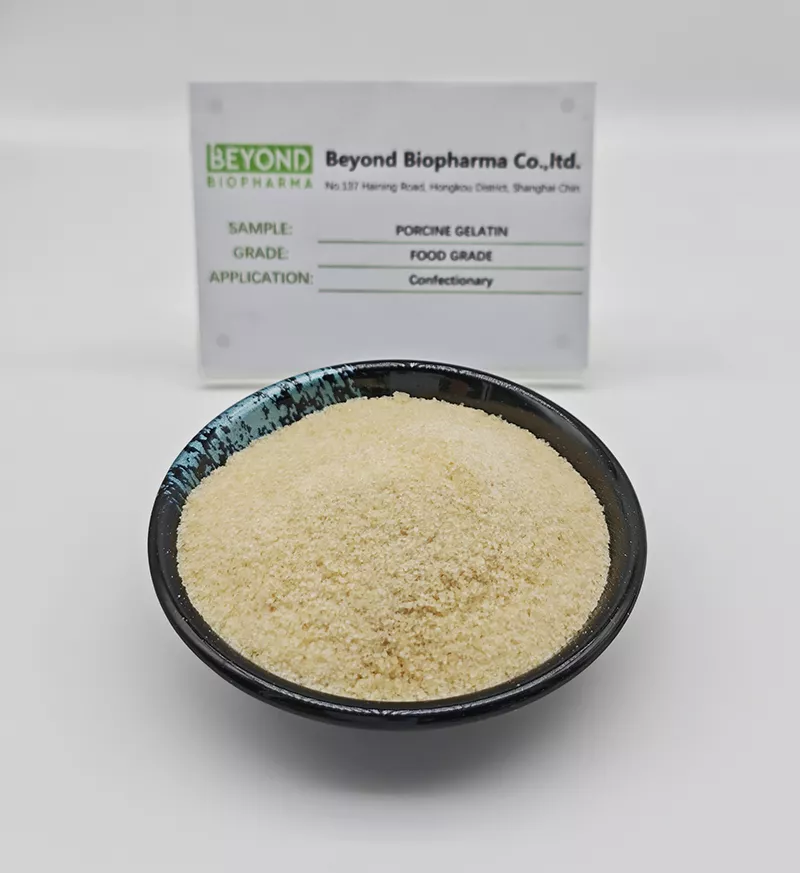
Food-grade porcine gelatin is a highly versatile and cost-effective natural protein derived from the collagen found in pig skin and bones. It is a premier gelling agent known for its exceptional clarity, neutral taste, and thermal reversibility.
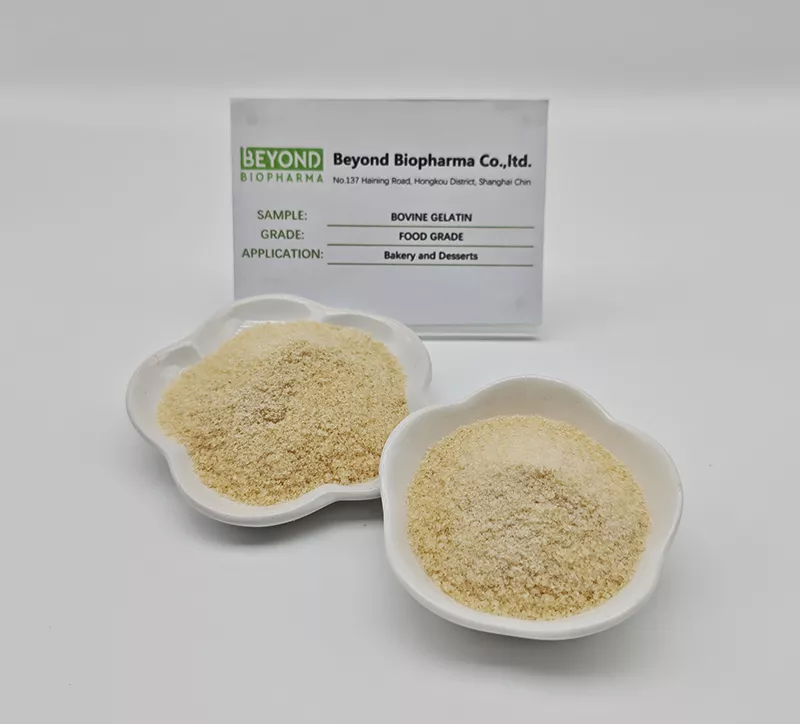
20 years experiences, 5000 ton/year capacity, Sustained supply with stable quality
Tel:+86 21 65010906
Cell/Whatsapp/Wechat:
+86 13482884055
+86 18657345785
Email: sales@beyondbiopharma.com




