English EN


Collagen Powder Supplements: What Are the Pros and Cons
Collagen powder offers benefits for skin and joints but may cause side effects. Weigh the pros and cons to decide if collagen powder fits your needs.
More
By Beyond Biopharma | Jun-20-2026
Selecting a reliable collagen manufacturer is critical for brands aiming to deliver premium supplements that meet consumer expectations for purity, efficacy, and safety. The evaluation process begins with a thorough review of manufacturer certifications such as GMP, NSF, or ISO 22000, which indicate adherence to strict quality standards and regulatory compliance. Equally important is assessing the sourcing and raw material quality—collagen derived from grass-fed bovine hides, wild-caught marine fish, or organic chicken bone broth often yields superior amino acid profiles and bioavailability. Production capabilities, including hydrolysis technology and batch consistency, directly impact the final product’s solubility and absorption. Transparent third-party testing for heavy metals, microbiological contaminants, and potency provides an additional layer of trust and credibility. Finally, comparing pricing structures, minimum order quantities, and supply chain reliability helps ensure a sustainable partnership that supports long-term business growth. By systematically evaluating these factors, supplement brands can confidently partner with manufacturers that uphold the highest standards of quality and integrity in the competitive collagen market.
Selecting a collagen manufacturer requires a thorough review of their certifications and adherence to quality benchmarks. These credentials serve as a reliable indicator of product purity, potency, and safety.
Key Certifications to Look For
A reputable manufacturer should hold certifications such as GMP (Good Manufacturing Practices), ISO 9001, and HACCP. These ensure that production processes meet international safety and quality standards. Additionally, third-party testing for heavy metals, microbial contaminants, and allergen control is essential for consumer trust.
For more details on certified collagen products, explore resources like pharmaceutical-grade gelatin options or fish collagen peptide supplements.
Quality Standards in Manufacturing
High-quality collagen production involves strict control over raw material sourcing, processing temperatures, and hydrolysis methods. Manufacturers should provide detailed specifications regarding molecular weight distribution, amino acid profile, and solubility. Traceability from farm to final product is a mark of excellence.
Reviewing standard operating procedures and batch testing records is recommended. For instance, bovine collagen peptide production and hydrolyzed type II collagen powder often follow rigorous protocols.
Verification and Transparency
Look for manufacturers that openly share their certification documents and audit results. Transparency in sourcing—whether from bovine, porcine, or marine origins—is crucial. Suppliers should also disclose any additives, preservatives, or processing aids used.
Examples of transparent manufacturing include edible bovine gelatin and standardized gelatin sheets, where quality data is readily available.
Regulatory Compliance
Ensure the manufacturer complies with regional regulations such as FDA, EFSA, or CFDA standards. This includes proper labeling, allergen declarations, and adherence to pharmacopoeia requirements for pharmaceutical-grade products.
For BSE-free and high-viscosity options, consider pharmaceutical-grade bovine bone gelatin or ultra-high viscosity gelatin.
Third-Party Testing and Certificates of Analysis
Reputable manufacturers provide Certificates of Analysis (CoA) for each batch, verifying potency, purity, and absence of contaminants. Independent lab testing adds an extra layer of assurance. Always request recent CoAs before committing to a supplier.
Check sources like bovine chondroitin sulfate for examples of products backed by thorough testing protocols.
The foundation of any premium collagen supplement lies in the origin and purity of its raw materials. Manufacturers who prioritize ethical sourcing and rigorous testing ensure a final product that is both effective and safe for consumers.
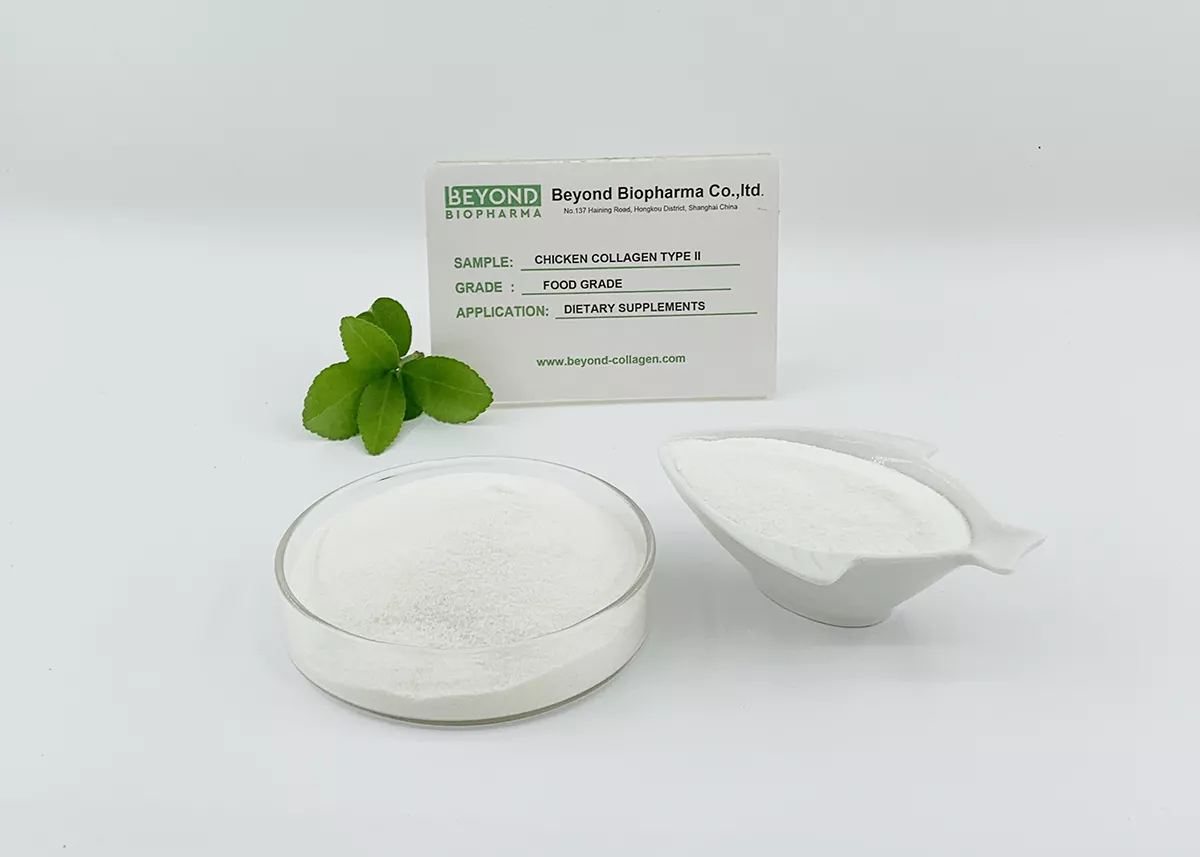
Bovine collagen derived from grass-fed, pasture-raised cattle offers a rich source of Type I and Type III collagen, ideal for skin and bone health. Marine collagen, sourced from wild-caught fish skin and scales, provides highly bioavailable Type I collagen, known for its superior absorption and benefits for skin elasticity.
Reputable manufacturers invest in third-party testing for heavy metals, contaminants, and microbiological purity. Look for certifications such as GMP (Good Manufacturing Practices), NSF, or USP verification, which confirm that the raw materials meet strict quality standards from farm to finished product.
A transparent supply chain allows buyers to trace the collagen from its original source through processing and packaging. Manufacturers who provide detailed documentation about their sourcing regions, animal welfare practices, and hydrolysis processes demonstrate a commitment to quality that directly impacts the potency and safety of the supplement.
To ensure high-quality collagen supplements, it is essential to evaluate the manufacturer's production processes, including raw material sourcing, hydrolysis methods, purification steps, and quality control protocols. Below is a comparative analysis of key manufacturing capabilities across different production stages.
| Production Stage | Key Parameters | Quality Indicators | Testing Methods |
|---|---|---|---|
| Raw Material Sourcing | Bovine hides, fish skin, bones | BSE-free, heavy metal free | Certificate of Analysis, third-party audit |
| Hydrolysis Process | Enzymatic hydrolysis, temperature control | Molecular weight 2-5 kDa, high solubility | Gel filtration, HPLC |
| Purification & Filtration | Activated carbon, ion exchange | Low ash content, clear solution | Conductivity test, turbidity measurement |
| Spray Drying | Inlet temp 180°C, outlet temp 80°C | Moisture | Karl Fischer, sieve analysis |
| Quality Control | Microbiology, heavy metals, protein content | Meets USP/EP standards | ICP-MS, microbial limit test |
Manufacturers with advanced hydrolysis technology and rigorous purification steps consistently produce collagen peptides with superior bioavailability and functional properties. For example, standardized gelatin sheets used in consistent gel formulations require precise viscosity control, while pharmaceutical-grade bone gelatin for hard capsules demands BSE-free certification and low endotoxin levels. Evaluating these capabilities helps in selecting a supplier that meets specific product requirements.
Learn more about specific manufacturing capabilities:

Independent laboratory verification is the gold standard for supplement quality assurance. Reputable collagen manufacturers submit their products to third-party testing for purity, potency, and contaminant screening, including heavy metals, microbes, and allergens. Certificates of Analysis (CoAs) from accredited labs should be readily accessible to consumers, confirming that the actual product meets label claims and safety thresholds.
Transparency extends beyond testing results. Leading manufacturers disclose sourcing details—such as the origin of bovine hides or fish scales—and the specific extraction methods used (enzymatic hydrolysis, for example). They also clearly state the collagen type (I, II, or III) and molecular weight range, as these factors directly influence bioavailability and efficacy.
Look for manufacturers that publish batch-specific CoAs on their website or provide them upon request. Some go further by offering QR codes on product packaging that link directly to test results for that specific lot. This level of transparency builds trust and allows you to verify the quality of each purchase.
Additionally, certifications from organizations like NSF International, USP, or the Non-GMO Project indicate a commitment to rigorous quality control. When a manufacturer embraces third-party oversight and open communication about their processes, it signals a dedication to producing safe, effective collagen supplements.
When evaluating collagen manufacturers, pricing structure directly impacts your product margins. Request bulk pricing tiers and compare cost per kilogram across different suppliers. Transparent pricing without hidden fees indicates a reliable partner.
Minimum order quantities (MOQs) vary significantly. Some manufacturers require large commitments, while others offer flexible starting volumes. Assess your production scale and choose a supplier whose MOQ aligns with your current needs and growth projections.
Supply reliability ensures consistent product availability. Evaluate lead times, production capacity, and backup inventory. A manufacturer with robust supply chain management minimizes disruptions. For detailed product specifications, review standardized gelatin sheets or edible bovine gelatin options.
Compare quotes from multiple manufacturers. Look for volume discounts and long-term contract benefits. High-quality collagen often commands a premium, but verify that pricing reflects purity and bioavailability. Check pharmaceutical-grade bovine bone gelatin for stringent quality standards.
Additional costs such as shipping, customs, and testing should be factored into total cost analysis. A slightly higher unit price may be justified by superior quality and reliability.
MOQs can range from small trial batches to large industrial volumes. For startups, lower MOQs reduce initial risk. Established businesses may prefer higher MOQs for better pricing. Explore bovine collagen peptide for energy bars to understand typical order sizes.
Negotiate MOQ flexibility, especially for new partnerships. Some manufacturers offer staggered orders or sample kits before committing to large quantities.
Reliable suppliers maintain consistent stock levels and clear communication. Check their production certifications and quality control processes. For sensitive applications like premium pharmaceutical gelatin for tablet coating, supply chain stability is critical.
Evaluate backup manufacturing sites and raw material sourcing. A manufacturer with multiple production facilities offers better supply assurance. Also review fish collagen peptide for skin health sourcing details.
Long-term partnerships benefit from shared demand forecasts and inventory planning. Confirm lead times and emergency protocols. For specialized ingredients like bovine chondroitin sulfate sodium or ultra-high viscosity gelatin for softgels, ensure consistent quality across batches. For joint health products, see hydrolyzed collagen type II powder.
Selecting the right collagen manufacturer requires a thorough evaluation of multiple critical factors. From verifying certifications and quality standards to assessing the purity and origin of raw materials, each step ensures the final supplement meets safety and efficacy benchmarks.
The production process and manufacturing capabilities directly impact product consistency and bioavailability. Equally important is a manufacturer’s commitment to third-party testing and transparent practices, which provide an unbiased verification of label claims and contaminant screening.
Finally, practical considerations such as pricing, minimum order quantities, and supply reliability must align with your business model. A balanced assessment of these elements will lead to a partnership that supports both product excellence and long-term operational stability.
Key Takeaway: Prioritize manufacturers who demonstrate verifiable quality at every stage—from sourcing to final testing—and who offer transparent, reliable business terms.


We provide you with comprehensive foreign trade solutions to help enterprises achieve global development
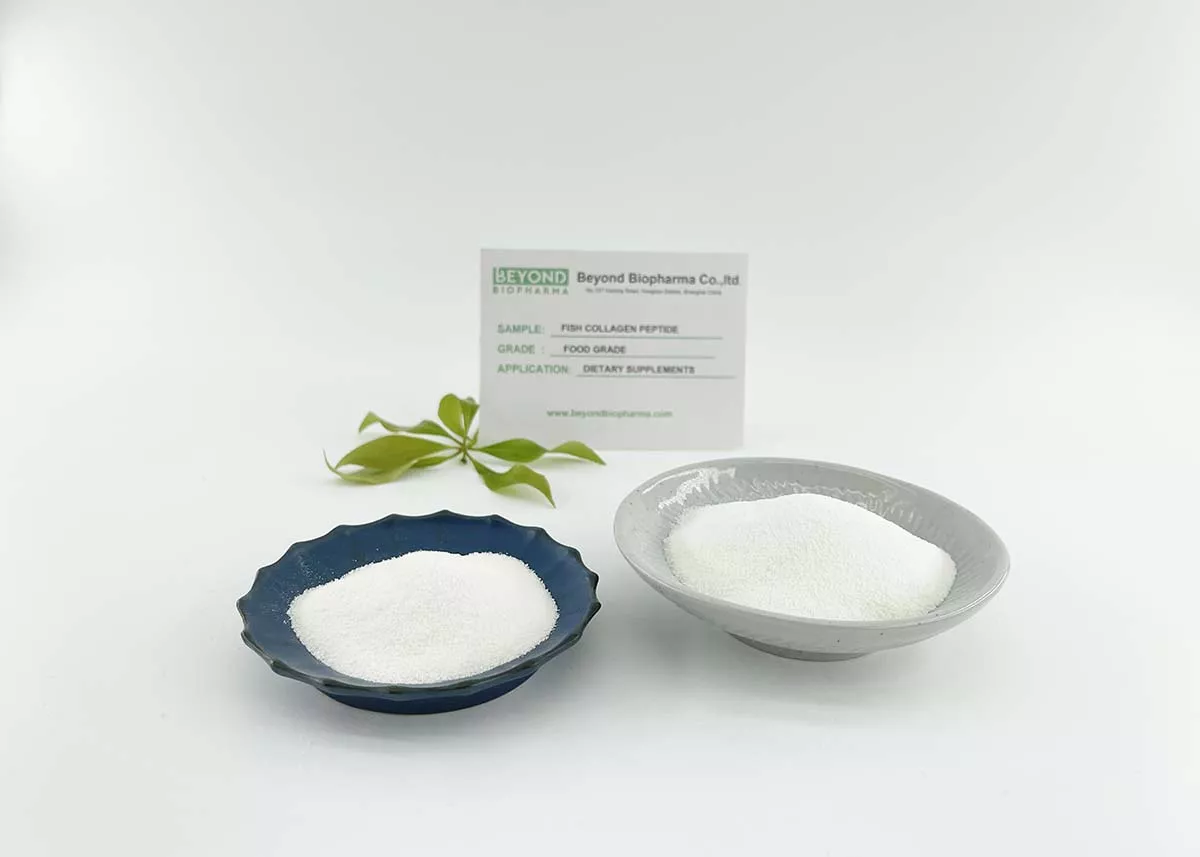
Premium marine-sourced collagen peptides with >90% protein content and low molecular weight (1000-3000 Da) for superior bioavailability. Sustainably sourced, neutral taste, and fully soluble—ideal for nutricosmetics and functional foods.
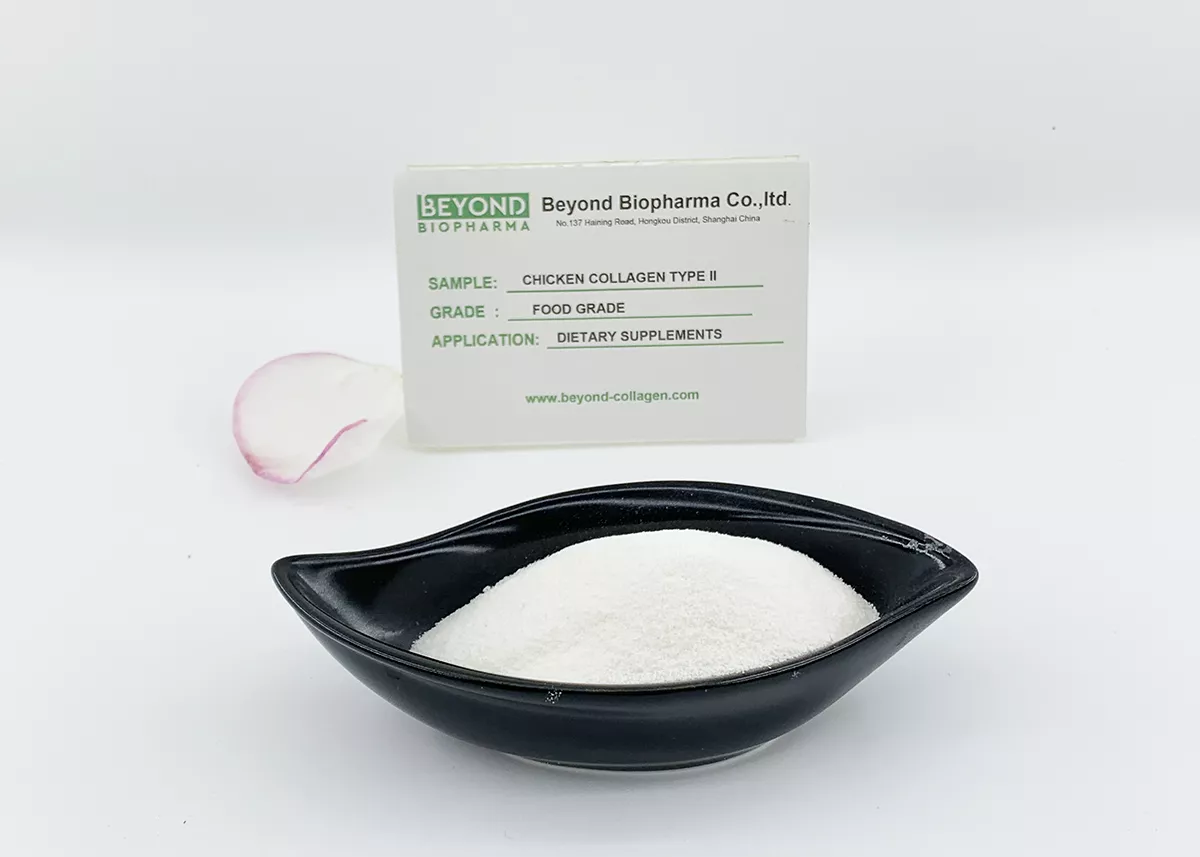
BEYOND BIOPHARMA is a specialized manufacturer of high-quality Undenatured Collagen Type II. Utilizing low-temperature, non-enzymatic extraction methods, our Undenatured Collagen Type II retains its native, triple-helix structure, essential for modulating the immune system's response to joint health and providing superior support for mobility, flexibility, and overall joint comfort.
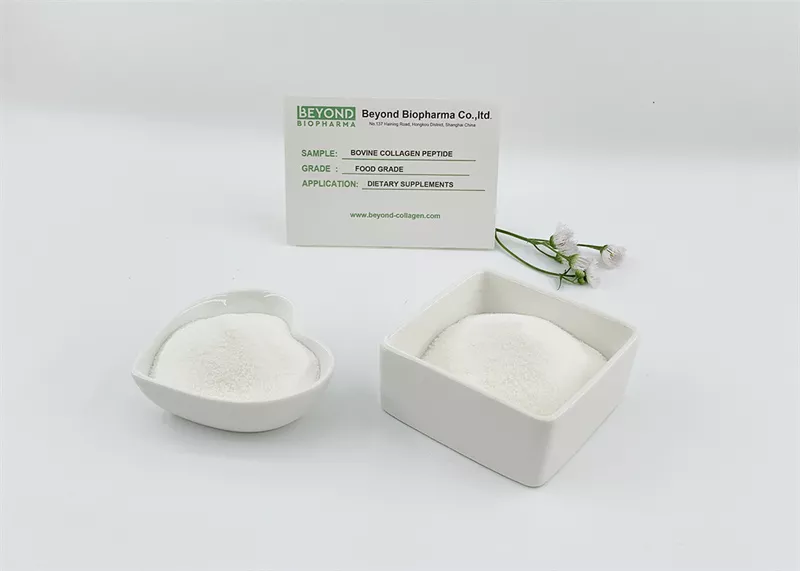
Manufacturer of bovine collagen peptide, shipping in containers all around the world
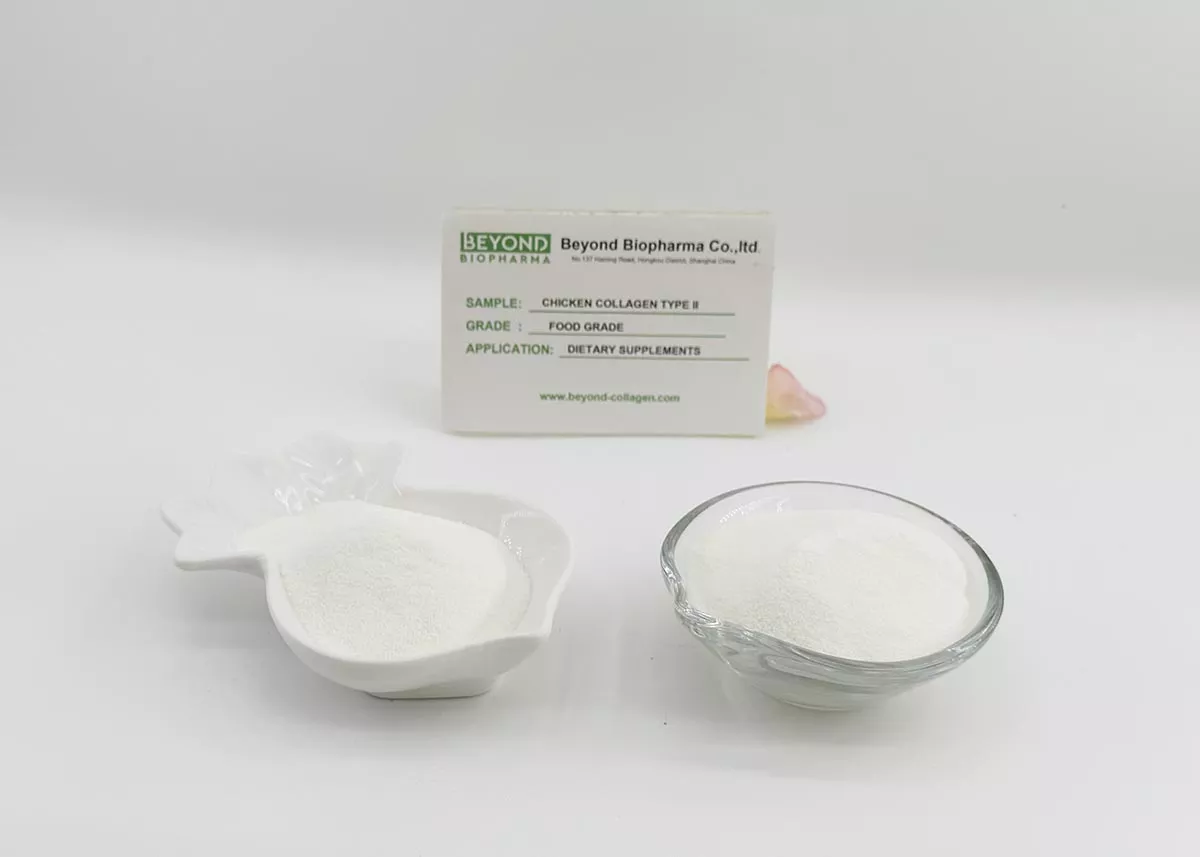
BEYOND BIOPHARMA is a specialized manufacturer of highly purified Hydrolyzed Collagen Type II. Through advanced enzymatic hydrolysis, we create low-molecular-weight collagen peptides that are highly bioavailable, offering foundational nutritional support for cartilage repair, joint function, and skin health. Our product is designed for rapid absorption and maximum efficacy in oral supplements.
Tel:+86 21 65010906
Cell/Whatsapp/Wechat:
+86 13482884055
+86 18657345785
Email: sales@beyondbiopharma.com