English EN


How Bovine and Marine Collagen Peptides Differ in Benefits and Uses
Bovine collagen peptide supports joints and muscles, while marine collagen boosts skin and hair. Compare benefits, uses, and absorption for your needs.
More
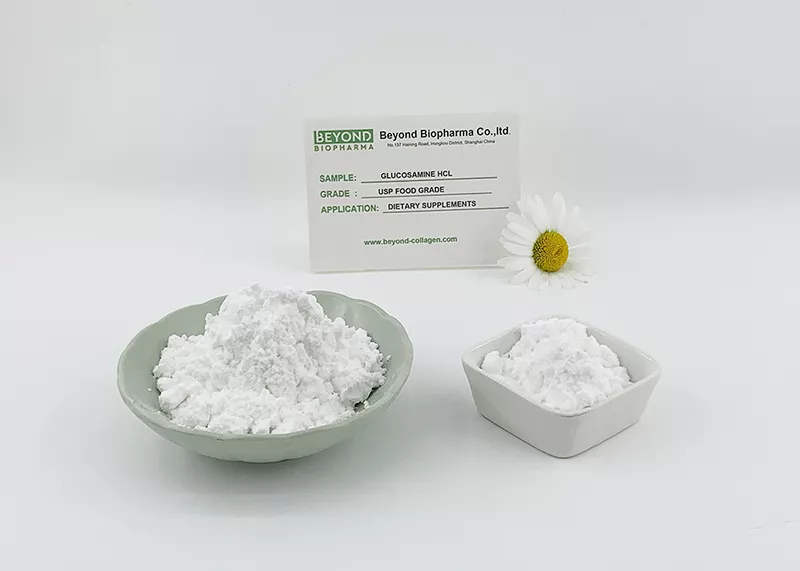
The journey of bovine collagen begins with cattle hides, which are a byproduct of the meat industry. Using these hides reduces waste and supports a more sustainable food system. Only hides from healthy, grass-fed or pasture-raised animals are selected, and they are sourced from certified, traceable farms. This ensures the collagen is clean and free from contaminants. The hides are immediately chilled and transported to processing facilities to maintain freshness.
Once at the facility, the hides undergo a thorough cleaning process. They are washed with cool water to remove dirt, blood, and any surface impurities. The hides are then cut into smaller pieces to increase the surface area for the next steps. This stage is critical because any leftover debris can affect the purity and taste of the final collagen powder. After cutting, the pieces are soaked in a mild acid or alkaline solution to soften the tissue and prepare it for extraction.
The core of the manufacturing process is hydrolysis, which breaks the long collagen protein chains into smaller peptides. This is done using enzymes at a controlled temperature, typically around 50–60°C (122–140°F). The enzymatic reaction is gentle and preserves the amino acid profile, including high levels of glycine, proline, and hydroxyproline. The result is a hydrolyzed collagen that is easily digestible and dissolves in both hot and cold liquids. The process usually takes several hours, and the progress is monitored to achieve the desired molecular weight, often between 2,000 and 5,000 Daltons.
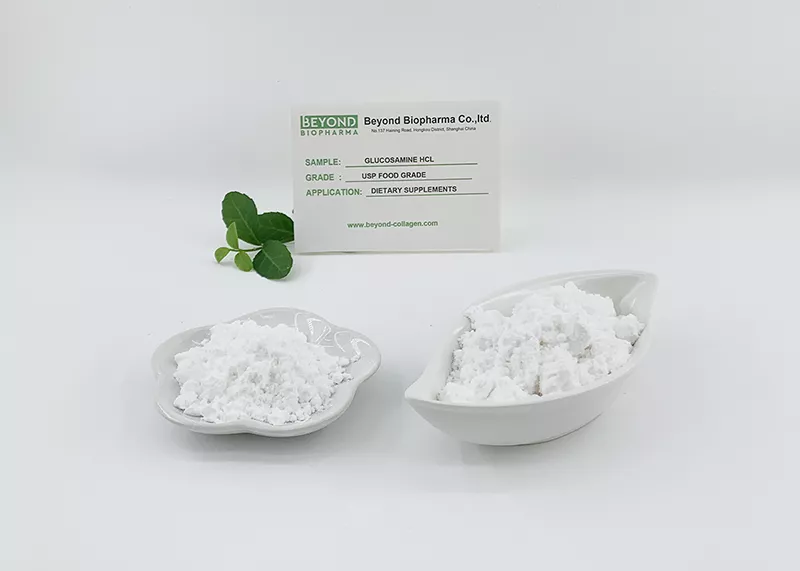
After hydrolysis, the liquid collagen mixture contains some insoluble residues and fats. It passes through a series of filters, starting with coarse screens and moving to finer membrane filters. This step removes any remaining solids, lipids, and larger protein fragments. Some manufacturers also use activated carbon filtration to eliminate any off-odors or colors. The result is a clear, light amber liquid that is nearly pure collagen peptides in solution.
The purified liquid is then concentrated using evaporation under vacuum, which removes a large portion of the water without exposing the collagen to high heat. This is followed by spray drying, where the liquid is atomized into a fine mist inside a hot air chamber. The water evaporates instantly, leaving behind a fine, free-flowing powder. Spray drying is preferred because it preserves the peptide structure and ensures a consistent particle size. The powder is then cooled and collected in sealed containers.
Every batch of bovine collagen undergoes rigorous testing before it reaches the market. Third-party labs check for heavy metals like lead and arsenic, microbial contamination, and solvent residues. The protein content is verified to be at least 90% by dry weight. Many manufacturers also test for specific amino acid profiles to confirm the collagen type (usually Type I and Type III). Certifications such as Halal, Kosher, and non-GMO are common, and they provide additional assurance for consumers. For example, you can find bovine collagen peptide for energy bar products that meet these strict standards.
Once the powder passes all tests, it is packaged in moisture-proof, food-grade bags or containers. The packaging is often flushed with nitrogen to prevent oxidation and extend shelf life. Bovine collagen powder is best stored in a cool, dry place away from direct sunlight. When stored properly, it can remain stable for up to two years without losing its functional properties. The final product is a neutral-tasting powder that mixes easily into beverages, soups, or baked goods.
Bovine collagen is rich in Type I and Type III collagen, which are the most abundant forms in the human body. It supports skin elasticity, joint health, and bone density. Compared to marine collagen, it is often more affordable and has a longer shelf life. The production process is well-established and highly regulated, making it a reliable choice for both manufacturers and consumers. Whether you are formulating a new supplement or simply adding collagen to your morning coffee, understanding how it is made helps you make an informed decision.
If you are interested in learning more about different collagen types or exploring other protein sources, you can check out rice protein peptide manufacturing or walnut peptide powder production for plant-based alternatives.


We provide you with comprehensive foreign trade solutions to help enterprises achieve global development
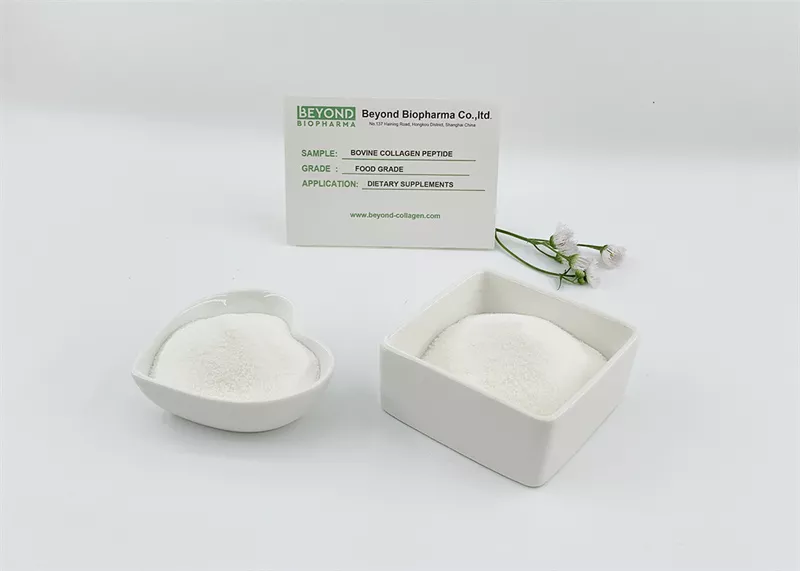
Manufacturer of bovine collagen peptide, shipping in containers all around the world
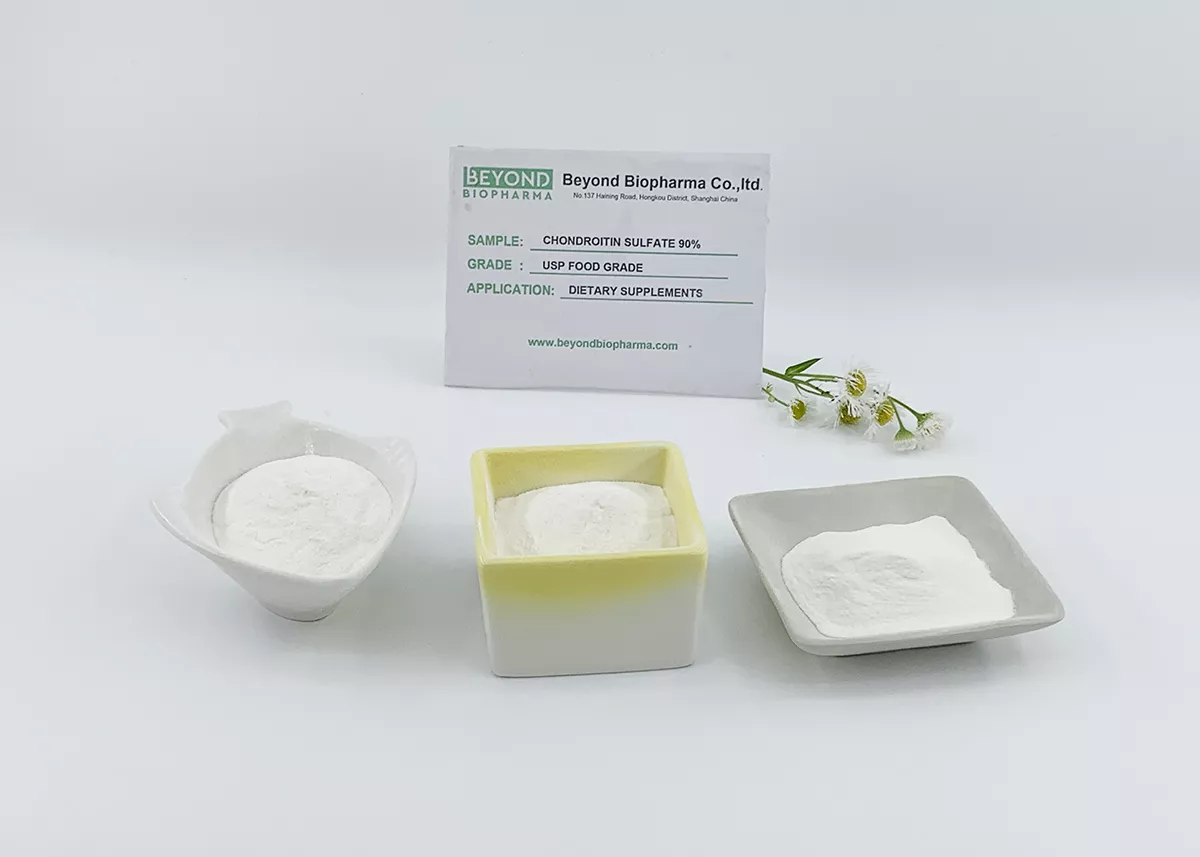
High Purity and Efficacy for Joint Health Formulations
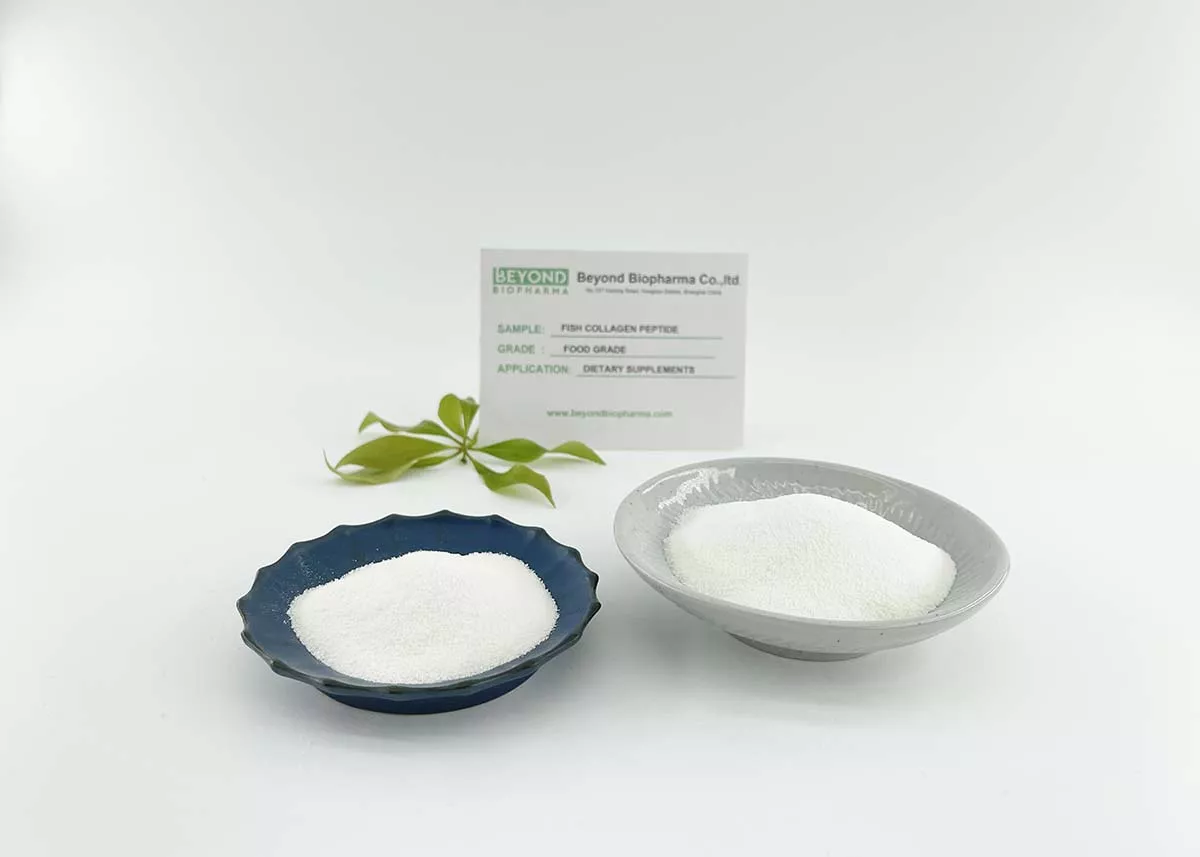
Premium marine-sourced collagen peptides with >90% protein content and low molecular weight (1000-3000 Da) for superior bioavailability. Sustainably sourced, neutral taste, and fully soluble—ideal for nutricosmetics and functional foods.
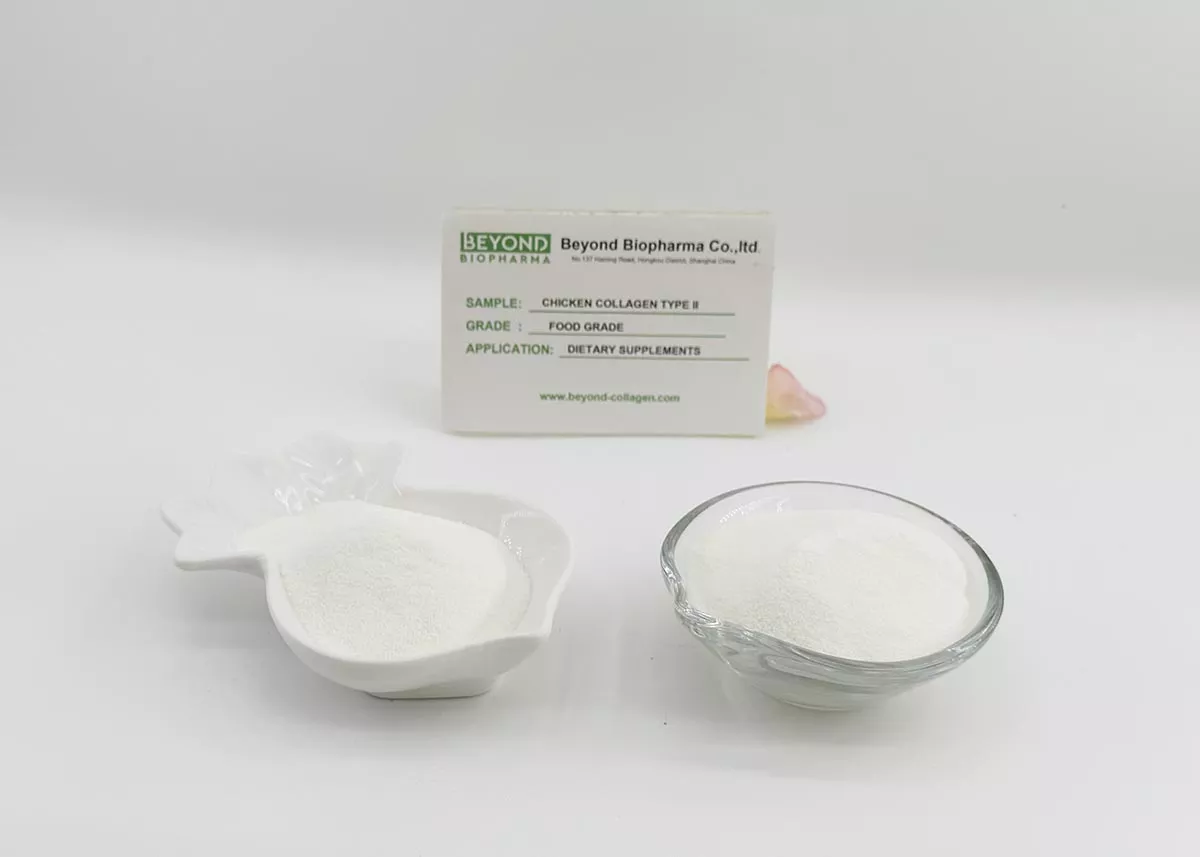
BEYOND BIOPHARMA is a specialized manufacturer of highly purified Hydrolyzed Collagen Type II. Through advanced enzymatic hydrolysis, we create low-molecular-weight collagen peptides that are highly bioavailable, offering foundational nutritional support for cartilage repair, joint function, and skin health. Our product is designed for rapid absorption and maximum efficacy in oral supplements.
Tel:+86 21 65010906
Cell/Whatsapp/Wechat:
+86 13482884055
+86 18657345785
Email: sales@beyondbiopharma.com