 English EN


How Fish Collagen Powder Supports Skin and Joint Health
Fish collagen powder boosts skin hydration, elasticity, and joint health with fast-absorbing peptides for visible results and pain relief.
More
The primary distinction between gelatin and collagen lies in their molecular architecture. Collagen is a full-length, triple-helix protein found naturally in connective tissues, while gelatin is a partially hydrolyzed form derived from collagen through heat processing. This structural change significantly impacts how the body absorbs and utilizes each compound.
Collagen peptides are broken down into smaller chains of amino acids, known as dipeptides and tripeptides, which are more readily absorbed in the gastrointestinal tract. In contrast, gelatin forms a gel-like structure that requires more extensive enzymatic breakdown before absorption, potentially reducing its bioavailability for targeted delivery to skin, joints, and gut tissues.
For those seeking high-bioavailability options, collagen peptides are often preferred, while gelatin may be chosen for its functional properties in food and capsule manufacturing. Learn more about specific product applications through the following resources:
Understanding these molecular differences helps in selecting the right ingredient for specific health goals, whether it is improving skin elasticity, supporting joint function, or enhancing gut barrier integrity.
When it comes to skin health, both gelatin and collagen are prized for their ability to boost elasticity, maintain hydration, and combat visible signs of aging. However, their molecular structures and absorption rates create distinct advantages for different skin concerns.
Collagen peptides, particularly hydrolyzed collagen, are broken down into smaller amino acids that are readily absorbed and distributed to the dermis. Studies suggest that consistent intake can stimulate fibroblasts to produce new collagen, improving skin firmness and reducing sagging over time. Gelatin, while also derived from collagen, has a larger peptide chain and may provide a more gradual release of amino acids, supporting the skin's structural matrix in a sustained manner.
Hydration is a key marker of youthful skin. Hydrolyzed collagen has been shown to increase hyaluronic acid synthesis in the skin, leading to improved moisture content and reduced transepidermal water loss. Gelatin, due to its gelling properties, may help form a protective layer in the digestive tract, indirectly supporting nutrient absorption that benefits skin hydration. Both forms contribute to a plumper, more supple complexion.
Clinical trials indicate that collagen peptides can reduce wrinkle depth and improve skin density, particularly around the eyes and forehead. The high glycine and proline content in both gelatin and collagen supports the body's natural repair processes, protecting against oxidative stress and environmental damage. Gelatin's unique structure may also promote better joint and gut health, which indirectly influences skin clarity and aging.
Ultimately, the choice between gelatin and collagen for skin health depends on your specific goals. For rapid absorption and targeted anti-aging benefits, hydrolyzed collagen is often preferred. For a multi-functional approach that also supports digestion and joint comfort, gelatin offers a versatile alternative. Incorporating either into a balanced routine can yield visible improvements in skin texture, hydration, and resilience.
Both gelatin and collagen are widely studied for their roles in joint health, particularly in supporting cartilage integrity and modulating inflammatory responses. While collagen peptides are often praised for bioavailability, gelatin offers a unique gel-forming property that may influence joint lubrication. Below is a comparative overview of their key attributes for joint and cartilage support.
| Parameter | Gelatin | Collagen Peptides |
|---|---|---|
| Molecular Structure | Partially hydrolyzed, larger chains | Fully hydrolyzed, short peptides |
| Bioavailability | Moderate | High |
| Cartilage Repair Support | Stimulates chondrocyte activity | Provides building blocks for collagen synthesis |
| Inflammation Reduction | May reduce joint pain via gel matrix | Inhibits pro-inflammatory cytokines |
| Typical Dosage (daily) | 10–15 g | 10–15 g |
The table highlights that while collagen peptides offer superior absorption, gelatin’s unique structure may provide additional mechanical benefits for joint lubrication. Both forms contribute to cartilage repair by supplying essential amino acids like glycine and proline. For individuals seeking targeted inflammation control, collagen peptides may have a slight edge due to their bioactive dipeptides.
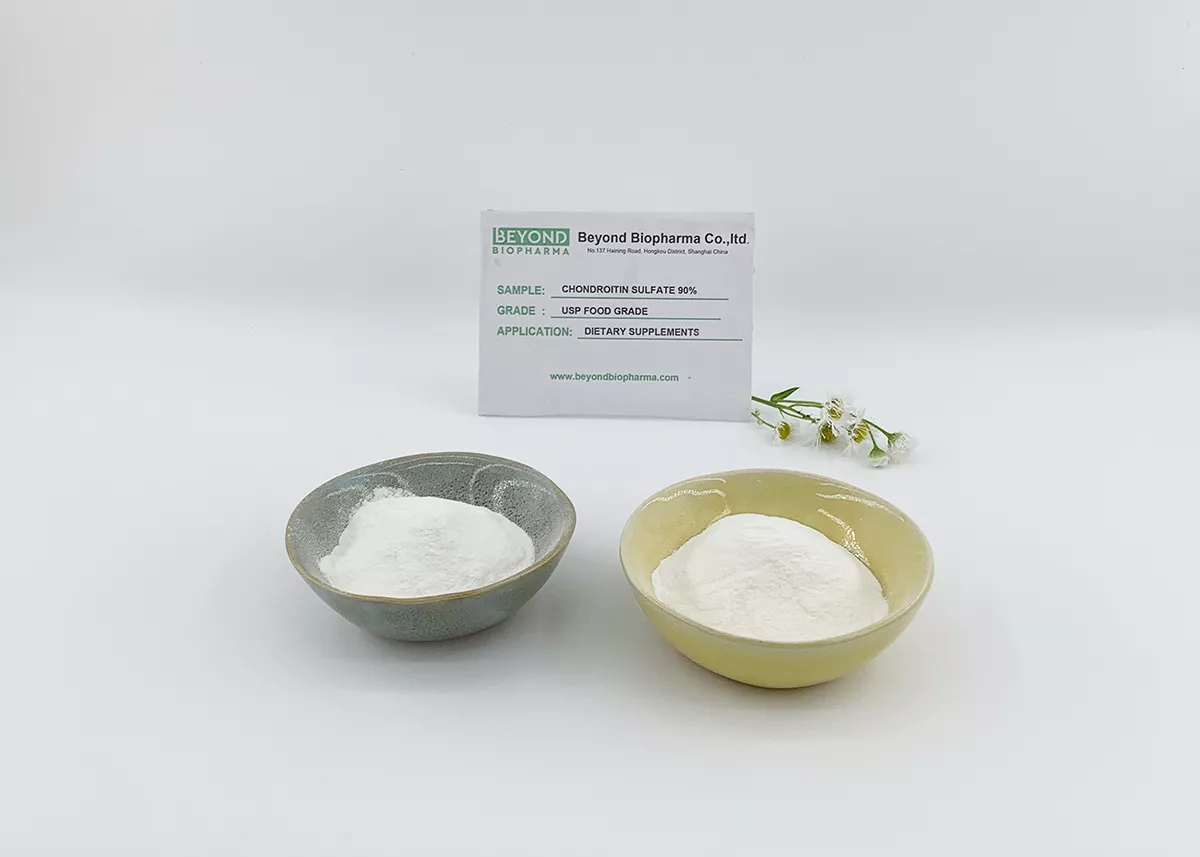
For further details on specific product applications, refer to resources such as bovine chondroitin sulfate or vegan glucosamine hydrochloride which are often used alongside collagen-based therapies. Additionally, pharmaceutical-grade bovine bone gelatin provides a reliable source for joint support formulations.
Both gelatin and collagen are derived from animal connective tissues and share a similar amino acid profile, rich in glycine, proline, and hydroxyproline. However, their processing and molecular structure lead to distinct roles in supporting gut health, particularly in repairing the intestinal lining and managing permeability.
Gelatin, formed through partial hydrolysis of collagen, retains a gel-like consistency and is more easily broken down in the digestive tract. It acts as a soothing agent for the gut lining, helping to reduce inflammation and support the regeneration of mucosal cells. This makes it particularly beneficial for individuals with leaky gut syndrome or inflammatory bowel conditions.
Collagen peptides, on the other hand, are more extensively hydrolyzed, resulting in smaller peptides that are rapidly absorbed into the bloodstream. These peptides signal the body to produce its own collagen and extracellular matrix components, which can strengthen the tight junctions between intestinal cells. This mechanism directly addresses increased intestinal permeability by reinforcing the barrier function.
The amino acid glycine, abundant in both forms, plays a critical anti-inflammatory role in the gut. It helps reduce oxidative stress and supports the detoxification processes of the liver, which indirectly benefits digestive health. Additionally, proline aids in tissue repair and wound healing along the gastrointestinal tract.
When choosing between gelatin and collagen for gut health, consider your specific needs. Gelatin is ideal for direct, localized support of the gut lining due to its gel-forming properties and slower digestion. Collagen peptides are better suited for systemic benefits, including enhancing the integrity of the intestinal barrier from within. Many experts recommend combining both forms for comprehensive digestive lining repair and permeability management.
Incorporating either gelatin or collagen into your daily routine, such as in bone broth, supplements, or functional foods, can provide meaningful support for gut health. Always consult with a healthcare professional to determine the right approach for your digestive concerns.
When selecting between gelatin and collagen supplements, understanding dosage requirements, absorption efficiency, and how each aligns with your health objectives is essential for optimal results.
For skin health and joint support, clinical studies typically recommend 10-15 grams of collagen peptides daily. Gelatin, being a cooked form of collagen, requires a similar dosage range, though its thicker consistency may affect how easily it mixes into foods. For gut health, lower doses of 5-10 grams are often sufficient to support intestinal lining integrity. Always consult a healthcare provider before starting any new supplement regimen.
Collagen peptides are hydrolyzed into smaller amino acid chains, making them more rapidly absorbed into the bloodstream compared to gelatin. Gelatin, being less processed, requires more digestive effort but may provide a steadier release of amino acids. Individuals with sensitive digestion may prefer collagen peptides for quicker uptake, while those seeking a more gradual nutrient supply might benefit from gelatin.
Your supplement choice should reflect your primary health target. For skin elasticity and joint mobility, collagen peptides are often preferred due to their high concentration of type I and type III collagen. For gut healing and digestive support, gelatin's gelling properties may offer additional benefits by soothing the gastrointestinal lining. Those aiming for a dual-purpose approach may alternate between both, or select a product that combines these ingredients.
Verify that your chosen supplement is sourced from reputable suppliers. Grass-fed bovine options are common for gelatin, while marine-sourced collagen peptides are popular for skin support. Look for third-party testing and clean label certifications to ensure purity and potency. For specific product options, consider exploring fish collagen peptides or bovine chondroitin sulfate for joint health.
Gelatin requires dissolving in warm liquids and sets into a gel, making it ideal for recipes like gummies or jellies. Collagen peptides dissolve in both hot and cold liquids without gelling, offering greater versatility for smoothies, coffee, or water. Your lifestyle and culinary preferences should guide this choice. For capsule-based options, bovine bone gelatin capsules provide a convenient alternative.
If you follow a specific diet, check for kosher, halal, or vegan certifications. Marine gelatin is available for pescatarians, while plant-based alternatives like vegan glucosamine may support joint health without animal products. For those with allergies, always review ingredient labels to avoid common allergens such as fish or bovine proteins.
Start with a moderate dose and monitor your body's response over several weeks. Combining gelatin or collagen with vitamin C may enhance absorption and effectiveness. Whether your focus is skin, joints, or gut, consistency is key to achieving measurable benefits. For additional supplement forms, explore gelatin for micro-encapsulation or hyaluronic acid powder for comprehensive support.
Summary of Key Comparisons
Molecular structure determines bioavailability: collagen peptides (hydrolyzed) are absorbed more rapidly due to lower molecular weight, while gelatin requires partial digestion but offers a broader amino acid profile for connective tissue support.
Skin Health – Elasticity, Hydration & Anti-Aging
Both forms stimulate fibroblast activity, but hydrolyzed collagen shows slightly higher clinical efficacy for improving skin elasticity and reducing fine lines. Gelatin provides a denser gel matrix that may support surface hydration when used topically or in food.
Joint Support – Cartilage & Inflammation
Gelatin delivers higher concentrations of glycine and proline, which are key for cartilage matrix synthesis and reducing joint inflammation. Collagen peptides offer faster absorption to reach synovial fluid, but both demonstrate comparable long-term benefits for mobility and pain reduction.
Gut Health – Digestive Lining & Permeability
Gelatin is uniquely effective for gut repair due to its ability to form a protective gel over the intestinal lining, while collagen peptides provide concentrated amino acids for rebuilding tight junctions. For leaky gut, gelatin may offer superior immediate soothing, whereas collagen supports structural restoration.
Practical Considerations – Dosage & Absorption
Collagen peptides: 10–15 g daily, absorbed within 30–60 min. Gelatin: 10–20 g daily, requires stomach acid for breakdown but provides longer-lasting amino acid release. Choose collagen for convenience and rapid uptake; choose gelatin for broader gut and joint matrix support.
Final Recommendation
For targeted skin anti-aging and fast joint relief, hydrolyzed collagen is the practical choice. If your primary goals include gut lining repair, sustained joint nourishment, or culinary versatility, gelatin offers distinct advantages. Many individuals benefit from rotating both forms to address multiple health dimensions.


We provide you with comprehensive foreign trade solutions to help enterprises achieve global development
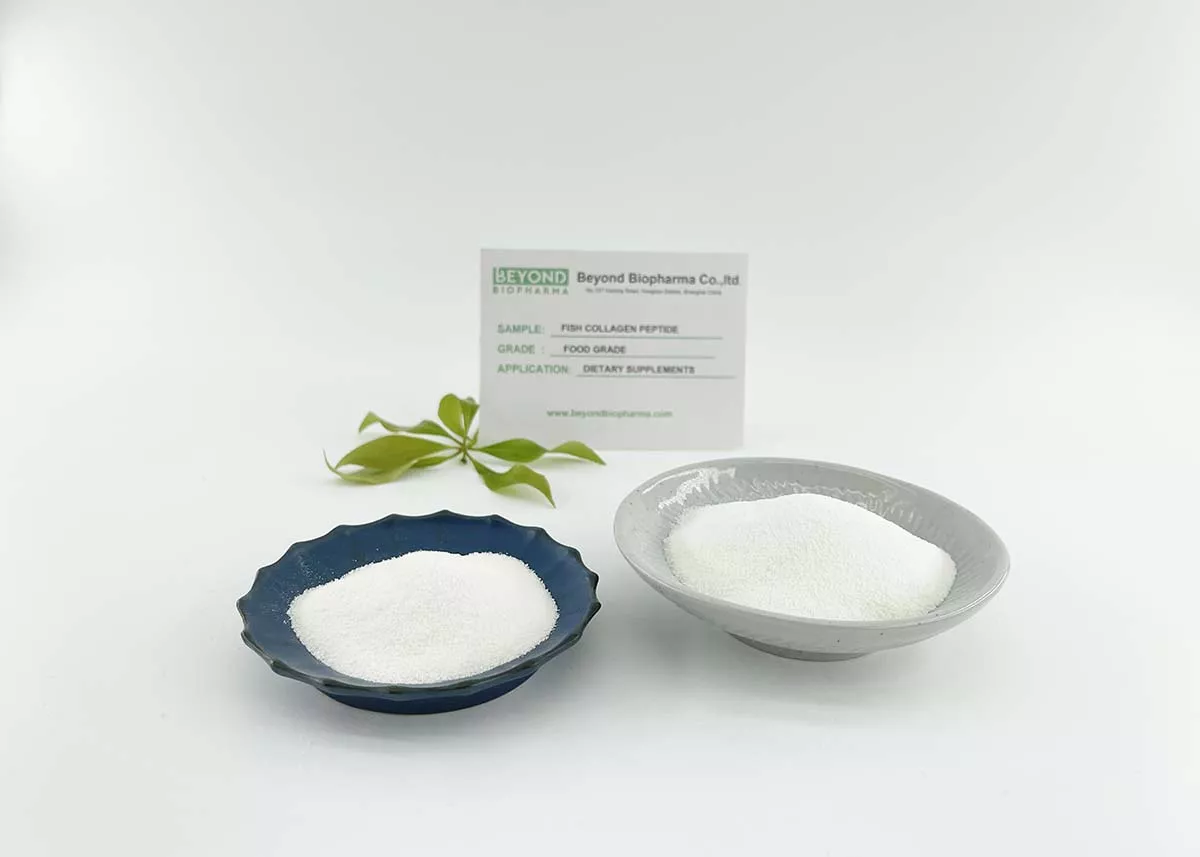
Premium marine-sourced collagen peptides with >90% protein content and low molecular weight (1000-3000 Da) for superior bioavailability. Sustainably sourced, neutral taste, and fully soluble—ideal for nutricosmetics and functional foods.
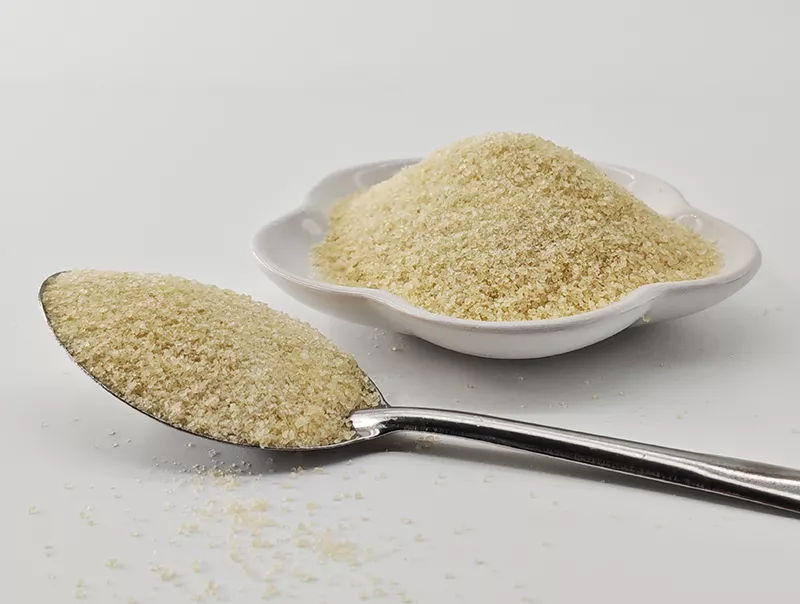
The High-Performance Barrier for Core Material Protection and Controlled Release.
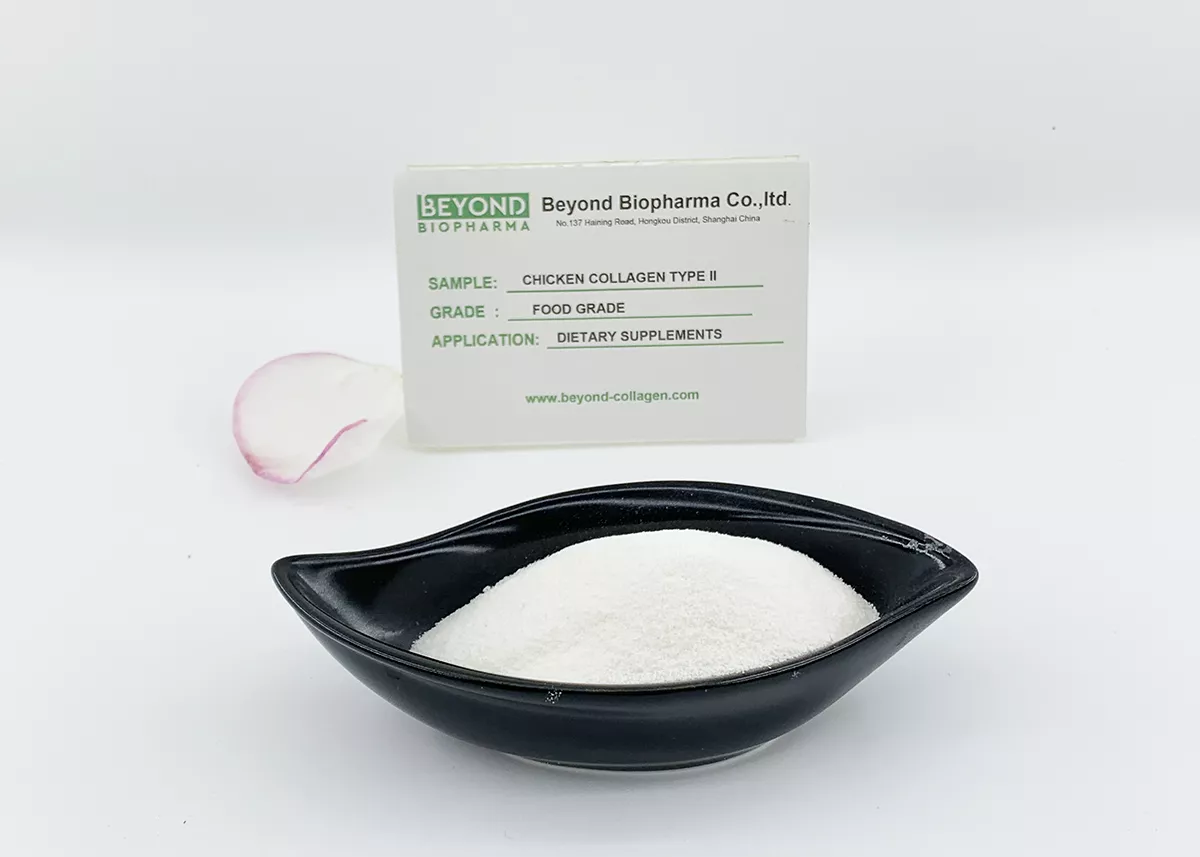
BEYOND BIOPHARMA is a specialized manufacturer of high-quality Undenatured Collagen Type II. Utilizing low-temperature, non-enzymatic extraction methods, our Undenatured Collagen Type II retains its native, triple-helix structure, essential for modulating the immune system's response to joint health and providing superior support for mobility, flexibility, and overall joint comfort.
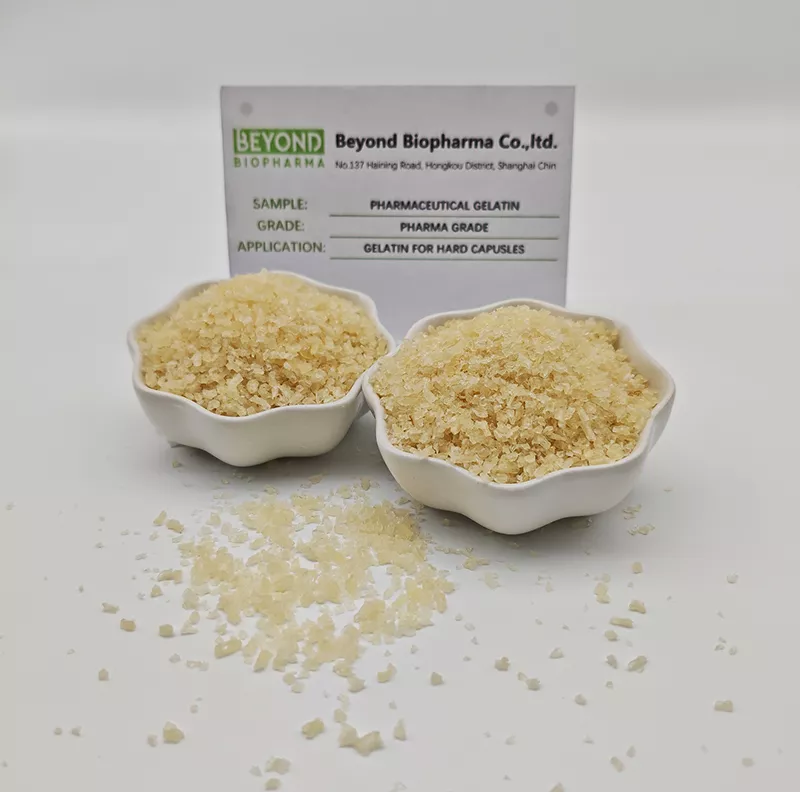
Precision, Purity, and Optimal Machinability
Tel:+86 21 65010906
Cell/Whatsapp/Wechat:
+86 13482884055
+86 18657345785
Email: sales@beyondbiopharma.com




