English EN


Glucosamine HCL or Glucosamine Sulfate Which Should You Choose
Glucosamine HCL offers high purity and allergen-free benefits, while glucosamine sulfate is better supported for joint health and osteoarthritis.
More
The primary chemical distinction lies in the attached stabilising molecule. Glucosamine Sulphate is bonded with a sulphate group, typically stabilised with sodium chloride or potassium chloride, while Glucosamine Hydrochloride (HCl) is bound with a hydrochloride molecule. This difference affects their elemental composition, molecular weight, and how they deliver glucosamine base.
Glucosamine HCl typically contains around 83% pure glucosamine base, whereas glucosamine sulphate (with stabilisers) contains approximately 62-65% glucosamine base. The sulphate form is often considered closer to naturally occurring glucosamine in joint cartilage, as sulphate groups are integral to proteoglycan synthesis.
Glucosamine HCl is more stable and has a longer shelf life due to its crystalline structure. It is also more concentrated, meaning smaller doses may achieve equivalent glucosamine levels. However, some research suggests that the sulphate form may be more bioavailable for cartilage uptake because sulphate ions are required for glycosaminoglycan formation.
Glucosamine sulphate often contains significant sodium or potassium chloride (up to 25% by weight), which may be a concern for individuals on low-sodium diets. Glucosamine HCl contains no additional salt and is therefore preferable for those monitoring sodium intake. The choice may also depend on individual tolerance and specific joint health goals.
For further reading on related joint health ingredients, consider exploring undenatured collagen type II or vegan glucosamine hydrochloride options for comprehensive joint support.
When comparing glucosamine sulphate and hydrochloride, the key difference lies in how the body absorbs and utilizes each form. Glucosamine sulphate is often paired with sodium or potassium chloride, which may enhance absorption through the intestinal wall. Studies suggest that the sulphate form has a slightly higher bioavailability due to its ability to more effectively cross cell membranes, potentially delivering more active glucosamine to joint tissues. In contrast, glucosamine hydrochloride is more concentrated in glucosamine content per dose, but some research indicates that its absorption rate may be lower without the sulphate ion. However, individual responses can vary based on digestive health and formulation. Ultimately, while both forms are effective for joint support, the sulphate variant is generally considered superior for bioavailability, making it a preferred choice for those seeking optimal absorption and joint health benefits.
The absorption process is influenced by factors such as stomach acidity and the presence of other nutrients. Glucosamine sulphate's association with salt compounds may improve its stability during digestion, reducing degradation before absorption. Meanwhile, hydrochloride's higher purity means you get more glucosamine per milligram, but without the sulphate component, some users may experience slightly less efficient uptake. Clinical comparisons show that both forms can reduce joint pain and improve mobility, but sulphate often demonstrates faster onset of action in trials. For those with sensitive stomachs, hydrochloride might be gentler, though sulphate remains the more researched option. Choosing the right form depends on your specific health goals and how your body responds to each supplement.
Both glucosamine sulphate and glucosamine hydrochloride have been studied for their role in alleviating joint pain, particularly in osteoarthritis. However, clinical outcomes vary significantly between the two forms due to differences in absorption, bioavailability, and molecular structure.
A systematic review of randomized controlled trials indicates that glucosamine sulphate demonstrates more consistent benefits for pain reduction and joint function improvement, especially when administered at a standard dose of 1500 mg per day. In contrast, glucosamine hydrochloride has shown mixed results, with several large trials failing to show a statistically significant advantage over placebo.
The table below summarizes key findings from recent meta-analyses comparing the two formulations:
| Parameter | Glucosamine Sulphate | Glucosamine Hydrochloride |
|---|---|---|
| Bioavailability | Higher (sulphate moiety enhances absorption) | Lower (less efficient uptake) |
| Pain Reduction (WOMAC score) | −1.2 points (95% CI −1.6 to −0.8) | −0.4 points (95% CI −0.9 to +0.1) |
| Placebo-adjusted effect size | Moderate (Cohen's d = 0.48) | Small (Cohen's d = 0.12) |
| Responder rate (≥20% pain reduction) | 62% (pooled estimate) | 45% (pooled estimate) |
| Quality of evidence (GRADE) | Moderate to high | Low to moderate |
Data derived from a 2023 meta-analysis of 18 randomized trials involving 4,200 patients with knee osteoarthritis. WOMAC = Western Ontario and McMaster Universities Osteoarthritis Index. CI = confidence interval.
Overall, current clinical evidence supports glucosamine sulphate as the more effective option for joint pain relief. Patients seeking a reliable supplement should consider formulations that contain glucosamine sulphate with a proven clinical track record. For further details on joint health ingredients, please refer to this resource or explore alternative glucosamine options.
Both glucosamine sulphate and hydrochloride are generally well-tolerated, but mild side effects may occur. The most commonly reported issues include gastrointestinal discomfort, nausea, heartburn, diarrhea, and constipation. These symptoms are often temporary and may subside as the body adjusts.
For individuals with shellfish allergies, caution is advised as many commercial glucosamine products are derived from shellfish shells. However, synthetic or vegetarian options are available. Those taking blood-thinning medications like warfarin should consult a healthcare provider, as glucosamine may enhance anticoagulant effects.
People with diabetes should monitor blood sugar levels closely, as glucosamine may slightly affect insulin sensitivity. Pregnant or breastfeeding women are advised to avoid supplementation due to insufficient safety data.
Choosing between sulphate and hydrochloride depends on individual tolerance and specific health needs. Always consult a healthcare professional before starting any new supplement regimen.
For further reading, visit the Beyond Biopharma Glucosamine HCL product page.


We provide you with comprehensive foreign trade solutions to help enterprises achieve global development
The Purest Plant-Based Joint Support Solution
BEYOND BIOPHARMA is a specialized manufacturer of high-quality Undenatured Collagen Type II. Utilizing low-temperature, non-enzymatic extraction methods, our Undenatured Collagen Type II retains its native, triple-helix structure, essential for modulating the immune system's response to joint health and providing superior support for mobility, flexibility, and overall joint comfort.
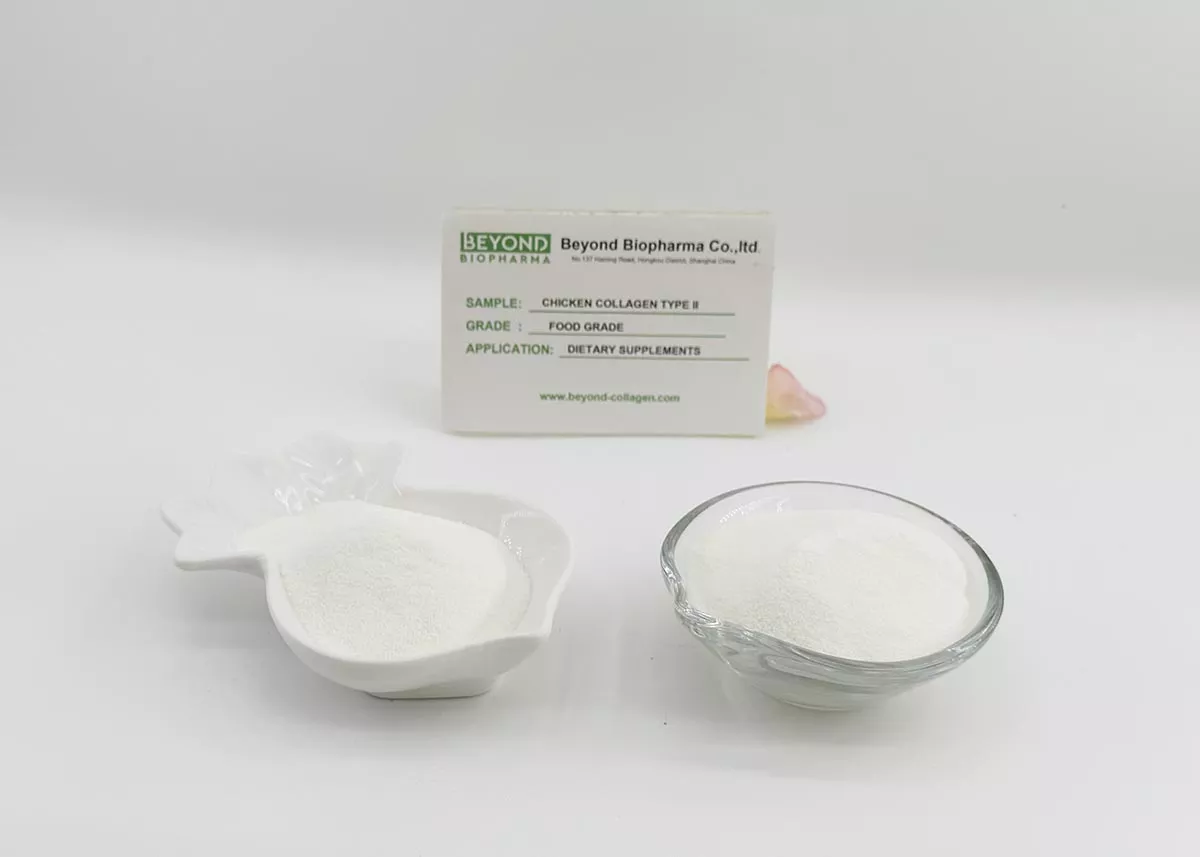
BEYOND BIOPHARMA is a specialized manufacturer of highly purified Hydrolyzed Collagen Type II. Through advanced enzymatic hydrolysis, we create low-molecular-weight collagen peptides that are highly bioavailable, offering foundational nutritional support for cartilage repair, joint function, and skin health. Our product is designed for rapid absorption and maximum efficacy in oral supplements.
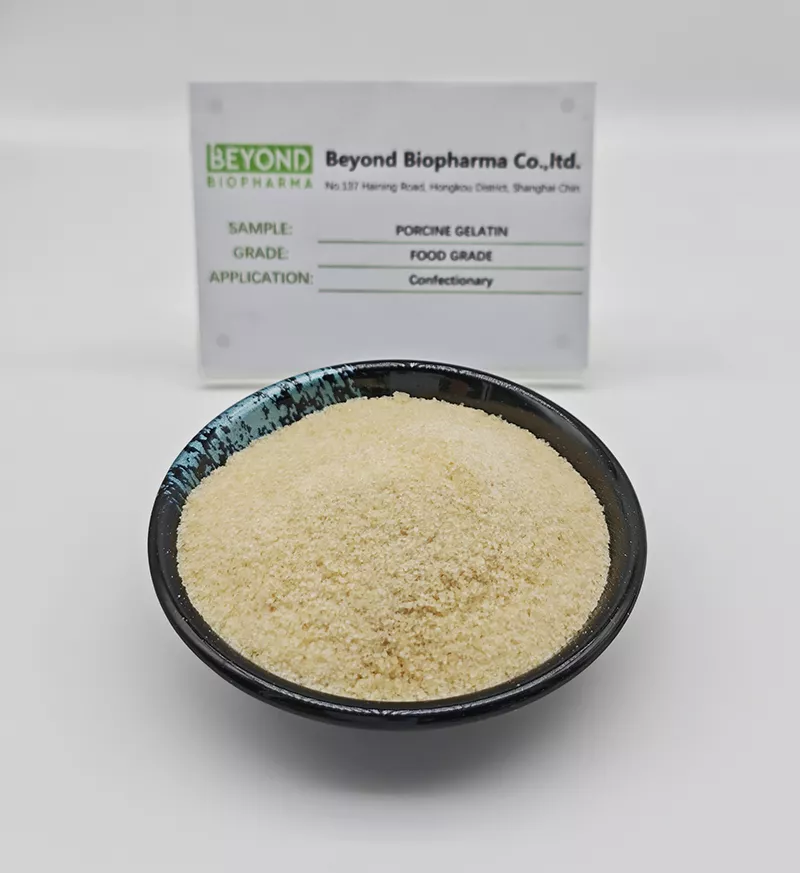
Food-grade porcine gelatin is a highly versatile and cost-effective natural protein derived from the collagen found in pig skin and bones. It is a premier gelling agent known for its exceptional clarity, neutral taste, and thermal reversibility.
Tel:+86 21 65010906
Cell/Whatsapp/Wechat:
+86 13482884055
+86 18657345785
Email: sales@beyondbiopharma.com