What is Better: Collagen Peptide Powder vs Pill? A Detailed Comparison
Sourcing the right collagen peptide format is a critical decision for supplement brands and food manufacturers. This article compares collagen peptide powder vs pill, examining bioavailability, solubility, dosage flexibility, and manufacturing considerations. We provide data-driven guidance for purchasing managers and R&D teams evaluating bulk collagen peptide ingredients for nutraceutical, food, and pharmaceutical applications.
Understanding Collagen Peptide Powder vs Pill: A Sourcing Perspective
For overseas buyers evaluating collagen peptide powder vs pill, the core difference lies in format flexibility and bioavailability. Collagen peptide powder is produced via enzymatic hydrolysis, breaking down native collagen into smaller peptides (typically 2,000–5,000 Da). This process ensures high solubility in cold water and rapid absorption in the human body. Pill formats, by contrast, require additional excipients and compression steps, which can affect dissolution rates and peptide stability. When sourcing for your product line, understanding these processing differences is essential for meeting end-user expectations and regulatory standards.
A common pain point for purchasing managers is batch consistency. With powder formats, you can easily verify solubility, odor, and molecular weight distribution through standard COAs. Pill formats may mask quality issues like fishy smell or poor dissolution, making raw material evaluation more challenging. For brands targeting beauty-from-within or joint health categories, the choice between collagen peptide powder vs pill directly impacts product performance and consumer satisfaction.
How Are Collagen Peptides Produced? Working Principle and Key Parameters
Collagen peptides are derived from bovine, fish, or porcine sources through controlled enzymatic hydrolysis. This process reduces the molecular weight of native collagen (around 300,000 Da) to small bioactive peptides (2,000–5,000 Da). Lower molecular weight peptides, especially those under 3,000 Da, are associated with faster absorption and higher bioavailability. Fish collagen peptides typically have a lower average molecular weight compared to bovine sources, making them a preferred choice for rapid absorption applications.
For pill manufacturing, the peptide powder is blended with binders, fillers, and lubricants before tableting. The compression process can generate heat, potentially affecting peptide integrity. Powder formats avoid this thermal stress, preserving the native peptide profile. When comparing collagen peptide powder vs pill, consider that powder allows for higher dosage per serving (typically 5–10 g) without requiring multiple tablets, which is a significant advantage for therapeutic dosing in joint health or skin elasticity applications.
| Parameter |
Collagen Peptide Powder |
Collagen Pill / Tablet |
| Molecular Weight |
2,000–5,000 Da (typical industry range; final values per COA / sample) |
Same raw material, but may degrade during compression |
| Protein Content |
≥90% (typical industry range) |
Lower due to excipients (typically 40–70%) |
| Solubility |
High solubility in cold water; no clumping |
Requires disintegration; slower release |
| Dosage Flexibility |
High (0.5–20 g per serving) |
Limited by tablet size (typically 500–1000 mg per tablet) |
| Typical Applications |
Sports nutrition, beauty drinks, gummies, functional foods |
Dietary supplements, convenience packs |
Note: All parameter ranges are typical industry values. Final specifications are provided per Certificate of Analysis (COA) or sample testing.
What Are the Key Applications and Selection Criteria for Each Format?
The choice between collagen peptide powder vs pill depends heavily on your target market and application. For food applications such as gummies, jellies, and functional beverages, powder is the preferred format due to its high solubility and neutral taste. Food-grade gelatin and collagen peptides blend seamlessly into these matrices without affecting texture or flavor profile.
For nutraceutical applications targeting joint health, both formats are viable. However, when high-dose delivery is required (e.g., 10 g per day for joint support), powder offers clear advantages. Undenatured collagen type II is often used in combination with other joint health ingredients like chondroitin and glucosamine, and powder formats allow for precise blending and dosing.
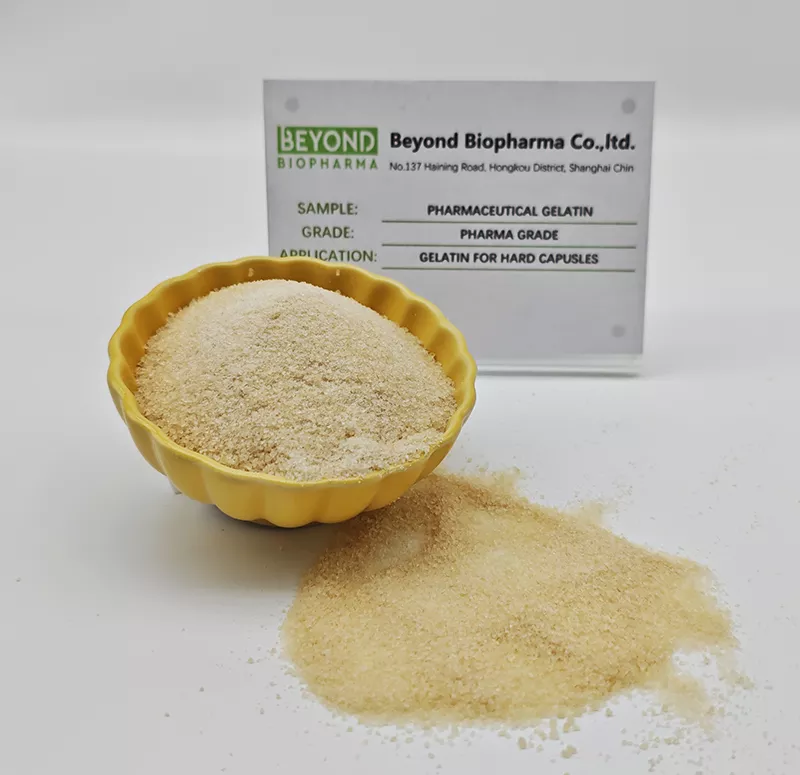
In pharmaceutical applications, pill formats may be preferred for patient compliance and precise dosing. Pharmaceutical-grade gelatin is used as a capsule shell material, while collagen peptides can be encapsulated for targeted delivery. For beauty-from-within products, powder formats are dominant in markets like Asia and North America, where consumers mix collagen into coffee, smoothies, or water.
Why Beyond Biopharma for Your Collagen Peptide Supply?
Beyond Biopharma, based in Shanghai, China, is a manufacturer specializing in collagen peptides, gelatin, and plant protein peptides for B2B buyers. With over 10 years of experience in the food-ingredient industry, our products are exported to more than 50 countries. Our facility has an annual capacity of approximately 3,000 MT for collagen and 5,000 MT for gelatin, supported by a fully automatic production line, GMP clean workshop, stainless-steel sealed piping, and automated temperature/pH control systems.
We hold ISO 9001 certification, are US FDA registered, and maintain GMP clean workshop standards. Select products carry Halal and Kosher certifications (e.g., fish gelatin), and our bovine bone gelatin is BSE-free. Our in-house laboratory conducts heavy-metal and microbiological testing, supported by a dedicated QA/QC team. We offer three product grades: food, pharmaceutical, and cosmetic, along with free samples and formulation support.
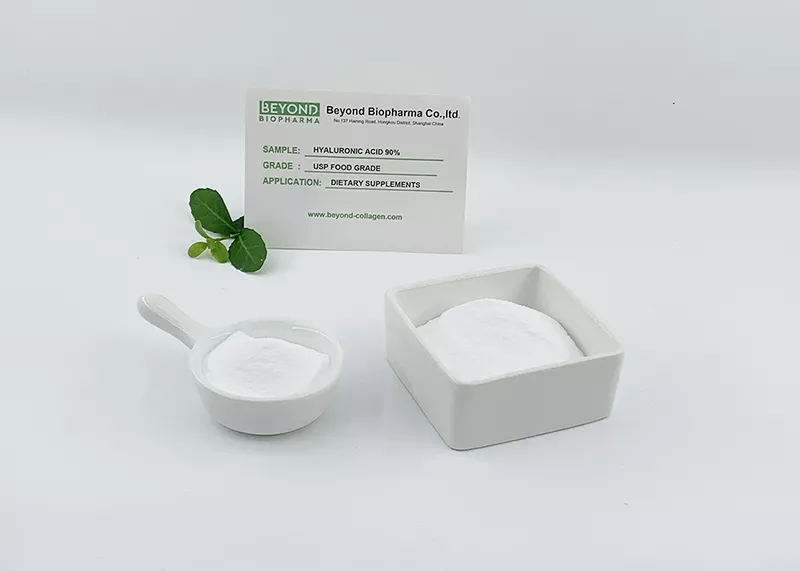
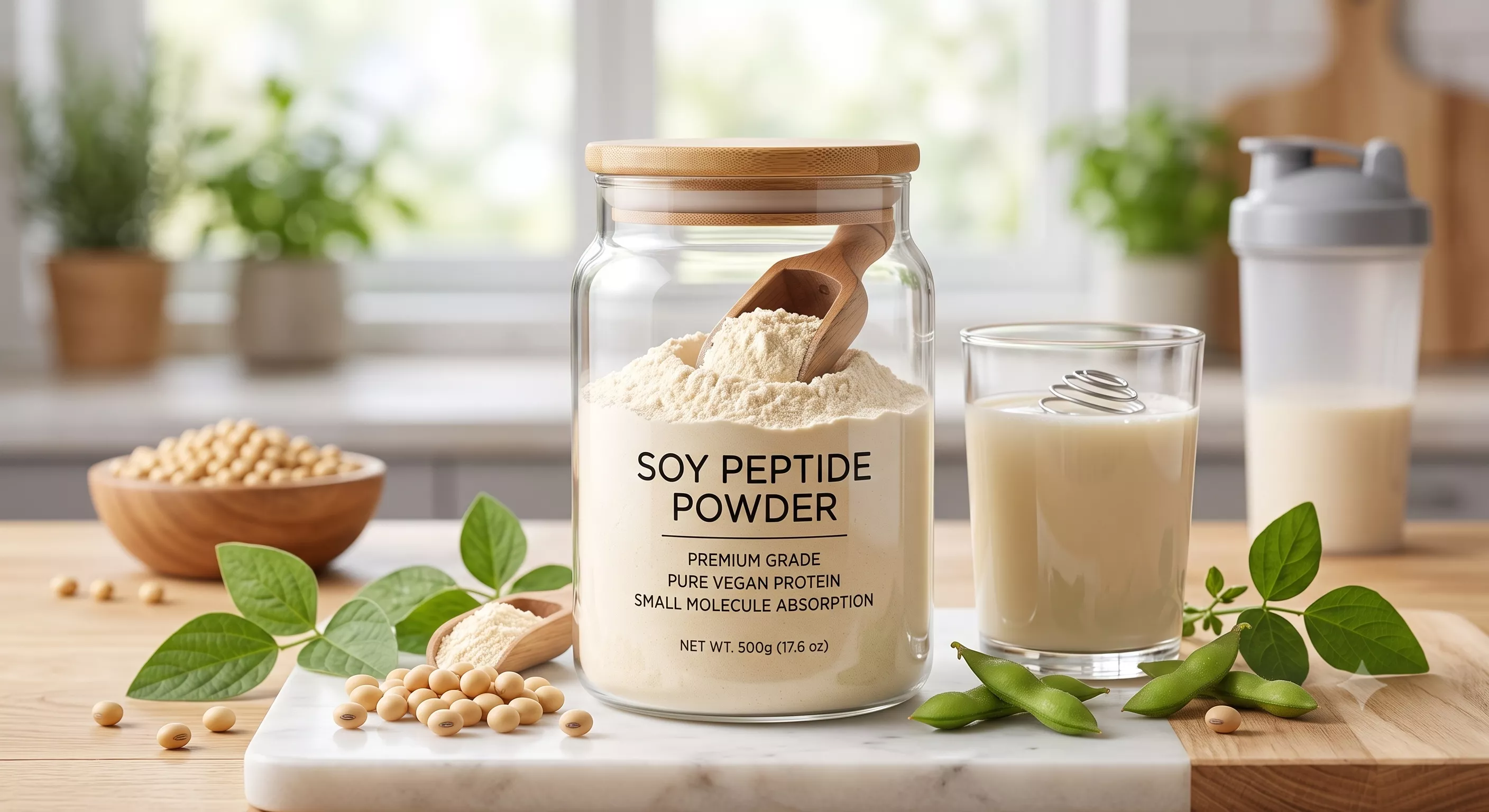
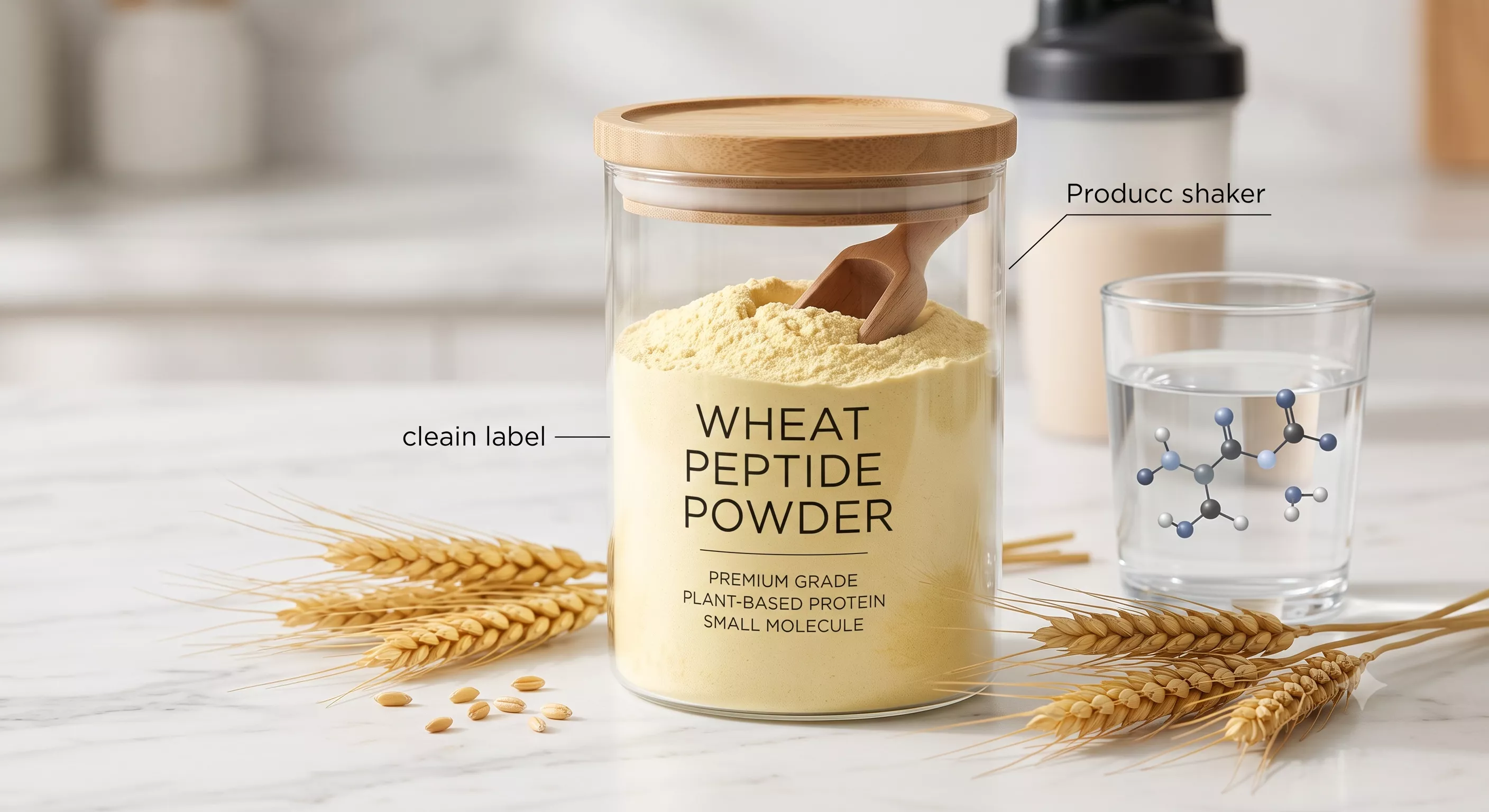
Our product lines include bovine collagen peptide, fish collagen peptide, hydrolyzed collagen type II, and plant protein peptides (pea, rice, soy) for allergen-free and vegan formulations. We also supply joint health ingredients including bovine chondroitin sulfate sodium, glucosamine HCl, and food-grade hyaluronic acid powder.
Frequently Asked Questions About Collagen Peptide Powder vs Pill
Is collagen peptide powder more bioavailable than pills?
Yes, generally. Collagen peptide powder dissolves quickly in the stomach and is absorbed rapidly due to its small molecular weight (2,000–5,000 Da). Pills must first disintegrate, which can delay absorption. However, both formats deliver the same peptides once dissolved. For maximum bioavailability, choose powder with low molecular weight and high solubility.
Which format is better for high-dose collagen supplementation?
Powder is better for high doses. A typical serving of 5–10 g requires only one scoop of powder, whereas pills would require 5–10 tablets. For joint health or skin elasticity protocols requiring 10–15 g daily, powder is more practical and cost-effective for consumers.
Does the source (bovine vs fish) affect the powder vs pill decision?
Not directly, but fish collagen peptides typically have lower molecular weight and may be more sensitive to heat during tableting. Bovine collagen peptides are more stable and can be processed into pills with less degradation. Both sources are available in powder and pill formats.
What certifications should I look for when sourcing collagen peptides?
Look for ISO 9001, US FDA registration, GMP certification, and specific certifications like Halal, Kosher, or BSE-free depending on your target market. Request COAs showing molecular weight distribution, heavy metal content, and microbiological purity. Beyond Biopharma provides all these certifications and testing data.
Can collagen peptide powder be used in gummy formulations?
Yes, collagen peptide powder works well in gummies. It dissolves easily in the gelatin base and does not affect gelling properties. For gummy manufacturers, using collagen peptide powder alongside high-bloom gelatin (150–260 Bloom) ensures optimal texture and peptide delivery.
How do I evaluate the quality of collagen peptide powder samples?
Check solubility in cold water (should dissolve completely within 30 seconds), odor (should be neutral or slightly meaty, not fishy), and color (white to off-white). Request a COA showing protein content (≥90%), molecular weight distribution, and heavy metal analysis. Beyond Biopharma offers free samples with full documentation.
Request a Quote for Collagen Peptide Powder or Pill Ingredients
When evaluating collagen peptide powder vs pill for your next product, Beyond Biopharma can support your sourcing needs with custom bulk supply and formulation/OEM services. To receive free samples and a competitive quote, please provide the following information:
- Intended application (food, nutraceutical, pharmaceutical, or cosmetic)
- Required grade (food, pharmaceutical, or cosmetic)
- Estimated annual quantity or minimum order quantity (MOQ)
- Target specifications (bloom value for gelatin, mesh size, molecular weight, certifications needed)
- Destination country for shipping and regulatory compliance
Contact our team to discuss your project requirements. We are ready to provide product documentation, samples, and technical support to help you make the right choice between collagen peptide powder vs pill for your market.

 English EN









User Comments
Service Experience Sharing from Real Customers
Megan
Graphic DesignerAs someone who's tried both forms, the powder is a game-changer for me. I can easily mix it into my morning coffee without any taste, whereas the pills felt like swallowing horse tablets. My joints feel so much better after my long design sessions hunched over the tablet. So much more convenient!
Ryan
Construction SupervisorBeen using the pills for years for my knees, but my wife got me to try the powder. Honestly, I was skeptical. But mixing a scoop into my post-workout shake is easier than remembering another pill. I feel the recovery difference, especially after heavy site days. One star off because the tub is a bit messy in my gym bag.
Dr. Patel
VeterinarianFrom a bioavailability perspective, the hydrolyzed collagen in the powder form seems to absorb better for me. The pills were fine, but I never really 'felt' anything. With the powder in my morning smoothie, I've noticed a real difference in my skin and my old tennis elbow doesn't flare up as much during long surgery days. It just integrates into my routine seamlessly.
Chloe
University StudentOkay, the powder wins for value and flexibility. I tried the pills first because they were easy, but you need to take so many to get a decent dose! With the powder, I control how much I use—sometimes a full scoop, sometimes half in my oatmeal. My nails are definitely stronger during finals stress. It's just more practical for my budget and dorm life.