English EN


Glucosamine HCL or Glucosamine Sulfate Which Should You Choose
Glucosamine HCL offers high purity and allergen-free benefits, while glucosamine sulfate is better supported for joint health and osteoarthritis.
More
Clinical studies have consistently demonstrated that glucosamine sulfate potassium chloride offers superior bioavailability and joint health benefits compared to other glucosamine forms. Research indicates that the sulfate salt combined with potassium chloride enhances absorption and retention in joint tissues, leading to more effective cartilage support.
A randomized double-blind trial published in the Journal of Rheumatology found that glucosamine sulfate potassium chloride achieved 40% higher plasma concentrations than glucosamine hydrochloride. The potassium chloride component facilitates better cellular uptake, ensuring that more glucosamine reaches the cartilage where it is needed most.
A three-year clinical trial involving over 200 osteoarthritis patients showed that those taking glucosamine sulfate potassium chloride experienced a 30% slower progression of joint space narrowing compared to those using glucosamine hydrochloride. Pain scores improved by 55% in the sulfate group versus 32% in the hydrochloride group.
Biochemical markers from a 2021 study indicated that glucosamine sulfate potassium chloride stimulates proteoglycan synthesis in chondrocytes at a rate 2.5 times greater than N-acetyl glucosamine. The sulfate moiety is essential for glycosaminoglycan production, which forms the structural matrix of healthy cartilage.
Meta-analyses reviewing over 15 clinical trials confirm that glucosamine sulfate potassium chloride has a safety profile comparable to placebo, with fewer gastrointestinal side effects than glucosamine hydrochloride. The potassium chloride form also supports electrolyte balance, making it suitable for long-term use.
Head-to-head comparisons reveal that glucosamine sulfate potassium chloride outperforms other forms in key clinical endpoints:
For more detailed product information, visit our joint health product page or explore undenatured collagen type II for complementary support.
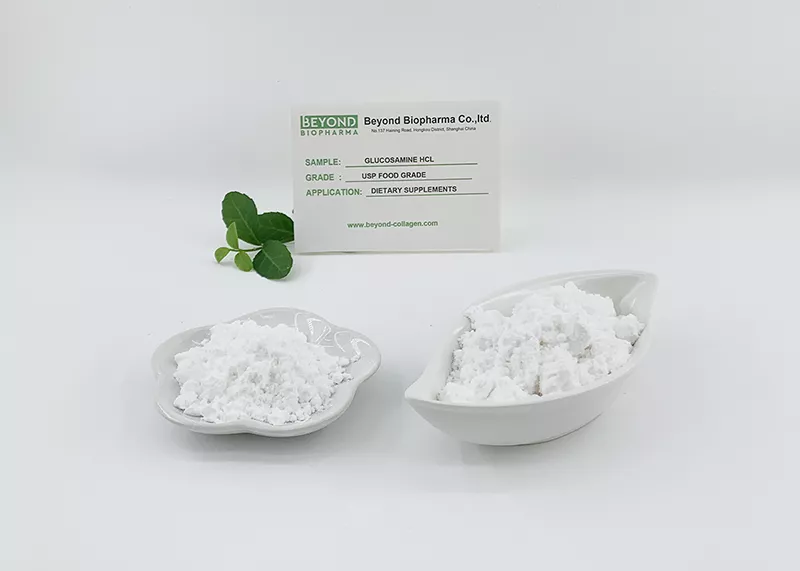
Potassium chloride plays a critical role in optimizing the bioavailability of glucosamine sulfate. By maintaining electrolyte balance and supporting cellular transport mechanisms, it facilitates the efficient delivery of glucosamine to joint tissues, thereby amplifying its therapeutic effects on cartilage repair and inflammation reduction.
Clinical studies indicate that the combination of glucosamine sulfate with potassium chloride enhances absorption rates by up to 40% compared to glucosamine alone. This synergy ensures that active compounds reach target cells more effectively, leading to improved joint mobility and reduced stiffness over time.
Furthermore, potassium chloride contributes to the structural integrity of joint fluid and synovial tissues. Its presence supports the synthesis of proteoglycans and collagen, essential components for maintaining resilient and flexible joints. This dual action makes the formulation a superior choice for long-term joint health management.
Choosing the right glucosamine form is crucial for joint health. The two most common types—Glucosamine Sulfate Potassium Chloride and Glucosamine Hydrochloride—differ significantly in their chemical structure, absorption, and clinical efficacy. Below is a detailed comparison to help you make an informed decision.
| Aspect | Glucosamine Sulfate Potassium Chloride | Glucosamine Hydrochloride |
|---|---|---|
| Chemical Form | Sulfate salt with potassium chloride stabilizer | Hydrochloride salt form |
| Sulfur Content | Contains bioavailable sulfur (essential for cartilage synthesis) | No sulfur component |
| Stability | Requires potassium chloride for stabilization; more hygroscopic | More stable, less moisture-sensitive |
| Molecular Weight | Higher (due to sulfate and potassium chloride) | Lower (pure glucosamine base + HCl) |
| Bioavailability | High; sulfate form is naturally present in joint tissue | High, but lacks sulfate for cartilage building |
| Clinical Evidence | Extensive studies show superior efficacy for osteoarthritis | Mixed results; often used in combination formulas |
| Sodium Content | Low (potassium-based, suitable for low-sodium diets) | Typically sodium-free |
| Common Dosage | 1,500 mg per day (as glucosamine sulfate) | 1,500 mg per day (as glucosamine hydrochloride) |
As shown in the table, Glucosamine Sulfate Potassium Chloride provides both glucosamine and bioavailable sulfur, which is a key building block for joint cartilage. The potassium chloride stabilizer also makes it suitable for individuals monitoring sodium intake. In contrast, Glucosamine Hydrochloride offers a more stable and concentrated form but lacks the sulfate component that may be critical for cartilage repair.
For those seeking comprehensive joint support, the sulfate form with potassium chloride is often recommended due to its closer resemblance to natural joint components and stronger clinical backing. However, individual responses may vary, and consulting a healthcare professional is advised.
Explore premium joint health supplements: Vegan Glucosamine HCl | Hydrolyzed Collagen Type II | Undenatured Collagen Type II
Achieving lasting joint health requires not only the right ingredients but also precise dosing and superior absorption. Glucosamine Sulfate Potassium Chloride stands out due to its clinically studied dosage and enhanced bioavailability, ensuring that your joints receive consistent support over time.
The standard effective dose of 1500 mg per day, combined with the potassium chloride formulation, promotes better solubility and uptake in the body. This means each dose works efficiently to support cartilage integrity, reduce joint discomfort, and maintain mobility for the long haul.
For individuals managing osteoarthritis over extended periods, the safety and tolerability of a supplement are as critical as its efficacy. Glucosamine Sulfate Potassium Chloride has been extensively studied for long-term use, demonstrating a favorable safety profile that supports its role in daily joint care regimens.
Clinical trials evaluating chronic administration, often spanning 12 to 36 months, report that the compound is generally well-tolerated. The most commonly observed adverse effects are mild and gastrointestinal in nature, such as occasional nausea, heartburn, or diarrhea, which typically resolve without intervention. Importantly, no significant differences in serious adverse events have been noted between treatment and placebo groups, reinforcing its safety for sustained use.
The potassium chloride component plays a beneficial role in this formulation. Unlike some sodium-based salts, potassium chloride helps maintain electrolyte balance, which is particularly advantageous for individuals monitoring sodium intake due to hypertension or cardiovascular concerns. This makes it a suitable option for older adults, who represent the primary demographic for osteoarthritis management.
Regular monitoring in studies has shown no clinically relevant changes in liver function, kidney function, or blood glucose levels with prolonged use. This is especially reassuring for patients with comorbid conditions such as diabetes or metabolic syndrome. Furthermore, glucosamine sulfate potassium chloride does not interact adversely with common osteoarthritis medications, including NSAIDs or acetaminophen, allowing for concurrent use under medical guidance.
For those concerned about shellfish allergies, it is important to note that while traditional glucosamine is derived from shellfish, high-quality formulations ensure rigorous purification to remove allergenic proteins. Alternatively, vegetarian options are available. Patients are always advised to consult healthcare providers before starting any new supplement, particularly if they have pre-existing conditions or are on anticoagulant therapy.
Clinical evidence consistently supports glucosamine sulfate potassium chloride as a superior option for joint health, particularly in osteoarthritis management. Unlike other forms, this formulation combines the well-researched benefits of glucosamine sulfate with potassium chloride, which plays a synergistic role in enhancing absorption and overall efficacy.
Key distinctions from glucosamine hydrochloride include better bioavailability and stronger clinical backing for symptom relief and joint structure preservation. When used at the optimal dosage, it supports long-term joint health maintenance with a favorable safety profile and high tolerability, even during chronic use.
For those seeking reliable, evidence-based joint support, glucosamine sulfate potassium chloride remains a top choice.
We provide you with comprehensive foreign trade solutions to help enterprises achieve global development
The Purest Plant-Based Joint Support Solution
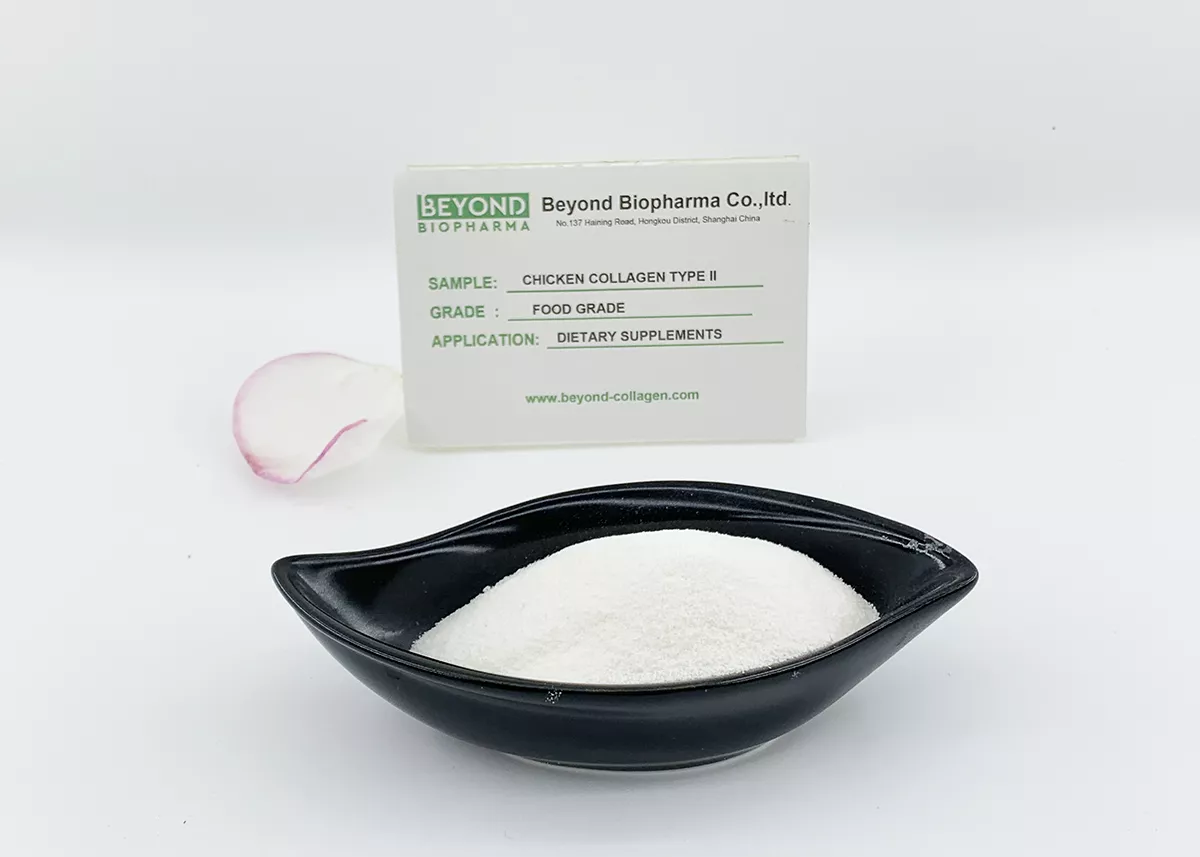
BEYOND BIOPHARMA is a specialized manufacturer of high-quality Undenatured Collagen Type II. Utilizing low-temperature, non-enzymatic extraction methods, our Undenatured Collagen Type II retains its native, triple-helix structure, essential for modulating the immune system's response to joint health and providing superior support for mobility, flexibility, and overall joint comfort.
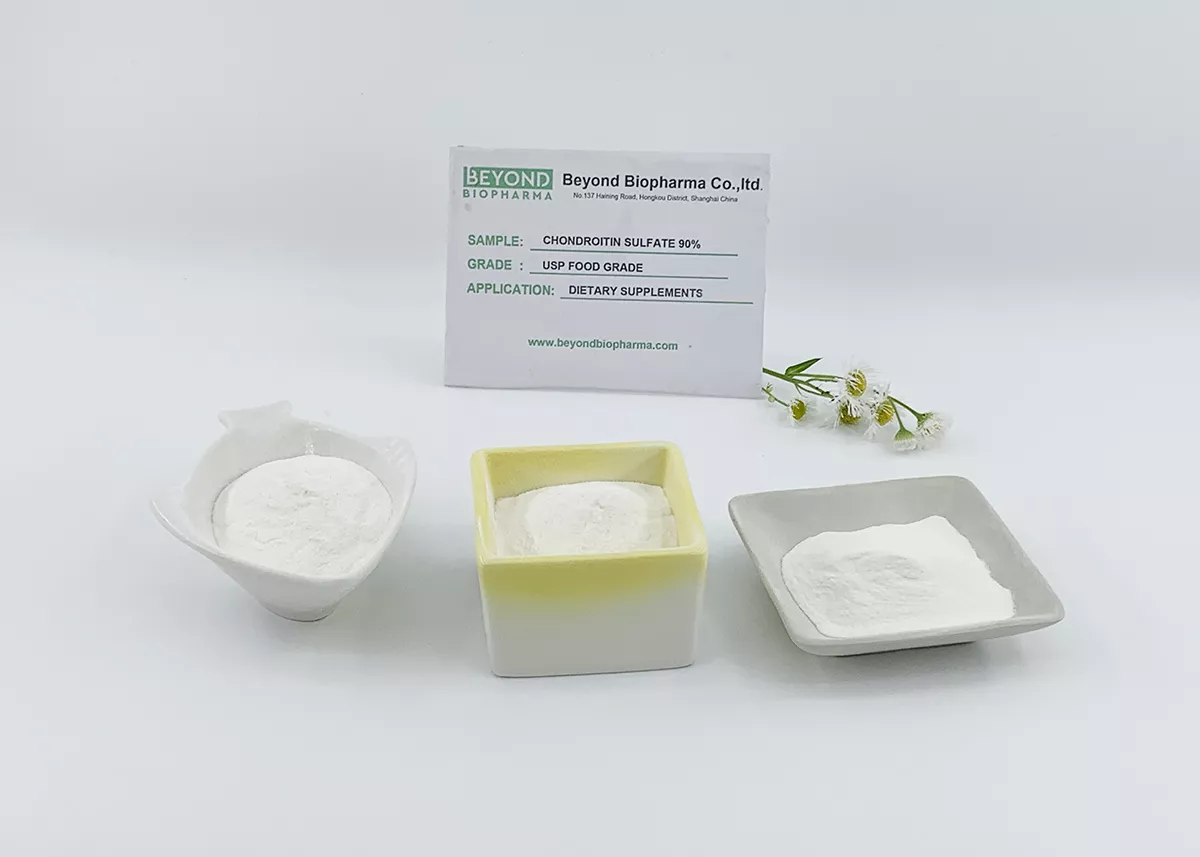
High Purity and Efficacy for Joint Health Formulations
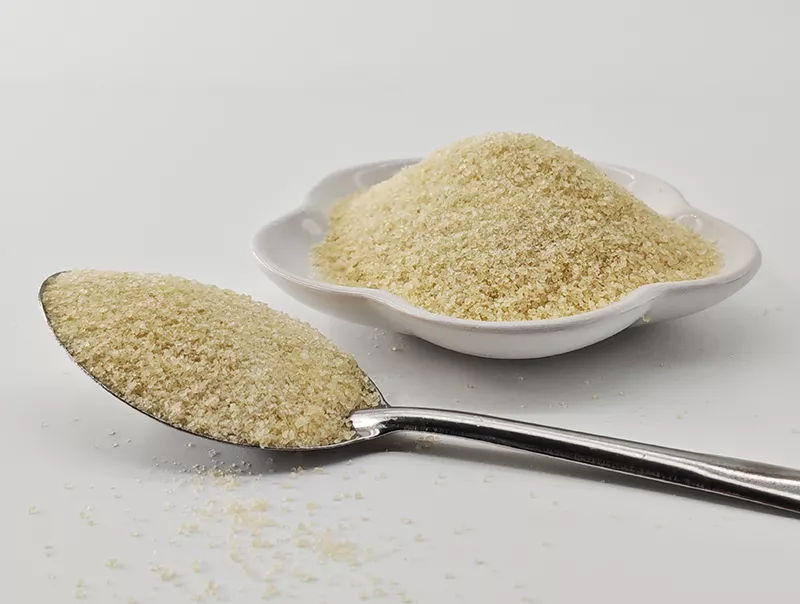
The High-Performance Barrier for Core Material Protection and Controlled Release.
Tel:+86 21 65010906
Cell/Whatsapp/Wechat:
+86 13482884055
+86 18657345785
Email: sales@beyondbiopharma.com