English EN


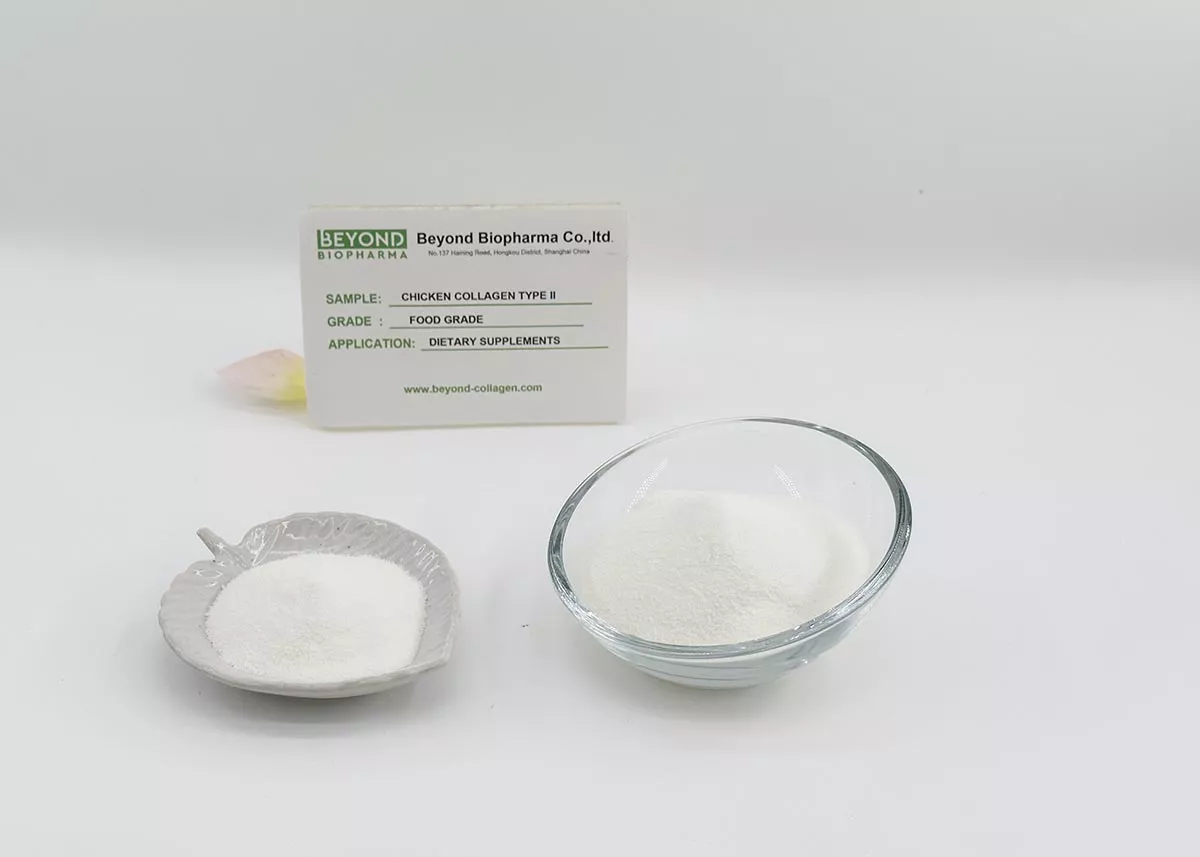
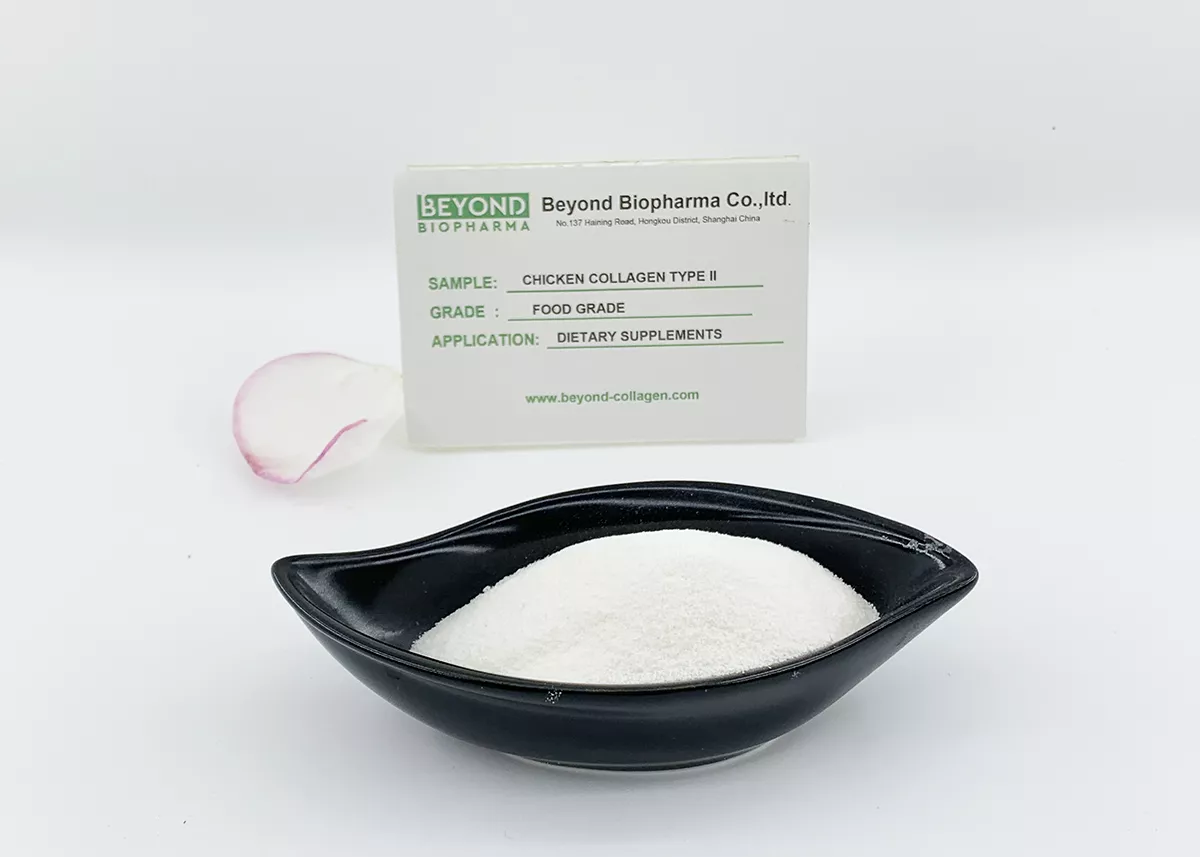
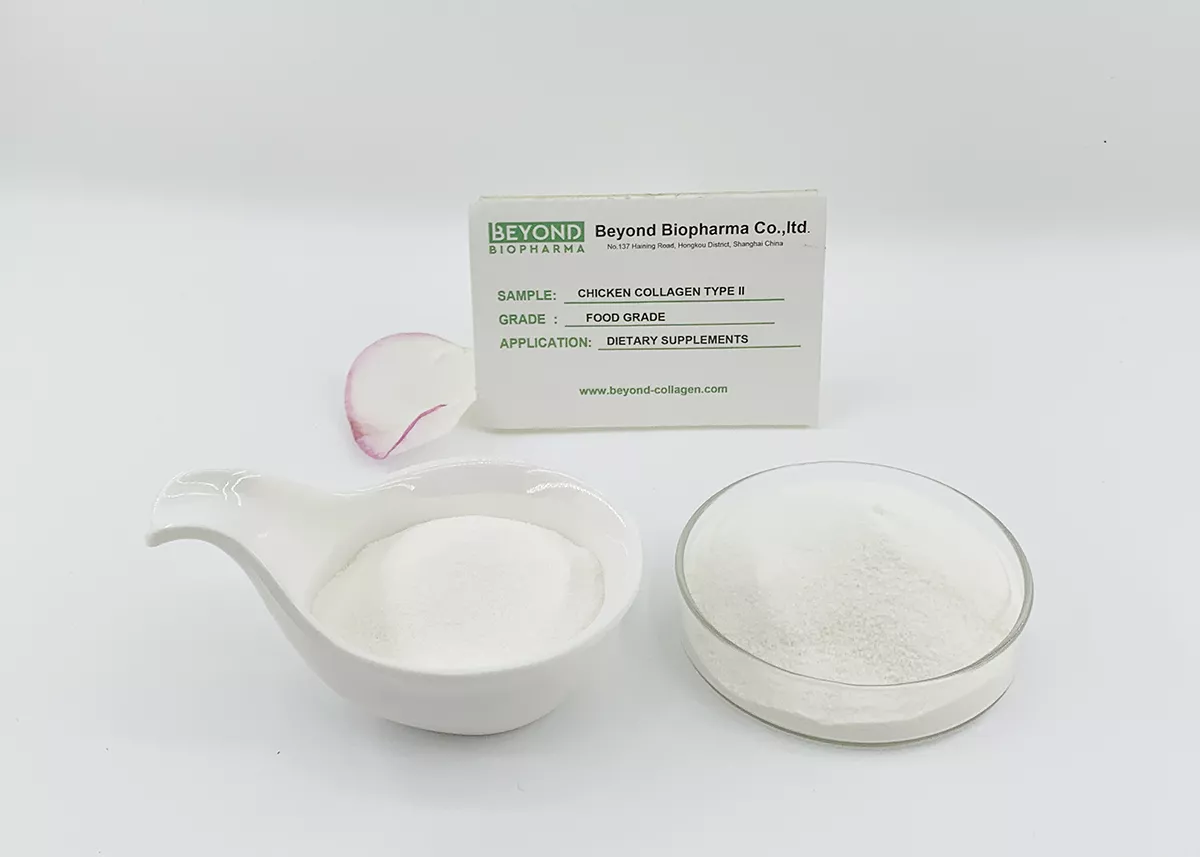
Fish Gelatin vs Bovine and Pork Gelatin What Sets Them Apart
Fish gelatin differs from bovine and pork gelatin in melting point, texture, and dietary suitability, making it ideal for soft desserts and special diets.
More
Pharmaceutical-grade bovine gelatin is the gold standard for manufacturing hard gelatin capsules. It offers a bloom strength ranging from 150 to 250, ensuring capsules maintain their shape and integrity during filling and storage. The gelatin is sourced from BSE-free cattle bones and hides, undergoing rigorous testing for heavy metals, microbial limits, and residual solvents. This type of gelatin dissolves rapidly in the gastrointestinal tract, allowing for efficient drug release. Manufacturers appreciate its low viscosity at high concentrations, which facilitates the dipping and drying processes. Using bovine gelatin also provides a neutral taste and odor, making it ideal for encapsulating both powders and granules. The consistent gel strength reduces batch-to-batch variability, improving production efficiency and final product quality.
The chewy texture and glossy appearance of gummy supplements are largely attributed to bovine gelatin. With a bloom value typically between 200 and 260, it provides the necessary elasticity and firmness without being too hard. Bovine gelatin also offers excellent clarity, which enhances the visual appeal of colored gummies. Its melting point is higher than porcine gelatin, making gummies more stable in warm climates. For nutraceutical brands, using bovine gelatin allows them to create sugar-free, low-calorie, or vitamin-infused gummies that maintain their shape and texture over time. The protein content in gelatin also adds nutritional value, contributing to collagen intake. Manufacturers can adjust the concentration to achieve the desired chewiness, and the gelatin works well with natural flavors and sweeteners. This versatility makes bovine gelatin a top choice for functional gummy products.
In tablet coating and microencapsulation, bovine gelatin serves as an effective film-forming agent that protects active ingredients from moisture, light, and oxidation. Its ability to form a thin, uniform layer makes it ideal for enteric coatings and controlled-release formulations. The gelatin film dissolves at body temperature, ensuring the active ingredient is released at the right site in the digestive tract. For microencapsulation, bovine gelatin encapsulates oils, flavors, and probiotics, extending their shelf life and masking unpleasant tastes. The process involves spray drying or coacervation, where gelatin forms a protective shell around the core material. Bovine gelatin is preferred for its high purity and low endotoxin levels, which are critical for pharmaceutical applications. This technology is also used in the food industry to stabilize sensitive nutrients like omega-3 fatty acids and vitamins.
| Parameter | Typical Value | Test Method |
|---|---|---|
| Bloom Strength | 150 - 260 g | AOAC 948.21 |
| Viscosity (6.67%, 60°C) | 3.0 - 6.0 mPa·s | USP |
| pH (1% solution) | 5.0 - 6.5 | USP |
| Moisture Content | ≤ 12% | USP |
| Ash Content | ≤ 2.0% | USP |
| Heavy Metals (as Pb) | ≤ 10 ppm | ICP-MS |
| Microbial Total Plate Count | ≤ 1000 CFU/g | USP |
Bovine gelatin is a protein derived from the collagen found in cow bones, hides, and connective tissues. It is produced through a controlled hydrolysis process that breaks down collagen into a soluble, gelling protein. The raw materials are cleaned, treated with acid or alkali, and then extracted with hot water. After filtration and concentration, the gelatin is dried and ground into a powder. This process ensures a high-purity product with consistent gel strength and viscosity, making it suitable for pharmaceutical and food applications.
The primary difference lies in the source and certain functional properties. Bovine gelatin comes from cows, while porcine gelatin comes from pigs. Bovine gelatin typically has a higher melting point and stronger gel strength, which is preferred for hard capsules and certain gummy formulations. It also has a lower risk of allergic reactions in some populations. From a religious and cultural perspective, bovine gelatin is acceptable in halal and kosher diets when sourced from appropriately slaughtered animals, whereas porcine gelatin is not. Both types offer similar amino acid profiles, but the choice often depends on the desired capsule hardness, dietary restrictions, and manufacturing requirements.
Yes, bovine gelatin is considered safe for use in dietary supplements and medications when sourced from healthy animals and manufactured under strict quality controls. Regulatory bodies like the FDA and EFSA have approved it as a food additive and pharmaceutical excipient. It is non-toxic, biodegradable, and biocompatible. Most pharmaceutical-grade bovine gelatin is tested for heavy metals, microbial contamination, and BSE (Bovine Spongiform Encephalopathy) to ensure safety. Manufacturers should always request certificates of analysis and BSE-free documentation from suppliers to guarantee product purity and compliance with global safety standards.
Yes, bovine gelatin can be used for halal and kosher certified products provided the cattle are slaughtered according to Islamic or Jewish dietary laws. Many suppliers offer halal-certified bovine gelatin that is free from any non-halal ingredients. Similarly, kosher-certified bovine gelatin is available for products requiring kosher supervision. It is important for manufacturers to verify the certification status with their raw material supplier. Using bovine gelatin in halal or kosher products opens up access to a broader consumer base, particularly in regions with significant Muslim or Jewish populations. Always request valid certification documents to ensure compliance.
We provide you with comprehensive foreign trade solutions to help enterprises achieve global development
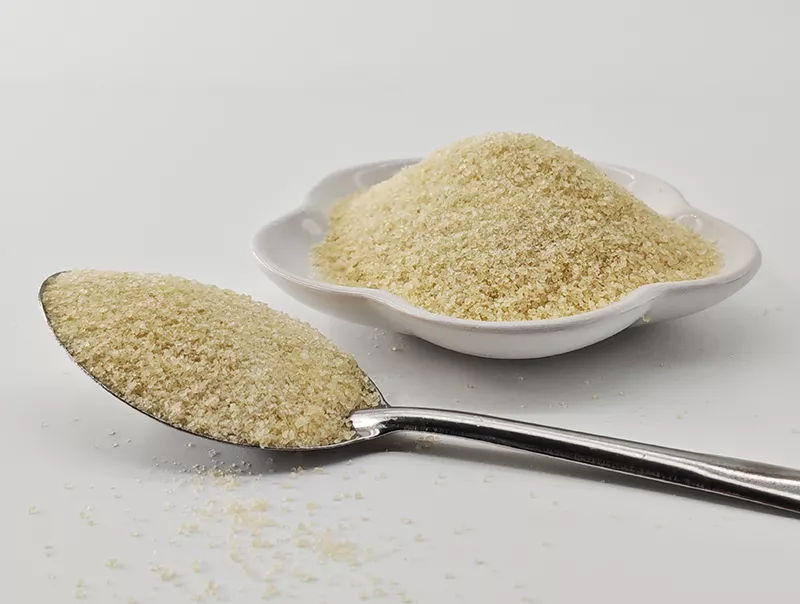
The High-Performance Barrier for Core Material Protection and Controlled Release.
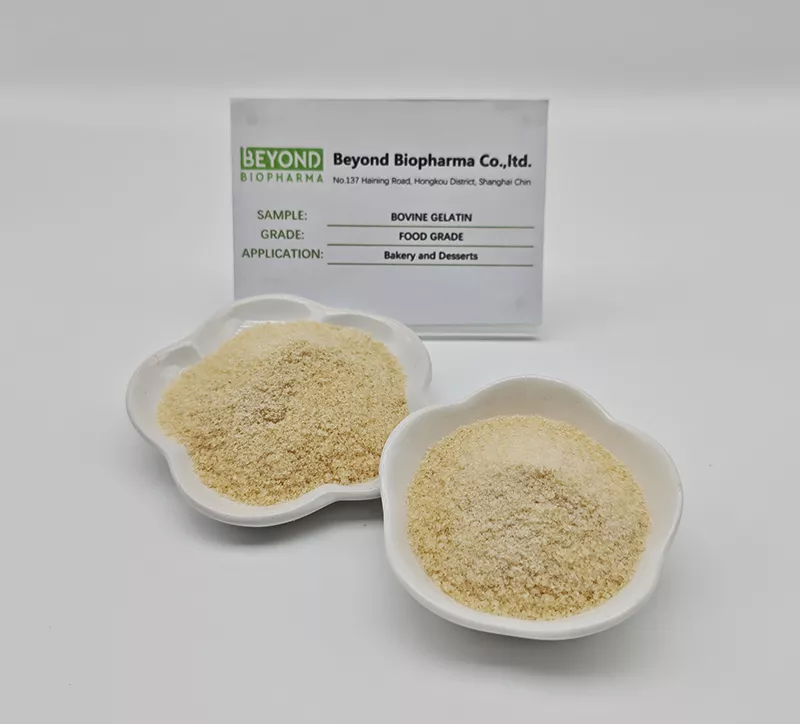
20 years experiences, 5000 ton/year capacity, Sustained supply with stable quality
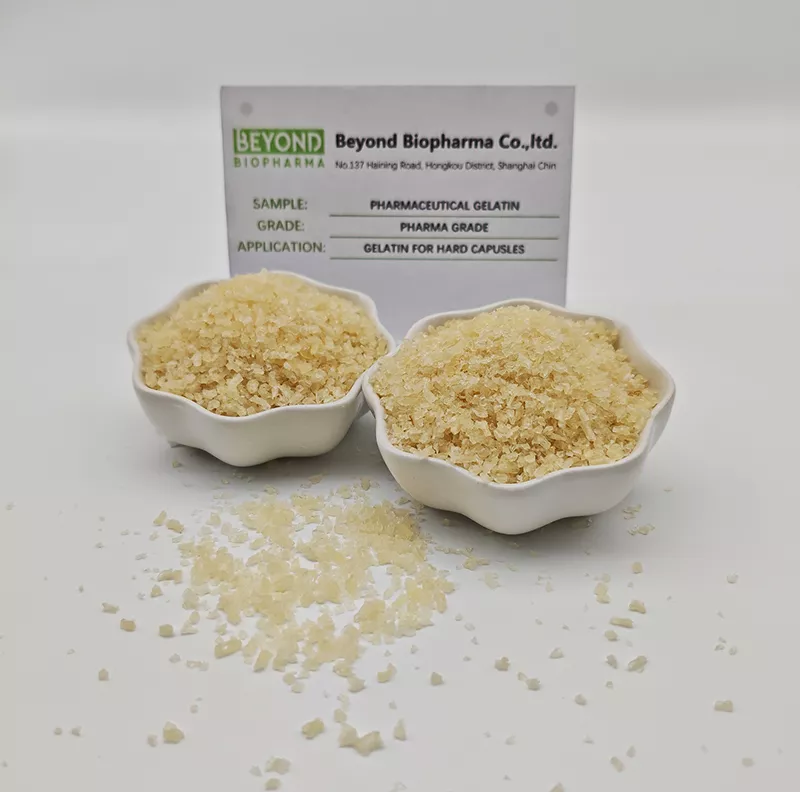
Precision, Purity, and Optimal Machinability
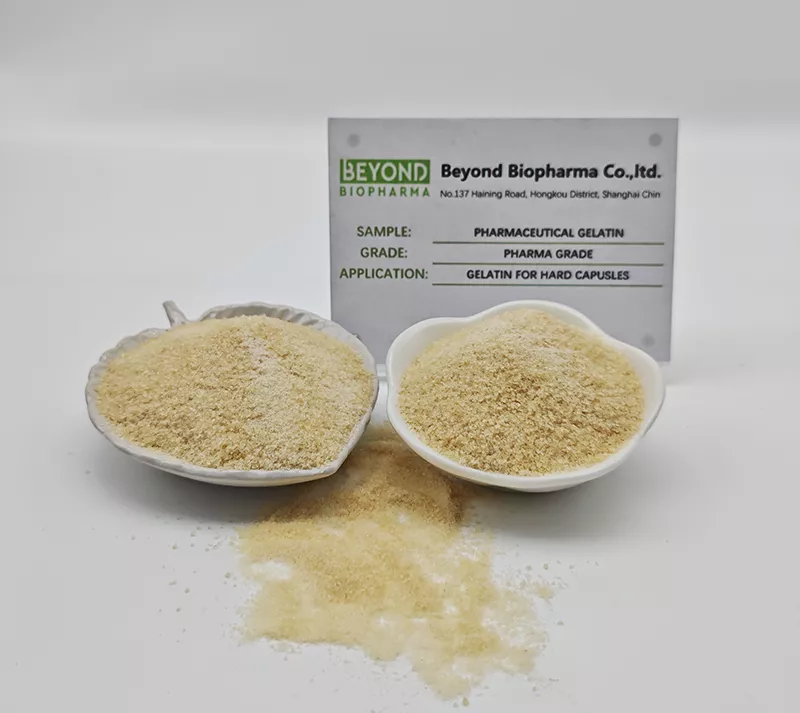
The high-strength and rapid-setting characteristics of Bovine Bone Gelatin ensure it forms a stable, uniform, and durable shell that preserves the integrity of the active pharmaceutical ingredient (API).
Tel:+86 21 65010906
Cell/Whatsapp/Wechat:
+86 13482884055
+86 18657345785
Email: sales@beyondbiopharma.com