English EN


How Fish Collagen Powder Supports Skin and Joint Health
Fish collagen powder boosts skin hydration, elasticity, and joint health with fast-absorbing peptides for visible results and pain relief.
More
Hydrolyzed bovine collagen is derived from cow hides or bones through a process called enzymatic hydrolysis, which breaks down large collagen proteins into smaller, easily absorbable peptides. This unique processing method gives it a distinct edge over other collagen types, such as marine or porcine collagen, particularly in terms of bioavailability and versatility. The low molecular weight of hydrolyzed bovine collagen allows it to be rapidly absorbed into the bloodstream, delivering amino acids directly to the skin, joints, and connective tissues for targeted repair and regeneration.
One of the primary factors that set hydrolyzed bovine collagen apart is its rich concentration of glycine, proline, and hydroxyproline. These specific amino acids are critical for collagen synthesis and are found in higher amounts in bovine sources compared to marine or plant-based alternatives. This composition directly supports the structural integrity of skin, reducing fine lines and improving elasticity, while also reinforcing cartilage and joint cushioning.
Unlike marine collagen, which is predominantly Type I, or chicken collagen, which is mainly Type II, hydrolyzed bovine collagen naturally contains both Type I and Type III collagen. This dual-action profile makes it exceptionally effective for improving skin hydration and density, while also promoting stronger nails, hair growth, and bone density. For joint health, the combination supports the repair of ligaments and tendons, offering a holistic approach to mobility and comfort.
The hydrolysis process ensures that bovine collagen peptides are small enough to be absorbed through the gut wall without being broken down further. This results in significantly higher bioavailability compared to undenatured or non-hydrolyzed collagen types. Clinical studies show that hydrolyzed bovine collagen can increase skin moisture and joint flexibility within weeks, making it a fast-acting solution for those seeking visible results.
Hydrolyzed bovine collagen is neutral in taste and dissolves easily in both hot and cold liquids, making it a convenient addition to daily routines. It can be mixed into coffee, smoothies, soups, or baked goods without altering texture or flavor. This versatility is a key advantage over other collagen types that may have a stronger taste or limited solubility, allowing for consistent supplementation without disruption to lifestyle.
Beyond its health benefits, hydrolyzed bovine collagen is often sourced as a byproduct of the meat industry, promoting sustainability by reducing waste. Many manufacturers, such as Beyond Biopharma, ensure that their bovine collagen is sourced from grass-fed, pasture-raised cattle, free from antibiotics and hormones. This ethical approach not only supports environmental goals but also provides a cleaner, more natural product for consumers.
Numerous studies have validated the efficacy of hydrolyzed bovine collagen for skin aging and joint discomfort. It is generally recognized as safe (GRAS) by the FDA and is well-tolerated by most individuals, with minimal risk of allergic reactions compared to marine or egg-based collagens. For those seeking a reliable, research-backed supplement, hydrolyzed bovine collagen stands out as a proven choice for long-term health maintenance.
For more information about high-quality hydrolyzed bovine collagen products, explore resources such as edible bovine gelatin applications, hydrolyzed collagen type II powder for joints, or undenatured collagen type II for joint comfort. Additional insights can be found on halal and kosher fish gelatin, vegan glucosamine hydrochloride, and pharmaceutical gelatin for coating. For specialized applications, see standardized gelatin sheets, pharmaceutical-grade bovine bone gelatin, and ultra-high viscosity gelatin for softgels.
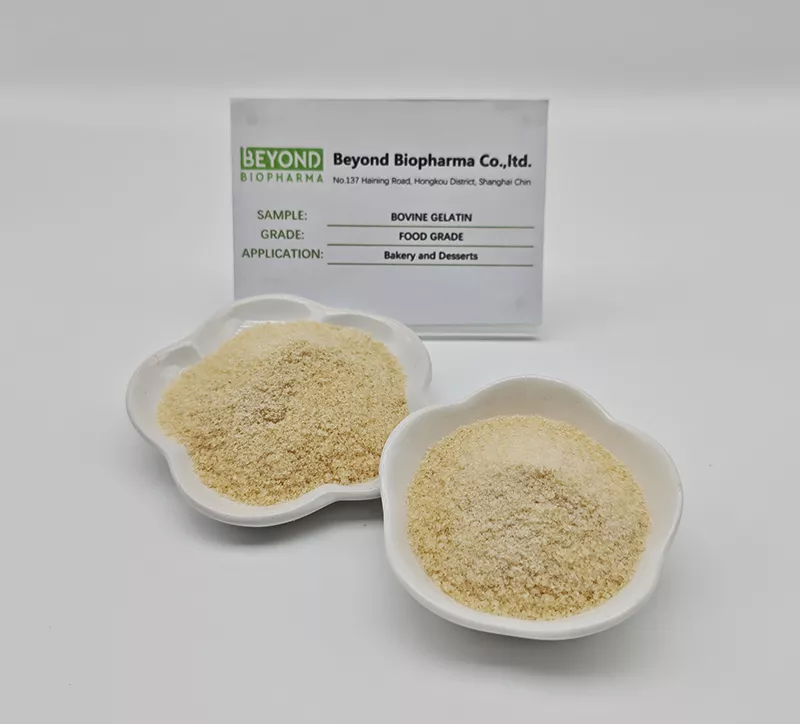
Hydrolyzed bovine collagen is derived from cow hides through a process of enzymatic hydrolysis, which breaks down large collagen molecules into smaller bioactive peptides. This reduction in molecular weight is critical for enhancing bioavailability, allowing the body to absorb and utilize these peptides more efficiently than intact collagen proteins.
Once ingested, the low molecular weight peptides are rapidly absorbed in the small intestine via peptide transporters, entering the bloodstream within 30 to 60 minutes. Studies indicate that hydrolyzed collagen can increase blood hydroxyproline levels, a marker of collagen peptide absorption, by up to 4-fold compared to non-hydrolyzed sources.
After absorption, these peptides accumulate in connective tissues, stimulating fibroblasts to produce new collagen and proteoglycans. This mechanism supports skin elasticity, joint cartilage integrity, and bone density. Clinical trials demonstrate that daily intake of 2.5–10 grams of hydrolyzed bovine collagen significantly improves skin hydration, reduces joint pain, and slows age-related collagen degradation.
The presence of specific amino acids, particularly glycine, proline, and hydroxyproline, not only provides structural building blocks but also acts as signaling molecules that trigger tissue repair pathways. This dual action makes hydrolyzed bovine collagen a highly effective nutraceutical for both dermatological and orthopedic health.
Hydrolyzed bovine collagen is a bioactive protein derived from bovine hides through enzymatic hydrolysis, resulting in low-molecular-weight peptides that are highly bioavailable. Once ingested, these peptides stimulate fibroblasts to produce new collagen and elastin fibers in the dermal matrix, directly improving skin firmness and resilience.
Clinical studies indicate that regular supplementation with hydrolyzed bovine collagen significantly enhances skin hydration by upregulating hyaluronic acid synthesis in the extracellular matrix. This increased moisture retention plumps the skin, reducing the appearance of fine lines and deep wrinkles over a sustained period.
Furthermore, the unique amino acid profile—rich in glycine, proline, and hydroxyproline—provides the building blocks necessary for repairing damaged connective tissue. This not only supports skin structure but also promotes joint cartilage maintenance, offering dual benefits for overall connective health.
| Clinical Parameter | Baseline (Week 0) | After 8 Weeks | Improvement (%) |
|---|---|---|---|
| Skin Hydration (Corneometer units) | 45.2 | 58.7 | +29.9% |
| Skin Elasticity (R2 parameter) | 0.62 | 0.74 | +19.4% |
| Wrinkle Depth (μm) | 112.5 | 89.3 | -20.6% |
Table: Summary of clinical improvements observed after 8 weeks of daily hydrolyzed bovine collagen supplementation (10 g/day) in a randomized controlled trial involving 60 women aged 35–55. All measurements were taken using standardized non-invasive skin bioengineering techniques.
The data clearly demonstrates that hydrolyzed bovine collagen not only boosts hydration and elasticity but also measurably reduces wrinkle depth, making it a scientifically validated ingredient for anti-aging skincare regimens. For more information on sourcing high-quality hydrolyzed bovine collagen, please visit our product page or explore our hydrolyzed collagen type II powder for comprehensive joint support.
By incorporating hydrolyzed bovine collagen into your daily routine, you can achieve noticeable improvements in skin texture, moisture balance, and overall youthful appearance, while simultaneously supporting joint comfort and mobility.
Discover more about our premium collagen ingredients at undenatured collagen type II and vegan glucosamine hydrochloride for a complete approach to skin and joint wellness.
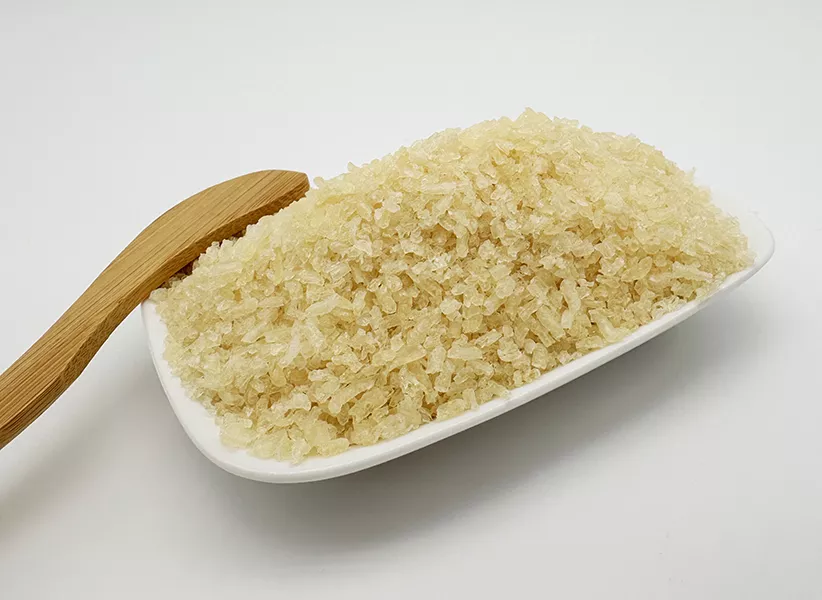
Hydrolyzed bovine collagen, derived from cow hides and bones, is a bioavailable protein that provides essential amino acids for connective tissue health. Its low molecular weight allows for efficient absorption, making it a key supplement for joint support.
Collagen is a primary component of cartilage, the rubbery tissue that cushions joints. As we age, collagen production declines, leading to cartilage thinning and joint discomfort. Hydrolyzed bovine collagen stimulates the body's own collagen synthesis, helping to rebuild cartilage matrix and reduce inflammation.
Studies show that daily intake of 10 grams of hydrolyzed bovine collagen can significantly reduce joint pain, stiffness, and improve mobility in individuals with osteoarthritis. The amino acids glycine and proline play a crucial role in repairing damaged connective tissues and decreasing joint degradation.
Hydrolyzed bovine collagen delivers specific peptides that signal chondrocytes (cartilage cells) to produce new collagen and proteoglycans. This regenerative process helps restore cartilage thickness and elasticity, offering long-term relief from joint wear and tear.
By incorporating hydrolyzed bovine collagen into your daily regimen, you can actively support joint structure, alleviate discomfort, and promote natural cartilage repair for improved quality of life.
To maximize the benefits of hydrolyzed bovine collagen for skin elasticity and joint support, consistency and strategic pairing with other nutrients are key. The following guide outlines a practical daily protocol.
Clinical studies commonly suggest 10 to 15 grams of hydrolyzed bovine collagen per day for noticeable improvements in skin hydration and joint comfort. Beginners may start with 5 grams and gradually increase to assess tolerance. Always follow the instructions on your specific product label, as concentration may vary.
Taking collagen on an empty stomach, approximately 30 to 60 minutes before a meal, may enhance absorption. Many users prefer mixing it into their morning coffee, tea, or warm water. For joint support, consuming collagen post-workout or before bed can align with the body's natural repair cycles.
Combining hydrolyzed bovine collagen with specific cofactors can significantly boost its efficacy. Vitamin C (from citrus or supplements) is essential for collagen synthesis. Copper and zinc support enzyme activity for tissue repair. Additionally, pairing collagen with hyaluronic acid or silica can further promote skin plumpness and joint lubrication.
Hydrolyzed bovine collagen is heat-stable and dissolves easily in both hot and cold liquids. Stir it into smoothies, soups, or baked goods without compromising its structure. For a targeted joint health approach, consider cycling collagen with undenatured collagen type II for complementary immune modulation.
Visible changes in skin texture often appear after 4 to 8 weeks of daily use, while joint improvements may require 8 to 12 weeks. Keep a simple log to track changes in skin firmness, nail strength, and joint mobility. If you are using other supplements such as vegan glucosamine hydrochloride, ensure proper spacing to avoid digestive overload.
Hydrolyzed bovine collagen is a highly bioavailable protein source derived from cow hides, broken down into small peptides for superior absorption. Unlike marine or porcine collagens, it contains a rich profile of Type I and Type III collagen, which are essential for skin structure and joint resilience.
Scientific studies confirm that its low molecular weight peptides are rapidly absorbed through the intestinal barrier and accumulate in connective tissues. Once in the body, these peptides stimulate fibroblast activity, boosting the production of new collagen, elastin, and hyaluronic acid. This leads to measurable improvements in skin elasticity, hydration, and a visible reduction in fine lines and wrinkles.
For joint health, hydrolyzed bovine collagen acts as a building block for cartilage repair. Regular intake has been shown to reduce joint pain, improve mobility, and slow the progression of age-related cartilage degradation. It works by stimulating chondrocytes to synthesize new collagen matrix, thereby supporting long-term joint function.
To maximize benefits, a daily dosage of 10–15 grams taken on an empty stomach or with vitamin C is recommended. Consistent use over 8–12 weeks yields optimal results. Synergistic nutrients such as vitamin C, copper, and hyaluronic acid further enhance collagen synthesis and tissue repair.
We provide you with comprehensive foreign trade solutions to help enterprises achieve global development
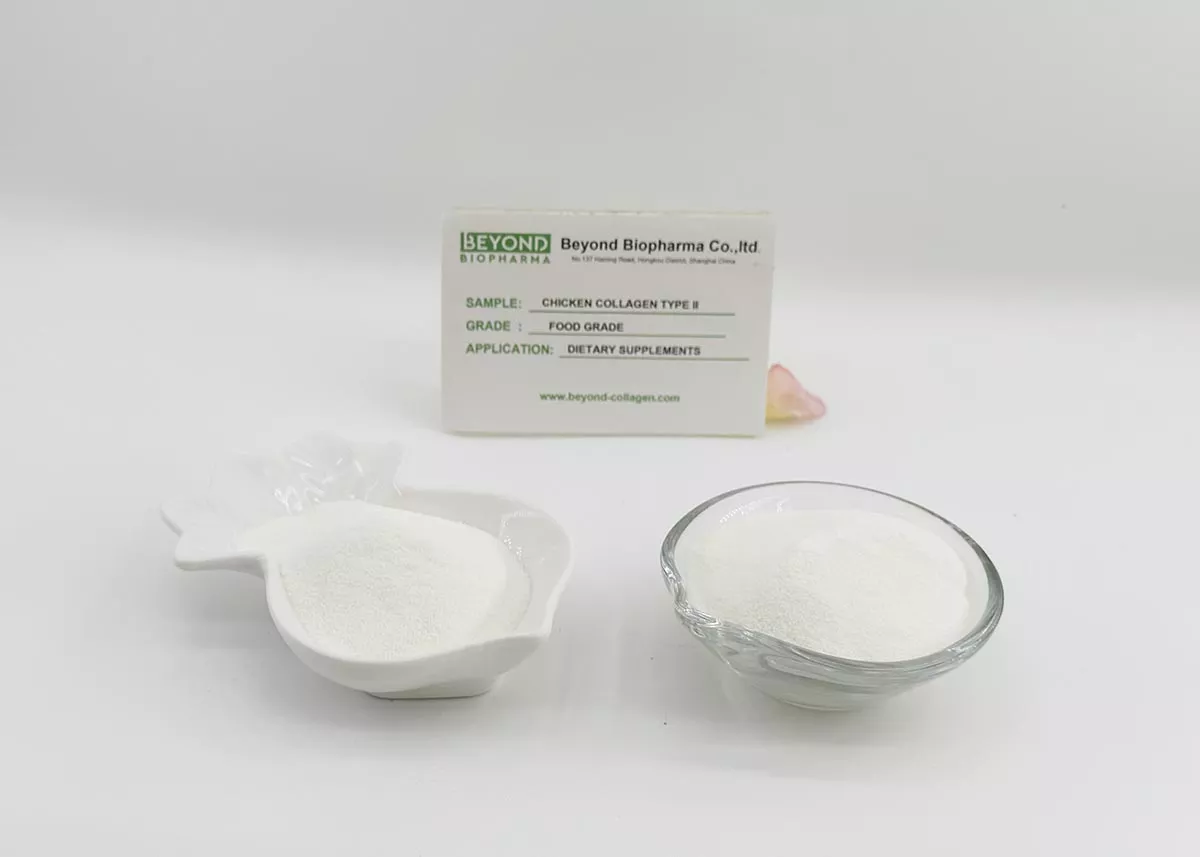
BEYOND BIOPHARMA is a specialized manufacturer of highly purified Hydrolyzed Collagen Type II. Through advanced enzymatic hydrolysis, we create low-molecular-weight collagen peptides that are highly bioavailable, offering foundational nutritional support for cartilage repair, joint function, and skin health. Our product is designed for rapid absorption and maximum efficacy in oral supplements.
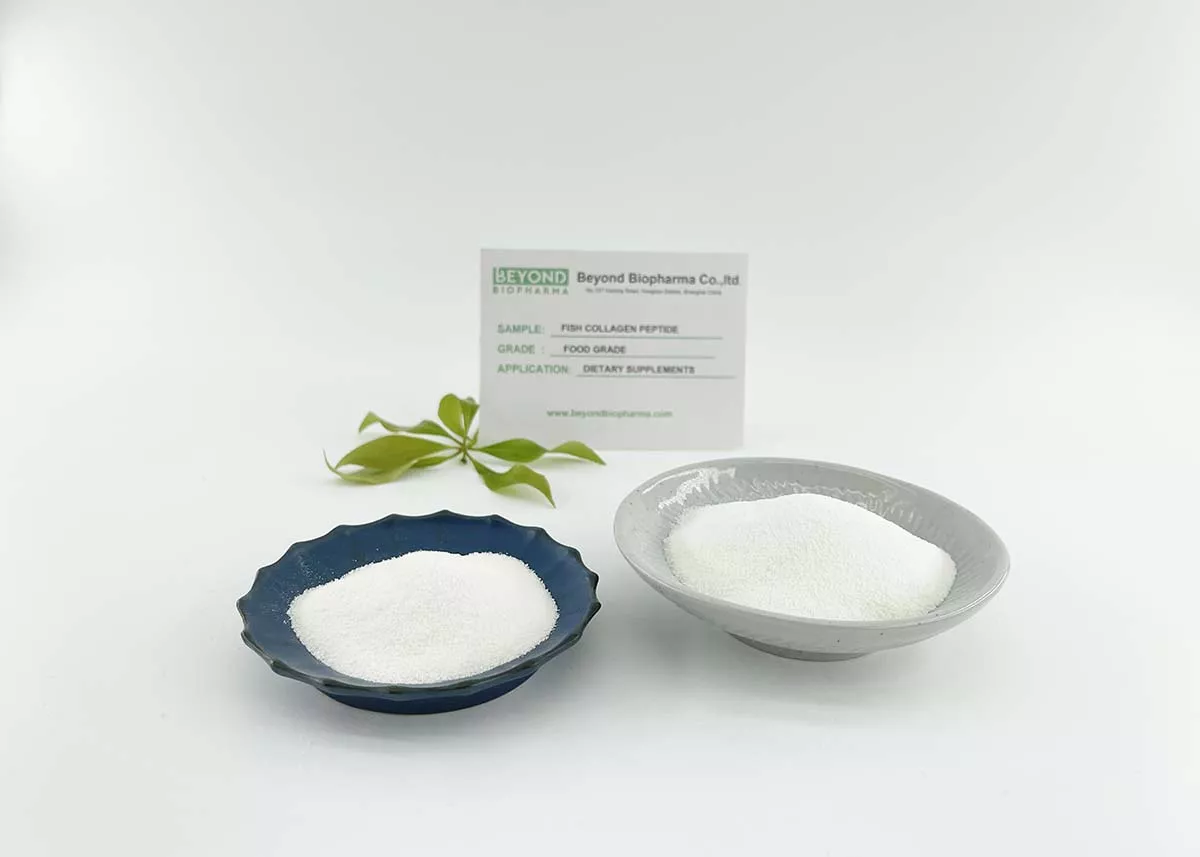
Premium marine-sourced collagen peptides with >90% protein content and low molecular weight (1000-3000 Da) for superior bioavailability. Sustainably sourced, neutral taste, and fully soluble—ideal for nutricosmetics and functional foods.
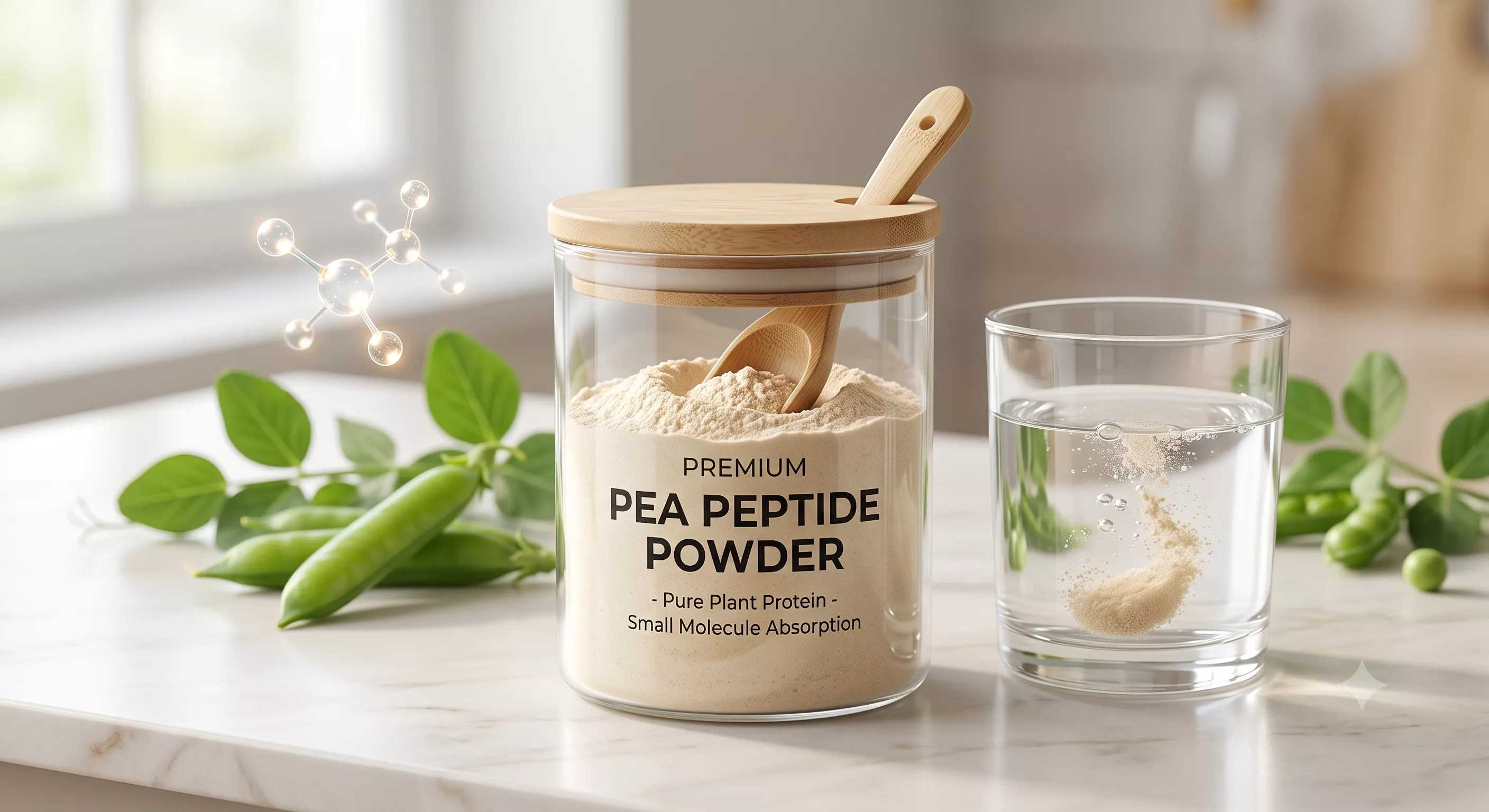
Source high-purity, hypoallergenic hydrolyzed pea peptide powder in bulk. Complete water solubility, rich in BCAAs, ideal for vegan recovery formulas.
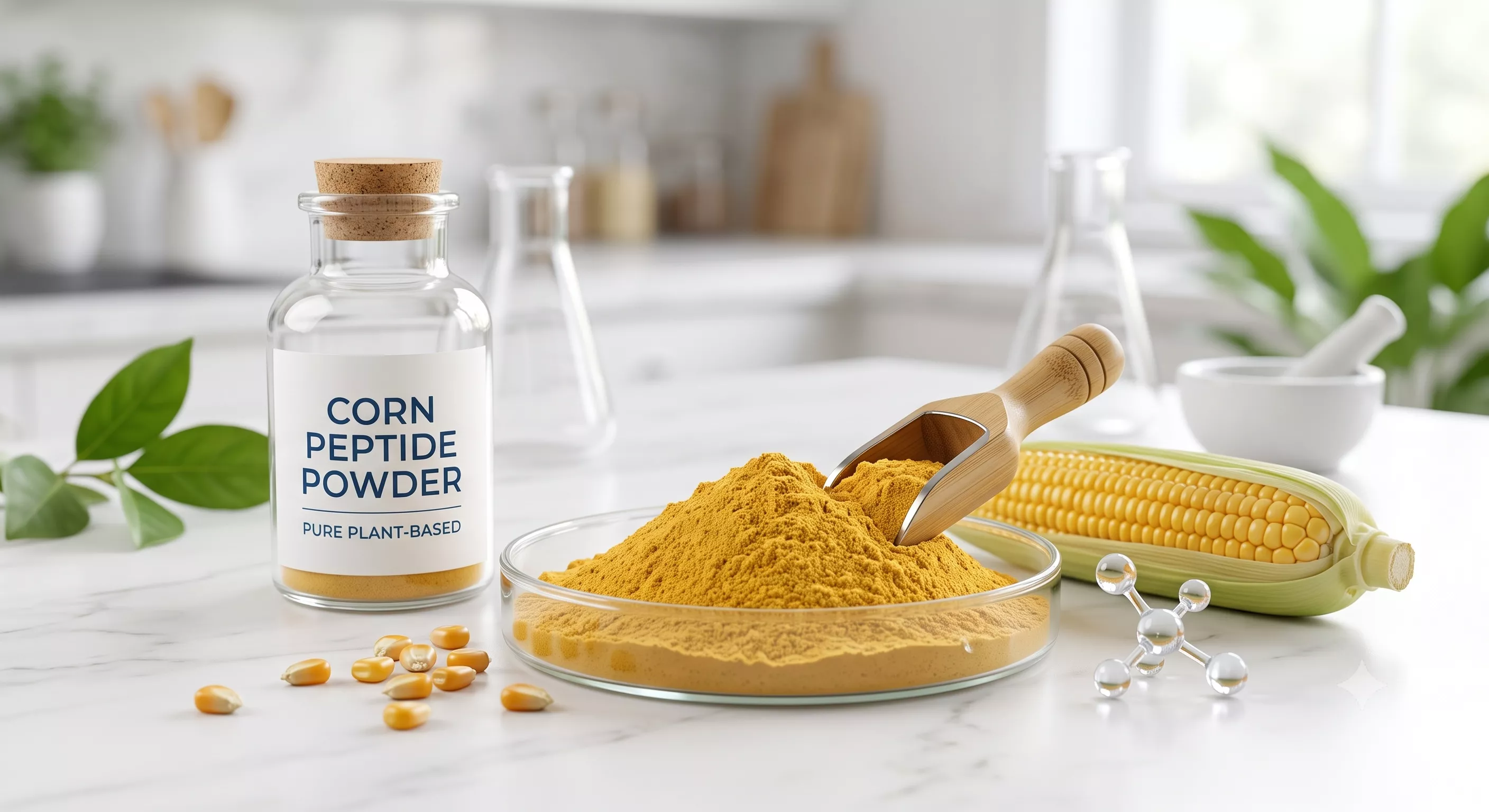
Source high-purity wholesale hydrolyzed corn protein peptide powder in bulk. Over 85% oligopeptides under 1000 Da. Rich in Alanine and Leucine for liver support and sobriety formulas.
Tel:+86 21 65010906
Cell/Whatsapp/Wechat:
+86 13482884055
+86 18657345785
Email: sales@beyondbiopharma.com