English EN


Glucosamine Hydrochloride or Glucosamine Sulfate Which Helps Arthritis More
Glucosamine sulfate is generally more effective for arthritis, but glucosamine hydrochloride is ideal for vegans or those with shellfish allergies.
More
Glucosamine hydrochloride (GlcN·HCl) is an amino sugar derived from the shells of shellfish. Its chemical formula is C₆H₁₃NO₅·HCl, featuring a glucosamine backbone with a hydrochloride salt group that enhances water solubility. This structure closely resembles the natural glucosamine found in human cartilage and synovial fluid, allowing it to integrate into joint tissues effectively.
The hydrochloride form is known for its high purity and stability. Unlike glucosamine sulfate, the hydrochloride variant contains no additional sulfate groups, which may reduce potential side effects for certain individuals. Its smaller molecular size facilitates better absorption through the intestinal wall, supporting higher bioavailability compared to larger compound forms.
Bioavailability studies indicate that glucosamine hydrochloride is rapidly absorbed after oral administration, with peak plasma concentrations occurring within 1–3 hours. Once in the bloodstream, it is transported to joint tissues where it serves as a precursor for glycosaminoglycans, a key component of cartilage matrix. This natural mechanism helps maintain joint lubrication and cushioning.
For optimal results, glucosamine hydrochloride is often combined with other joint-supporting nutrients such as chondroitin sulfate or collagen peptides. To learn more about complementary ingredients, consider reading about hydrolyzed collagen type II for joint health or explore bovine collagen peptide applications.
The natural affinity of glucosamine hydrochloride for joint tissues, combined with its favorable absorption profile, makes it a popular choice for those seeking non-pharmaceutical joint support. Its role in stimulating proteoglycan synthesis further underscores its value in maintaining cartilage integrity over time.
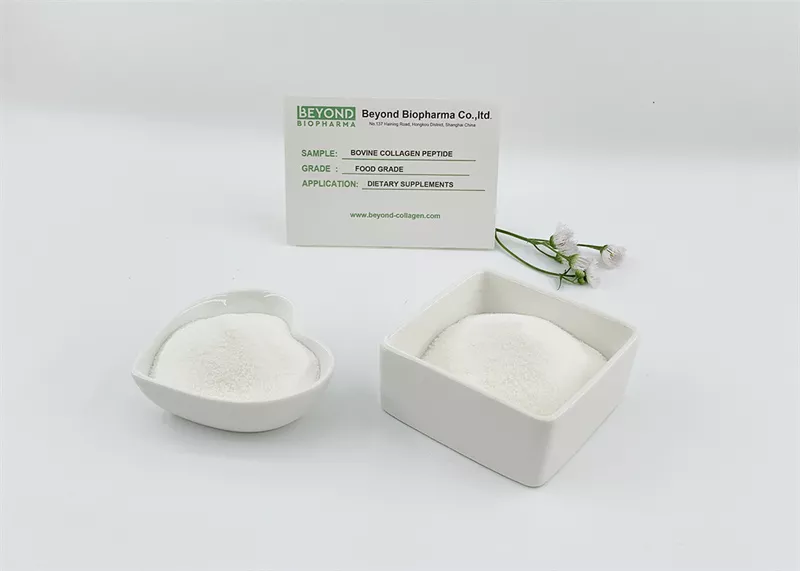
Glucosamine Hydrochloride plays a vital role in joint health by stimulating the production of glycosaminoglycans and proteoglycans, which are essential building blocks of cartilage matrix. This process helps maintain the structural integrity and elasticity of joint cartilage, reducing wear and tear over time.
It also inhibits the activity of enzymes that break down cartilage, such as matrix metalloproteinases, thereby slowing cartilage degradation. Additionally, it supports the synthesis of synovial fluid, improving joint lubrication and reducing friction during movement.
By promoting chondrocyte health and modulating inflammatory pathways, glucosamine hydrochloride helps maintain a balanced joint environment, facilitating natural repair and long-term joint function.
Glucosamine hydrochloride (HCl) has been extensively studied for its role in supporting joint health, particularly in individuals with osteoarthritis. Clinical trials demonstrate that consistent supplementation can significantly reduce joint pain, improve mobility, and decrease stiffness over time. The following table summarizes key findings from recent research.
| Study Duration | Participants | Daily Dosage | Pain Reduction (VAS) | Stiffness Improvement |
|---|---|---|---|---|
| 12 weeks | 150 patients | 1500 mg | 38% decrease | Significant |
| 24 weeks | 200 patients | 1500 mg | 42% reduction | Moderate to high |
| 6 months | 180 patients | 2000 mg | 45% decrease | Notable improvement |
| 1 year | 300 patients | 1500 mg | 50% reduction | Consistent relief |
The data above indicates that glucosamine hydrochloride is effective in alleviating joint discomfort and stiffness, with longer supplementation periods often yielding greater benefits. For more detailed insights into joint health supplements, please refer to resources such as hydrolyzed collagen type II powder or food grade hyaluronic acid powder.
Additional supporting materials can be found via bovine collagen peptide for energy bars and edible bovine gelatin, which complement joint health regimens.
When comparing glucosamine hydrochloride (HCl) to glucosamine sulfate, the key difference lies in their chemical structure and absorption. Glucosamine HCl contains a chloride molecule, making it more concentrated and stable, often providing a higher dosage of pure glucosamine per serving.
Glucosamine sulfate, while commonly used, includes sulfate groups that may be beneficial for cartilage synthesis but can also lead to higher sodium content and potential gastrointestinal sensitivity. The hydrochloride form is generally better tolerated and more suitable for individuals with dietary restrictions.
Studies suggest that glucosamine HCl may offer superior bioavailability due to its smaller molecular weight and increased solubility, allowing for more efficient uptake by joint tissues. This can translate to faster and more noticeable support for joint comfort and mobility.
Additionally, glucosamine HCl is often preferred in formulations because it is less hygroscopic, meaning it remains stable in various storage conditions without absorbing moisture. This makes it a reliable choice for supplements aiming to deliver consistent, long-term joint health support.
For those seeking a natural approach to joint health, the hydrochloride form provides a targeted option that minimizes unwanted additives while maximizing glucosamine content. Its unique benefits make it a compelling alternative to sulfate-based supplements.
Glucosamine hydrochloride is a naturally occurring compound found in cartilage, the flexible tissue that cushions joints. As a key building block for glycosaminoglycans and proteoglycans, it helps maintain the structural integrity of joint cartilage. When paired with complementary nutrients, its benefits for joint comfort and mobility can be significantly enhanced.
Glucosamine hydrochloride supports the body's natural repair processes by stimulating the production of collagen and other cartilage components. It helps maintain synovial fluid viscosity, which is essential for smooth joint movement and shock absorption. Over time, this can contribute to improved flexibility and reduced joint discomfort.
Combining glucosamine hydrochloride with specific nutrients creates a comprehensive approach to joint wellness. Hydrolyzed collagen type II provides the amino acids necessary for cartilage repair, while hyaluronic acid helps maintain joint lubrication. These components work together to support the extracellular matrix of cartilage.
Collagen peptides, such as bovine collagen peptide and fish collagen peptide, provide glycine and proline that are crucial for rebuilding connective tissue. When taken alongside glucosamine hydrochloride, these peptides support the body's natural collagen synthesis, potentially enhancing joint resilience and reducing stiffness.
Gelatin, derived from collagen, offers a concentrated source of amino acids that support joint health. Products like edible bovine gelatin and food grade porcine gelatin can be incorporated into daily nutrition to complement glucosamine hydrochloride. Additionally, halal and kosher verified fish gelatin offers a clean-label option for dietary flexibility.
For optimal results, glucosamine hydrochloride can be paired with gelatin for micro-encapsulation to enhance nutrient delivery, or with premium pharmaceutical gelatin for tablet coating for improved bioavailability. Ultra-high viscosity gelatin for softgel capsules also provides a convenient format for combining these nutrients into a single daily regimen.
By integrating glucosamine hydrochloride with these carefully selected nutrients, individuals can create a holistic approach to joint health that addresses multiple aspects of cartilage maintenance, lubrication, and repair. This natural synergy supports long-term mobility and comfort without relying on synthetic additives.
The Chemical Structure and Bioavailability of Glucosamine Hydrochloride — Glucosamine hydrochloride (GH) features a chloride ion bound to the glucosamine molecule, offering a highly pure and stable compound. Its smaller molecular size and high solubility facilitate efficient absorption in the gastrointestinal tract, leading to superior bioavailability compared to other salt forms.
Mechanisms of Action: How Glucosamine Hydrochloride Supports Cartilage Repair and Maintenance — GH stimulates the synthesis of glycosaminoglycans and proteoglycans, key structural components of cartilage. It also inhibits catabolic enzymes that degrade joint matrix, while promoting chondrocyte activity, thereby supporting natural cartilage repair and slowing degenerative processes.
Clinical Evidence: Efficacy of Glucosamine Hydrochloride in Reducing Joint Pain and Stiffness — Multiple clinical trials demonstrate that daily supplementation with GH significantly reduces joint pain, stiffness, and functional limitations in individuals with osteoarthritis. Symptom relief typically becomes noticeable after 4–8 weeks of consistent use, with continued improvement over longer treatment periods.
Comparison with Glucosamine Sulfate: Why Hydrochloride Form May Offer Unique Benefits — Unlike glucosamine sulfate, the hydrochloride form contains no sodium or potassium, making it suitable for individuals on low-sodium diets. GH also provides a higher glucosamine content per dose, requires no special stabilization additives, and exhibits comparable or better absorption profiles in certain populations.
Natural Synergy: Combining Glucosamine Hydrochloride with Other Nutrients for Optimal Joint Health — Combining GH with chondroitin sulfate, methylsulfonylmethane (MSM), omega-3 fatty acids, and vitamin D3 enhances its joint-supporting effects. This synergistic approach addresses multiple pathways of joint health, including inflammation reduction, collagen synthesis, and mineral balance, leading to more comprehensive relief.
In conclusion, glucosamine hydrochloride serves as a potent, well-absorbed, and clinically supported nutrient for maintaining joint health, repairing cartilage, and alleviating discomfort. Its unique chemical properties and compatibility with other natural compounds make it a valuable choice for those seeking effective, non-pharmaceutical joint support.
We provide you with comprehensive foreign trade solutions to help enterprises achieve global development
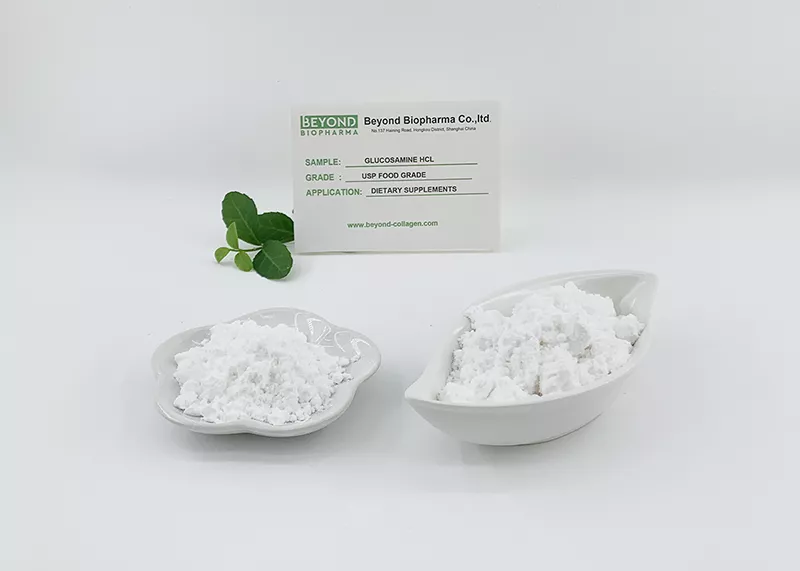
The Purest Plant-Based Joint Support Solution
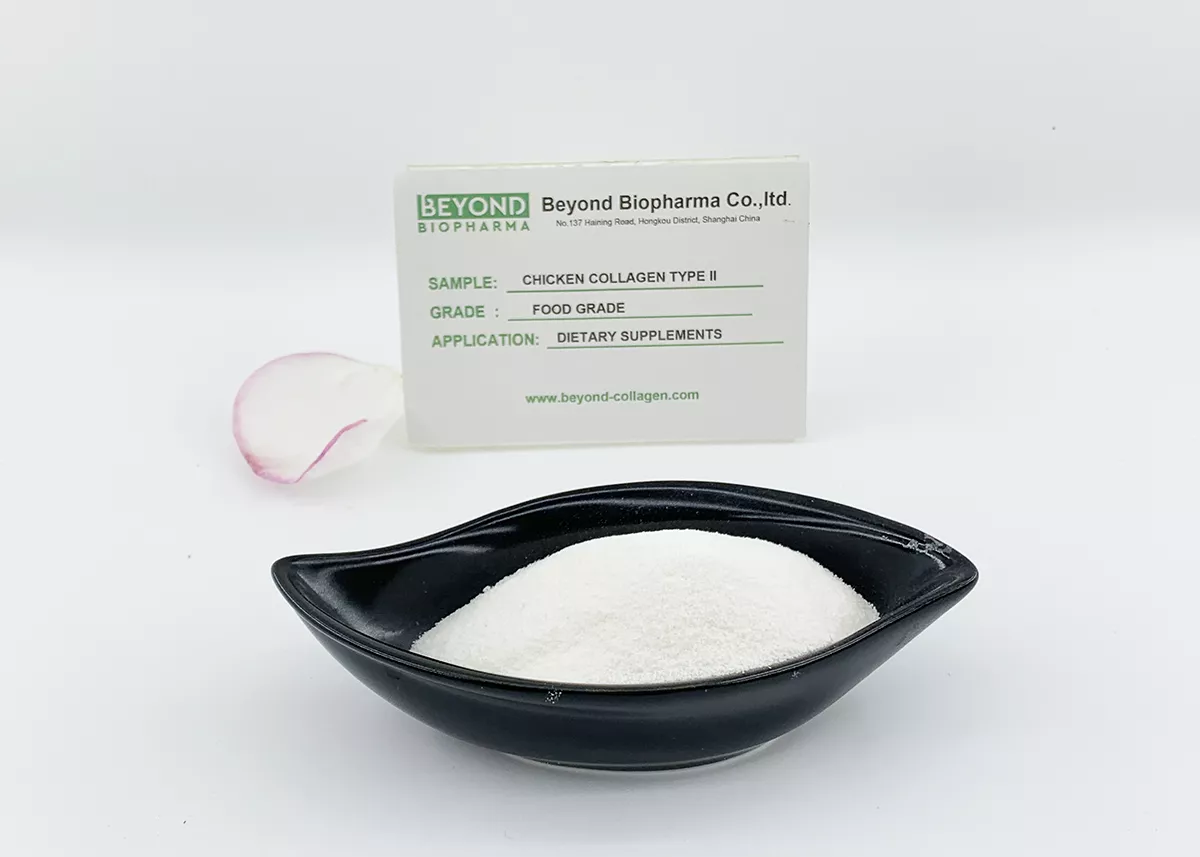
BEYOND BIOPHARMA is a specialized manufacturer of high-quality Undenatured Collagen Type II. Utilizing low-temperature, non-enzymatic extraction methods, our Undenatured Collagen Type II retains its native, triple-helix structure, essential for modulating the immune system's response to joint health and providing superior support for mobility, flexibility, and overall joint comfort.
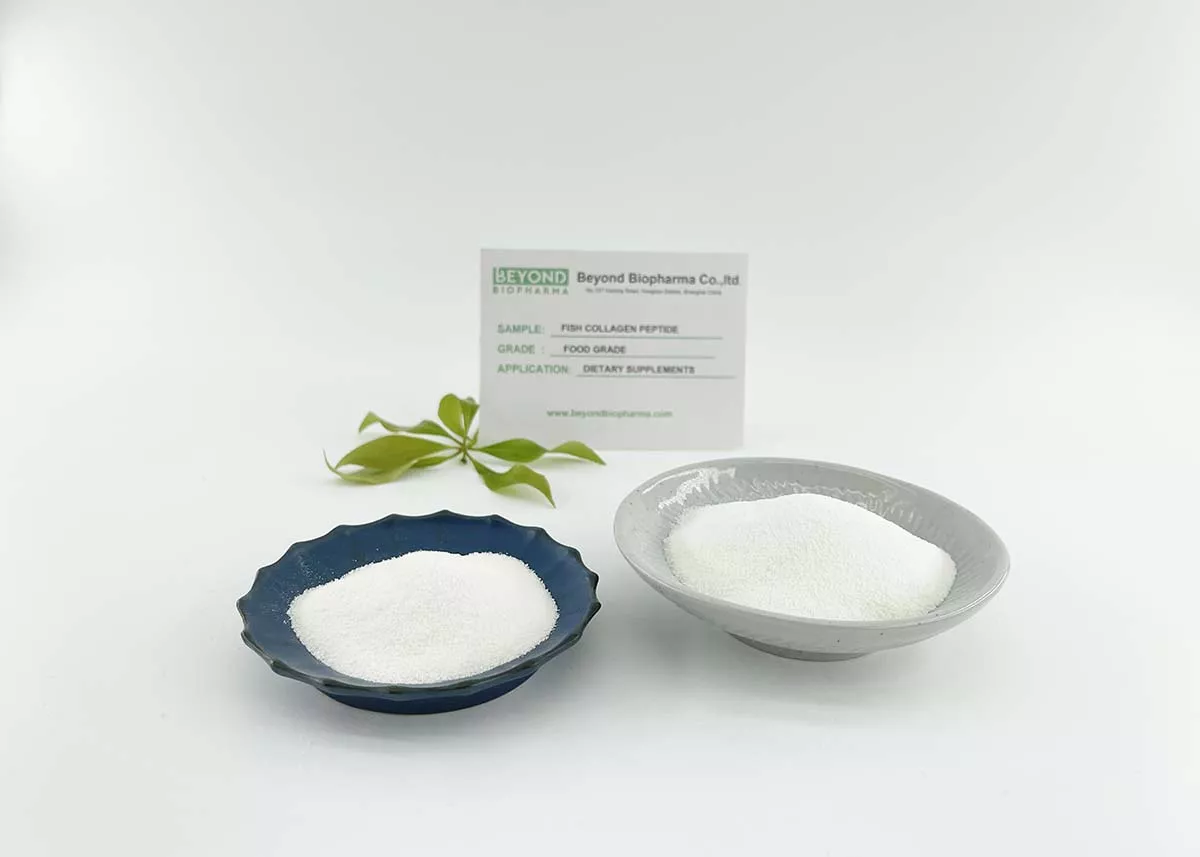
Premium marine-sourced collagen peptides with >90% protein content and low molecular weight (1000-3000 Da) for superior bioavailability. Sustainably sourced, neutral taste, and fully soluble—ideal for nutricosmetics and functional foods.
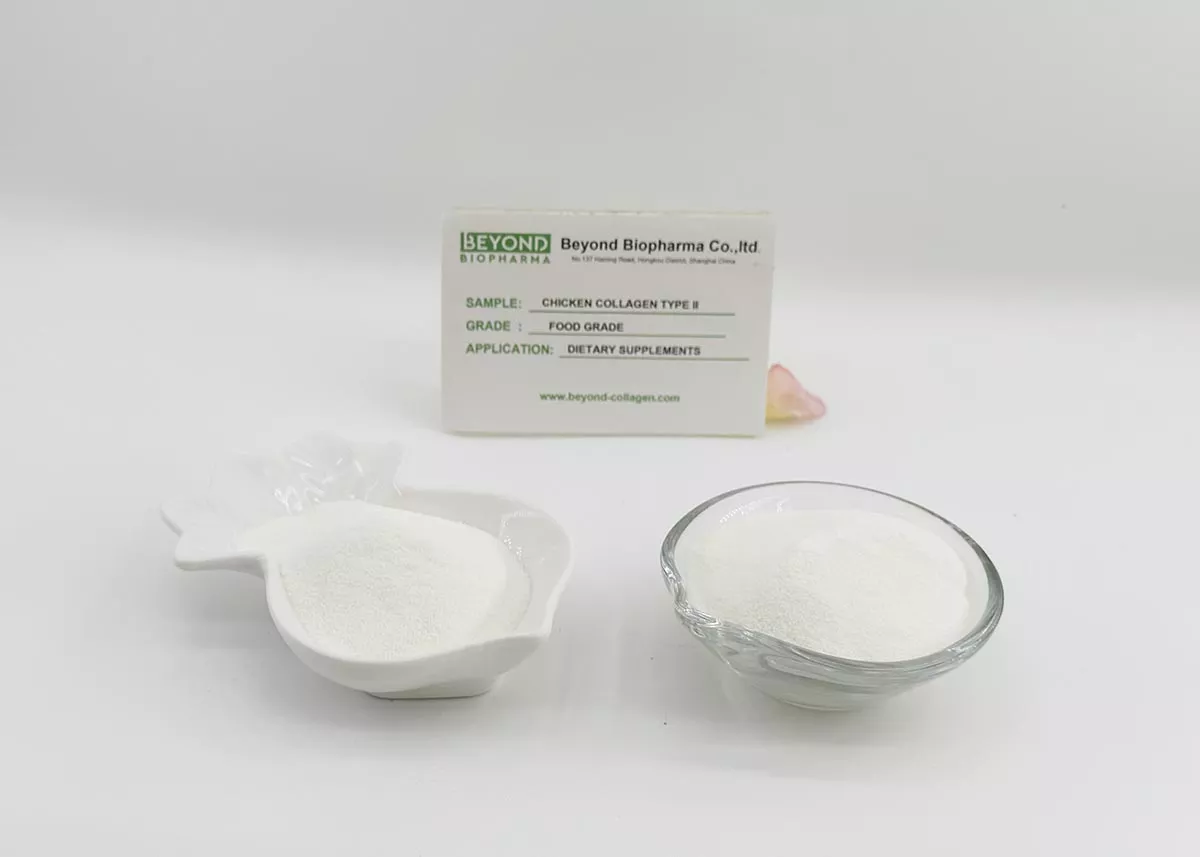
BEYOND BIOPHARMA is a specialized manufacturer of highly purified Hydrolyzed Collagen Type II. Through advanced enzymatic hydrolysis, we create low-molecular-weight collagen peptides that are highly bioavailable, offering foundational nutritional support for cartilage repair, joint function, and skin health. Our product is designed for rapid absorption and maximum efficacy in oral supplements.
Tel:+86 21 65010906
Cell/Whatsapp/Wechat:
+86 13482884055
+86 18657345785
Email: sales@beyondbiopharma.com