English EN


What Is the Best Edible Gelatin for Cooking and Baking?
A practical guide to selecting the best edible gelatin for cooking and baking, covering Bloom strength, animal sources, and application tips for gummies, desserts, and savory dishes.
More
Gelatin is far more than a simple thickening agent — it is a versatile culinary tool that unlocks new dimensions of texture, mouthfeel, and flavor in both savory and sweet preparations. From creating silky-smooth gels and airy foams to stabilizing emulsions and enriching broths, gelatin’s unique protein structure allows home cooks and professional chefs alike to elevate everyday dishes with remarkable ease. Beyond the kitchen, gelatin offers a wealth of health benefits rooted in its rich amino acid profile, particularly glycine and proline. These compounds support joint mobility by helping maintain cartilage integrity, soothe the digestive tract by binding to water and promoting gut lining repair, and contribute to skin elasticity and hydration. Compared to collagen supplements, gelatin provides a more versatile form that can be incorporated into warm liquids, cold desserts, and even savory sauces. Mastering the art of gelatin — understanding bloom ratios, temperature control, and acidity adjustments — empowers you to achieve flawless results every time. Whether you are crafting a delicate panna cotta, a nourishing bone broth, or a stable whipped foam, gelatin transforms both the nutritional profile and the sensory experience of your food, making it an indispensable ingredient for modern cooking and holistic wellness.
Gelatin is more than a thickening agent—it’s a secret weapon for elevating everyday cooking. From silky sauces to perfectly set desserts, its unique properties transform ordinary ingredients into extraordinary creations.
When dissolved in warm liquid, gelatin creates a network that traps moisture, adding body and a smooth mouthfeel. A teaspoon in soups or stews enriches the broth without altering flavor, while in fruit jams, it delivers a clean, sliceable consistency. For savory dishes, consider adding gelatin to pan sauces for a glossy finish that clings to meat or vegetables.
Beyond texture, gelatin subtly enhances taste by carrying other flavors. It reduces perceived bitterness in coffee or tea and balances acidity in vinaigrettes. Premium pharmaceutical gelatin offers neutral taste, ideal for delicate recipes. For clean-label cooking, halal and kosher fish gelatin provides a versatile option.
In baking, gelatin stabilizes whipped cream and mousses, preventing collapse. Mix it into yogurt for a thicker, protein-rich snack or use it to make gummy candies at home. Even a pinch in cold drinks creates a silky texture without clumping. Standardized gelatin sheets ensure consistent results for professional-quality gels.
For health-minded cooks, gelatin supports joint comfort and gut health. Undenatured collagen type II can be blended into smoothies or oatmeal. Meanwhile, hydrolyzed collagen type II powder dissolves easily for daily use.
Experiment with gelatin in unexpected ways: clarify stocks with a gelatin raft, create edible film for wraps, or thicken dairy-free ice cream. Gelatin for micro-encapsulation even allows flavor release in molecular gastronomy. With these techniques, gelatin unlocks a world of culinary creativity.
Gelatin is a versatile ingredient that can elevate everyday meals while supporting joint health, digestion, and skin vitality. Discover simple yet innovative ways to add this protein-rich staple to your routine.
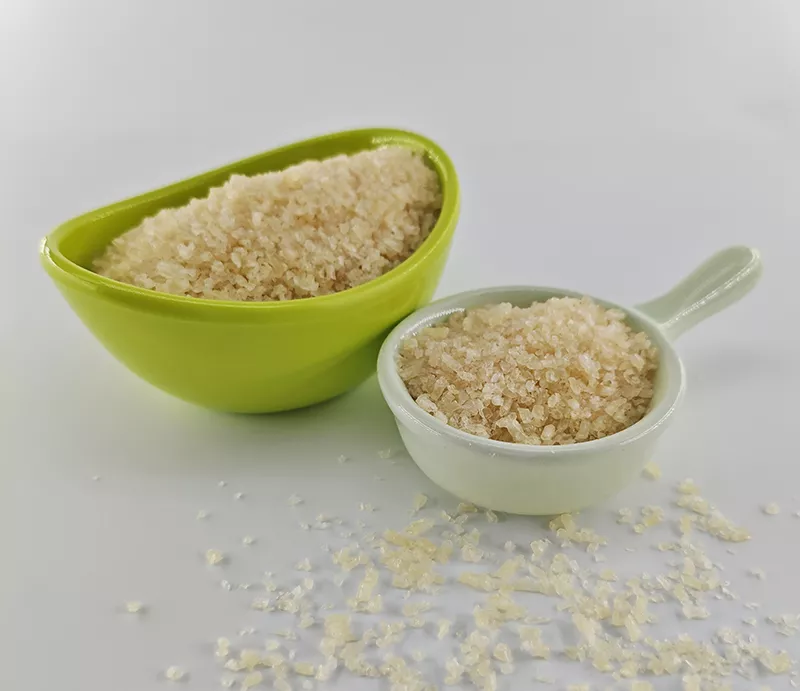
Start with the classic: homemade bone broth. Simmer chicken or beef bones with vegetables and herbs for 12-24 hours, then strain. Use it as a base for soups, stews, or sipping. For a thicker texture, add unflavored gelatin to broths, gravies, or sauces—it enriches flavor and adds body without altering taste.
Try gelatin in savory jellies: mix with tomato juice, herbs, and spices for a refreshing aspic. Or stir into warm bone broth along with turmeric and ginger for a healing tonic.
Gelatin is a star in desserts. Create silky panna cotta by blooming gelatin in cream and vanilla. For fruit-based gels, dissolve gelatin in fruit juice and chill until set—top with fresh berries for a light dessert. Homemade gummy candies are easy: mix gelatin with fruit puree and honey, pour into molds, and refrigerate.
Add gelatin to yogurt parfaits or chia puddings for extra protein. For a creative twist, layer gelatin with coconut milk and mango puree for a tropical vegan-friendly option.
Boost your morning smoothie by blending in a tablespoon of gelatin powder. It dissolves easily in cold liquids and adds a protein punch without affecting flavor. For a warm beverage, stir gelatin into herbal tea or coffee—it creates a soothing, nutrient-rich drink.
Try gelatin in homemade protein shakes or mix into lemonade for a refreshing post-workout recovery drink.
Incorporate gelatin into baked goods for improved texture. Add a teaspoon to muffin or pancake batter for a fluffier result. For gluten-free recipes, gelatin helps bind ingredients and adds moisture. Use it in pie fillings to achieve a perfect set without cornstarch.
Sprinkle gelatin over roasted vegetables before serving for a glossy finish, or mix into mashed potatoes for creaminess.
Gelatin is rich in collagen, which supports joint health, skin elasticity, and gut integrity. It contains glycine and proline, amino acids that aid sleep and reduce inflammation. Start with 1-2 tablespoons per day, gradually increasing. Always choose high-quality, grass-fed gelatin for best results.
Store gelatin in a cool, dry place. To avoid clumping, sprinkle it over cold liquid and let it bloom before heating. Experiment with flavors—vanilla, citrus zest, or cocoa powder can transform plain gelatin into a gourmet treat.
Gelatin is more than a kitchen staple—it is a functional protein derived from collagen that offers measurable benefits for the body. When consumed regularly, gelatin provides amino acids like glycine and proline that play key roles in connective tissue repair, gut integrity, and dermal structure. Below is a snapshot of how gelatin targets three core areas of wellness.
| Health Area | Key Mechanism | Clinical Insight |
|---|---|---|
| Joint Health | Supplies collagen peptides that support cartilage matrix and reduce joint discomfort. | Studies show improved mobility and reduced pain with regular intake. |
| Digestion | Glycine in gelatin helps strengthen the gut lining and supports healthy digestion. | May aid in soothing the digestive tract and improving nutrient absorption. |
| Skin Vitality | Promotes collagen synthesis, improving skin elasticity and hydration. | Regular consumption linked to reduced wrinkles and firmer skin. |
The data above highlights how gelatin acts from the inside out. For joint support, the collagen peptides stimulate chondrocytes to rebuild cartilage, while glycine helps calm inflammation. In the digestive system, gelatin binds to water and forms a gel-like layer that soothes the intestinal lining, making it beneficial for those with leaky gut or food sensitivities. For skin, the amino acid profile directly feeds fibroblasts, the cells responsible for producing new collagen and elastin, leading to a more youthful appearance.
To integrate gelatin into your daily routine, consider using high-quality sources such as undenatured collagen type II for joint comfort, or hydrolyzed collagen type II powder for comprehensive joint support. For culinary applications, standardized gelatin sheets ensure consistent results in gels and desserts, while halal and kosher fish gelatin offers a clean-label option for diverse dietary needs. Those looking for pharmaceutical applications can explore premium pharmaceutical gelatin for tablet coating or ultra-high viscosity gelatin for softgel capsules. For advanced formulations, gelatin for micro-encapsulation and pharmaceutical-grade bovine bone gelatin provide reliable, BSE-free options. Even food-grade hyaluronic acid powder can complement gelatin for enhanced skin and joint benefits.
By choosing the right type of gelatin, you can tailor its benefits to your specific health goals, whether that is improving joint mobility, healing your gut, or rejuvenating your skin. The science is clear: gelatin is a versatile, evidence-based ingredient that deserves a place in both your kitchen and your wellness regimen.
While both originate from animal connective tissues, gelatin and collagen offer distinct nutritional profiles and culinary applications. Gelatin is the cooked form of collagen, creating a gel-like texture, whereas collagen peptides are hydrolyzed for easy dissolution. Understanding these differences helps you choose the right ingredient for your cooking and health goals.
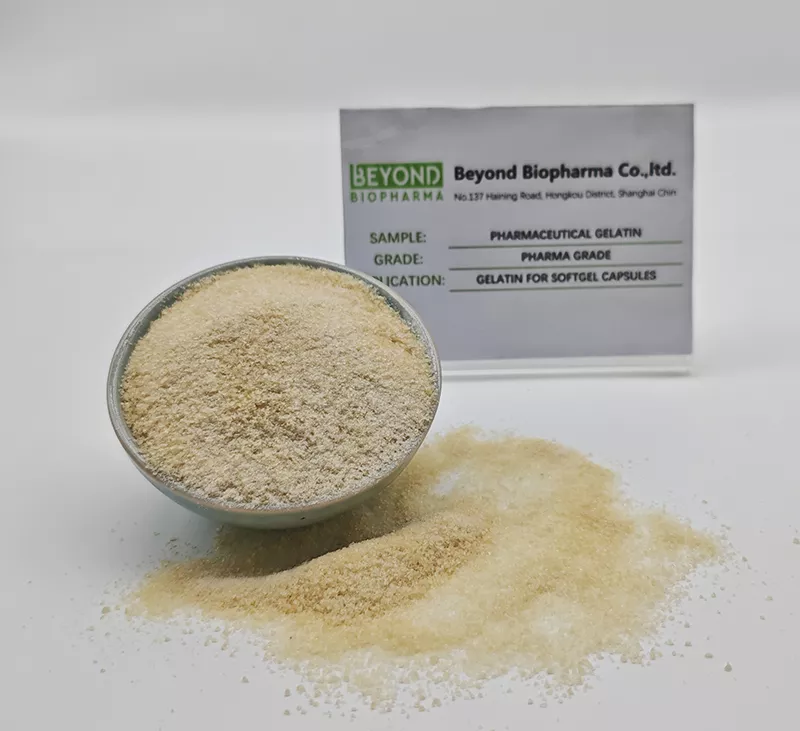
Gelatin is rich in glycine and proline, supporting joint health and skin elasticity. Collagen peptides contain similar amino acids but are broken down for faster absorption. Both are excellent sources of protein, though collagen is often more versatile in cold liquids.
Gelatin is ideal for creating firm desserts, gummies, and aspics due to its gelling ability. Collagen, being soluble, blends seamlessly into smoothies, coffee, and sauces without altering texture. This makes collagen more convenient for daily supplementation.
Both promote skin hydration, nail strength, and bone density. Gelatin supports digestion by soothing the gut lining, while collagen is widely studied for reducing joint pain and improving mobility. Choosing between them depends on your specific health needs.
For cooking and baking, gelatin provides structure and texture. For effortless daily nutrition, collagen peptides are more practical. Both can be part of a balanced diet, but understanding their differences ensures you get the most out of each.
The key to perfect gels lies in bloom strength. Higher bloom values yield firmer, more elastic gels. Always bloom gelatin in cold water for 5-10 minutes before gently heating to dissolve. This ensures a smooth, lump-free texture every time.
Explore consistent gelatin sheets for reliable resultsFor airy foams, use hydrolyzed gelatin at a ratio of 1:10 with cold liquid. Whip vigorously while chilling to incorporate air. The result is a light, stable foam perfect for mousses and aerated desserts.
Discover hydrolyzed collagen for foam applicationsGelatin acts as a natural emulsifier. Combine with oil and water at a 1:3 ratio, then blend at medium speed. The gelatin stabilizes the emulsion, preventing separation and creating a silky texture for sauces and dressings.
Learn about clean-label emulsifiers for foodNever boil gelatin. Heat gently to 50-60°C (122-140°F) to dissolve. Rapid cooling sets gels quickly, while slow cooling yields a softer set. Use an instant-read thermometer for precision.
Find premium gelatin for precise applicationsOvermixing introduces air bubbles. Stir gently until dissolved. Also, acidic ingredients like citrus can weaken gelatin—compensate by increasing the gelatin amount by 10-15%.
Browse high-viscosity gelatin for consistent resultsFor halal or kosher diets, fish gelatin is an excellent alternative. It provides the same gelling properties without compromising dietary laws, making it versatile for global cuisine.
Shop halal and kosher fish gelatinCombine gelatin with micro-encapsulation for controlled release of flavors. This technique is ideal for layered desserts or functional foods where texture and timing matter.
Explore gelatin for micro-encapsulationChoose pharmaceutical-grade gelatin for purity and performance. Bovine bone gelatin is ideal for hard capsules and firm gels, while fish gelatin suits delicate applications.
View pharmaceutical-grade bovine gelatinGelatin is a versatile ingredient that elevates everyday cooking by improving texture, flavor, and nutritional value. From enriching bone broths and desserts to supporting joint health, digestion, and skin vitality, its culinary and wellness benefits are extensive. Understanding the science behind gelatin helps achieve perfect gels, foams, and emulsions, while comparing it with collagen clarifies their unique nutritional roles. Mastering these techniques unlocks creative possibilities in the kitchen.


We provide you with comprehensive foreign trade solutions to help enterprises achieve global development
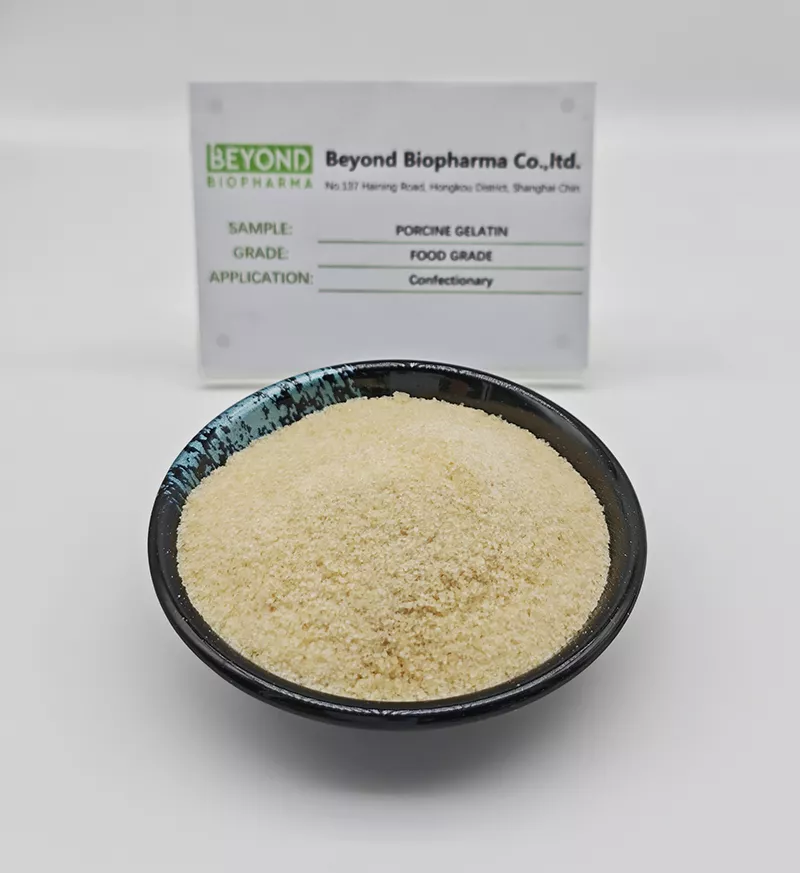
Food-grade porcine gelatin is a highly versatile and cost-effective natural protein derived from the collagen found in pig skin and bones. It is a premier gelling agent known for its exceptional clarity, neutral taste, and thermal reversibility.
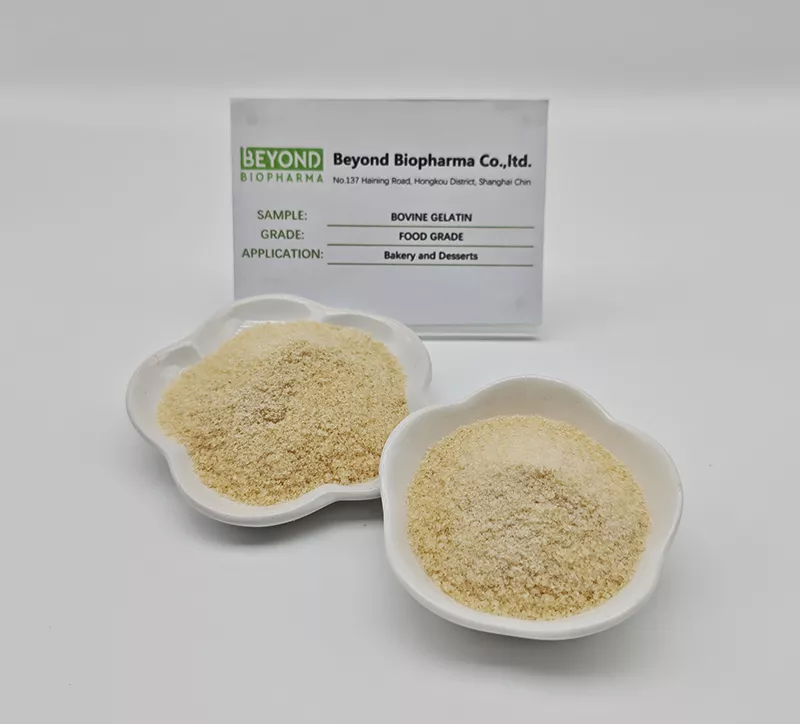
20 years experiences, 5000 ton/year capacity, Sustained supply with stable quality
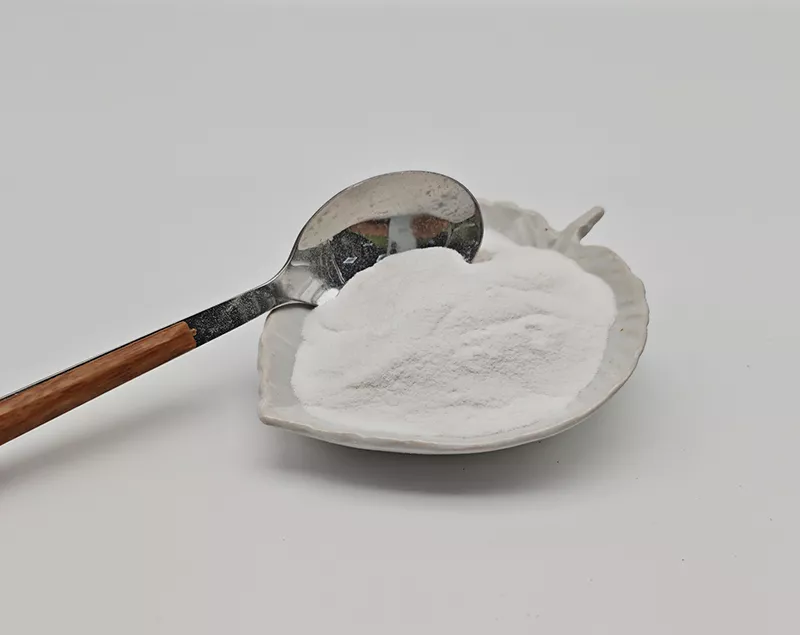
Fish Gelatin for foods is increasingly recognized as the premium alternative to traditional mammalian sources, meeting the growing global demand for clean-label ingredients that align with diverse dietary and religious requirements. Derived from the skin and scales of fish like cod and tilapia, fish gelatin offers unique functional benefits that make it an exceptional gelling, stabilizing, and texturizing agent.
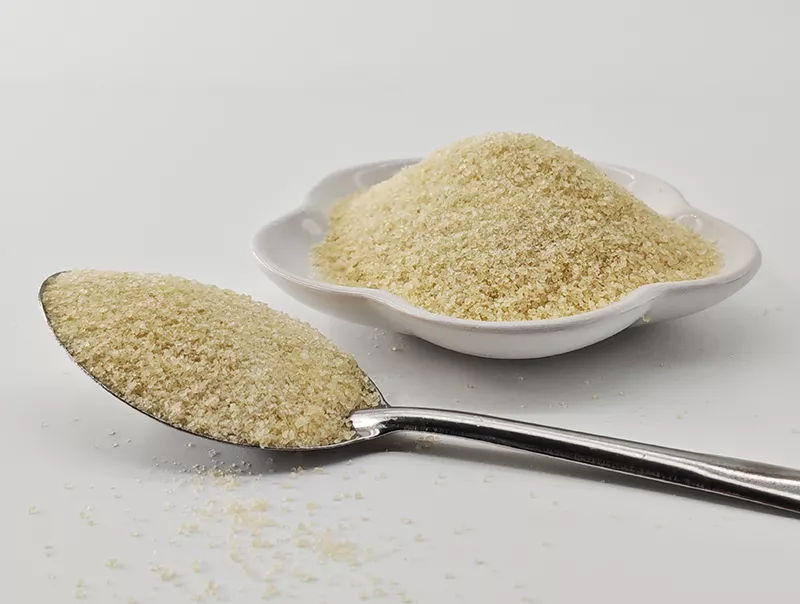
The High-Performance Barrier for Core Material Protection and Controlled Release.
Tel:+86 21 65010906
Cell/Whatsapp/Wechat:
+86 13482884055
+86 18657345785
Email: sales@beyondbiopharma.com