 English EN


How Fish Collagen Powder Supports Skin and Joint Health
Fish collagen powder boosts skin hydration, elasticity, and joint health with fast-absorbing peptides for visible results and pain relief.
More
Glucosamine HCL is a naturally occurring amino sugar that plays a fundamental role in the synthesis of glycosaminoglycans and proteoglycans, which are essential building blocks of joint cartilage. By providing the raw materials necessary for cartilage matrix formation, it supports the body’s natural repair processes and helps maintain the structural integrity of joints over time.
Clinical research indicates that regular supplementation with Glucosamine HCL may stimulate chondrocyte activity, the cells responsible for producing new cartilage tissue. This action is critical for slowing the progression of age-related joint wear and supporting recovery from daily stress on the joints.
For those seeking high-quality joint support, premium vegan glucosamine hydrochloride HCL offers a reliable source of this vital nutrient. Additionally, combining Glucosamine HCL with complementary nutrients like bovine chondroitin sulfate sodium can further enhance cartilage resilience and joint comfort.
By supporting the body’s natural cartilage maintenance cycle, Glucosamine HCL helps preserve joint function and mobility, making it a cornerstone ingredient in holistic joint health regimens. Explore more about undenatured collagen type II as a complementary approach to joint support.
Glucosamine HCL works by supporting the body's natural repair processes in cartilage and synovial fluid. It helps reduce inflammatory markers that cause swelling and discomfort, while improving lubrication between joints. This leads to less stiffness, especially after periods of inactivity.
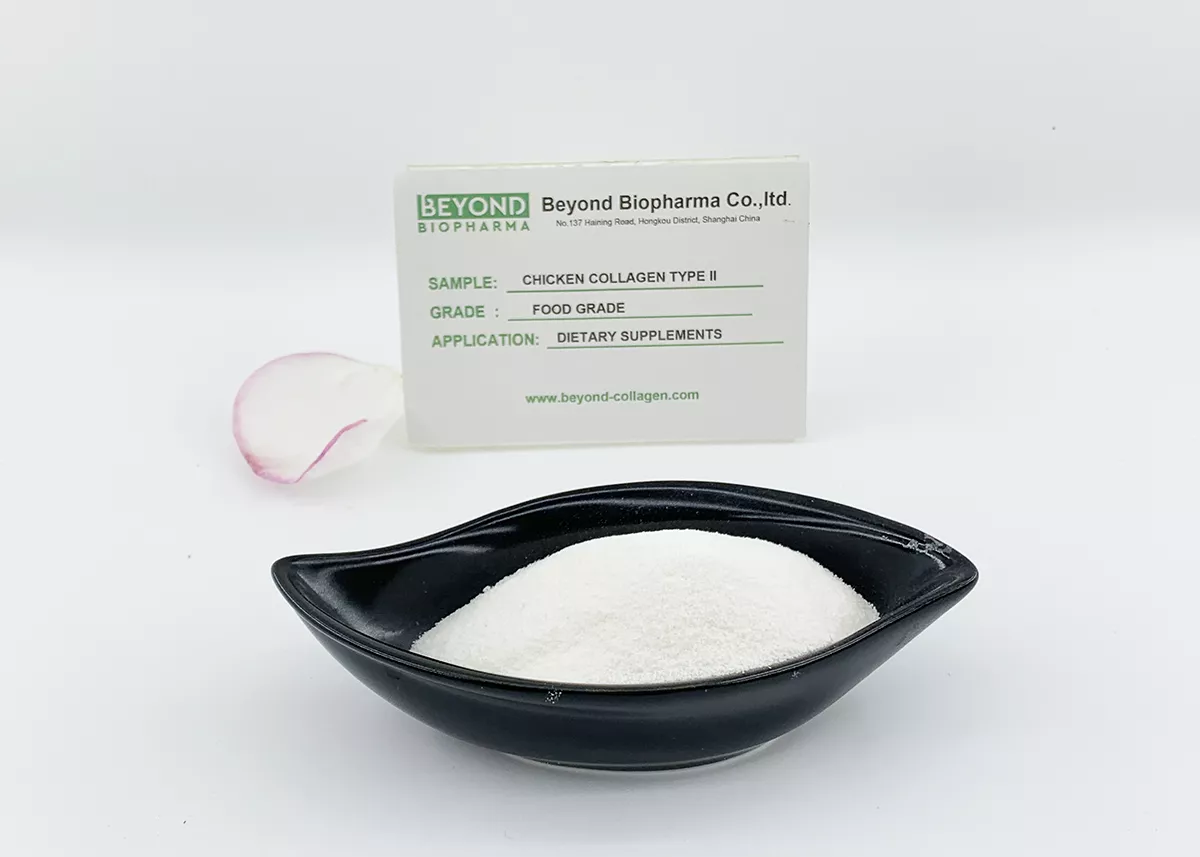
By replenishing glycosaminoglycans, Glucosamine HCL helps maintain cartilage integrity and elasticity. Studies suggest it can lower levels of C-reactive protein and other inflammation indicators, easing joint pain and improving range of motion over time.
Regular intake of Glucosamine HCL supports the synthesis of proteoglycans, which are essential for shock absorption in joints. This natural compound offers a safe, non-drug approach to managing chronic joint stiffness and inflammatory discomfort.
Glucosamine hydrochloride (HCL) is a naturally occurring amino sugar that plays a critical role in the biosynthesis of glycosaminoglycans and proteoglycans—key structural components of joint cartilage. Its primary mechanism involves stimulating synoviocytes, the cells lining the joint capsule, to produce hyaluronic acid, a major constituent of synovial fluid. This fluid acts as a lubricant and shock absorber, reducing friction between bones during movement.
By enhancing synovial fluid volume and viscosity, Glucosamine HCL helps restore the joint’s natural cushioning properties. It also inhibits the activity of catabolic enzymes that degrade cartilage, thereby slowing the progression of joint degeneration. The compound is readily absorbed into the bloodstream and accumulates in joint tissues, where it supports the repair of damaged cartilage and promotes overall joint resilience.
Clinical studies have demonstrated that consistent supplementation with Glucosamine HCL leads to significant improvements in joint comfort and mobility. Unlike some pain relievers that merely mask symptoms, Glucosamine HCL addresses the underlying structural deficiencies by nourishing the joint environment from within.
| Function | Mechanism | Benefit |
|---|---|---|
| Stimulates Synovial Fluid Production | Upregulates hyaluronic acid synthesis in synoviocytes | Improves joint lubrication and shock absorption |
| Inhibits Cartilage Degradation | Blocks matrix metalloproteinases (MMPs) activity | Slows cartilage breakdown and joint space narrowing |
| Supports Cartilage Repair | Provides substrate for glycosaminoglycan synthesis | Enhances tissue regeneration and joint resilience |
| Reduces Inflammatory Response | Modulates cytokine production and oxidative stress | Alleviates joint discomfort and swelling |
The above table summarizes the primary mechanisms through which Glucosamine HCL supports joint health. Each function contributes to a holistic approach to maintaining joint structure and function without the use of synthetic drugs.
For individuals seeking a natural, plant-based alternative to traditional animal-derived glucosamine, high-quality vegan Glucosamine Hydrochloride (HCL) is available. This form is derived from non-animal sources, making it suitable for vegetarian and vegan lifestyles while delivering the same joint-supporting benefits.
To learn more about vegan Glucosamine HCL and its applications, visit the product page: Premium Vegan Glucosamine Hydrochloride HCL.
Additional resources on joint health ingredients can be found at: Undenatured Collagen Type II and Bovine Chondroitin Sulfate Sodium.
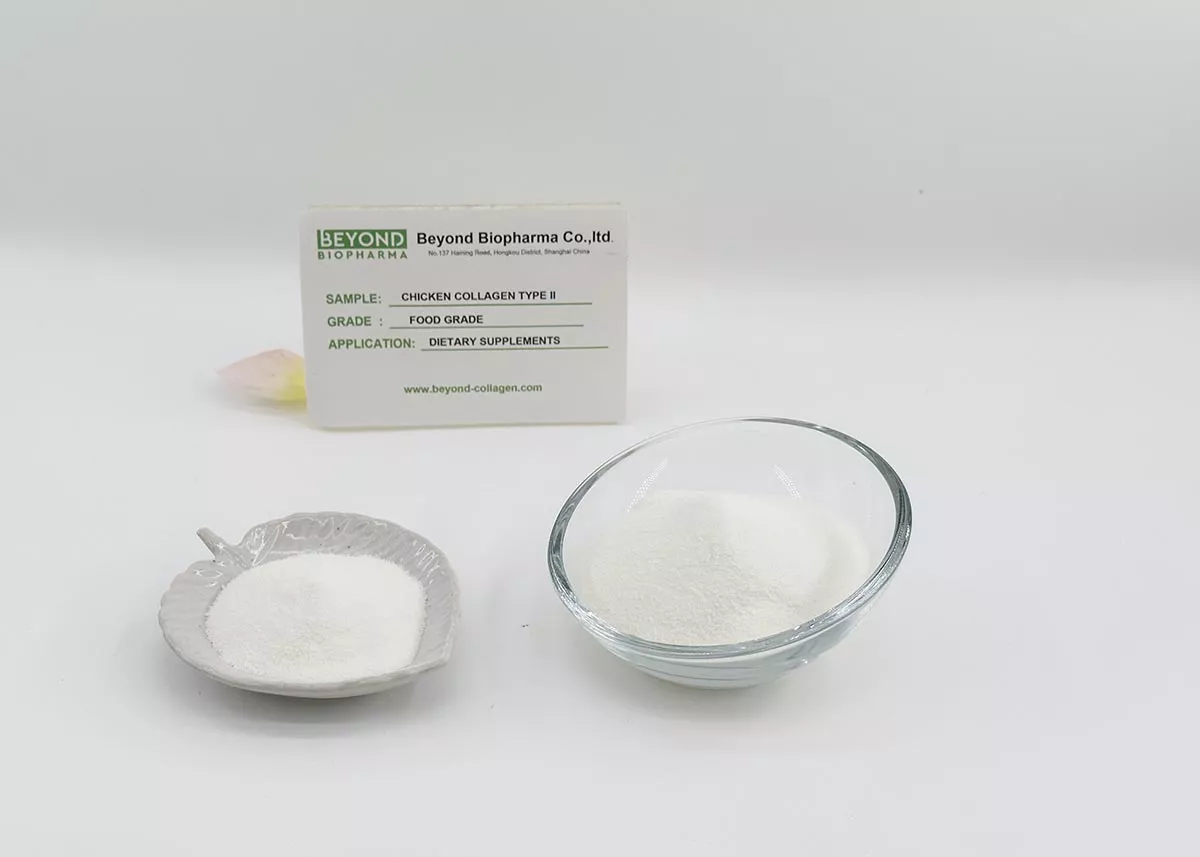
Glucosamine HCL (hydrochloride) is a highly bioavailable form of glucosamine, often preferred for its purity and ability to support joint cartilage. Unlike glucosamine sulfate, which contains sulfate groups that may aid in cartilage synthesis, HCL offers a higher concentration of glucosamine per dose, making it effective for reducing joint pain and stiffness.
In contrast, glucosamine sulfate is commonly studied for its role in stimulating proteoglycan production, but it often contains additional sodium or potassium, which may not suit all diets. Glucosamine HCL, being sodium-free, is a better option for those monitoring salt intake while still promoting joint lubrication and comfort.
Another form, N-acetyl glucosamine, focuses more on gut health and connective tissue repair rather than direct joint support. For targeted joint health, glucosamine HCL stands out due to its stability and absorption, helping to rebuild cartilage naturally.
Glucosamine hydrochloride (HCL) is a naturally occurring amino sugar that plays a critical role in building and maintaining cartilage. Clinical studies demonstrate that consistent supplementation can reduce joint pain and improve function, especially in individuals with osteoarthritis.
Glucosamine HCL stimulates the production of glycosaminoglycans and proteoglycans, essential components of joint cartilage. It also inhibits inflammatory pathways and reduces oxidative stress, helping to slow cartilage degradation and alleviate pain without the side effects of NSAIDs.
Glucosamine HCL is well-tolerated with a safety profile comparable to placebo. Common mild side effects include gastrointestinal discomfort, but serious adverse events are rare. It is considered safe for long-term use.
For individuals seeking a natural approach to joint pain, glucosamine HCL offers a clinically validated option. It is most effective when combined with a healthy lifestyle and other joint-supporting nutrients. For more details on premium glucosamine HCL supplements, visit this product page.
Glucosamine HCL serves as a fundamental building block for proteoglycans, which are essential for maintaining the structural integrity of cartilage. By stimulating chondrocyte activity, it supports the natural repair process of damaged cartilage, helping to slow degeneration and preserve joint function over time.
This compound exhibits anti-inflammatory properties by inhibiting the production of pro-inflammatory cytokines and enzymes. Regular supplementation helps decrease joint swelling and morning stiffness, improving mobility and comfort in individuals with osteoarthritis.
Glucosamine HCL stimulates synoviocytes to produce hyaluronic acid, a key component of synovial fluid. This enhances joint lubrication, reduces friction between bones, and promotes smoother, pain-free movement during daily activities.
Unlike glucosamine sulfate, which often contains sodium or potassium, glucosamine HCL offers a higher concentration of pure glucosamine per dose. It is also more stable and less likely to cause gastrointestinal discomfort, making it a preferred choice for many long-term users.
Multiple clinical studies demonstrate that glucosamine HCL significantly reduces chronic joint pain and improves physical function compared to placebo. Its natural mechanism targets the underlying causes of joint discomfort, providing a safe, non-pharmaceutical option for pain management.
We provide you with comprehensive foreign trade solutions to help enterprises achieve global development
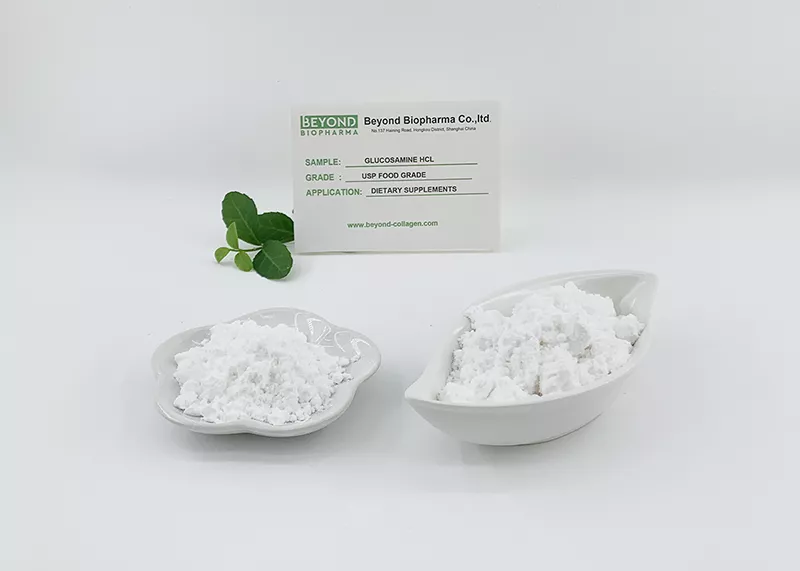
The Purest Plant-Based Joint Support Solution
BEYOND BIOPHARMA is a specialized manufacturer of high-quality Undenatured Collagen Type II. Utilizing low-temperature, non-enzymatic extraction methods, our Undenatured Collagen Type II retains its native, triple-helix structure, essential for modulating the immune system's response to joint health and providing superior support for mobility, flexibility, and overall joint comfort.
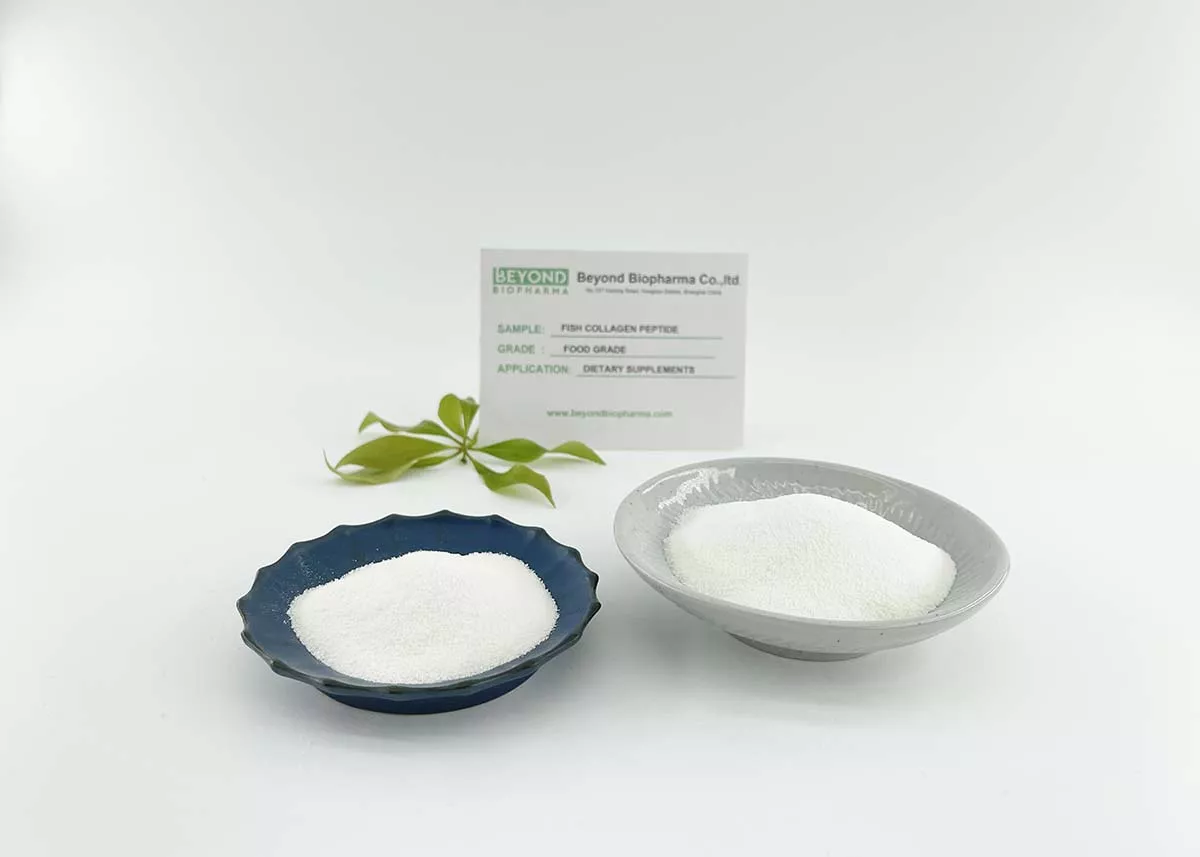
Premium marine-sourced collagen peptides with >90% protein content and low molecular weight (1000-3000 Da) for superior bioavailability. Sustainably sourced, neutral taste, and fully soluble—ideal for nutricosmetics and functional foods.
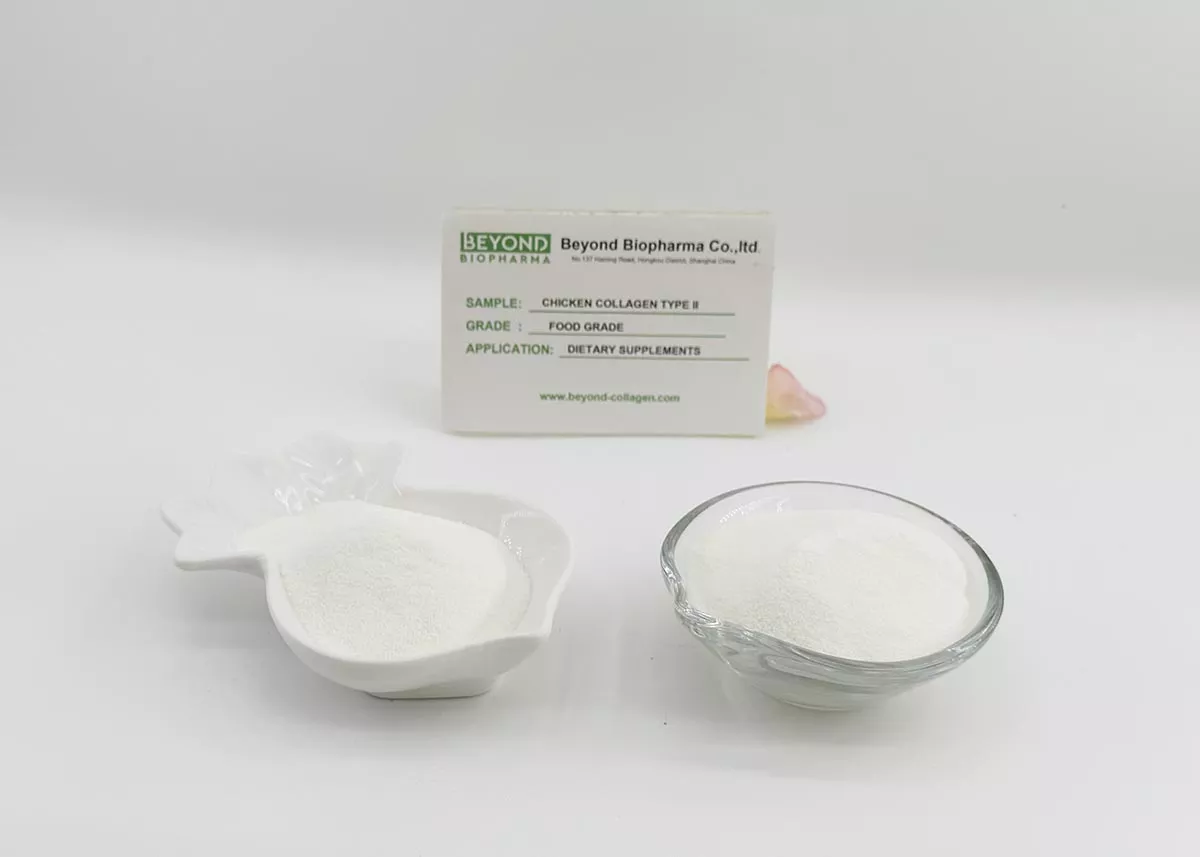
BEYOND BIOPHARMA is a specialized manufacturer of highly purified Hydrolyzed Collagen Type II. Through advanced enzymatic hydrolysis, we create low-molecular-weight collagen peptides that are highly bioavailable, offering foundational nutritional support for cartilage repair, joint function, and skin health. Our product is designed for rapid absorption and maximum efficacy in oral supplements.
Tel:+86 21 65010906
Cell/Whatsapp/Wechat:
+86 13482884055
+86 18657345785
Email: sales@beyondbiopharma.com




