English EN


How Fish Collagen Powder Supports Skin and Joint Health
Fish collagen powder boosts skin hydration, elasticity, and joint health with fast-absorbing peptides for visible results and pain relief.
More
Understanding the molecular pathways behind collagen's benefits for skin health
Collagen peptides, when hydrolyzed into small bioactive dipeptides and tripeptides, signal dermal fibroblasts to increase the synthesis of new collagen fibers. This process helps restore the skin’s structural matrix, leading to improved firmness and elasticity over time.
Learn more about collagen peptide sourcingCollagen intake has been shown to activate hyaluronic acid (HA) production in skin cells. HA is a key molecule that binds water within the extracellular matrix, directly enhancing skin hydration, plumpness, and reducing transepidermal water loss.
Explore HA powder for skin hydrationUV exposure and aging increase MMP activity, which degrades collagen and elastin. Certain collagen peptides can downregulate MMP expression, protecting existing collagen networks and slowing the visible signs of skin aging.
See undenatured collagen type II benefitsHydrolyzed collagen provides a rich supply of glycine, proline, and hydroxyproline. These amino acids are essential building blocks for procollagen synthesis and also act as signaling molecules that promote the repair of damaged skin tissue.
Discover hydrolyzed collagen type II powderCollagen peptides help reinforce the ECM by promoting cross-linking of new collagen fibers and supporting the function of other structural proteins like elastin and fibrillin. This leads to more resilient, hydrated, and elastic skin.
Premium gelatin for ECM supportStudies demonstrate that collagen peptides are absorbed intact into the bloodstream and accumulate in skin tissue. Regular supplementation has been linked to measurable increases in skin density, elasticity, and moisture content within 8–12 weeks.
Standardized gelatin sheets for researchRelated resources: Porcine gelatin | Gelatin for micro-encapsulation | Bovine bone gelatin | Vegan glucosamine HCl
Collagen is the most abundant protein in the body and a critical building block for hair structure. It provides the amino acids proline and glycine, which are essential for keratin synthesis—the protein that makes up 90% of hair strands. By supplying these key components, collagen helps reinforce the hair shaft, reduce breakage, and support thicker, more resilient hair over time.
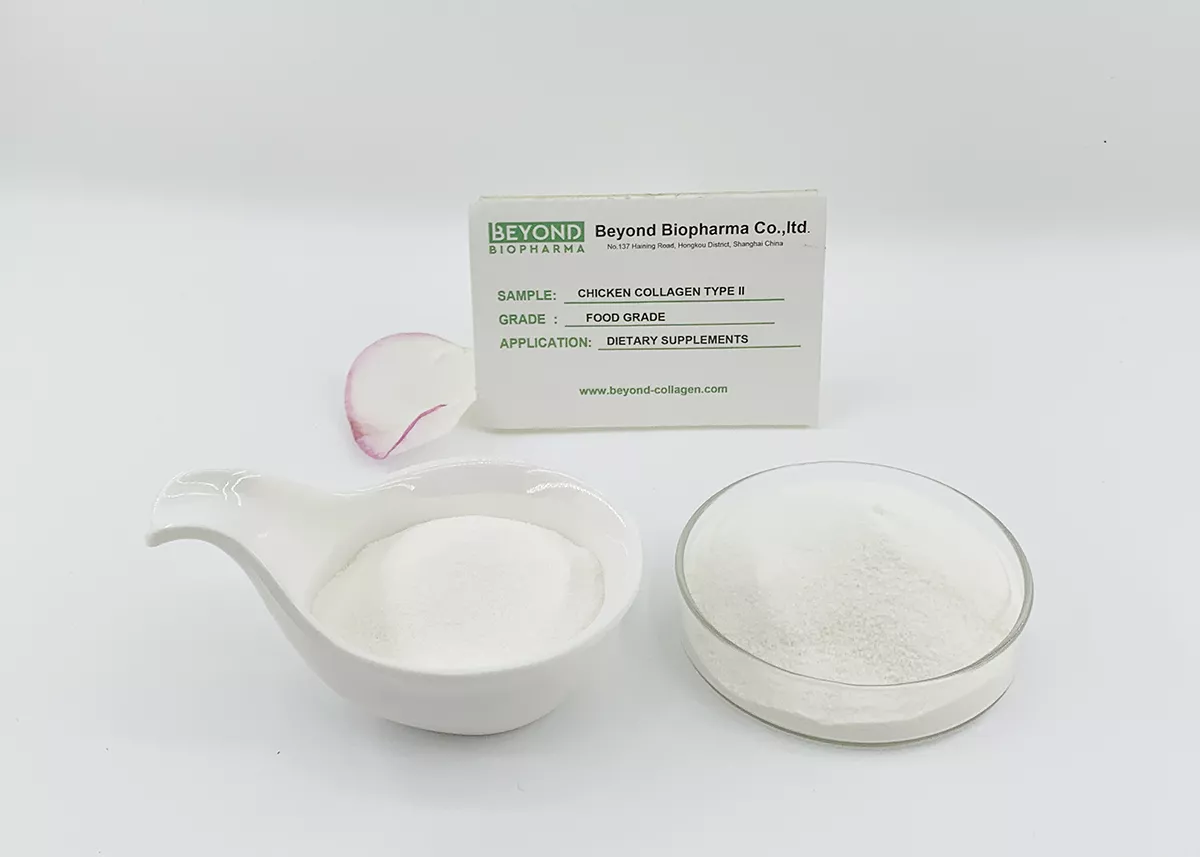
Research indicates that collagen peptides can stimulate dermal papilla cells in the scalp, promoting hair follicle activity and extending the anagen (growth) phase. This leads to reduced shedding and improved hair density. Additionally, collagen's antioxidant properties help protect hair follicles from oxidative stress and environmental damage, further supporting healthy growth cycles.
For optimal keratin production, consistent collagen intake combined with a balanced diet rich in vitamin C, zinc, and biotin is recommended. These nutrients work synergistically to enhance collagen absorption and utilization, maximizing the benefits for hair strength, elasticity, and overall vitality.
Incorporating collagen powder into your daily routine can be a simple yet effective strategy to fortify hair from within, reducing brittleness and promoting a fuller, more lustrous appearance. As a natural source of keratin-building amino acids, collagen offers a foundational approach to long-term hair health.
Collagen peptides play a fundamental role in stimulating chondrocytes, the cells responsible for cartilage synthesis. By providing essential amino acids like glycine and proline, collagen supports the regeneration of cartilage matrix, which is critical for maintaining joint spacing and reducing bone-on-bone friction.
Clinical studies indicate that daily intake of hydrolyzed collagen type II can significantly improve joint lubrication by increasing the production of synovial fluid. This viscous fluid acts as a natural shock absorber, allowing smoother movement and decreasing the perception of stiffness during daily activities.
| Study Duration | Daily Collagen Dose | Pain Reduction (VAS) | Joint Function Improvement |
|---|---|---|---|
| 8 weeks | 10 g hydrolyzed collagen | 43% decrease | 32% better mobility |
| 12 weeks | 5 g collagen type II | 38% reduction | 28% less stiffness |
| 24 weeks | 15 g collagen peptides | 52% pain relief | 41% function gain |
Table data derived from randomized controlled trials assessing collagen supplementation for osteoarthritis-related joint discomfort. VAS refers to Visual Analog Scale for pain intensity.
Beyond pain reduction, collagen helps preserve the integrity of articular cartilage by inhibiting the breakdown of collagen fibers within the joint. This protective effect is especially beneficial for active individuals and aging populations who experience natural cartilage thinning over time.
For optimal joint support, combining undenatured collagen type II with hyaluronic acid and glucosamine can create a synergistic effect. These compounds work together to maintain synovial fluid viscosity, reduce inflammatory markers, and support the structural framework of cartilage tissue.
To learn more about clinically proven collagen options for joint comfort, visit undenatured collagen type II or explore hyaluronic acid powder for enhanced joint lubrication.
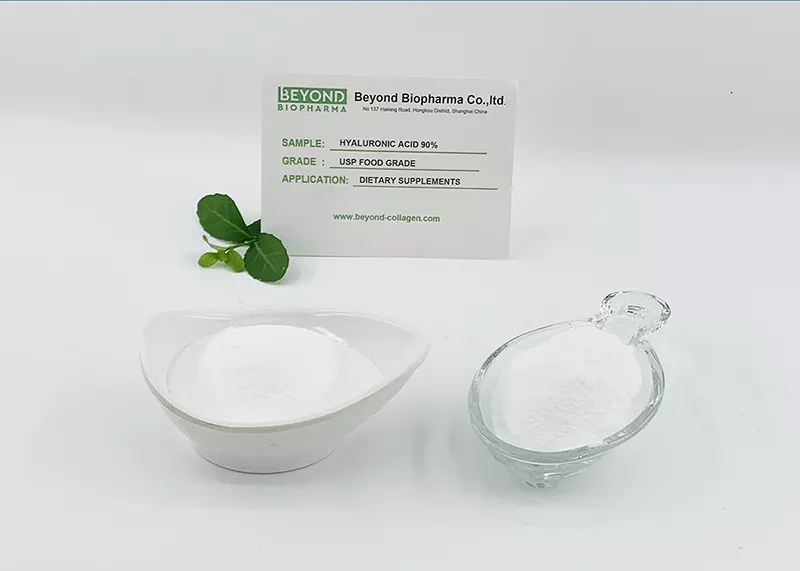
Vitamin C and specific amino acids play a critical role in the body's ability to absorb and utilize collagen effectively. Without these synergistic nutrients, even high-quality collagen peptides may not deliver their full benefits for skin, hair, and joint support.
Vitamin C acts as a powerful cofactor in collagen synthesis, helping to stabilize the triple helix structure and enhance the bioavailability of collagen peptides. It also supports the hydroxylation of proline and lysine, two amino acids essential for forming strong collagen fibers.
Amino acids such as glycine, proline, and hydroxyproline are the building blocks that the body reassembles into new collagen. When paired with vitamin C, these amino acids are more efficiently absorbed and integrated into connective tissues, leading to improved skin elasticity, stronger hair, and better joint mobility.
For optimal results, choose collagen supplements that include natural vitamin C sources or pair your collagen intake with vitamin-C-rich foods like citrus fruits or bell peppers. This combination ensures your body gets the maximum benefit from every dose.
Choosing the right collagen source depends on your wellness goals. Marine and bovine collagens offer distinct amino acid profiles that target different areas of the body.
Sourced from fish skin and scales, marine collagen is rich in Type I collagen, which is the primary protein in skin and hair. Its small particle size ensures high bioavailability, making it effective for improving skin elasticity, hydration, and reducing fine lines. Studies show it may boost hair thickness and nail strength within weeks.
Learn more about marine collagen benefitsDerived from cow hides and bones, bovine collagen contains both Type I and Type III collagen, along with glycine and proline that support connective tissue. It is particularly effective for joint health, helping to rebuild cartilage, reduce stiffness, and improve mobility. Clinical research links it to decreased joint pain in athletes and aging adults.
Explore bovine collagen for jointsMarine collagen is best for skin and hair due to its high Type I content and rapid absorption, while bovine collagen excels in joint and bone support with its Type I and III blend. For comprehensive benefits, some users combine both sources. Always consider your specific needs—skin rejuvenation or joint repair—when selecting a supplement.
Compare collagen typesMarine collagen peptides are generally smaller, allowing easier digestion and faster uptake into the bloodstream. Bovine collagen, though larger, provides a sustained release of amino acids that support long-term joint repair. Both are hydrolyzed for optimal absorption, but marine collagen may show quicker visible results for skin.
Read about absorptionMarine collagen is often preferred by pescatarians and is considered more sustainable when sourced from wild-caught fish. Bovine collagen is widely available and suitable for most diets, though not vegan. Both are gluten-free and keto-friendly. Check labels for grass-fed or non-GMO certifications for higher quality.
Explore sustainable optionsFor targeted skin and hair benefits, marine collagen is the top choice. For joint comfort and mobility, bovine collagen is more effective. Some formulations combine both for full-body support. Always consult a healthcare professional before starting a new supplement regimen, especially if you have allergies or medical conditions.
Find the right collagenSummary
Collagen peptides stimulate fibroblasts to produce new collagen and elastin, restoring skin matrix density and improving moisture retention. This structural reinforcement directly enhances elasticity and reduces transepidermal water loss.
By supplying glycine and proline, collagen supports keratin synthesis in hair follicles, increasing shaft diameter and tensile strength. Regular intake has been linked to reduced hair thinning and improved growth cycle duration.
Within joints, collagen peptides accumulate in cartilage tissue, stimulating chondrocytes to produce type II collagen and proteoglycans. This reinforces the extracellular matrix, improves lubrication, and lowers inflammatory pain signals.
Vitamin C acts as a cofactor for prolyl hydroxylase, enabling collagen cross-linking and stability. Amino acids like lysine and proline further enhance peptide absorption and integration into connective tissues.
Marine collagen (type I) provides superior bioavailability for skin and hair due to smaller peptide size, while bovine collagen (types I and III) offers denser support for joints and ligaments. Choice depends on targeted benefits.
We provide you with comprehensive foreign trade solutions to help enterprises achieve global development
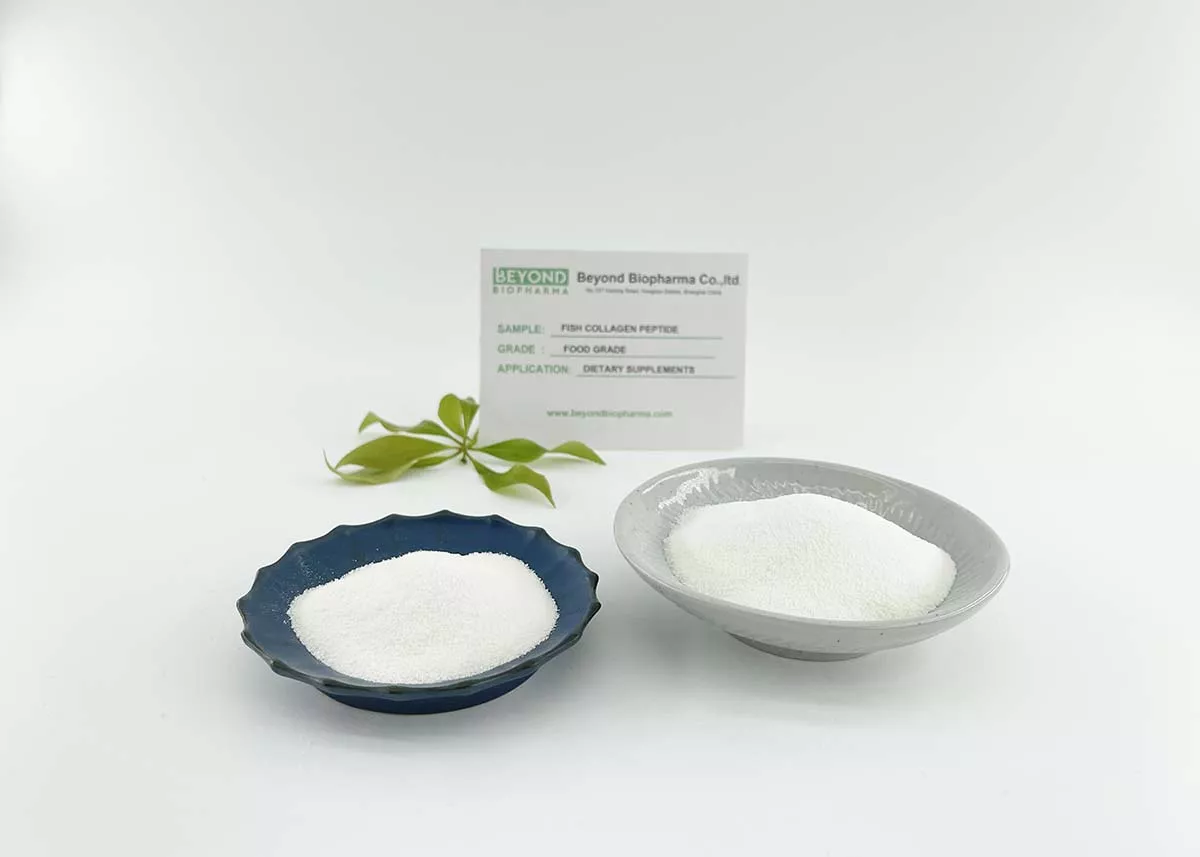
Premium marine-sourced collagen peptides with >90% protein content and low molecular weight (1000-3000 Da) for superior bioavailability. Sustainably sourced, neutral taste, and fully soluble—ideal for nutricosmetics and functional foods.
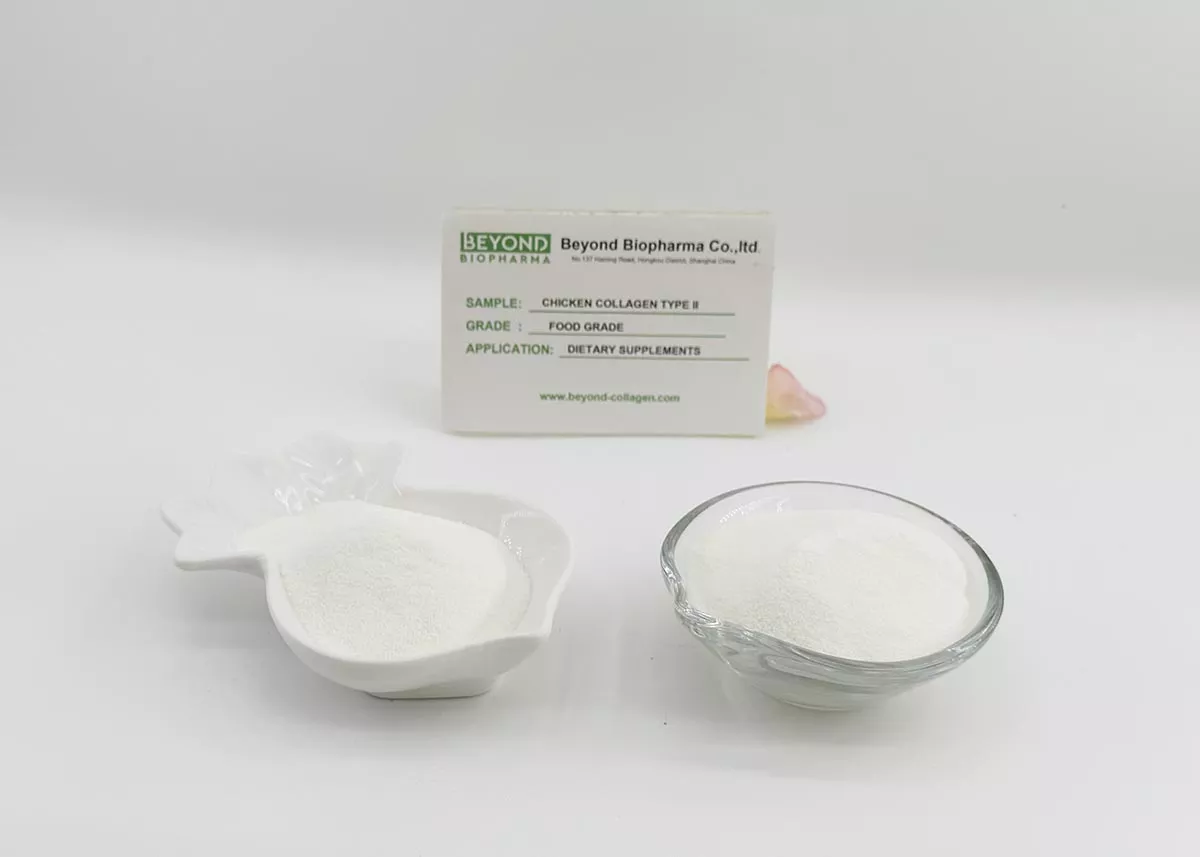
BEYOND BIOPHARMA is a specialized manufacturer of highly purified Hydrolyzed Collagen Type II. Through advanced enzymatic hydrolysis, we create low-molecular-weight collagen peptides that are highly bioavailable, offering foundational nutritional support for cartilage repair, joint function, and skin health. Our product is designed for rapid absorption and maximum efficacy in oral supplements.
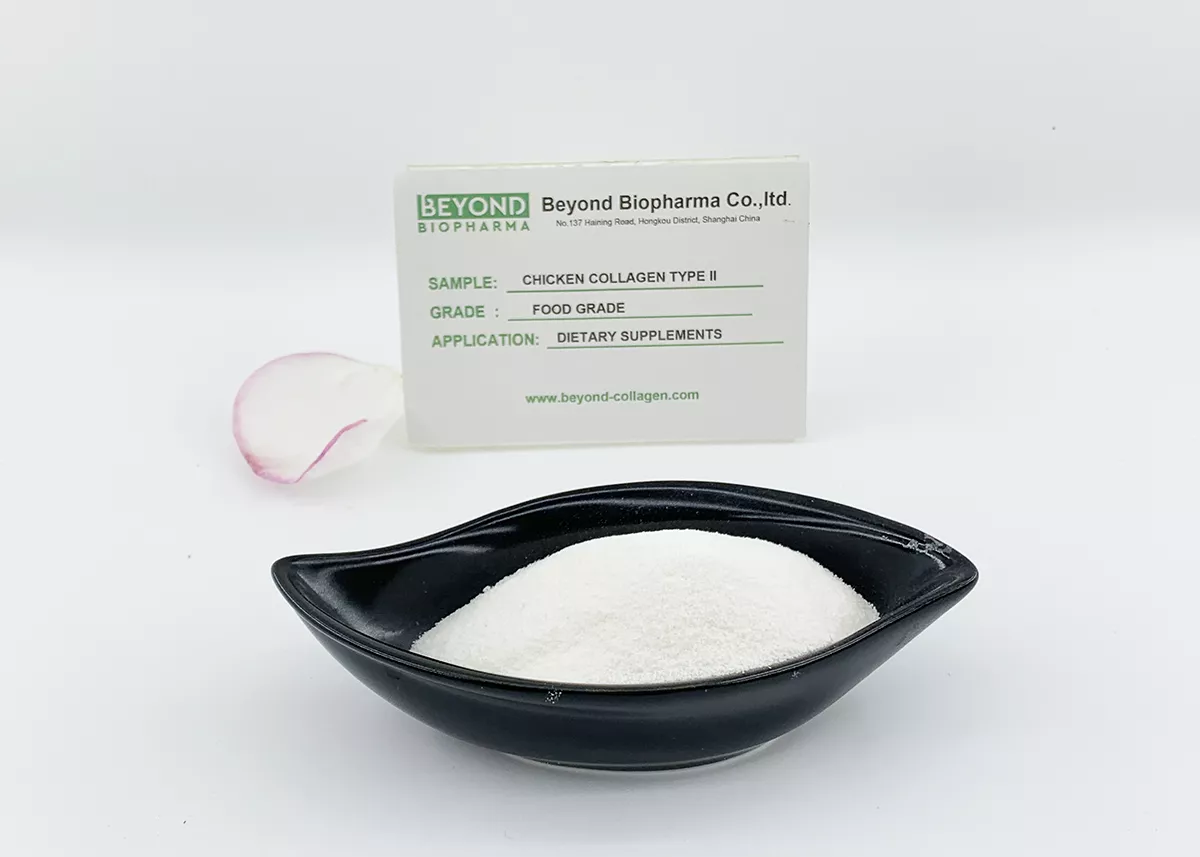
BEYOND BIOPHARMA is a specialized manufacturer of high-quality Undenatured Collagen Type II. Utilizing low-temperature, non-enzymatic extraction methods, our Undenatured Collagen Type II retains its native, triple-helix structure, essential for modulating the immune system's response to joint health and providing superior support for mobility, flexibility, and overall joint comfort.
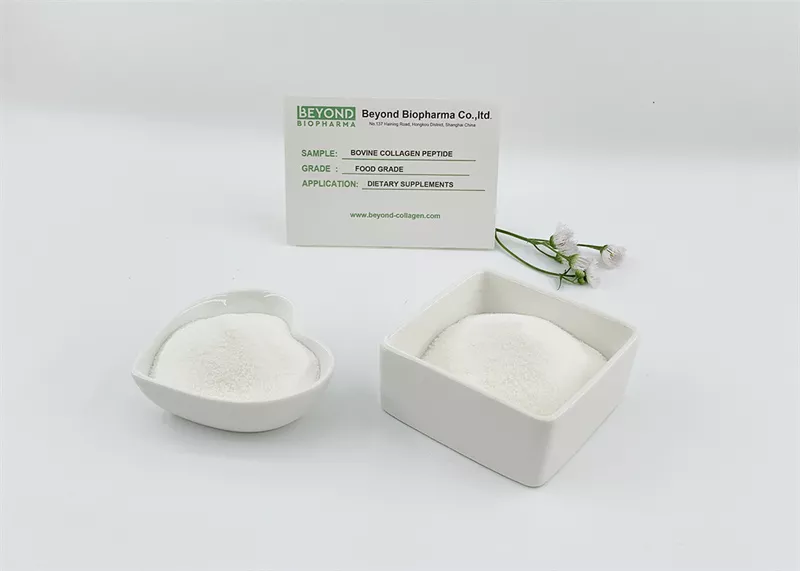
Manufacturer of bovine collagen peptide, shipping in containers all around the world
Tel:+86 21 65010906
Cell/Whatsapp/Wechat:
+86 13482884055
+86 18657345785
Email: sales@beyondbiopharma.com