English EN


Glucosamine Hydrochloride or Glucosamine Sulfate Which Helps Arthritis More
Glucosamine sulfate is generally more effective for arthritis, but glucosamine hydrochloride is ideal for vegans or those with shellfish allergies.
More
Glucosamine hydrochloride 1500 mg has become one of the most widely discussed daily doses for people looking to support joint comfort and long-term cartilage health. This article breaks down what the 1500 mg strength actually means, how it differs from glucosamine sulfate, what the research says about absorption and outcomes, and how to choose a high-potency product that fits real daily routines. If you are comparing joint supplements or formulating your own, the details below will help you make a grounded decision rather than a marketing-driven one.
Joint discomfort is one of those things people tend to notice slowly. Maybe it is a knee that feels stiff after sitting for a while, or fingers that take a moment longer to loosen up in the morning. For many adults, glucosamine has been a familiar name in this space for decades, and the hydrochloride form at 1500 mg per serving has steadily gained attention as a practical, high-potency option. Let us walk through what makes this dose meaningful and where the evidence actually stands.
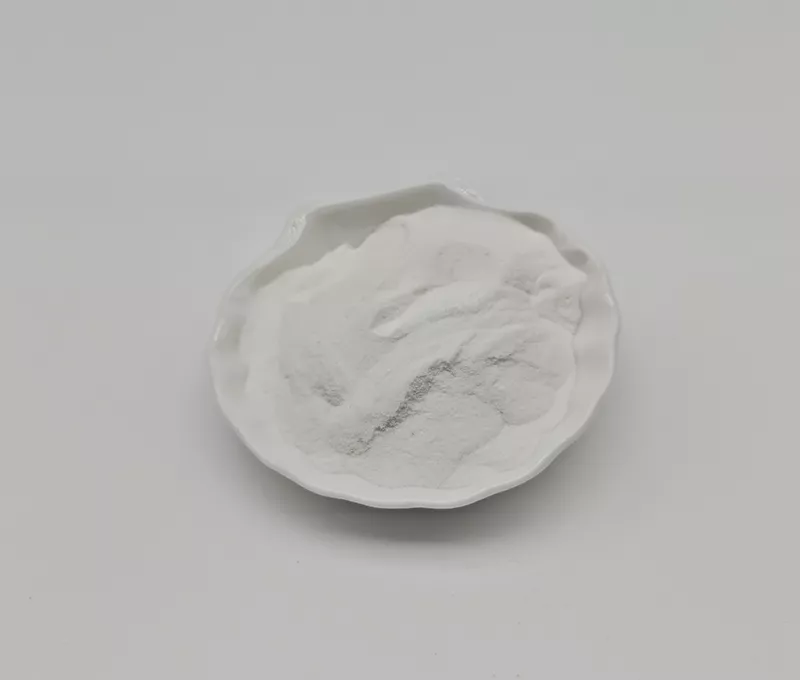
Clinical studies on glucosamine have most commonly used daily doses in the range of 1500 mg, usually split into two or three smaller servings or taken as a single daily dose. That figure did not appear by accident. It reflects the amount that researchers found practical to test over multi-month periods, and it has become a de facto reference point for both supplement makers and consumers. A 1500 mg product simply delivers the full studied amount in one place, which removes the guesswork of stacking several lower-dose capsules.
There is also a practical side to potency. People who take joint supplements tend to take them for months, not days. Fewer capsules per day means better adherence, and adherence is often the difference between a routine that works and one that quietly fades. A single 1500 mg serving fits neatly into a morning routine without requiring a mid-day reminder.
Glucosamine comes in several salt forms, and the two you will see most often are hydrochloride and sulfate. The distinction matters more than many labels suggest. Glucosamine hydrochloride contains a higher percentage of actual glucosamine by weight, roughly 83 percent, compared with about 65 percent in the sulfate form. In plain terms, 1500 mg of glucosamine hydrochloride delivers more active glucosamine than the same weight of glucosamine sulfate.
The hydrochloride form is also highly water-soluble and stable, which makes it easier to formulate into capsules, powders, and tablets without the need for stabilizing salts. Some research has compared the two forms directly, and results have been mixed, with some trials favoring sulfate and others showing comparable outcomes. What is fair to say is that both forms have a place, and the hydrochloride version at 1500 mg is a reasonable choice for anyone who wants a concentrated, well-absorbed dose. If you are sourcing raw materials for formulation, understanding the purity and salt form of your input is essential, and suppliers who publish clear specifications make that evaluation far easier.
Glucosamine is a naturally occurring compound in the body and a building block for glycosaminoglycans, which are key components of cartilage. The thinking behind supplementation is straightforward: provide the raw material and support the body's own cartilage maintenance processes. It is worth being honest here, because the research is not uniform. Some large trials, including parts of the GAIT study, found modest benefits for certain subgroups, while others showed results close to placebo. The most consistent findings tend to involve mild-to-moderate joint discomfort and longer treatment periods of eight weeks or more.
What this means in practice is that glucosamine is not a quick fix, and it is not a substitute for medical care. It is best viewed as a supportive ingredient that some people find helpful as part of a broader approach that includes movement, weight management, and appropriate medical guidance. Setting realistic expectations is part of using it well.
Labels can be confusing, so a few checks go a long way. First, confirm the dose refers to glucosamine hydrochloride itself and not a blend. Second, look for third-party testing or a certificate of analysis, especially if you are buying in bulk or formulating. Purity matters because joint supplements are taken daily over long periods. Third, check for added ingredients you may not want, such as unnecessary fillers or proprietary blends that hide the actual amounts.
For formulators, the quality of the raw material is the foundation of the finished product. Reputable ingredient suppliers provide detailed specifications, including assay values, heavy metal testing, and microbial limits. You can review examples of how transparent documentation looks across ingredient categories, such as bovine chondroitin sulfate sodium, which is often paired with glucosamine in joint formulas. Pairing the two is common because chondroitin supports cartilage structure in a complementary way, and many combination products use both at studied doses.
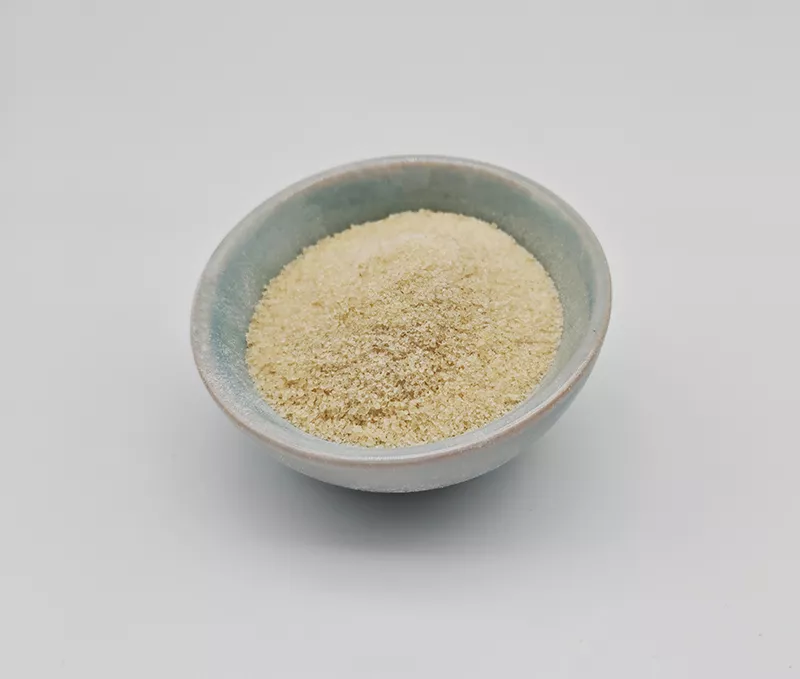
Adults dealing with everyday joint stiffness, particularly those who are active or aging, are the most common users. Athletes sometimes include it in recovery routines, though the evidence there is thinner. People with shellfish allergies should be cautious, since many glucosamine products are derived from shellfish shells, though some are made from fungal sources. Anyone taking blood thinners, managing diabetes, or preparing for surgery should speak with a healthcare professional before starting, as glucosamine can interact with certain medications and may affect blood sugar readings in some individuals.
Pregnancy and breastfeeding are also situations where professional guidance is the right first step. None of this is meant to sound alarming. It is simply the kind of common-sense check that applies to most daily supplements.
Consistency beats intensity with glucosamine. Taking it at the same time each day, ideally with a meal to support absorption and reduce the chance of stomach upset, is a simple habit that helps. Give it at least eight to twelve weeks before judging whether it is working for you, since that is the timeframe most studies used. Keep a brief note of how your joints feel week to week; subjective tracking is imperfect, but it is more useful than trying to recall how you felt two months ago.
And keep the bigger picture in view. Gentle movement, strength work for the muscles around affected joints, and a balanced diet all play a larger role than any single supplement. Glucosamine is a supporting player, not the lead.
If you are on the manufacturing side, glucosamine hydrochloride 1500 mg products live or die by raw material quality. Request a certificate of analysis for every lot, verify the assay and moisture content, and confirm the testing methods used for heavy metals and microbial safety. Stability testing matters too, since hygroscopic ingredients can clump or degrade if stored poorly. A supplier that documents these details clearly is easier to work with and reduces risk down the line. The same discipline applies across joint-health ingredients, whether you are evaluating high bloom gelatin for hard capsules for your delivery format or comparing excipient options for a powder blend.
For consumers, the takeaway is simpler. Read the label carefully, prefer products that state the exact form and dose, and do not be swayed by claims that go beyond what the evidence supports. A well-made 1500 mg glucosamine hydrochloride product does not need embellishment to be worth considering.
Glucosamine hydrochloride at 1500 mg offers a concentrated, well-studied dose in a convenient form. It is not a miracle ingredient, and honest conversations about its limits are more useful than hype. But for many people looking to support joint comfort over the long term, it is a sensible, low-risk addition to a thoughtful routine. Choose a product with clear labeling and verified quality, give it time, and pair it with the habits that keep joints moving. That combination is what real joint support looks like.


We provide you with comprehensive foreign trade solutions to help enterprises achieve global development
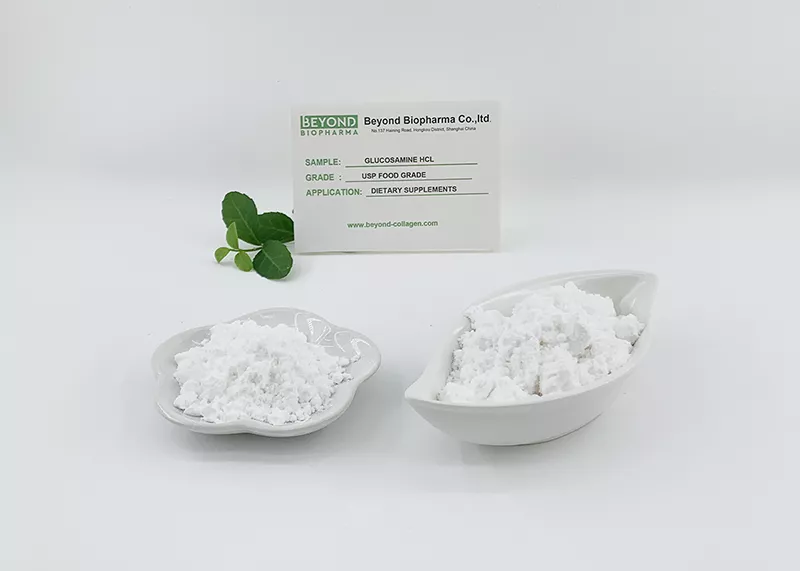
The Purest Plant-Based Joint Support Solution
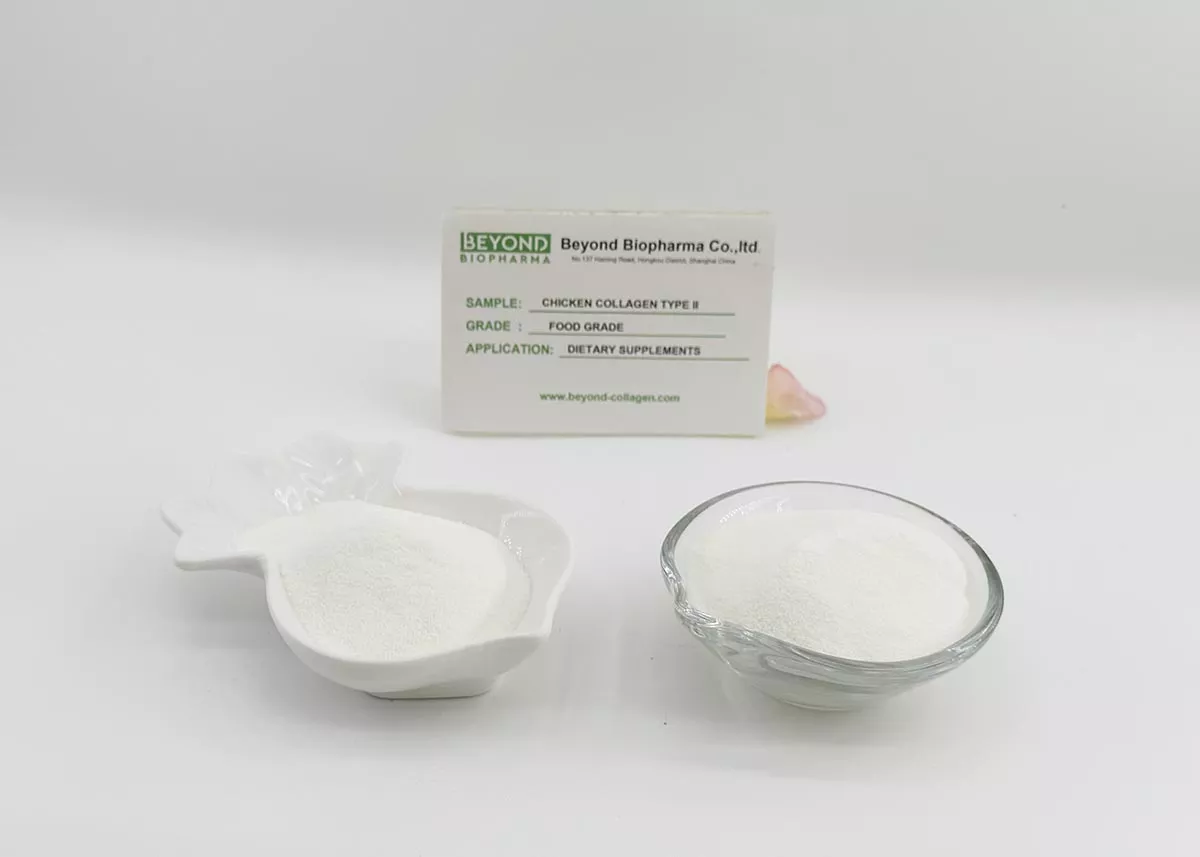
BEYOND BIOPHARMA is a specialized manufacturer of highly purified Hydrolyzed Collagen Type II. Through advanced enzymatic hydrolysis, we create low-molecular-weight collagen peptides that are highly bioavailable, offering foundational nutritional support for cartilage repair, joint function, and skin health. Our product is designed for rapid absorption and maximum efficacy in oral supplements.
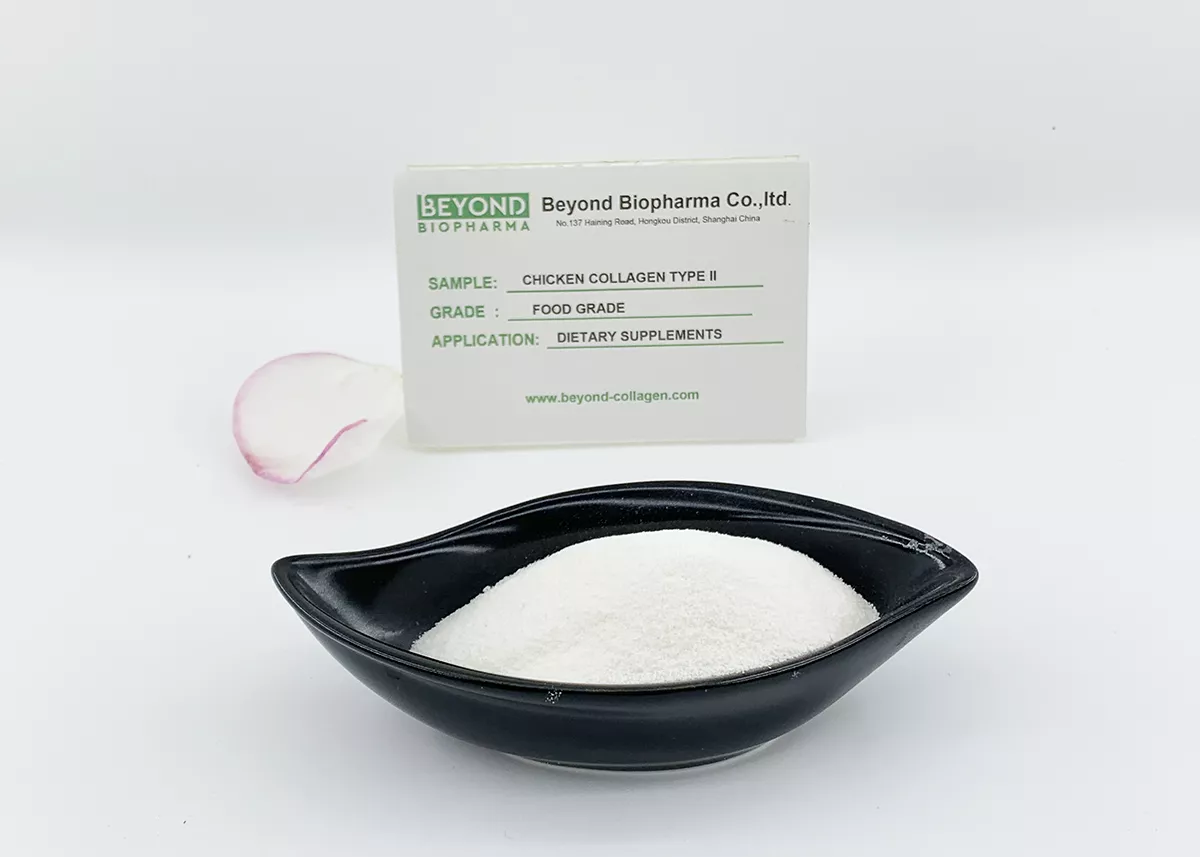
BEYOND BIOPHARMA is a specialized manufacturer of high-quality Undenatured Collagen Type II. Utilizing low-temperature, non-enzymatic extraction methods, our Undenatured Collagen Type II retains its native, triple-helix structure, essential for modulating the immune system's response to joint health and providing superior support for mobility, flexibility, and overall joint comfort.

Source ultra-pure, high-solubility wholesale hydrolyzed wheat gluten peptide in bulk. Rich in plant-bound Glutamine ($\ge 25\%$) for muscle recovery and gut barrier health.
Tel:+86 21 65010906
Cell/Whatsapp/Wechat:
+86 13482884055
+86 18657345785
Email: sales@beyondbiopharma.com