 English EN


Gelatin sheet vs powder what science says in 2026
Gelatin sheet offers chefs better clarity, smooth texture, and consistent results than powdered gelatin, making it the top choice for desserts in 2026.
More
When sourcing ingredients for nutraceutical, cosmetic, or pharmaceutical formulations, the choice between sodium hyaluronate and hyaluronic acid often comes down to molecular stability, solubility, and bioavailability. Both forms deliver joint health and skin hydration benefits, but their performance in finished products can differ significantly. This article breaks down the molecular distinctions, typical specifications, and application-specific recommendations to help procurement and R&D teams make informed decisions.
Hyaluronic acid (HA) is a naturally occurring glycosaminoglycan found in connective tissues, skin, and joints. Its primary function is to retain water and provide lubrication. Sodium hyaluronate is the sodium salt form of hyaluronic acid. The key difference lies in molecular structure: sodium hyaluronate is more stable and water-soluble because the carboxyl group in HA is neutralized by sodium ions. This makes sodium hyaluronate easier to formulate into aqueous solutions, serums, and supplements, while hyaluronic acid in its pure acid form tends to be less soluble and less stable in liquid formulations.
For buyers evaluating food-grade hyaluronic acid powder, understanding this distinction is critical. Sodium hyaluronate is often preferred for clear liquid products and injectable-grade applications, while hyaluronic acid may be used in powdered blends or capsules where solubility is less of a concern.
Molecular weight is a decisive factor in how the body absorbs and utilizes these compounds. High molecular weight hyaluronic acid (typically above 1,000 kDa) stays on the surface of the skin or joint tissue, providing lubrication and moisture retention. Low molecular weight forms (below 500 kDa, often 50–400 kDa) can penetrate deeper layers, which is desirable for anti-aging and joint repair applications.
Sodium hyaluronate is commonly available in a range of molecular weights, from ultra-low (10–50 kDa) to high (1,000–2,000 kDa). For oral supplements targeting joint health, mid-range molecular weight (200–800 kDa) is often recommended. For topical cosmetics, low molecular weight sodium hyaluronate is preferred for deeper skin hydration. Buyers should request a Certificate of Analysis (COA) to confirm molecular weight distribution, as this directly impacts product performance.
Below are common parameter ranges for food-grade hyaluronic acid and sodium hyaluronate. Note: these are typical industry ranges; final values should be confirmed per COA and sample.
| Parameter | Hyaluronic Acid (HA) | Sodium Hyaluronate |
|---|---|---|
| Molecular Weight | 500–2,000 kDa (typical) | 10–2,000 kDa (range available) |
| Purity (HPLC) | ≥95% | ≥95% |
| Solubility in Water | Moderate (forms gel) | High (clear solution) |
| pH (1% solution) | 6.0–7.5 | 5.5–7.0 |
| Protein Content | ≤0.1% | ≤0.1% |
| Heavy Metals | ≤10 ppm | ≤10 ppm |
Typical industry range; final values per COA / sample.
For oral joint health formulations, both sodium hyaluronate and hyaluronic acid are used, but sodium hyaluronate is more common due to its superior solubility and stability in capsule or tablet blends. When combined with other joint health ingredients like chondroitin sulfate and glucosamine HCl, sodium hyaluronate ensures consistent bioavailability.
Low molecular weight sodium hyaluronate (200–400 kDa) is often preferred for oral joint supplements because it can be absorbed through the gut and reach synovial fluid. Studies suggest that daily doses of 100–200 mg can support joint comfort and mobility. Buyers should look for products with low protein content and high purity to minimize allergen risks.
Selection depends on your product format and target market. Below is a quick guide:
Beyond Biopharma, based in Shanghai, China, is a manufacturer with over 10 years of experience in the food-ingredient industry. Our product portfolio includes food-grade hyaluronic acid powder, collagen peptides, gelatin, and plant protein peptides. We export to more than 50 countries and support custom bulk supply, formulation support, and OEM services.
Our facility produces approximately 3,000 MT of collagen and 5,000 MT of gelatin annually, with fully automatic production lines, GMP clean workshops, and stainless-steel sealed piping with automated temperature and pH control. We hold ISO 9001 certification, US FDA registration, and GMP clean workshop compliance. Select products carry Halal and Kosher certifications (e.g., fish gelatin). Our bovine bone gelatin is BSE-free. An in-house laboratory performs heavy-metal and microbiological testing, supported by a dedicated QA/QC team.
We offer free samples, formulation guidance, and three product grades: food, pharmaceutical, and cosmetic. Whether you need edible gelatin for gummies or pharmaceutical gelatin for hard capsules, our team can help you select the right ingredient for your application.
Q: Is sodium hyaluronate more expensive than hyaluronic acid?
A: Pricing is comparable for equivalent purity and molecular weight. Sodium hyaluronate may cost slightly more due to the additional processing step of salt formation, but the difference is minimal at bulk scale.
Q: Can I use sodium hyaluronate in vegan supplements?
A: Yes. Most sodium hyaluronate is produced via bacterial fermentation, making it suitable for vegan and plant-based formulations. Always confirm the source with your supplier to avoid animal-derived raw materials.
Q: What molecular weight is best for oral joint health supplements?
A: Mid-range molecular weight (200–800 kDa) is commonly used for oral joint health. Lower molecular weight forms (50–200 kDa) may offer faster absorption, but clinical evidence supports efficacy across a range. Check your target market regulations for allowed specifications.
Q: How do I verify the quality of hyaluronic acid powder?
A: Request a COA that includes molecular weight distribution, purity (HPLC), protein content, heavy metals, and microbial limits. A third-party lab test is recommended for critical applications like pharmaceuticals or injectables.
Q: Does Beyond Biopharma offer free samples of sodium hyaluronate?
A: Yes. We provide free samples for evaluation. Please share your application, required grade (food/pharma/cosmetic), target molecular weight, and destination country, and our team will send a sample and quotation.
Q: What certifications does Beyond Biopharma hold for hyaluronic acid?
A: Our facility is ISO 9001 certified, US FDA registered, and operates GMP clean workshops. Select products carry Halal and Kosher certifications. All batches are tested in-house for heavy metals and microbiology.
To evaluate sodium hyaluronate or hyaluronic acid for your formulation, please provide the following details so we can send the right grade and free samples:
Contact the Beyond Biopharma team with your requirements. We will respond with a product specification sheet, free sample offer, and competitive pricing. Our formulation specialists can also help you select the optimal ingredient for your finished product, whether it is a joint health supplement, skincare serum, or functional beverage.
Understanding the difference between sodium hyaluronate and hyaluronic acid is the first step to sourcing the right ingredient for your market. With the right molecular weight, purity, and grade, you can build products that deliver consistent results and meet regulatory standards.

We provide you with comprehensive foreign trade solutions to help enterprises achieve global development
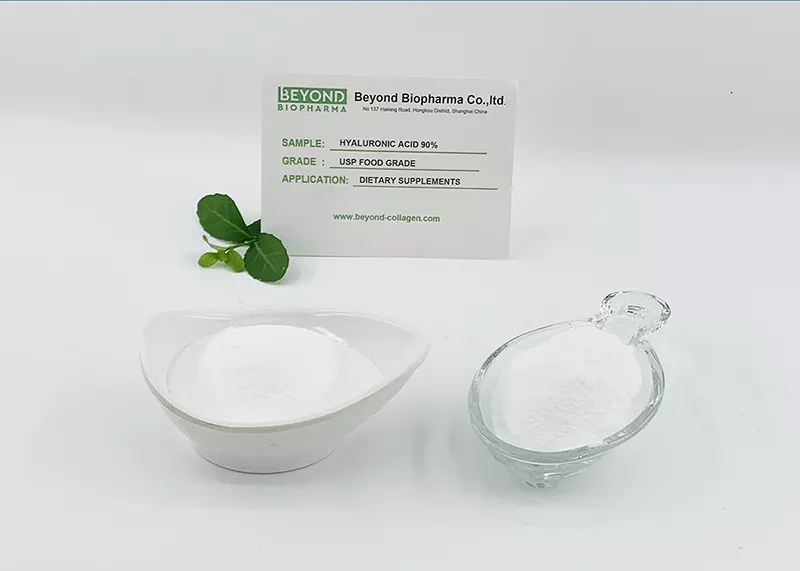
High Molecular Weight for Superior Joint, Skin, and Eye Health.
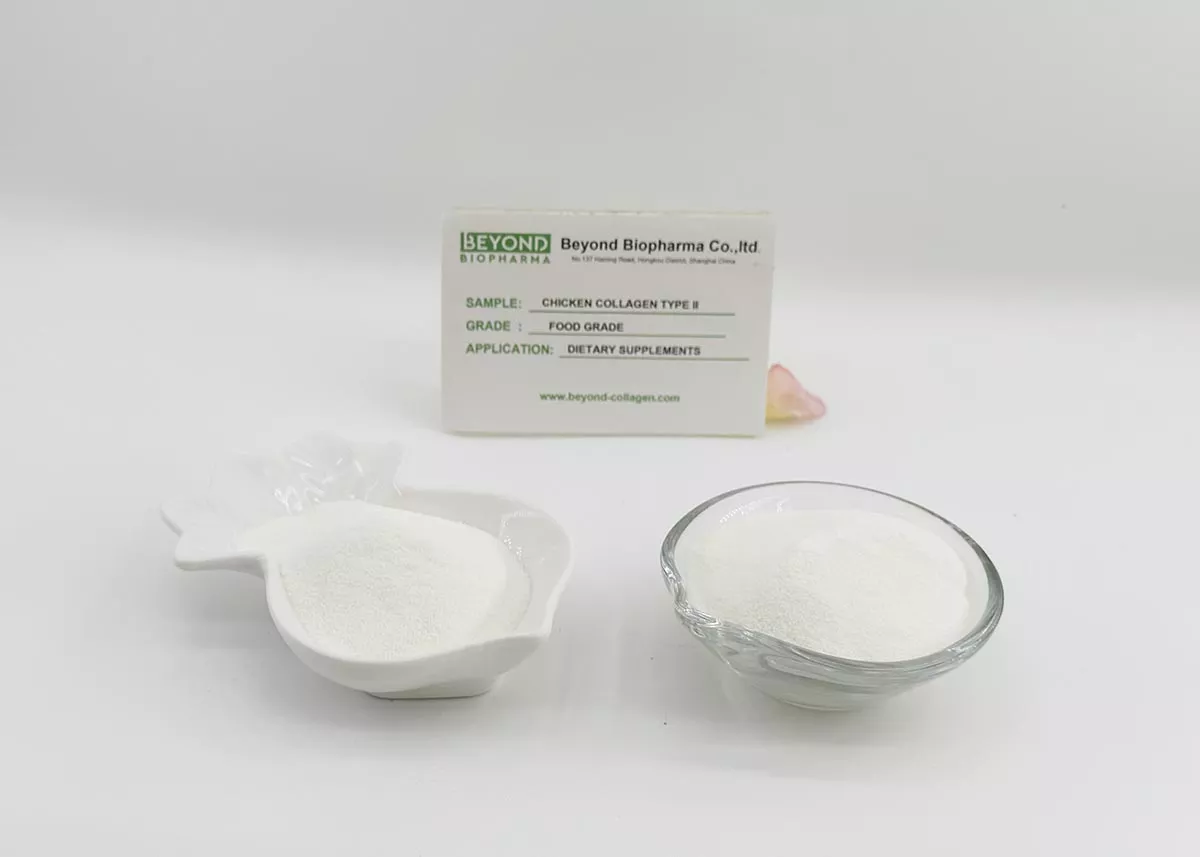
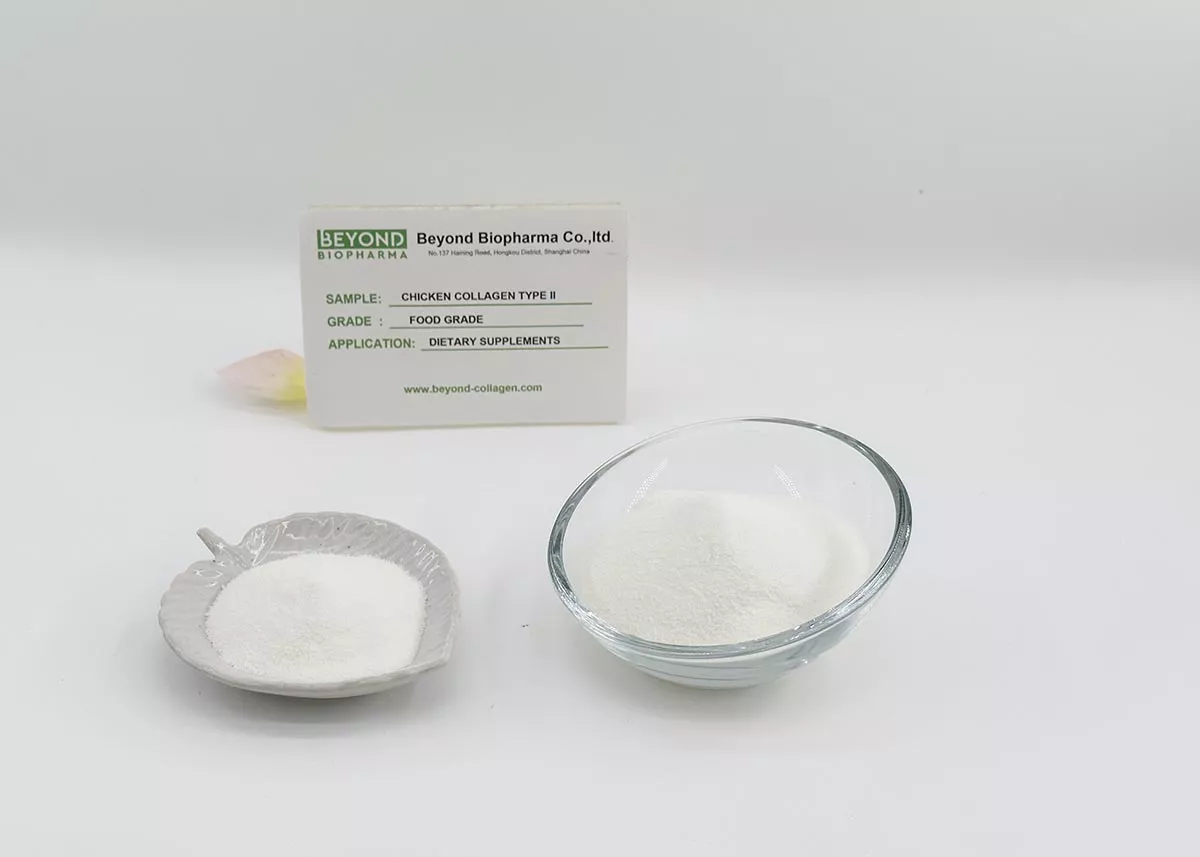
BEYOND BIOPHARMA is a specialized manufacturer of highly purified Hydrolyzed Collagen Type II. Through advanced enzymatic hydrolysis, we create low-molecular-weight collagen peptides that are highly bioavailable, offering foundational nutritional support for cartilage repair, joint function, and skin health. Our product is designed for rapid absorption and maximum efficacy in oral supplements.
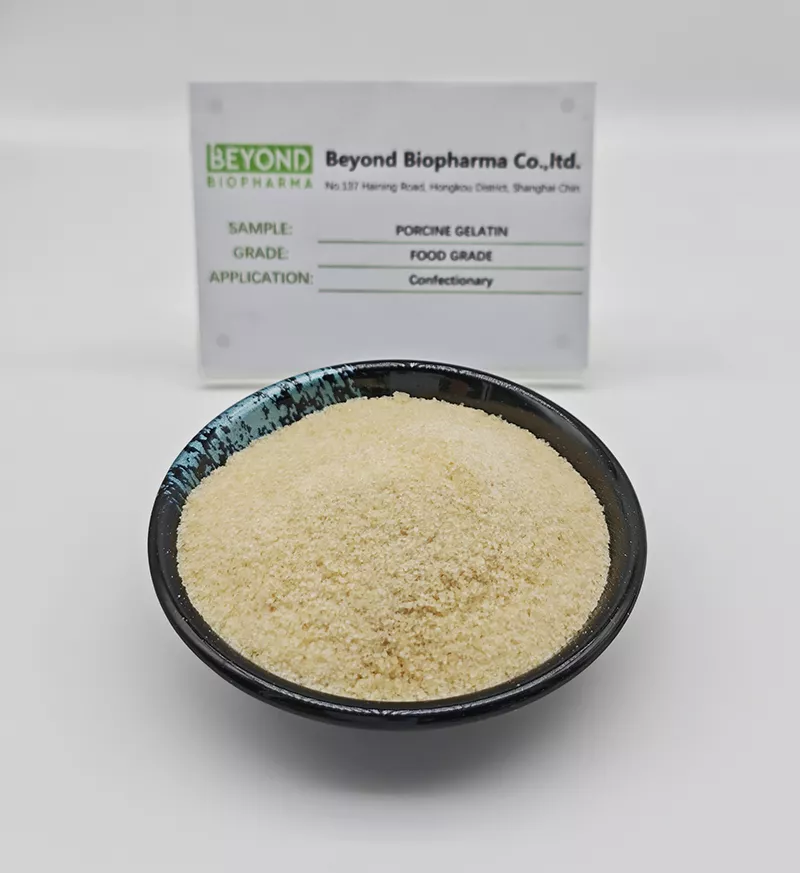
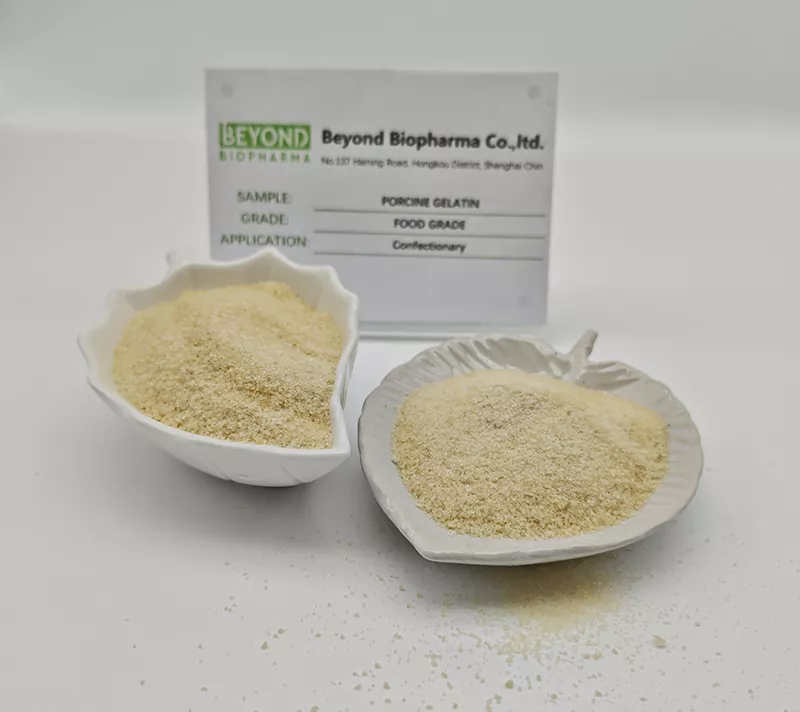
Food-grade porcine gelatin is a highly versatile and cost-effective natural protein derived from the collagen found in pig skin and bones. It is a premier gelling agent known for its exceptional clarity, neutral taste, and thermal reversibility.
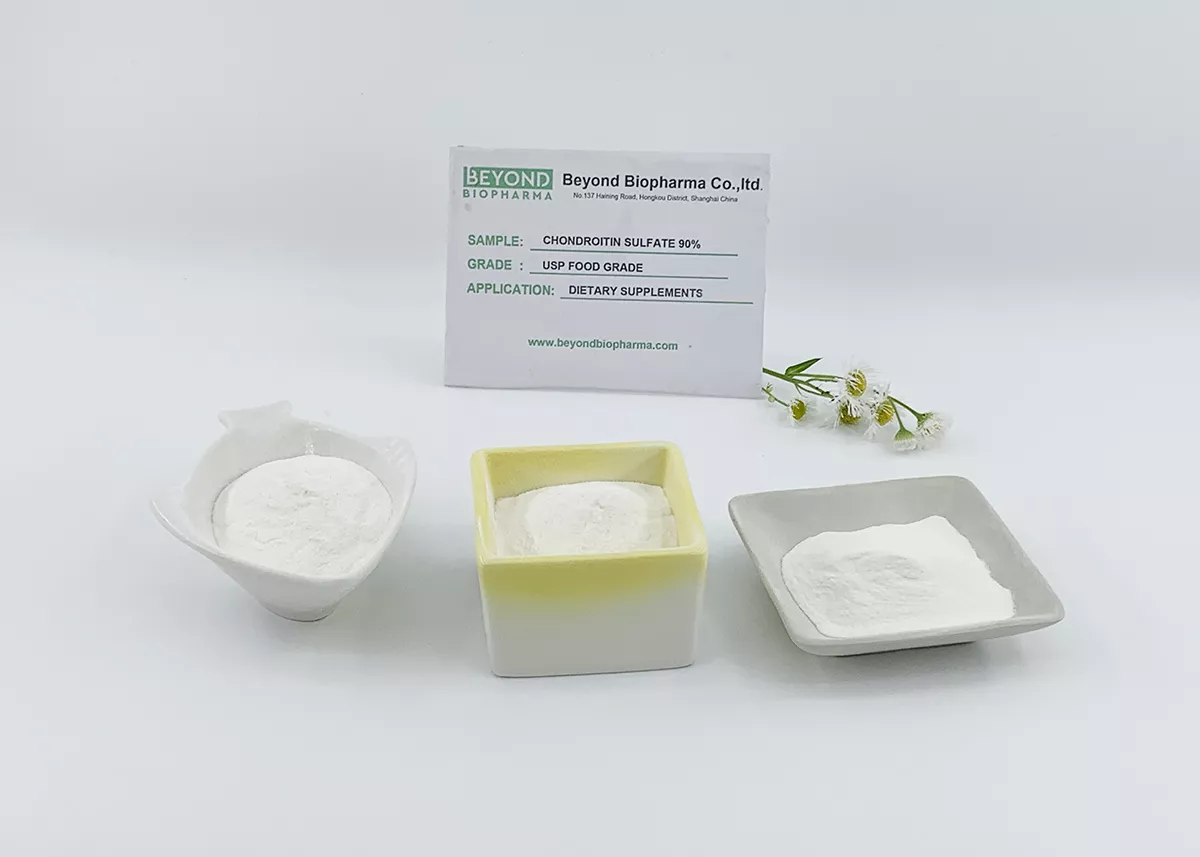
High Purity and Efficacy for Joint Health Formulations
Select the most popular foreign trade service products to meet your diverse needs
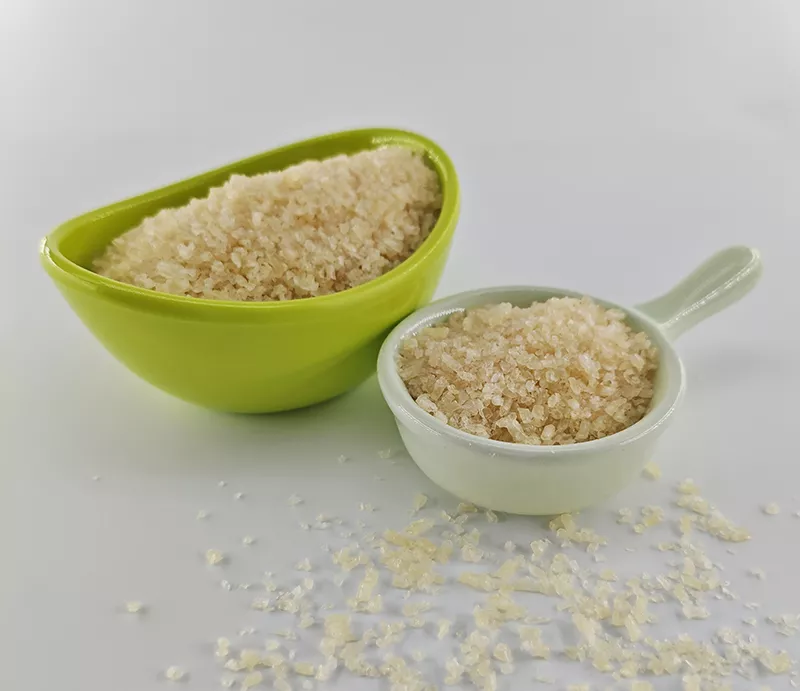
Stability, Swallowing Enhancement, and Controlled Release
BEYOND BIOPHARMA is a specialized manufacturer of highly purified Hydrolyzed Collagen Type II. Through advanced enzymatic hydrolysis, we create low-molecular-weight collagen peptides that are highly bioavailable, offering foundational nutritional support for cartilage repair, joint function, and skin health. Our product is designed for rapid absorption and maximum efficacy in oral supplements.
Food-grade porcine gelatin is a highly versatile and cost-effective natural protein derived from the collagen found in pig skin and bones. It is a premier gelling agent known for its exceptional clarity, neutral taste, and thermal reversibility.
Tel:+86 21 65010906
Cell/Whatsapp/Wechat:
+86 13482884055
+86 18657345785
Email: sales@beyondbiopharma.com





User Comments
Service Experience Sharing from Real Customers
Megan
Licensed EstheticianI’ve been using a serum with sodium hyaluronate for about three months now, and the difference is night and day. Hyaluronic acid always felt a bit sticky on my combo skin, but this version sinks in without any tackiness. My fine lines around the eyes are way less noticeable, and my makeup glides on like a dream. If you’re on the fence, grab the sodium hyaluronate—it’s gentler and just works better for daily wear.
Derek
Biomedical ResearcherAs someone who works with both molecules in the lab, I can say that sodium hyaluronate is just the salt form of hyaluronic acid, but that small tweak makes it more stable and water-soluble. I started using a sodium hyaluronate moisturizer after reading the literature, and my chronically dry patches on my elbows actually softened up. Hyaluronic acid still works, but for long-term hydration, sodium hyaluronate feels more reliable. One star off because the price bump isn’t always justified.
Priya
Yoga InstructorI have super sensitive rosacea-prone skin, and most hyaluronic acid serums make me flush. Switched to a sodium hyaluronate-based product on a whim, and it’s been a total game-changer. No redness, no sting, just plump, calm skin after every class. I even recommend it to my students who complain about dry winter faces. Honestly, this is the only thing that doesn’t freak out my barrier.
Tomás
Graphic DesignerI bought a sodium hyaluronate toner because everyone raved about it being better than regular hyaluronic acid. Honestly, I didn’t notice a huge difference—my skin felt hydrated either way. The texture was a bit thinner, which I liked under makeup, but the price was almost double. If you already have a hyaluronic acid product that works, I’d say stick with it. Not bad, just not the miracle upgrade I expected.