Understanding Hyaluronic Acid Food Grade: Benefits and Uses
Article Summary: This article provides a practical overview of food-grade hyaluronic acid (HA) for overseas buyers in the nutraceutical, food, and pharmaceutical industries. We cover its sourcing challenges, how it works in formulations, typical specifications, and application-specific selection guidance. Backed by Beyond Biopharma’s 10+ years of manufacturing experience, this guide helps you make informed procurement decisions without the marketing fluff.
Food-grade hyaluronic acid (HA) is a high-molecular-weight polysaccharide naturally found in connective tissues, skin, and joints. For overseas purchasing managers and R&D teams, a common sourcing pain point is batch-to-batch consistency—especially regarding solubility, molecular weight distribution, and the absence of off-odors or fishy smells. Beyond that, certification barriers (Halal, Kosher, vegan) and allergen-free requirements can complicate supplier selection. This article breaks down what you need to know about hyaluronic acid food grade to streamline your sourcing.
How Is Food-Grade Hyaluronic Acid Produced and How Does It Work?
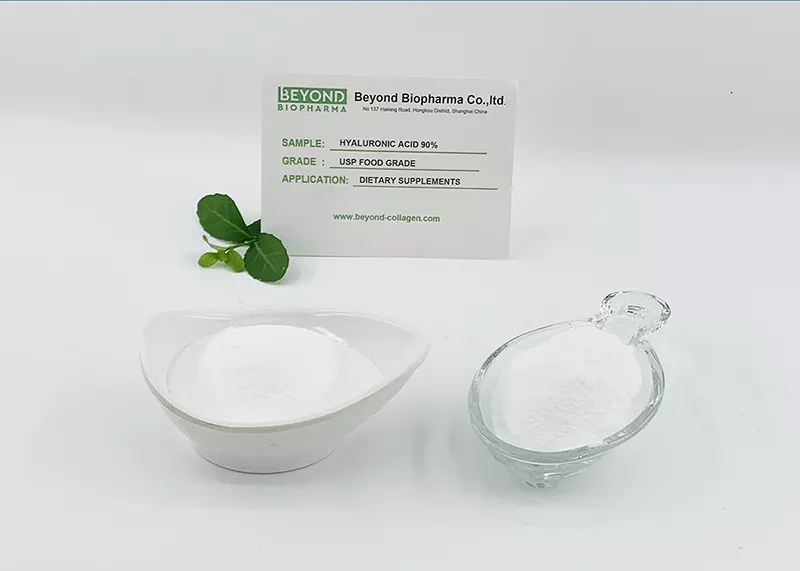
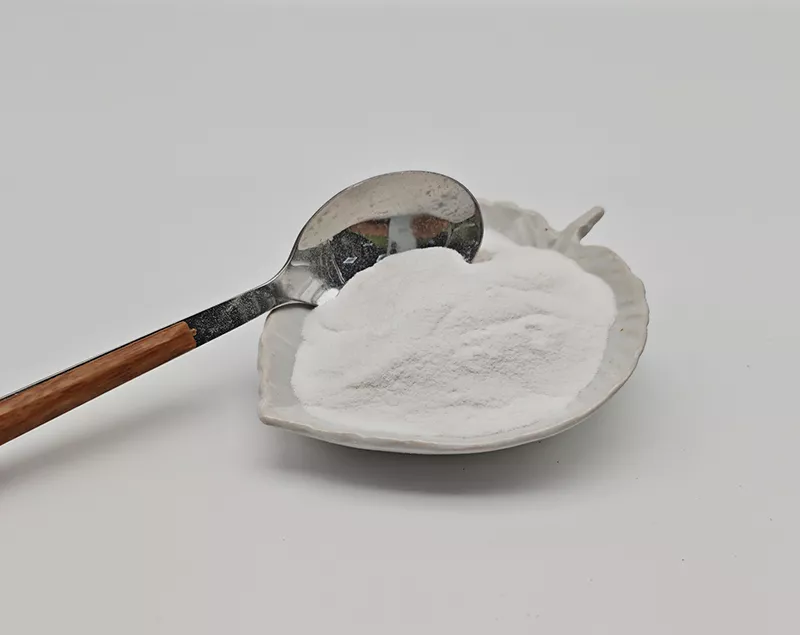
Most commercial food-grade HA is produced via bacterial fermentation (typically using Streptococcus zooepidemicus strains), which yields a pure, vegan-compatible product free from animal-derived contaminants. The process involves controlled fermentation, purification, and spray-drying to achieve a fine, white powder. In the body, HA acts as a lubricant and shock absorber in joints, and it holds up to 1,000 times its weight in water, making it a key ingredient for skin hydration and joint health supplements. The molecular weight of HA directly influences its absorption and bioavailability—lower molecular weight (e.g., 10–50 kDa) is often preferred for oral supplements due to better intestinal absorption, while higher molecular weight (800–1,500 kDa) is more common in topical or injectable applications.
What Are the Typical Specifications for Hyaluronic Acid Food Grade?
When evaluating suppliers, you’ll encounter a range of parameters. Below is a table of commonly accepted industry ranges for food-grade HA. Note: These are generic ranges; final values should always be confirmed via Certificate of Analysis (COA) and sample testing.
| Parameter |
Typical Industry Range |
| Molecular Weight |
10–1,500 kDa (food grade often 10–800 kDa) |
| Purity (HPLC) |
≥95% |
| Protein Content |
≤0.1% |
| Heavy Metals (Pb, As, Hg) |
|
| Microbiological (TAMC, TYMC) |
≤100 CFU/g, no pathogens |
| Solubility |
Fully soluble in water; clear solution |
| Odor |
Mild, characteristic; no fishy smell |
*Typical industry range; final values per COA / sample.
Applications and Selection Guidance for Hyaluronic Acid Food Grade
Choosing the right HA grade depends on your end product. Here’s a quick guide:
- Nutraceutical & Joint Health Supplements: For oral capsules or tablets, low-molecular-weight HA (10–50 kDa) is recommended for better absorption. It pairs well with food-grade hyaluronic acid powder and glucosamine HCl for comprehensive joint support.
- Beauty-from-Within (Skin Health): Fish collagen peptide combined with HA is a popular duo. Look for HA with high purity (≥95%) and low protein content to avoid allergenic reactions. Our fish collagen peptide is a compatible option.
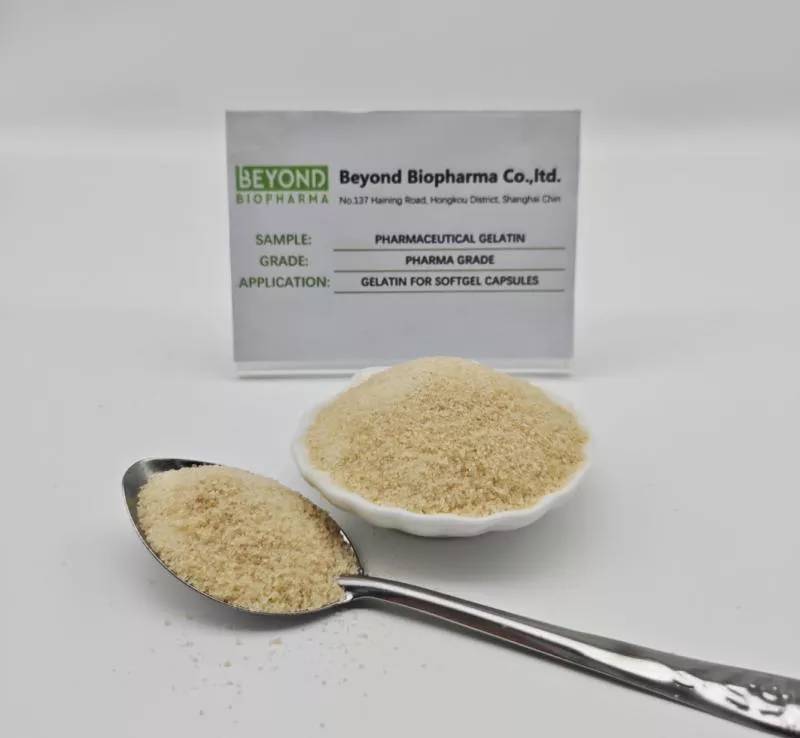
- Gummies & Softgels: For gummy formulations, HA must be heat-stable and fully soluble. Use medium-molecular-weight HA (100–300 kDa) to maintain viscosity without affecting gel texture. Food-grade porcine gelatin is often used as a base for such products.
- Pharmaceutical Excipients: For hard capsules or tablet coatings, pharmaceutical-grade HA with tight molecular weight control is essential. Bovine bone gelatin is a common excipient partner.
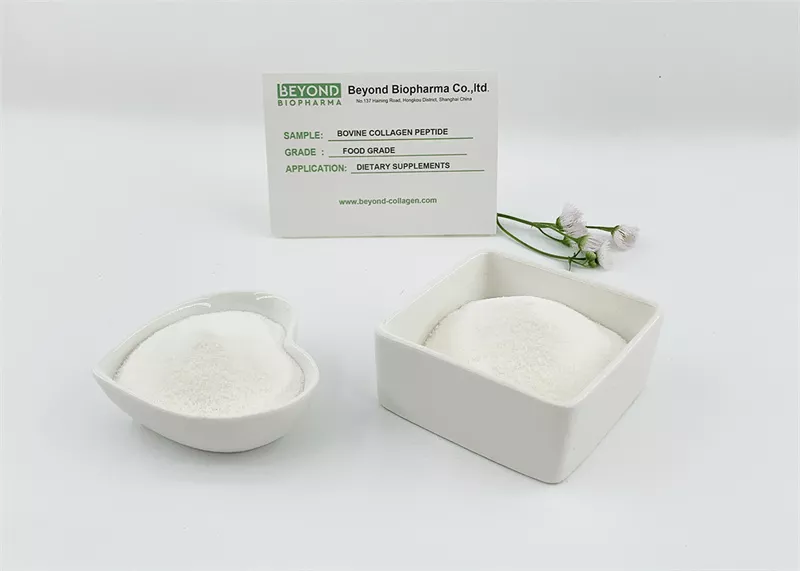
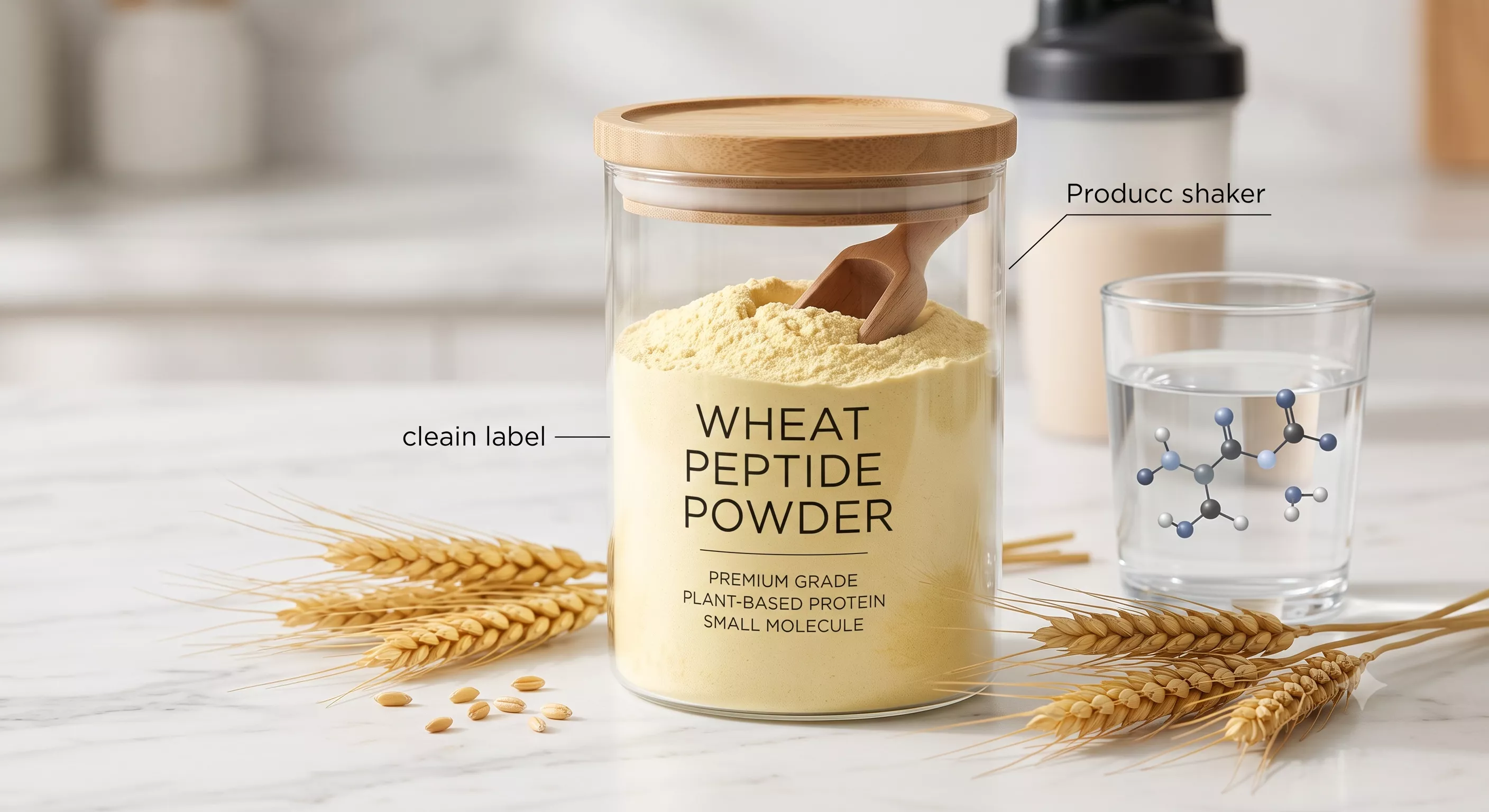
- Plant-Based & Vegan Formulations: Since fermentation-derived HA is vegan-friendly, it fits allergen-free and plant-based product lines. Pair with bovine collagen peptide or plant protein peptides for diverse applications.
Why Choose Beyond Biopharma for Your Hyaluronic Acid Food Grade Supply?
Beyond Biopharma is a Shanghai, China–based manufacturer with over 10 years of experience in the food-ingredient industry. We supply collagen peptides, gelatin, and plant protein peptides to buyers in more than 50 countries. Our facility has an annual capacity of approximately 3,000 MT for collagen and 5,000 MT for gelatin, supported by a fully automatic production line, GMP clean workshop, stainless-steel sealed piping, and automated temperature/pH control. We hold ISO 9001 certification, are US FDA registered, and select products carry Halal or Kosher certification (e.g., fish gelatin). Our bovine bone gelatin is BSE-free, and our in-house lab conducts heavy-metal and microbiological testing with a dedicated QA/QC team. For hyaluronic acid food grade, we offer free samples and formulation support across three grades: food, pharmaceutical, and cosmetic.
Frequently Asked Questions About Hyaluronic Acid Food Grade
Q: What is the difference between food-grade and pharmaceutical-grade hyaluronic acid?
A: Food-grade HA is intended for oral supplements and food products, with purity ≥95% and lower regulatory requirements. Pharmaceutical-grade HA has stricter endotoxin limits and higher purity (≥98%), suitable for injectables and medical devices.
Q: Is hyaluronic acid food grade vegan-friendly?
A: Yes, most food-grade HA is produced via bacterial fermentation, making it suitable for vegan and plant-based formulations. Always check the supplier’s source—fermentation-derived HA is vegan, while animal-derived HA is not.
Q: How do I test the quality of hyaluronic acid food grade?
A: Request a COA for molecular weight, purity, heavy metals, and microbial counts. Conduct a solubility test (should dissolve completely in water without cloudiness) and an odor test (no fishy or off-smell). Beyond Biopharma provides free samples for evaluation.
Q: What molecular weight is best for oral joint health supplements?
A: Low-molecular-weight HA (10–50 kDa) is generally preferred for oral absorption. However, some studies suggest that medium-molecular-weight HA (100–300 kDa) may also be effective. Your choice should align with your formulation goals and target market.
Q: Can hyaluronic acid food grade be used in gummy formulations?
A: Yes, but you need a heat-stable, fully soluble HA grade. Medium-molecular-weight HA works well in gummies without affecting gel strength. It is often combined with gelatin (e.g., porcine or fish gelatin) for texture.
Q: Does Beyond Biopharma offer Halal-certified hyaluronic acid?
A: While our HA is fermentation-derived and inherently Halal-compatible, we recommend confirming certification requirements with our team. We can provide documentation for select products upon request.
Request a Quote and Free Samples for Hyaluronic Acid Food Grade
Ready to source hyaluronic acid food grade for your next project? Contact Beyond Biopharma with the following details so we can send you free samples and a tailored quote: your specific application (e.g., joint health supplement, gummy, beauty drink), required grade (food, pharmaceutical, or cosmetic), estimated quantity or MOQ, target specifications (molecular weight, purity, certifications), and destination country. Our team will help you select the optimal product and provide a COA for your evaluation. We look forward to supporting your formulation needs with consistent quality and reliable supply.

 English EN








User Comments
Service Experience Sharing from Real Customers
Mike
Home Baker & Small Business OwnerI’ve been adding this food-grade hyaluronic acid to my homemade fruit jellies and wellness shots for about three months now. My regular customers say they feel a difference in their skin hydration, and honestly, I’ve noticed my own joints feel less creaky in the morning. The powder dissolves clear and doesn’t mess with the taste—big win for a baker like me.
Sarah
Fitness Coach & Nutrition BloggerI mix a scoop into my post-workout smoothie every day. It’s not a miracle pill, but after two weeks I definitely noticed my skin looking plumper and my recovery feels slightly better. The texture is a bit gooey if you don’t stir fast enough, but that’s easy to fix. Good value for the price.
Tom
Retired Chef & Home Fermentation EnthusiastI was skeptical at first—hyaluronic acid in food? But I’ve started adding a pinch to my bone broth and even to salad dressings. My wife says my skin looks younger, and my knees don’t complain when I walk the dog. It’s tasteless and easy to work with. Would recommend to anyone who cooks from scratch.
Emma
Freelance Graphic Designer & Smoothie AddictI bought this hoping it would help with my dry skin during winter. It does seem to help a little, but honestly, I expected more noticeable results. The powder clumps if you don’t whisk it properly. I’ll finish the bag, but I’m not sure I’ll repurchase—maybe I’ll try a higher dose next time.