 English EN


Bovine gelatin pros and cons everyone should know
Bovine gelatin offers strong gelling and health benefits but has dietary, ethical, and allergen concerns. Compare bovine gelatin to other gelatin options here.
More
Gelatin powder is a staple ingredient for gummy supplements, hard and soft capsules, confectionery, and functional foods. But if you have ever sorted through dozens of gelatin powder reviews, you know how quickly things get confusing. Some suppliers promise high bloom but deliver inconsistent gel strength. Others claim low odor but ship product that smells fishy. For overseas buyers—whether you are a food-ingredient purchasing manager, a supplement brand R&D lead, or a pharmaceutical excipient QA specialist—the real challenge is finding a source that delivers batch-to-batch reliability, clear certifications, and technical support without the inflated price tag. This guide breaks down exactly what to look for when evaluating gelatin powder, so you can skip the guesswork and source with confidence.
Gelatin powder is a hydrolyzed protein derived from collagen, typically sourced from bovine hide, bovine bone, porcine skin, or fish skin. It is produced through a controlled process of acid or alkaline pretreatment followed by hot water extraction, filtration, concentration, drying, and milling. The key functional properties—bloom (gel strength), viscosity, and mesh size—are determined by the raw material source and the extraction parameters. A common sourcing pain point is batch inconsistency: one shipment may set perfectly at 250 bloom, while the next requires recipe adjustments. Reliable suppliers use fully automated production lines with strict temperature and pH control to ensure every lot meets the same spec. For pharmaceutical and nutraceutical applications, certifications like ISO 9001, FDA registration, and Halal or Kosher status are non-negotiable. Without these, you risk regulatory delays or product rejection at customs.
The manufacturing process of gelatin powder involves enzymatic hydrolysis or thermal extraction of collagen-rich raw materials. For edible and pharmaceutical grades, the raw material is cleaned, degreased, and treated with acid or alkali to break down cross-links. The collagen is then extracted in hot water, filtered, concentrated, dried, and ground into a fine powder. The degree of hydrolysis directly impacts molecular weight and gel strength. For example, high-bloom gelatin (200–300 g) has longer peptide chains and forms firmer gels, ideal for gummy candies and hard capsules. Lower-bloom gelatin (50–150 g) is more soluble and often used in dairy products or as a stabilizer. Collagen peptides, on the other hand, are more extensively hydrolyzed to a molecular weight of 2,000–5,000 Da, making them cold-water soluble and rapidly absorbed—perfect for sports nutrition and beauty drinks. The source also matters: fish gelatin has a lower melting point and is preferred for softgels containing heat-sensitive ingredients, while bovine gelatin offers higher bloom and thermal stability.
When reviewing gelatin powder, focus on these core parameters. The table below summarizes typical industry ranges—always request a Certificate of Analysis (COA) from your supplier to confirm actual values.
| Parameter | Typical Industry Range | What It Means for Your Application |
|---|---|---|
| Bloom (g) | 50–300 (pharma/gummies often 150–260) | Higher bloom = firmer gel; lower bloom = softer, more soluble. |
| Viscosity (mPa·s) | 2.0–5.5 | Affects coating thickness and capsule shell strength. |
| Mesh Size | 8–60 | Finer mesh dissolves faster; coarser mesh for specific texture. |
| Moisture (%) | ≤14 | Higher moisture can cause clumping and microbial growth. |
| Protein (%) | ≥90 (collagen peptides) | Higher protein = purer product, better nutritional value. |
| Molecular Weight (Da) | 2,000–5,000 (peptides) | Lower MW = faster absorption, better solubility. |
Note: These are typical industry ranges; final values per COA or sample.
Gelatin powder is used across multiple industries, each with specific requirements. Here is a breakdown of applications and selection guidance.
For gummy supplements and candies, you need edible gelatin with a bloom of 200–260 g. This ensures a firm, chewy texture that holds shape without being rubbery. Low odor and neutral taste are critical—especially for fruit-flavored products. Bovine hide gelatin is a popular choice because of its high clarity and consistent gel strength. Beyond Biopharma offers edible bovine gelatin that meets these specs, with options for Halal and Kosher certification.
Hard capsules require pharmaceutical gelatin with a bloom of 150–250 g and low viscosity for uniform filling. Softgels need ultra-high-viscosity gelatin to create a stable, elastic shell that protects liquid or oil-based ingredients. Bovine bone gelatin is widely used for hard capsules because of its BSE-free status and consistent shell hardness. For softgels, fish gelatin is an alternative with a lower melting point, ideal for heat-sensitive fills. Check out Beyond Biopharma's pharmaceutical-grade bovine bone gelatin and ultra-high-viscosity gelatin for softgels.
Collagen peptides are the go-to for protein powders, beauty drinks, and joint health supplements. Look for a molecular weight under 5,000 Da—fish collagen tripeptide is particularly effective for skin and joint support due to its rapid absorption. High solubility in cold water and low odor are key quality markers. Beyond Biopharma supplies pharmaceutical gelatin and collagen peptides that are compatible with these applications, with options for bovine and fish sources.
For allergen-free or vegan products, plant protein peptides (pea, rice, soy) offer an alternative to animal-derived gelatin. These hydrolyzed proteins have a molecular weight commonly below 5,000 Da, good solubility, and a clean label. They are ideal for protein shakes, bars, and gummies targeting vegan consumers. Beyond Biopharma's plant protein peptide range is designed to match the functional profile of traditional gelatin in many applications.
Beyond Biopharma is a Shanghai-based manufacturer with over 10 years of experience in the food-ingredient industry. We export to more than 50 countries and operate a fully automatic production line in a GMP clean workshop. Our facility has an annual capacity of approximately 3,000 metric tons of collagen and 5,000 metric tons of gelatin. All production uses stainless-steel sealed piping with automated temperature and pH control to ensure batch-to-batch consistency. We hold ISO 9001 certification, are registered with the US FDA, and select products carry Halal or Kosher certification (for example, our fish gelatin). Our bovine bone gelatin is BSE-free, and we have an in-house lab for heavy-metal and microbiological testing, supported by a dedicated QA/QC team. We offer three grades—food, pharmaceutical, and cosmetic—and provide free samples along with formulation and selection support. Whether you need edible gelatin, pharmaceutical gelatin, collagen peptides, or joint health ingredients like chondroitin and glucosamine, we can supply custom bulk orders and support OEM projects.
For gummy supplements, a bloom of 200–260 g is standard. This provides a firm yet chewy texture that holds shape during storage and shipping. Higher bloom gelatin (250–300 g) is used for hard capsules, while lower bloom (150–200 g) works for soft gels or marshmallows.
Request a free sample and a Certificate of Analysis (COA) from the supplier. Test for bloom, viscosity, moisture, and solubility in your own lab. Also check for certifications like ISO 9001, FDA registration, and Halal/Kosher if required. A reputable supplier will provide these without hesitation.
Gelatin is partially hydrolyzed collagen that forms a gel when cooled, with a molecular weight typically above 10,000 Da. Collagen peptides are more extensively hydrolyzed, with a molecular weight of 2,000–5,000 Da, making them cold-water soluble and rapidly absorbed. Gelatin is used for gelling and thickening; peptides are used for nutritional supplements.
Yes, but with adjustments. Fish gelatin has a lower melting point (around 25–30°C) compared to bovine gelatin (35–40°C), so it is better for softgels containing heat-sensitive ingredients. It also has a different amino acid profile, which may affect gel strength and clarity. Always test in your specific formulation.
For pharmaceutical gelatin, look for ISO 9001, US FDA registration, and GMP compliance. If you need BSE-free status for bovine bone gelatin, request a BSE certificate. Halal or Kosher certification may be required depending on your target market. Beyond Biopharma provides these certifications for select products.
Consider your application, target market, and regulatory requirements. Bovine gelatin is widely accepted and offers high bloom and thermal stability. Porcine gelatin is similar but may face restrictions in some religious markets. Fish gelatin is ideal for kosher and halal formulations and has a lower melting point for softgels. Beyond Biopharma offers all three sources.
If you are evaluating gelatin powder for your next product, we invite you to reach out to Beyond Biopharma. To receive a free sample and a tailored quote, please provide the following details in your request: your specific application (food, pharmaceutical, nutraceutical, or cosmetic), the required grade (food, pharma, or cosmetic), the estimated quantity or MOQ, your target specifications (bloom, mesh size, molecular weight, and any certifications needed), and the destination country. Our team will match you with the right product and send a sample for your testing. We are here to help you find the best gelatin powder solution for your business.

We provide you with comprehensive foreign trade solutions to help enterprises achieve global development
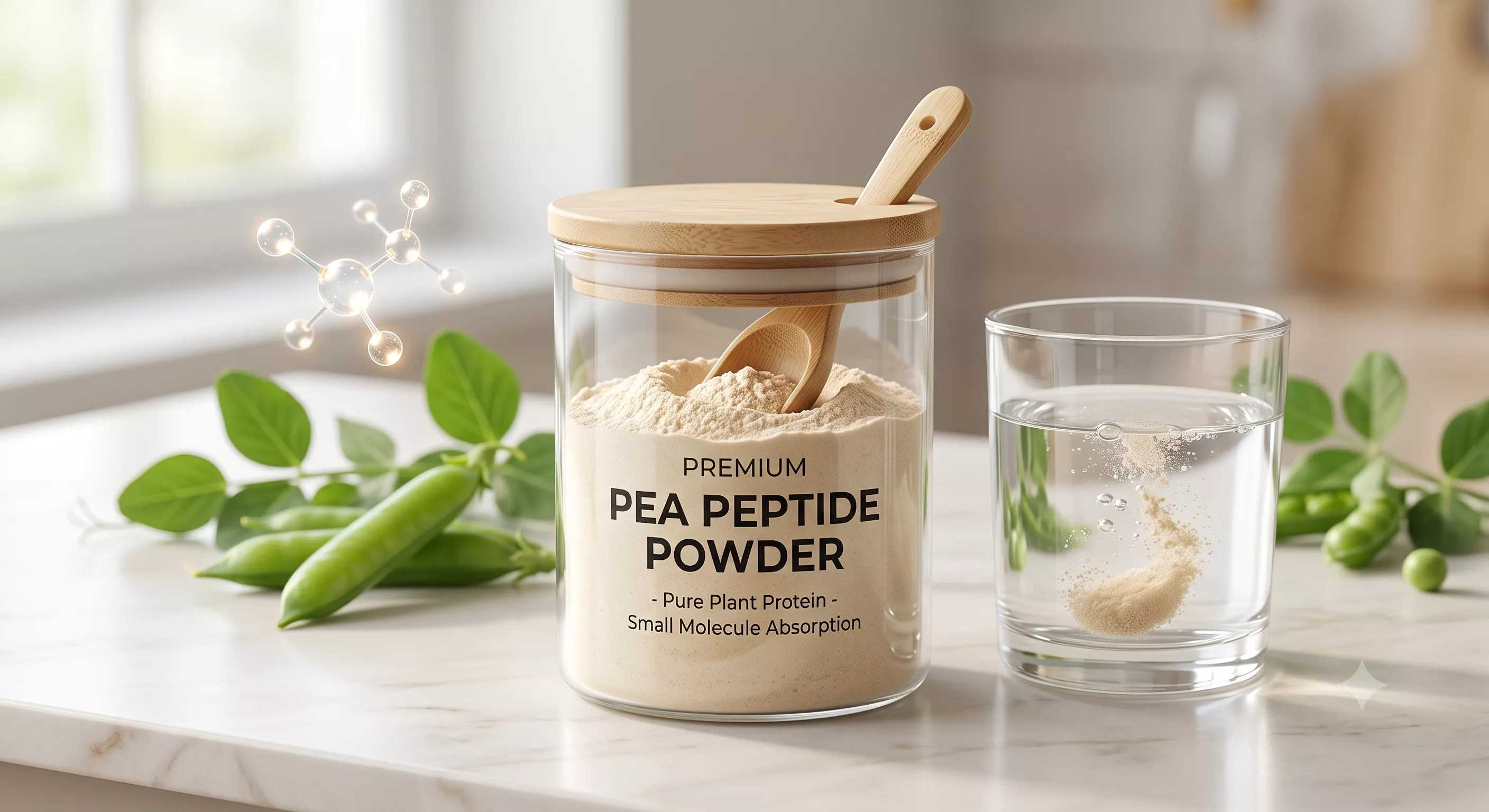
Source high-purity, hypoallergenic hydrolyzed pea peptide powder in bulk. Complete water solubility, rich in BCAAs, ideal for vegan recovery formulas.
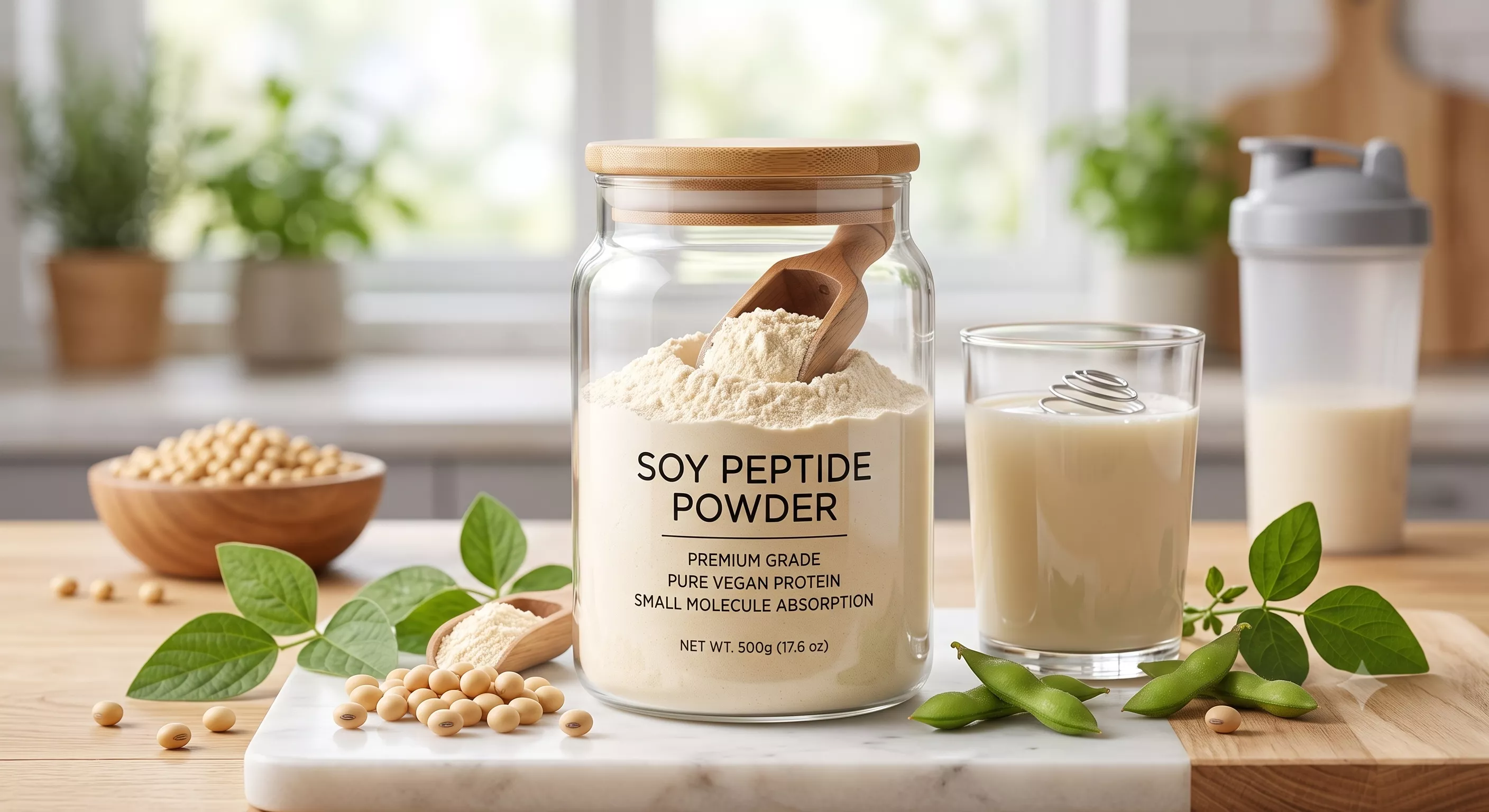
Source ultra-pure, non-GMO hydrolyzed soybean oligopeptide powder in bulk. Complete water solubility, over 80% peptides under 1000 Da. Ideal for sports nutrition and immune recovery formulas.
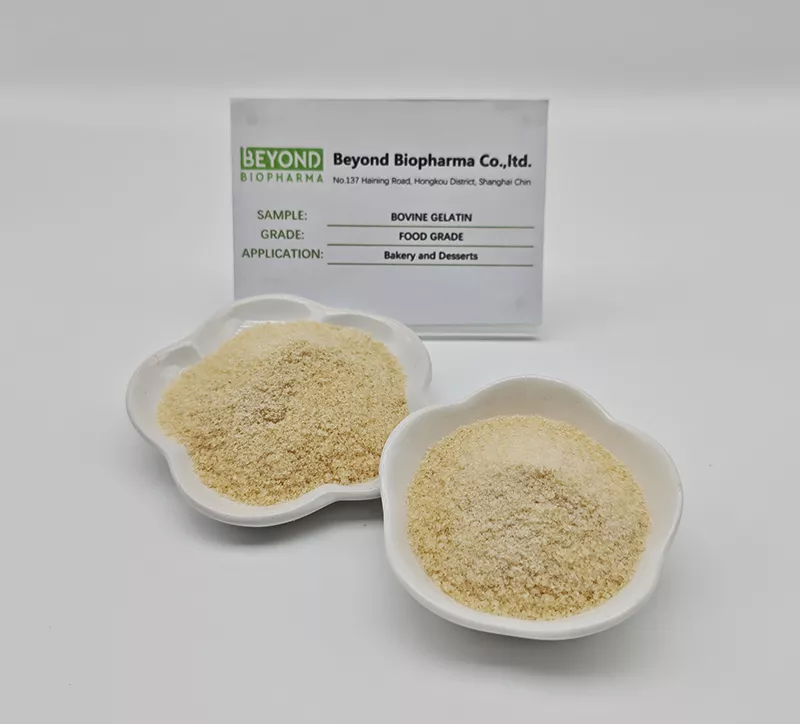
20 years experiences, 5000 ton/year capacity, Sustained supply with stable quality
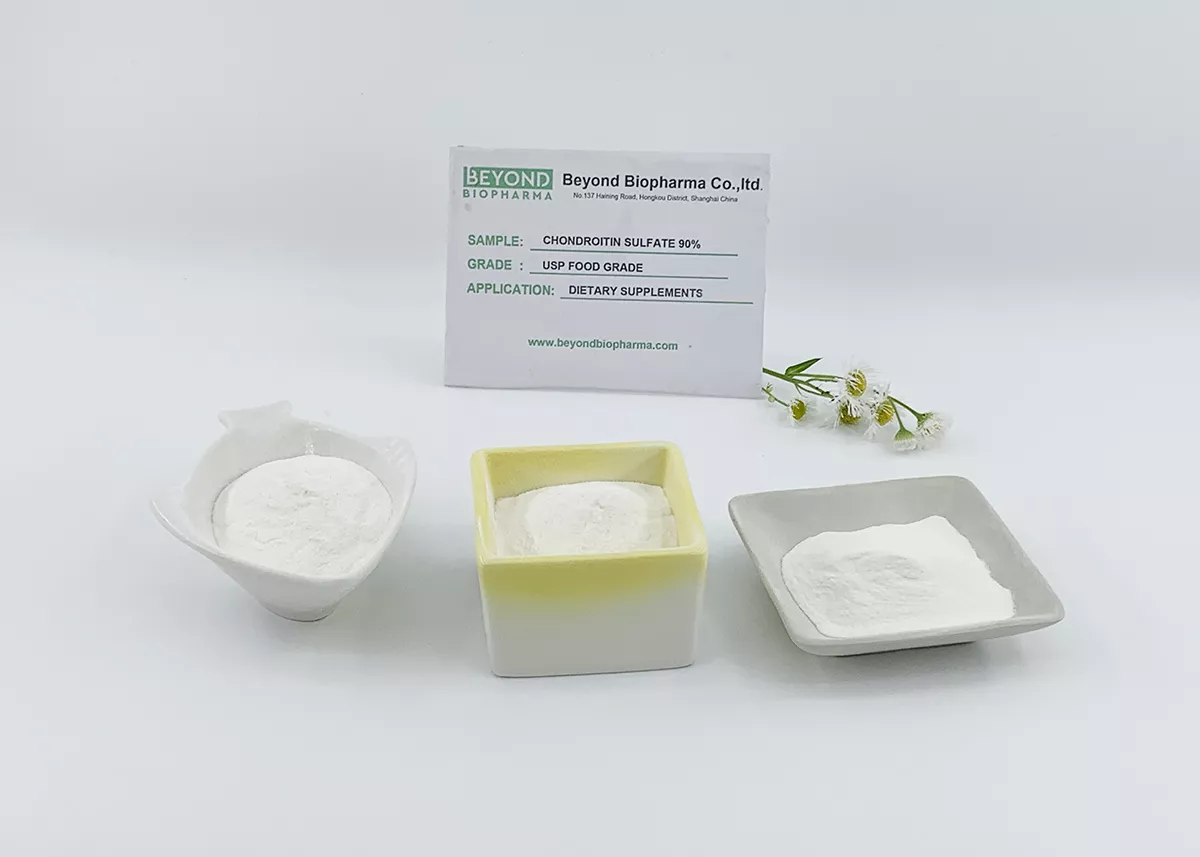
High Purity and Efficacy for Joint Health Formulations
Select the most popular foreign trade service products to meet your diverse needs
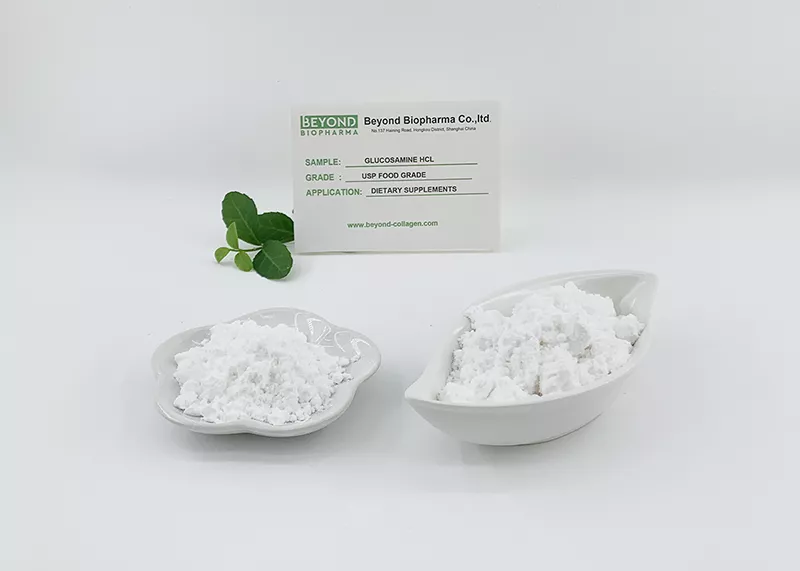
The Purest Plant-Based Joint Support Solution
20 years experiences, 5000 ton/year capacity, Sustained supply with stable quality
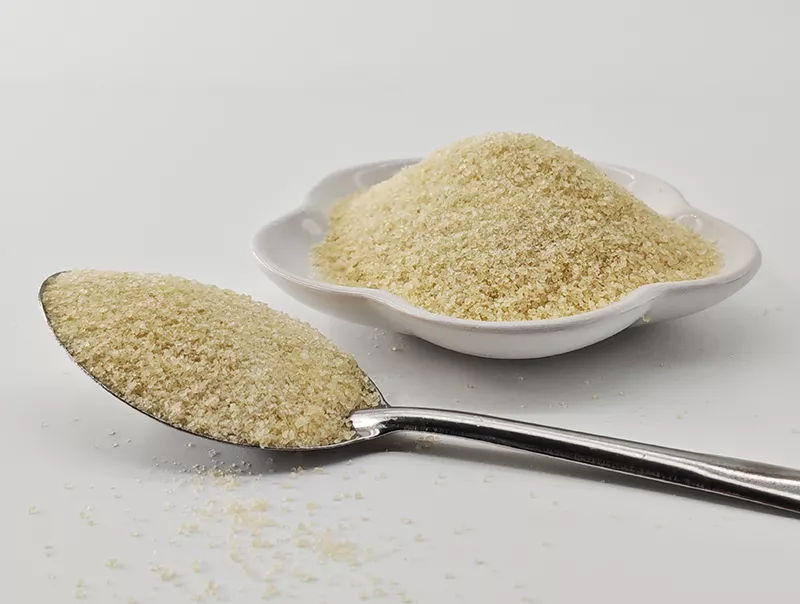
The High-Performance Barrier for Core Material Protection and Controlled Release.
Tel:+86 21 65010906
Cell/Whatsapp/Wechat:
+86 13482884055
+86 18657345785
Email: sales@beyondbiopharma.com





User Comments
Service Experience Sharing from Real Customers
Megan
Pastry ChefOkay, I've tried at least five different brands for my macarons, and this one is the clear winner. It dissolves perfectly without any weird clumps, and the setting time is consistent every single time. My raspberry panna cotta held its shape beautifully for a weekend event. Total game-changer for my dessert menu.
Leo
High School Science TeacherUsed this for our cell membrane permeability experiment with my 10th graders. The gel sets clear and firm enough for handling, which is a plus with teenagers! Smell is minimal compared to others we've tried. Lost one star because the package can get messy if you're not careful pouring.
Chloe
HomemakerI make homemade gummies for my kids (trying to avoid all the junk food additives). This powder is a lifesaver! It mixes so easily with fruit juice, and the texture is just right—not too rubbery. My picky 5-year-old actually asks for 'mom's jelly squares' now. Worth every penny.
Derek
Freelance PhotographerRandom purchase for a DIY photo project—needed to create some fake ice cubes for a shoot. Didn't expect much, but wow, the clarity is incredible under studio lights. It reheated well when I messed up the first batch. Knocked off a star because the instructions could be a bit more detailed for beginners like me.