 English EN


Bovine gelatin pros and cons everyone should know
Bovine gelatin offers strong gelling and health benefits but has dietary, ethical, and allergen concerns. Compare bovine gelatin to other gelatin options here.
More
For overseas purchasing managers and R&D professionals, sourcing gelatin powder often raises the question: what animal is gelatin powder made from? The answer directly impacts product performance, labeling, and market acceptance. Gelatin is derived from collagen-rich animal tissues—typically bovine hides and bones, porcine skin, and fish skin. Each source offers distinct bloom strength, viscosity, and gelation properties. Below, we break down the origins, production methods, and how to match them to your application.
Gelatin powder is primarily made from three animal sources: bovine (cattle), porcine (pigs), and fish. Bovine gelatin comes from hides and bones, offering high bloom values (typically 150–300 g) ideal for gummies and hard capsules. Porcine gelatin, sourced from pig skin, provides excellent clarity and is common in confectionery. Fish gelatin, derived from fish skin, is a popular alternative for kosher and halal markets. Beyond Biopharma supplies all three types, including Halal and Kosher verified fish gelatin for clean-label foods.
The production process involves partial hydrolysis of collagen. Raw animal tissues are cleaned, treated with acid or alkali, and then heated to extract gelatin. The solution is filtered, concentrated, dried, and ground into powder. Enzymatic hydrolysis can also produce collagen peptides with lower molecular weight (2,000–5,000 Da) for faster absorption. Beyond Biopharma uses a fully automatic production line with GMP clean workshops, stainless-steel sealed piping, and automated temperature/pH control to ensure consistent quality.
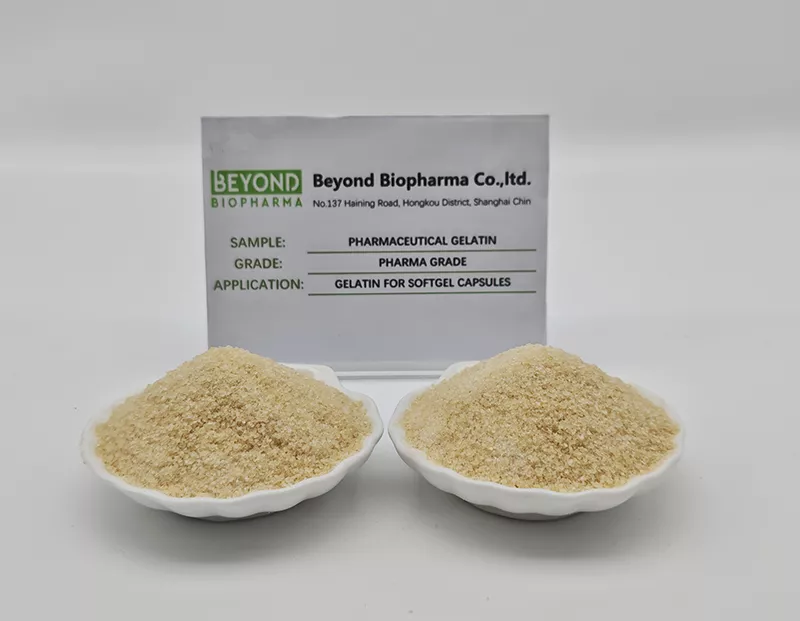
Understanding key parameters helps buyers evaluate suppliers. Below are common industry ranges (note: these are typical ranges; final values per COA/sample):
| Parameter | Typical Industry Range | Notes |
|---|---|---|
| Bloom (g) | 50–300 | Pharma/gummies often 150–260 Bloom |
| Viscosity (mPa·s) | 2.0–5.5 | Affects gel strength and texture |
| Mesh size | 8–60 | Finer mesh for faster dissolution |
| Moisture | ≤14% | Standard for shelf stability |
Selecting the right gelatin source depends on your end product:
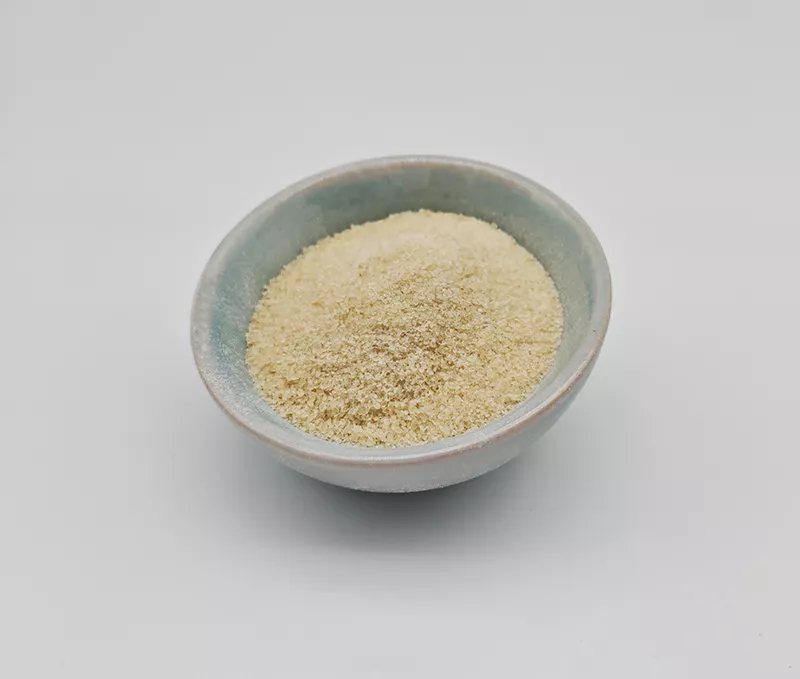
Beyond Biopharma, based in Shanghai, China, has over 10 years of experience in the food-ingredient industry, exporting to 50+ countries. Our facility produces approximately 3,000 MT/year of collagen and 5,000 MT/year of gelatin, with a fully automatic production line, GMP clean workshop, and stainless-steel sealed piping. We hold ISO 9001, US FDA registration, and select products carry Halal/Kosher certification (e.g., fish gelatin). Bovine bone gelatin is BSE-free. Our in-house lab conducts heavy-metal and microbiological testing, supported by a dedicated QA/QC team. We offer three grades (food, pharmaceutical, cosmetic) and provide free samples and formulation support.
Q: Is gelatin powder always made from animals?
Yes, traditional gelatin is derived from animal collagen. However, plant-based alternatives like agar-agar or pectin exist, and Beyond Biopharma offers plant protein peptides for vegan formulations.
Q: Can gelatin powder be halal or kosher certified?
Yes, fish gelatin and certain bovine/porcine gelatins can be certified. Beyond Biopharma supplies Halal and Kosher verified fish gelatin for clean-label foods.
Q: What is the difference between bovine and porcine gelatin?
Bovine gelatin (from cattle) typically has higher bloom and is preferred for capsules and gummies. Porcine gelatin offers better clarity and is common in confectionery. Both are available from Beyond Biopharma.
Q: How do I choose the right bloom strength for my product?
For gummies and softgels, 150–260 Bloom is typical. Higher bloom gives firmer gels. Consult your supplier for specific recommendations based on your application.
Q: Does gelatin powder have a strong odor or taste?
High-quality gelatin should have minimal odor and a neutral taste. Fish gelatin may have a slight marine note, but advanced processing reduces it. Beyond Biopharma ensures low odor through strict quality control.
Q: What certifications should I look for when sourcing gelatin?
Look for ISO 9001, FDA registration, Halal/Kosher, and BSE-free certifications. Beyond Biopharma holds these and provides COAs for each batch.
Understanding what animal gelatin powder is made from is just the first step. To ensure the right match for your formulation, provide your application, required grade (food/pharma/cosmetic), quantity/MOQ, target specs (bloom, mesh, molecular weight, certifications), and destination country. Beyond Biopharma will send free samples and a tailored quote. Contact us today to start your sourcing journey.

We provide you with comprehensive foreign trade solutions to help enterprises achieve global development
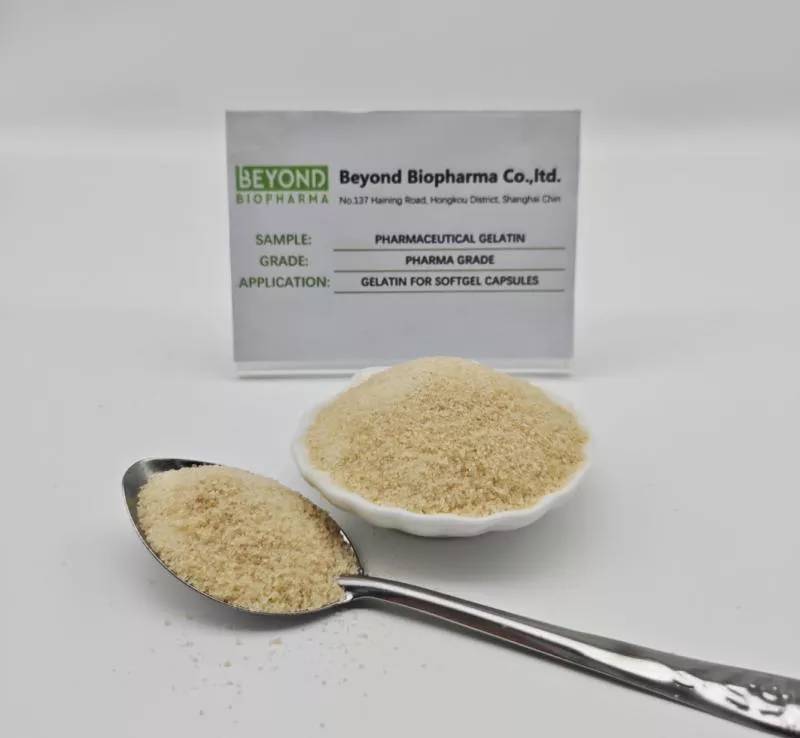
Softgel encapsulation demands a gelatin with unique physical attributes to perform optimally during the high-speed manufacturing process
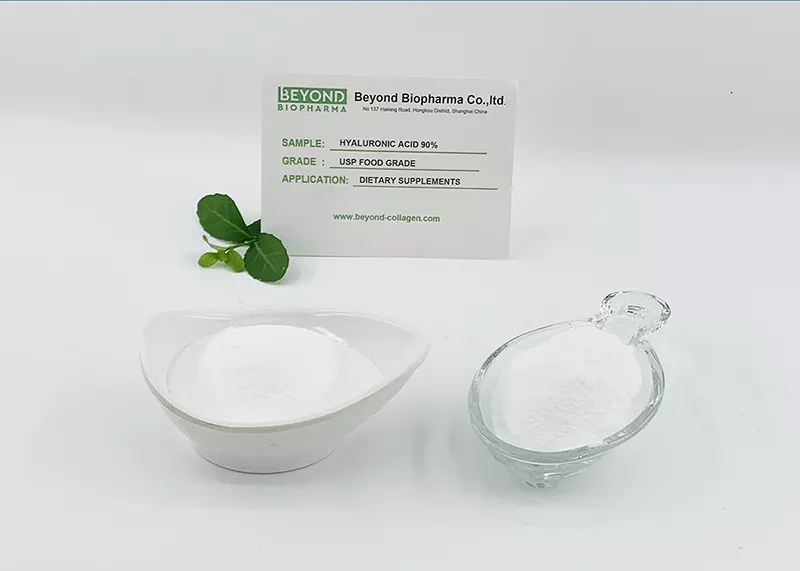
High Molecular Weight for Superior Joint, Skin, and Eye Health.
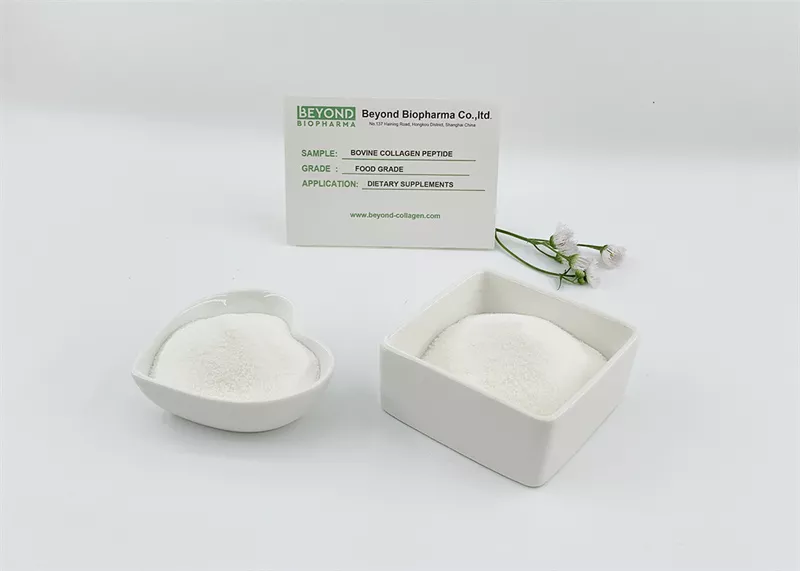
Manufacturer of bovine collagen peptide, shipping in containers all around the world
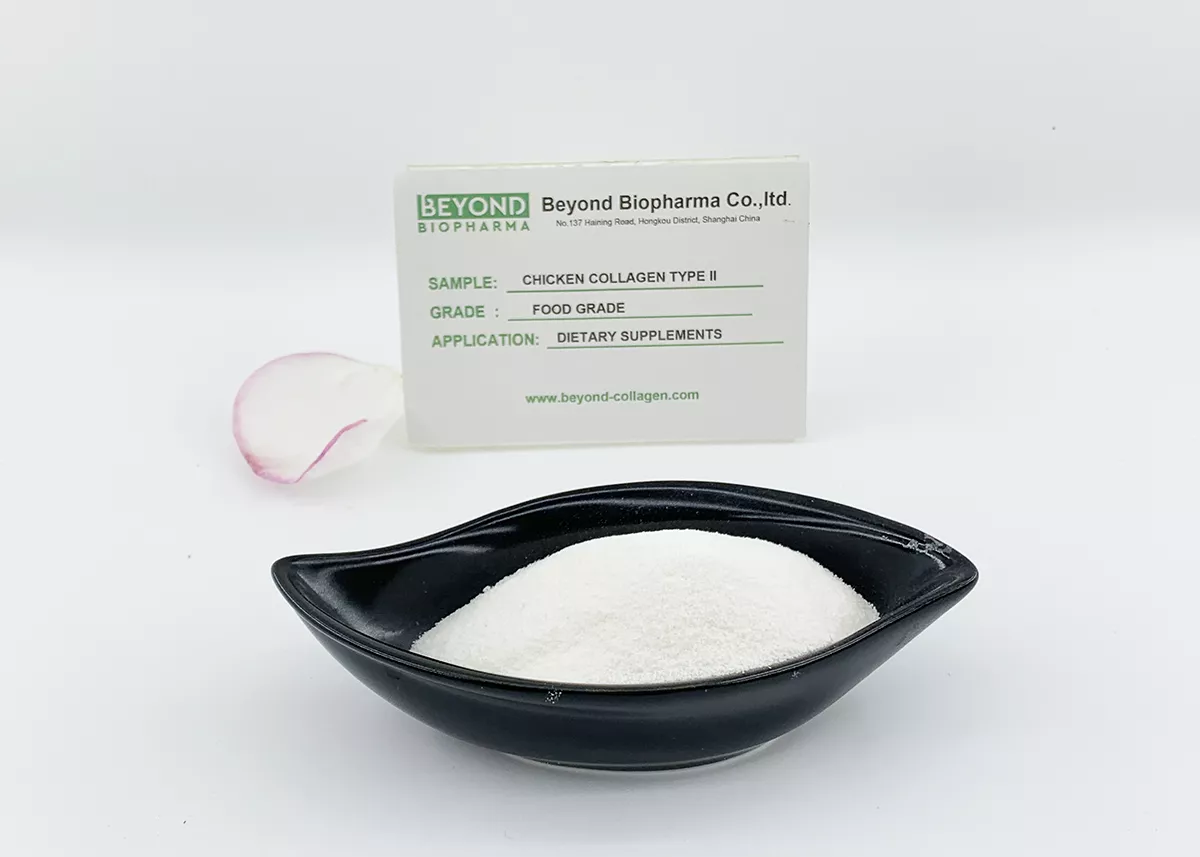
BEYOND BIOPHARMA is a specialized manufacturer of high-quality Undenatured Collagen Type II. Utilizing low-temperature, non-enzymatic extraction methods, our Undenatured Collagen Type II retains its native, triple-helix structure, essential for modulating the immune system's response to joint health and providing superior support for mobility, flexibility, and overall joint comfort.
Select the most popular foreign trade service products to meet your diverse needs
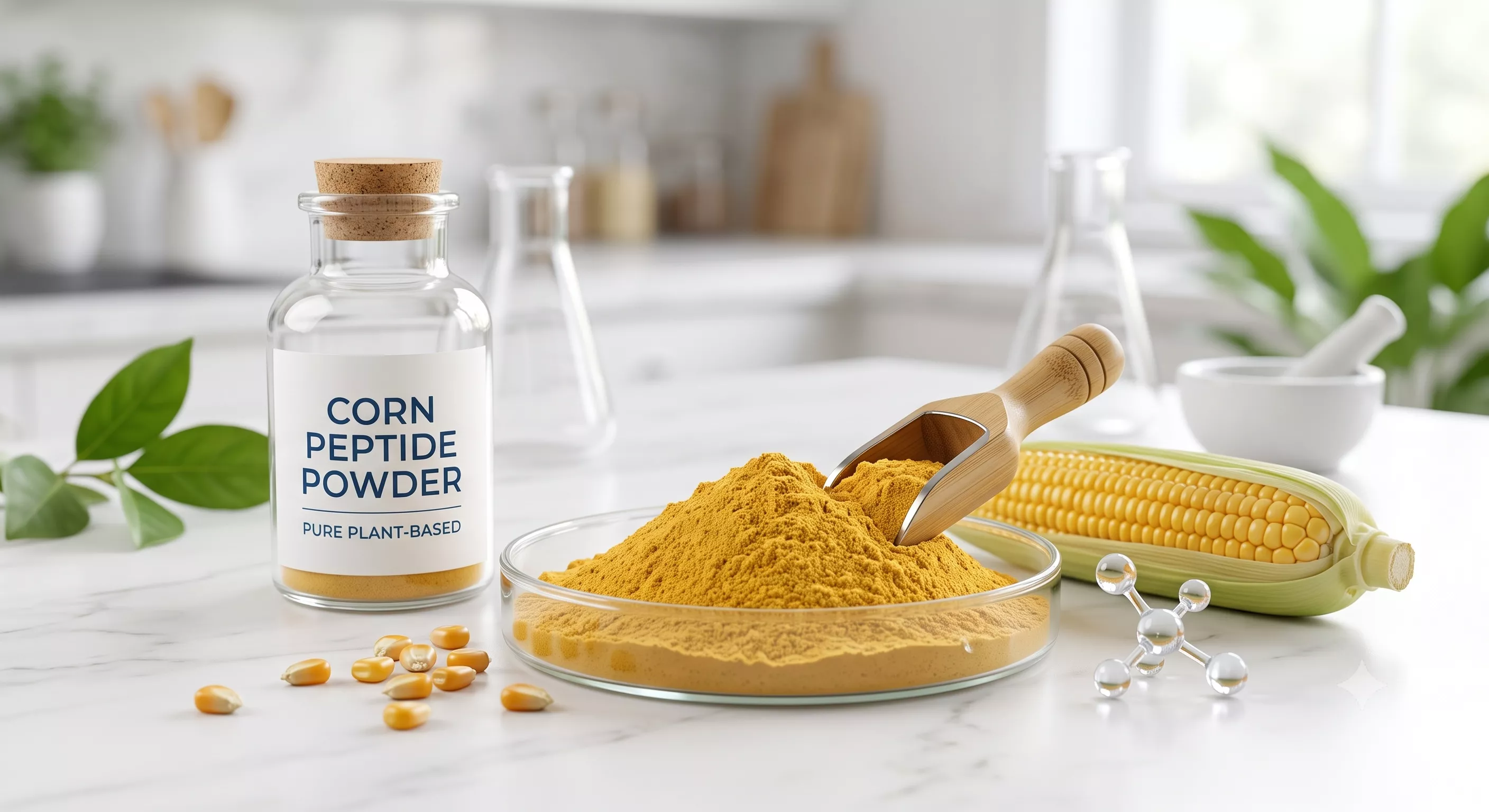
Source high-purity wholesale hydrolyzed corn protein peptide powder in bulk. Over 85% oligopeptides under 1000 Da. Rich in Alanine and Leucine for liver support and sobriety formulas.
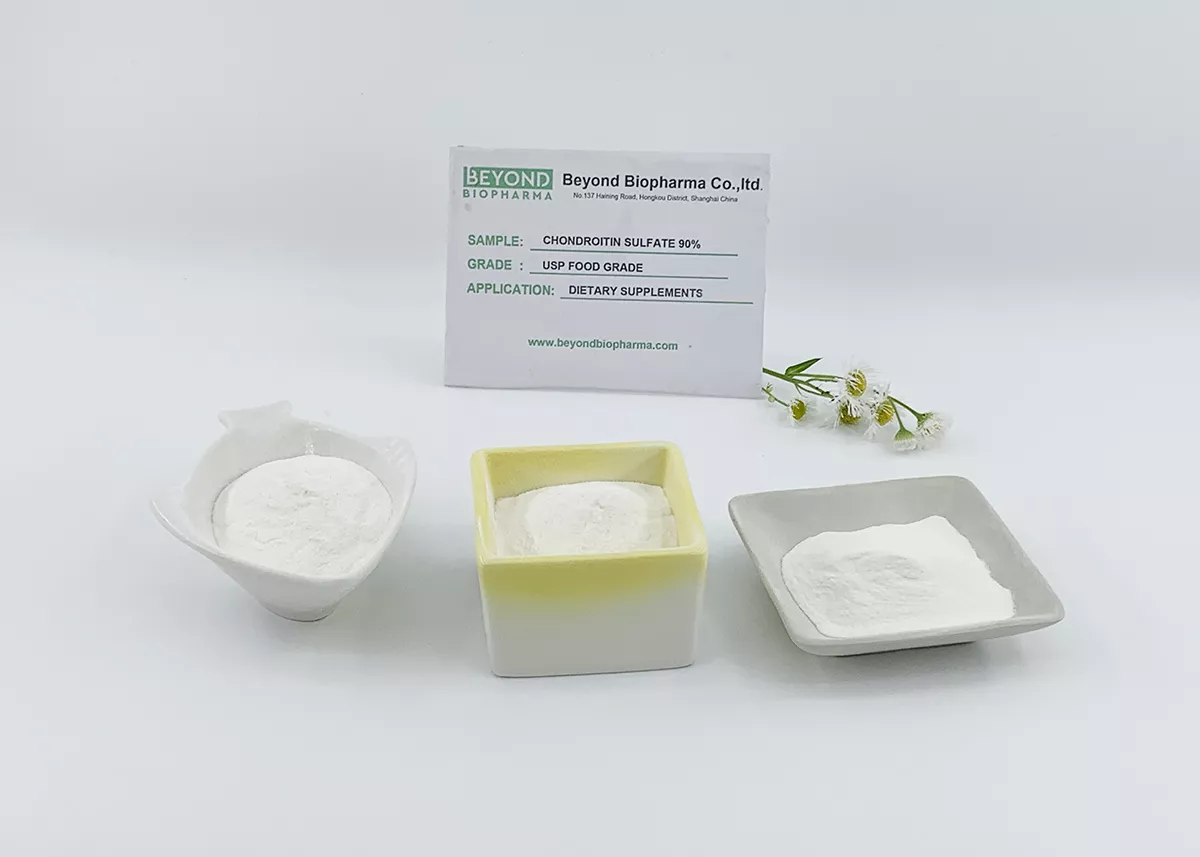
High Purity and Efficacy for Joint Health Formulations
The Purest Plant-Based Joint Support Solution
Tel:+86 21 65010906
Cell/Whatsapp/Wechat:
+86 13482884055
+86 18657345785
Email: sales@beyondbiopharma.com





User Comments
Service Experience Sharing from Real Customers
Megan
Pastry ChefAs a pastry chef, I'm super picky about ingredients. I finally found out this gelatin is made from grass-fed beef hides, which aligns with my kitchen's standards. It sets beautifully for my panna cottas and gives a crystal-clear finish. No weird aftertaste like some porcine ones I've tried. Total game-changer!
Leo
Home BrewerBeen using this for clarifying my homemade beers. Customer service confirmed it's from bovine sources (which I prefer). It works like a charm—my IPAs come out brilliantly clear now. Knocked off one star because the packaging could be more resealable, but the product itself is top-notch.
Chloe
DIY Cosmetics MakerI run a small natural skincare line and needed halal-friendly gelatin. After emailing the company, I learned it's 100% bovine—perfect for my gelling needs in face masks. My customers love the texture, and I appreciate the transparency about the animal source. So relieved to find an ethical option that actually performs.
Raj
Biomedical StudentUsing this for a lab project on hydrogels. The fact that it's derived from porcine bone collagen was clearly stated on the spec sheet—saved me hours of research. It dissolves consistently, though the particle size varies slightly between batches. Great for experimental work if you need precise animal-source info.