 English EN


Porcine gelatin always protects vaccines from harm
Porcine gelatin stabilizes vaccines, ensuring safety and effectiveness. Most people tolerate it well, with rare allergic reactions and strict quality controls.
More
Gelatin is a versatile, protein-rich ingredient derived from collagen, widely used in food, pharmaceuticals, and nutraceuticals. For overseas buyers—whether you are a purchasing manager, R&D developer, or QA specialist—sourcing consistent, high-quality gelatin can be challenging due to batch variability, odor issues, solubility concerns, and certification barriers. This article explores what gelatin is used for in food, its key applications, and how to select the right grade for your products.
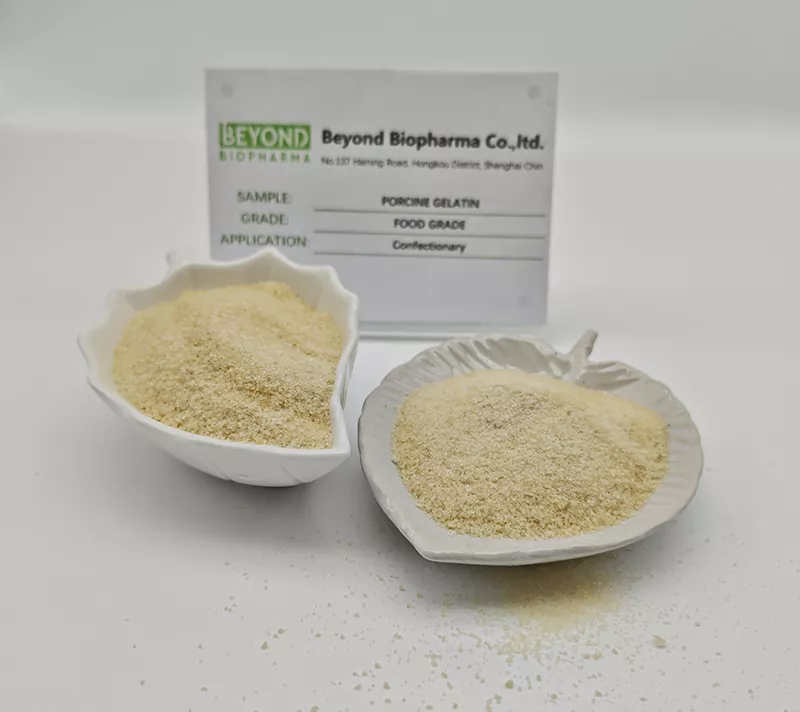
Gelatin is a natural protein obtained by partial hydrolysis of collagen from animal sources—typically bovine hide, bovine bone, porcine skin, or fish skin. The production process involves acid or alkaline treatment, followed by enzymatic hydrolysis and extraction at controlled temperatures. The result is a pure, water-soluble protein that forms a thermo-reversible gel when cooled. Key parameters include bloom strength (gel firmness), viscosity, and molecular weight. For example, edible gelatin typically ranges from 50 to 300 bloom, with higher bloom values used in gummies and pharmaceutical capsules. Collagen peptides, a hydrolyzed form of gelatin, have a lower molecular weight (2,000–5,000 Da) for rapid dissolution and absorption.
Understanding the technical specifications helps you match gelatin to your application. Below is a table of common parameters—these are typical industry ranges; final values should be confirmed per Certificate of Analysis (COA) or sample.
| Parameter | Typical Range | Common Application |
|---|---|---|
| Bloom (gel strength) | 50–300 g (pharma/gummies: 150–260) | Gummies, softgels, hard capsules |
| Viscosity | 2.0–5.5 mPa·s | Capsule shell, coating |
| Mesh size | 8–60 mesh | Powder blending, granulation |
| Moisture | ≤14% | All food/pharma grades |
| Protein (collagen peptides) | ≥90% | Sports nutrition, beauty drinks |
| Molecular weight (peptides) | 2,000–5,000 Da (fish: lower) | Rapid absorption formulations |
Note: These are typical industry ranges; final values per COA/sample.
Gelatin serves multiple roles—gelling agent, stabilizer, thickener, emulsifier, and film-former. Here are the primary applications and recommended selection guidance:
Beyond Biopharma is a Shanghai-based manufacturer with over 10 years of experience in the food-ingredient industry. Our products are exported to 50+ countries. We operate fully automatic production lines with GMP clean workshops, stainless-steel sealed piping, and automated temperature/pH control. Our annual capacity is approximately 3,000 MT for collagen and 5,000 MT for gelatin. We hold ISO 9001, US FDA registration, and select products carry Halal/Kosher certification (e.g., fish gelatin). Bovine bone gelatin is BSE-free. Our in-house lab performs heavy-metal and microbiological testing, supported by a dedicated QA/QC team. We offer three grades—food, pharmaceutical, and cosmetic—and provide free samples along with formulation and selection support.
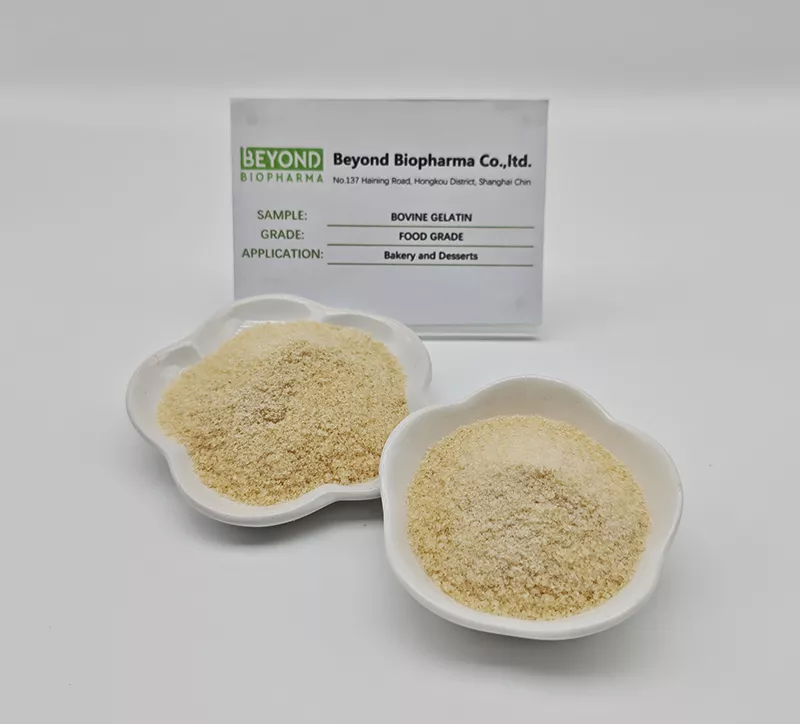
Gelatin is partially hydrolyzed collagen that forms a gel when cooled, while collagen peptides are fully hydrolyzed for rapid dissolution and absorption. Gelatin is used for texture and structure; peptides are preferred for bioavailability in supplements.
Bovine gelatin offers high bloom and is BSE-free; porcine gelatin is cost-effective for gummies; fish gelatin has lower melting point and is suitable for kosher/halal markets. Your choice depends on target allergen profile, certification needs, and application texture.
Key certifications include ISO 9001, FDA registration, Halal, Kosher, and BSE-free documentation. For pharmaceutical use, GMP compliance is essential. Always request a COA to verify bloom, viscosity, and microbial limits.
Traditional gelatin is animal-derived. For vegan formulations, plant protein peptides (pea, rice, soy) are suitable alternatives. They provide similar gelling or texturizing properties without animal origin, though with different functional profiles.
Work with manufacturers that have automated production lines, in-house QC labs, and strict process controls. Request multiple COAs from different batches. A reliable supplier like Beyond Biopharma provides consistent specs and free samples for pre-qualification.
Gelatin powder typically has a shelf life of 2–3 years when stored in a cool, dry place away from moisture and direct sunlight. Always check the manufacturer's expiry date and storage recommendations on the packaging.
Ready to source high-quality gelatin for your next product? Contact Beyond Biopharma with your application details, required grade (food, pharmaceutical, or cosmetic), estimated quantity/MOQ, target specifications (bloom, mesh, molecular weight, certifications), and destination country. We will send free samples and a competitive quote tailored to your needs. Our team supports custom bulk supply and formulation/OEM services to help you succeed in global markets.
Gelatin remains a cornerstone ingredient in food, pharma, and nutraceutical applications—from gummies and softgels to joint health and beauty supplements. By partnering with a reliable manufacturer like Beyond Biopharma, you ensure consistent quality, certified compliance, and expert support for your product development.

We provide you with comprehensive foreign trade solutions to help enterprises achieve global development
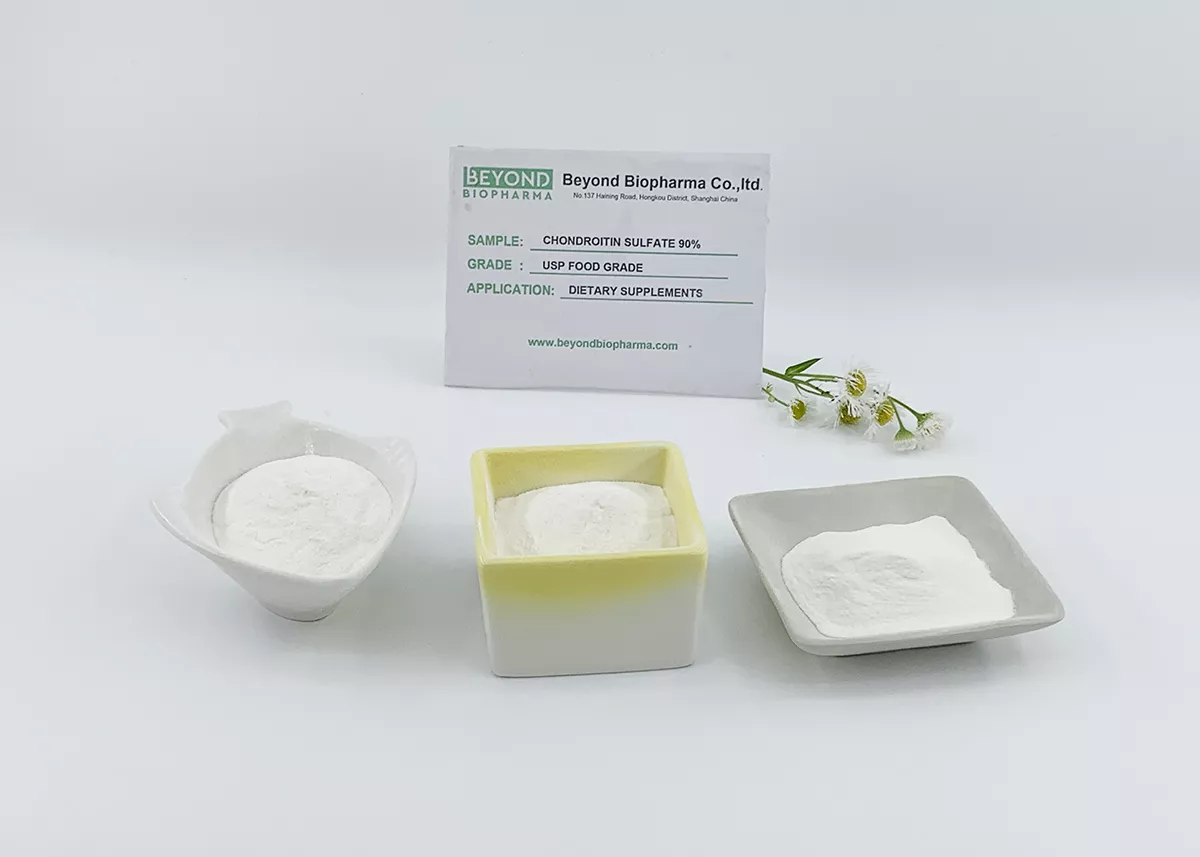
High Purity and Efficacy for Joint Health Formulations
20 years experiences, 5000 ton/year capacity, Sustained supply with stable quality
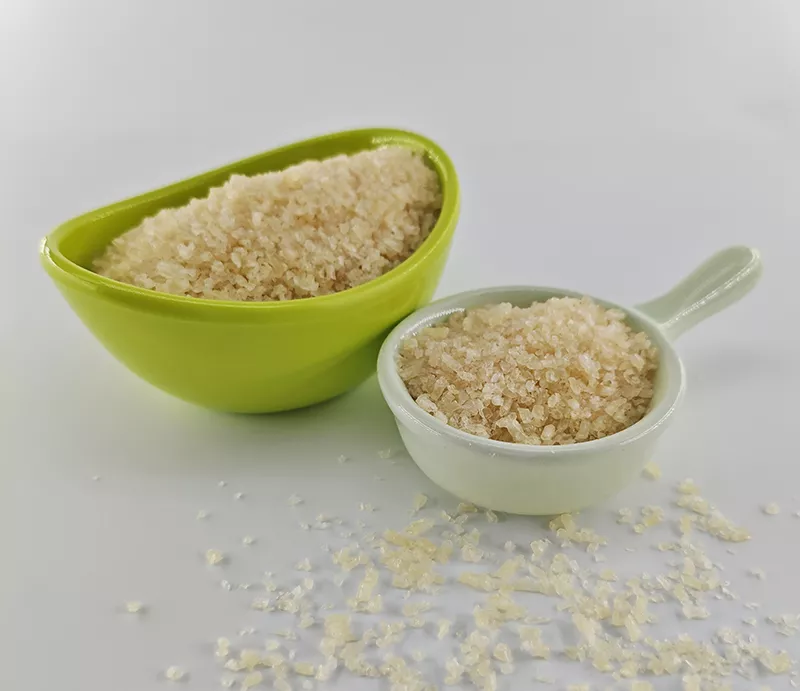
Stability, Swallowing Enhancement, and Controlled Release
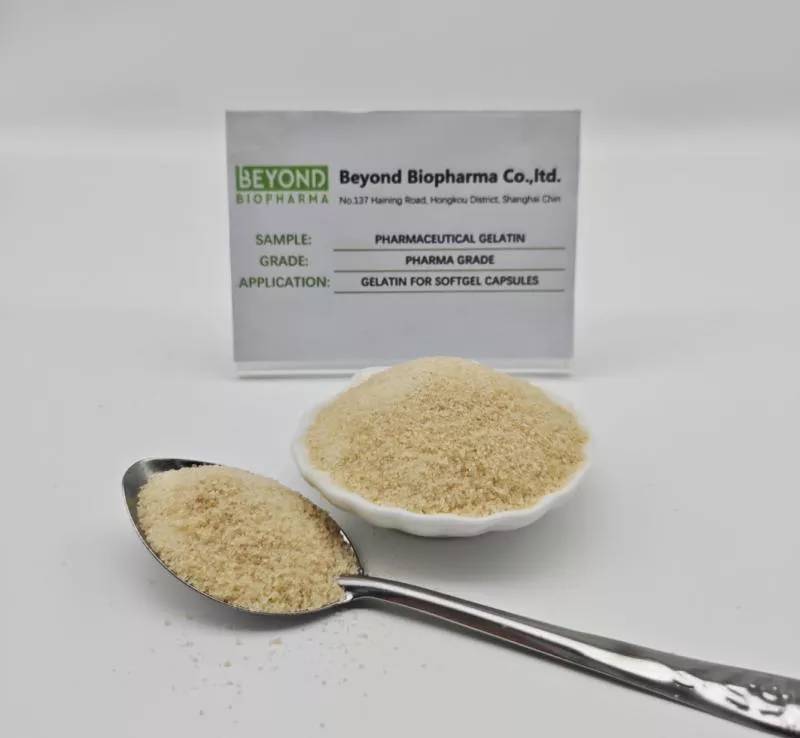
Softgel encapsulation demands a gelatin with unique physical attributes to perform optimally during the high-speed manufacturing process
Select the most popular foreign trade service products to meet your diverse needs
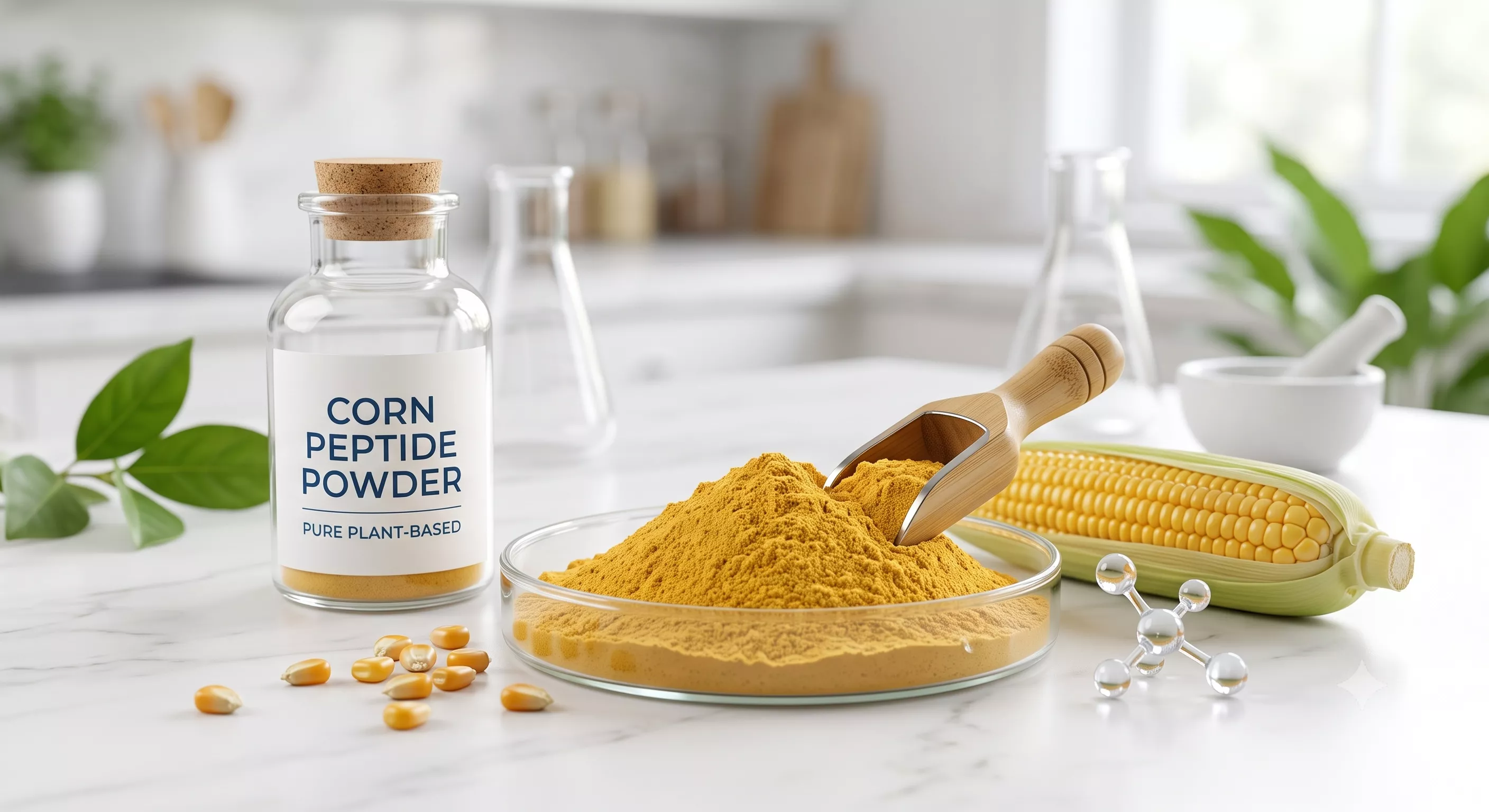
Source high-purity wholesale hydrolyzed corn protein peptide powder in bulk. Over 85% oligopeptides under 1000 Da. Rich in Alanine and Leucine for liver support and sobriety formulas.
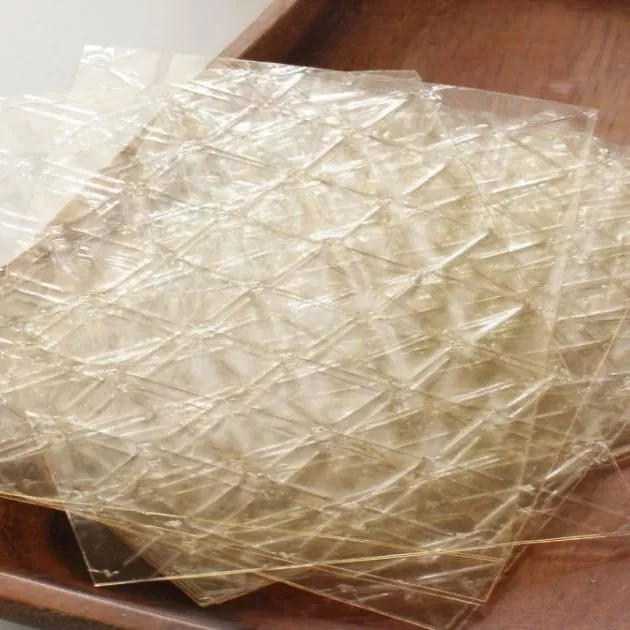
Our Gelatin Sheets are produced to precise standards, ensuring consistency and reliability across different Bloom grades (Silver being the most common professional choice).
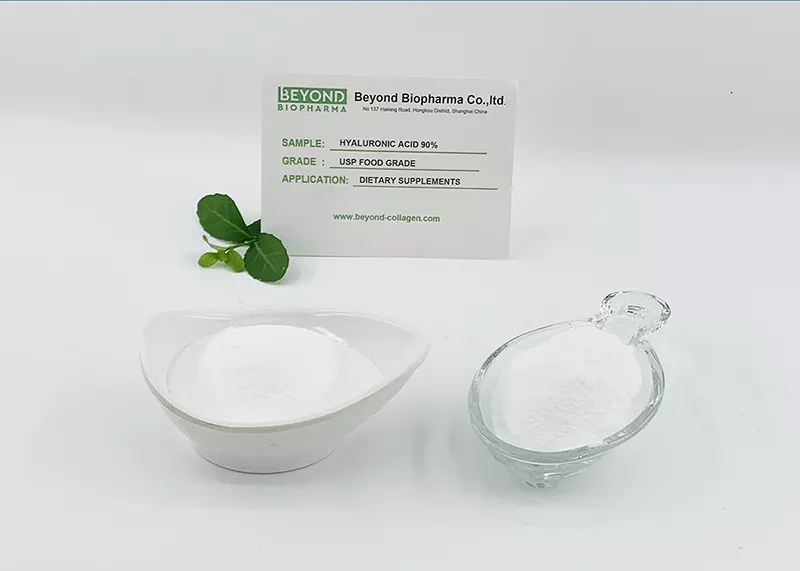
High Molecular Weight for Superior Joint, Skin, and Eye Health.
Tel:+86 21 65010906
Cell/Whatsapp/Wechat:
+86 13482884055
+86 18657345785
Email: sales@beyondbiopharma.com





User Comments
Service Experience Sharing from Real Customers
Marcus
Product Development ChefAs someone who's worked in both fine dining and mass production, I've been consistently impressed by the versatility of gelatin. We recently used a high-bloom beef gelatin to stabilize a new line of low-fat mousses without compromising texture. It's a game-changer for clean-label formulations where you need that perfect melt-in-the-mouth feel. Other gelling agents just don't compare for certain applications.
Chloe
Quality Assurance TechnicianHonestly, I never thought much about gelatin until I started testing gummy vitamins. The fish-derived gelatin we use has incredible binding properties and doesn't interfere with active ingredients. My only gripe is the batch variability sometimes, but when it's good, it's perfect for achieving consistent chewiness. It's made my job monitoring texture standards way easier.
Raj
Small-Batch Artisan ConfectionerRunning a craft marshmallow business means every ingredient counts. Switching to pasture-raised pork gelatin transformed our product—the foam stability is unreal, and customers notice the cleaner mouthfeel. It's pricey, but watching people's faces light up when they bite into our mallows? Priceless. This isn't just an ingredient; it's the soul of our texture.
Simone
Food Science StudentDid my thesis on alternative gelling agents and kept circling back to gelatin's unique thermo-reversibility. Interned at a soup plant last summer where they used it for consommé clarification—watching those raft formations was almost artistic. It's an old-school ingredient that modern tech still can't fully replicate. Minus one star because sourcing ethics matter, but technically, it's brilliant.