English EN


Fish Gelatin Powder or Beef and Pork Gelatin Which Is Right for You
Compare fish gelatin powder with beef and pork gelatin to find the best option for dietary needs, texture, and recipes, including kosher and halal diets.
More
Halal slaughter, known as Zabihah, is a practice deeply rooted in Islamic tradition, emphasizing compassion, respect, and purity. The process begins with a specific invocation, reciting the name of Allah (God) to acknowledge the sanctity of life and the blessing of sustenance. This act transforms the slaughter into a spiritual ritual rather than a mere mechanical process.
The animal must be treated with utmost care before and during slaughter. It should be well-rested, given access to water, and never see another animal being slaughtered. The knife is sharpened out of the animal's sight to ensure a swift, painless cut across the throat, severing the carotid arteries, jugular veins, and windpipe. This rapid blood loss causes the animal to lose consciousness quickly, minimizing suffering.
Ethically, halal slaughter aligns with modern animal welfare standards by prioritizing humane treatment. The complete drainage of blood is also believed to enhance meat quality, reducing impurities and spoilage. For consumers, choosing halal beef means supporting a process that values life, hygiene, and spiritual mindfulness.
To explore high-quality halal bovine products that uphold these principles, visit our verified halal gelatin or learn more about bovine chondroitin sulfate sourcing.
For more insights on ethical sourcing, see our pharmaceutical gelatin and fish collagen peptide offerings.
Halal is not just about the method of slaughter; it is a comprehensive lifestyle. The term "halal" means permissible, and it extends to how the animal is raised, fed, and handled. The spiritual foundation lies in the belief that all creation belongs to Allah, and taking a life requires gratitude and reverence. This mindfulness is carried into every step of the supply chain, from farm to table.
Eating halal meat is an act of worship, reminding believers of their duty to consume what is good and pure. It fosters a connection between the physical act of eating and spiritual obedience. For bovine meat specifically, this ensures that the beef is not only ethically produced but also blessed, offering peace of mind to consumers.
Discover related products like hydrolyzed collagen type II and edible bovine gelatin for clean-label applications.
Today, halal certification involves rigorous audits to ensure compliance with both religious and ethical standards. This includes verifying that no stress is inflicted on the animal, that the slaughter tools are sterile, and that the meat is free from contamination. Many halal certifiers also require traceability, ensuring that the meat can be tracked back to its source.
The ethical dimension also covers environmental sustainability, as halal principles encourage responsible use of resources and avoidance of waste. By choosing authentic halal bovine meat, consumers contribute to a system that respects animal dignity, environmental balance, and community health.
For more information, check our gelatin for micro-encapsulation and undenatured collagen type II for joint health.
When purchasing halal beef, look for certification from recognized Islamic authorities. Authentic halal meat will have a clear label indicating the certifying body and the slaughter date. It is also important to buy from suppliers who prioritize transparency and ethical practices.
The demand for halal bovine meat is growing globally, not only among Muslims but also among consumers seeking humane and clean meat options. By understanding the spiritual and ethical foundations, you can make informed choices that align with your values.
Explore our range of halal-certified ingredients, including food-grade hyaluronic acid, to support your clean-label product development.
When purchasing bovine halal meat, looking for recognized certification marks is essential. Trusted halal certifying bodies place seals on packaging to indicate compliance with Islamic slaughter and processing standards.
Key certifications include the Halal Monitoring Committee (HMC), Islamic Food and Nutrition Council of America (IFANCA), and the Halal Food Standards Alliance of America (HFSAA). Each logo should be accompanied by a unique certification number and the certifying body’s name.
Labels often include terms like "hand-slaughtered," "Zabihah," or "Halal certified." Always verify that the label lists the slaughter method and that the meat has been processed separately from non-halal products to avoid cross-contamination.
For further detailed information on halal certification standards and bovine meat sourcing, visit this resource.
The sourcing of authentic bovine halal meat begins with ethical livestock management. Cattle must be raised on natural feed, free from hormones and antibiotics, and handled according to Islamic principles. Traceability ensures that every step—from farm conditions to slaughter—is documented and verified.
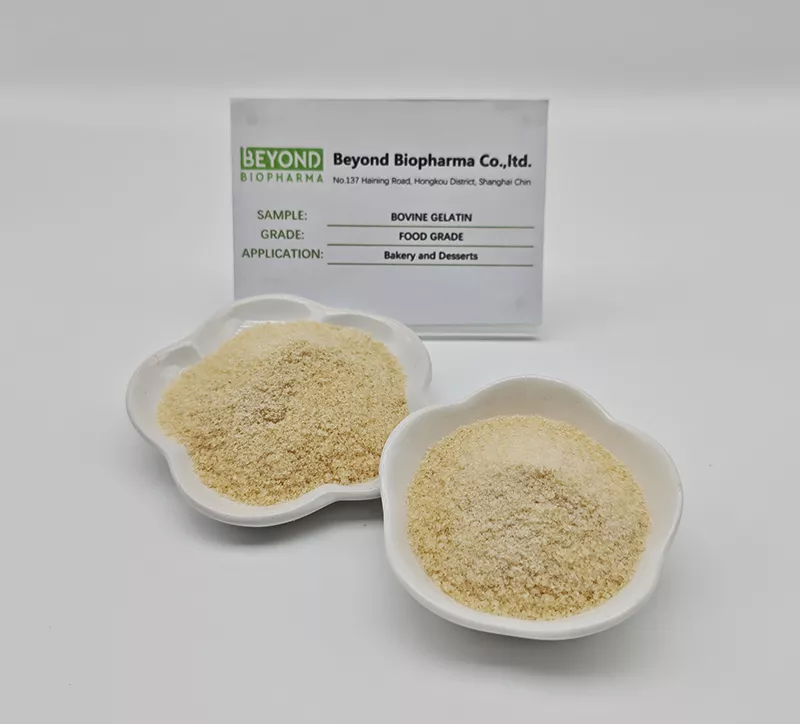
A dedicated supply chain partner, such as those providing edible bovine gelatin for food applications, often extends these standards to by-products. This commitment to purity and transparency builds consumer trust in halal-certified products.
| Stage | Requirement | Verification Method |
|---|---|---|
| Farm Sourcing | Grass-fed, no antibiotics | On-site audit |
| Transportation | Stress-free handling | GPS & video log |
| Slaughter | Halal method, certified | Third-party inspection |
| Processing | No cross-contamination | Batch testing |
| Packaging & Delivery | Sealed, labeled with origin | QR code traceability |
The table above outlines the critical control points in the halal meat supply chain. Each stage is rigorously monitored to maintain authenticity. For premium applications, ingredients like pharmaceutical gelatin for tablet coating and hydrolyzed collagen type II powder are sourced from similarly traceable bovine origins.
Full traceability not only satisfies regulatory compliance but also empowers consumers to make informed choices. By integrating digital tracking systems, suppliers can offer verifiable proof of halal integrity from farm to final product.
Halal beef is a rich source of high-quality protein, essential vitamins, and minerals. It provides a complete amino acid profile necessary for muscle repair and growth. A standard serving of lean halal beef offers significant amounts of iron, zinc, and B vitamins, particularly B12, which supports nerve function and red blood cell formation.
The health benefits of consuming halal beef extend beyond basic nutrition. The strict halal slaughter process ensures minimal stress for the animal, which can positively affect meat quality and tenderness. This method also promotes thorough blood drainage, reducing the risk of bacterial growth and resulting in a cleaner, healthier product.
Including lean halal beef in a balanced diet can support immune function, improve energy levels, and contribute to healthy skin and hair. Its natural content of conjugated linoleic acid (CLA) may also aid in metabolic health and weight management when consumed as part of a nutritious eating plan.
For those seeking a protein source that aligns with ethical and dietary standards, halal beef offers a wholesome option that combines traditional practices with modern nutritional science. Choose cuts with minimal visible fat to maximize health benefits while enjoying the rich flavor and texture of authentic halal beef.
For tender results, choose ribeye or sirloin from verified Halal sources. Look for marbling and bright red color. Always check for the Halal certification seal on packaging. For more details on sourcing, visit this guide.
Bring meat to room temperature before cooking. Pat dry with paper towels for a better sear. Season generously with kosher salt and black pepper at least 40 minutes prior. Learn about clean-label enhancements at this resource.
Heat a cast-iron skillet over high heat until smoking. Add a tablespoon of ghee or avocado oil. Place steak in pan and cook for 4 minutes per side for medium-rare. Add crushed garlic and thyme during the last minute. Rest for 5 minutes before slicing. For joint-friendly sides, see this collagen tip.
Rub brisket with smoked paprika, cumin, and garlic powder. Sear all sides in a Dutch oven. Add beef broth, onions, and bay leaves. Cover and cook at 300°F for 3-4 hours until fork-tender. Shred and serve with roasted vegetables. Explore gelatin-based thickeners at this page.
Cube sirloin into 1-inch pieces. Marinate in yogurt, lemon juice, and minced ginger for 2 hours. Thread onto skewers with bell peppers and red onion. Grill over medium heat for 10-12 minutes, turning occasionally. For skin health additions, check this supplement info.
Store cooked Halal beef in airtight containers for up to 4 days. Reheat gently in a low oven or with a splash of broth to retain moisture. Avoid microwaving to prevent toughness. For pharmaceutical-grade preservation tips, visit this reference.
This guide has explored the spiritual and ethical dimensions of halal slaughter, emphasizing the importance of compassion and respect for the animal. Understanding these foundations ensures that the meat consumed aligns with Islamic principles of purity and mindfulness.
Identifying authentic bovine halal meat requires careful attention to recognized certifications and labels. Trusted halal certification bodies provide assurance that the entire process—from slaughter to packaging—meets strict halal standards, helping consumers make informed choices.
The journey from farm to table highlights the significance of sourcing and traceability. Transparent supply chains and ethical farming practices contribute to the quality and integrity of halal beef, ensuring that every step honors the principles of halal.
Nutritionally, halal beef offers a rich source of protein, essential vitamins, and minerals. Its health benefits, including support for muscle growth and overall well-being, make it a valuable addition to a balanced diet. Proper cooking techniques and recipes can further enhance its flavor and tenderness.
By combining knowledge of halal principles, certification literacy, and culinary skills, consumers can fully appreciate the authenticity and quality of premium halal cuts. This holistic approach ensures that every meal is both nourishing and spiritually fulfilling.


We provide you with comprehensive foreign trade solutions to help enterprises achieve global development
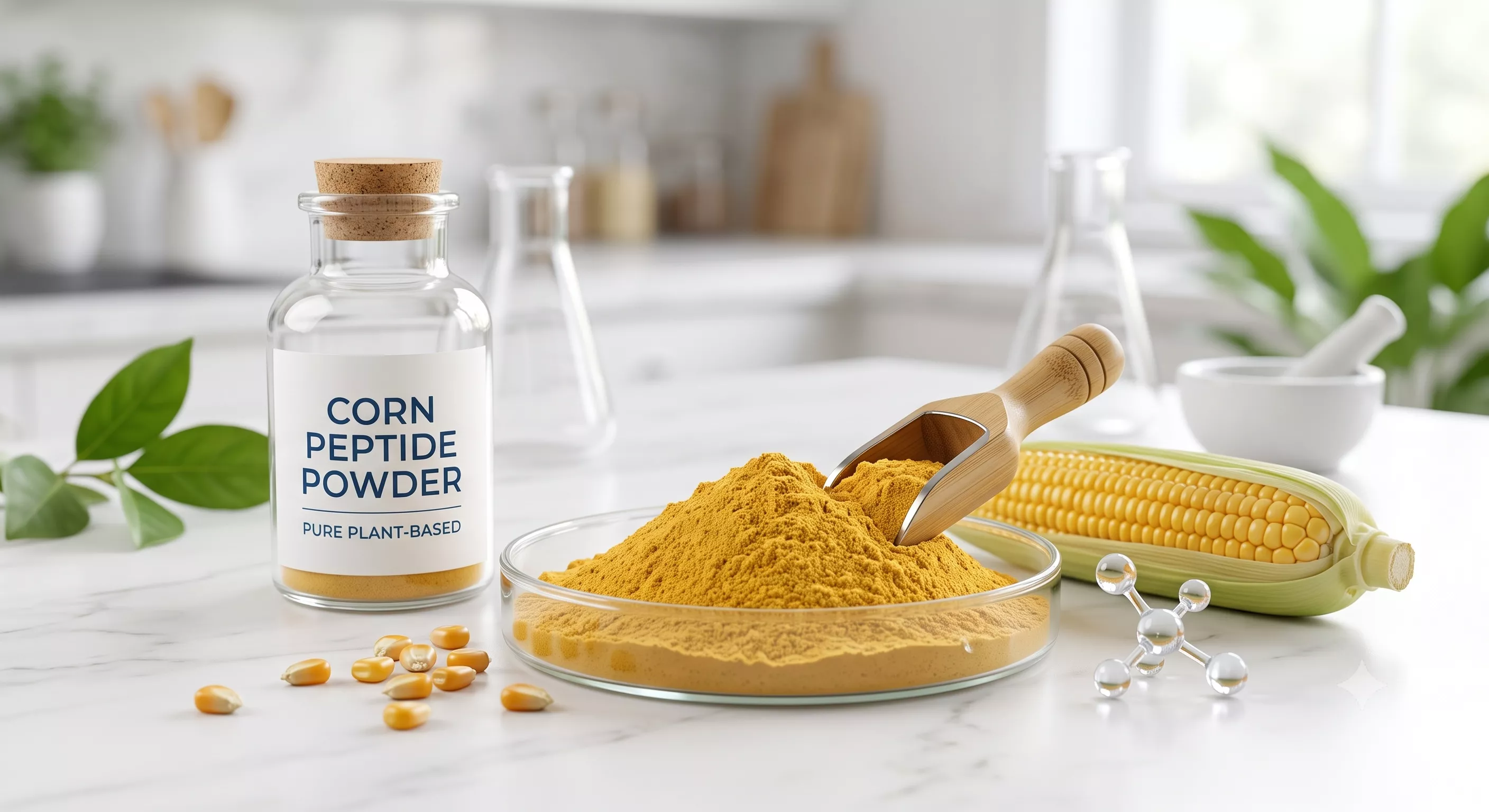
Source high-purity wholesale hydrolyzed corn protein peptide powder in bulk. Over 85% oligopeptides under 1000 Da. Rich in Alanine and Leucine for liver support and sobriety formulas.
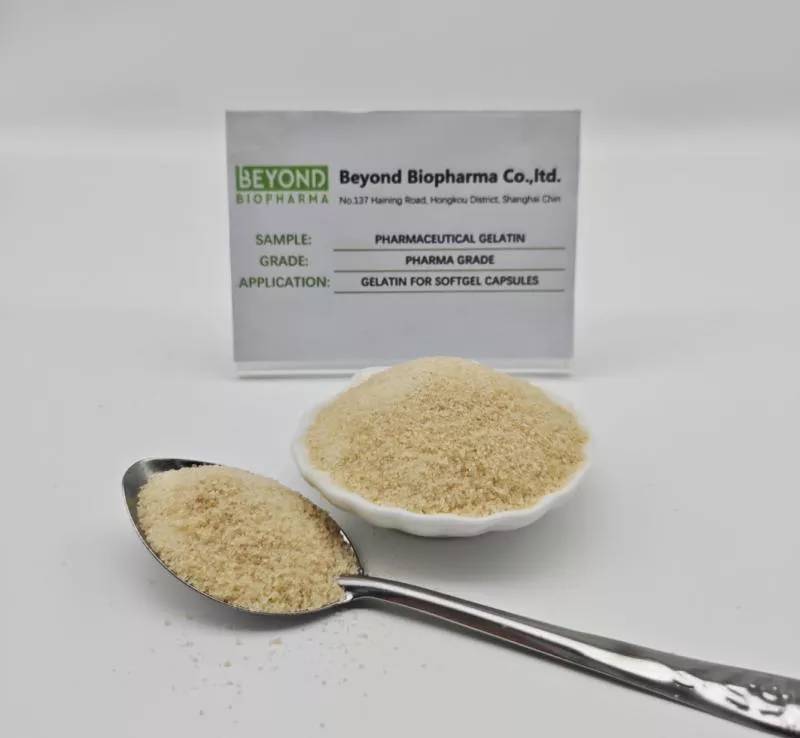
Softgel encapsulation demands a gelatin with unique physical attributes to perform optimally during the high-speed manufacturing process
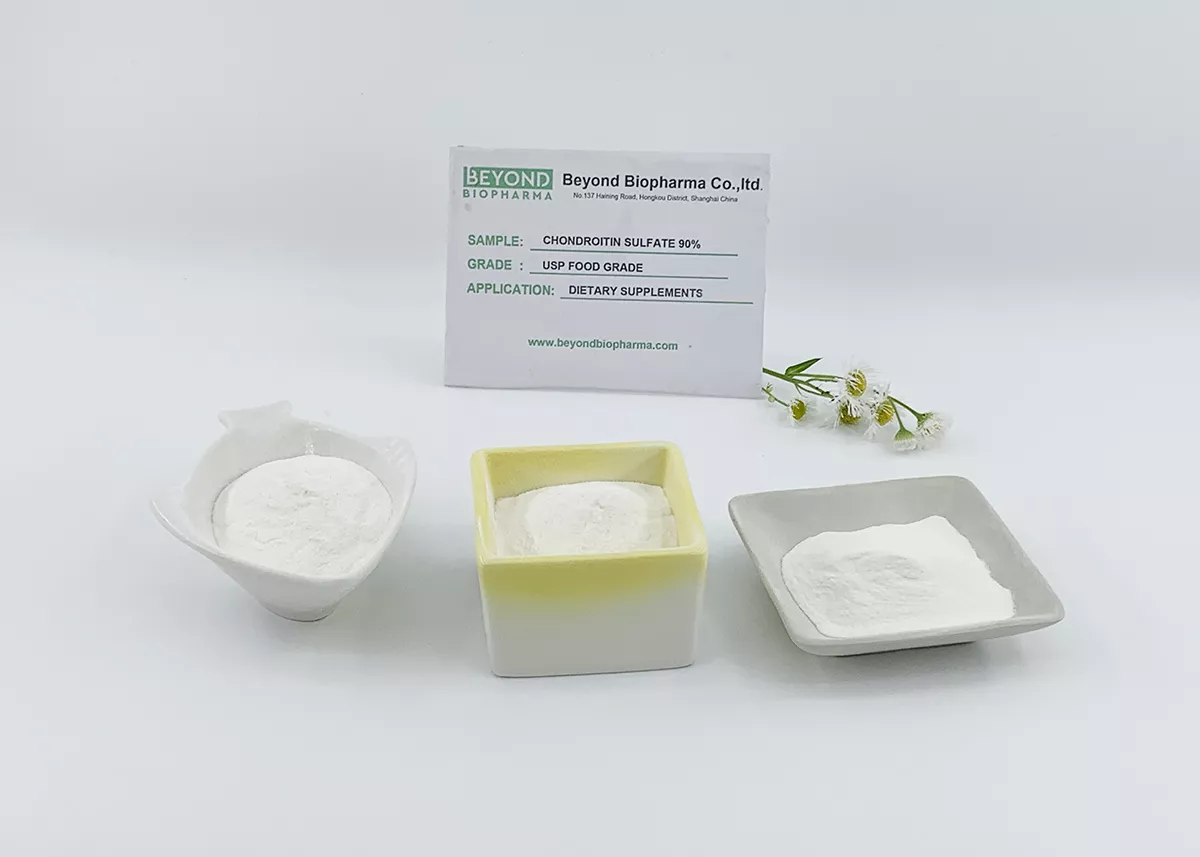
High Purity and Efficacy for Joint Health Formulations
20 years experiences, 5000 ton/year capacity, Sustained supply with stable quality
Tel:+86 21 65010906
Cell/Whatsapp/Wechat:
+86 13482884055
+86 18657345785
Email: sales@beyondbiopharma.com