English EN


Fish Gelatin vs Bovine and Pork Gelatin What Sets Them Apart
Fish gelatin differs from bovine and pork gelatin in melting point, texture, and dietary suitability, making it ideal for soft desserts and special diets.
More
Bovine gelatin is a natural protein derived from cow skin and bones, widely used in food, pharmaceuticals, and cosmetics. This article covers its definition, production process, key properties like bloom strength, and common applications. Whether you are a manufacturer or a curious consumer, understanding these facts helps you choose the right gelatin for your needs.
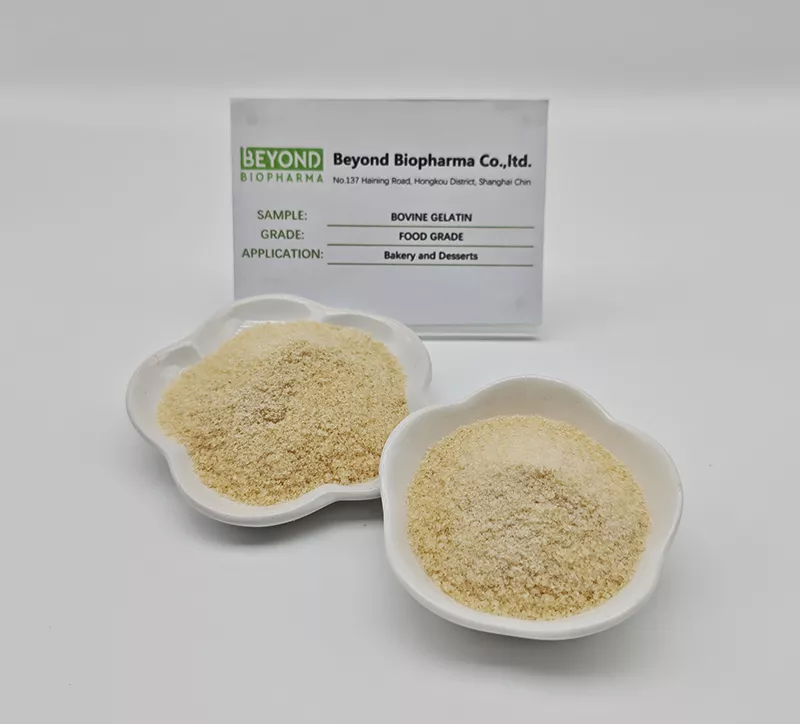
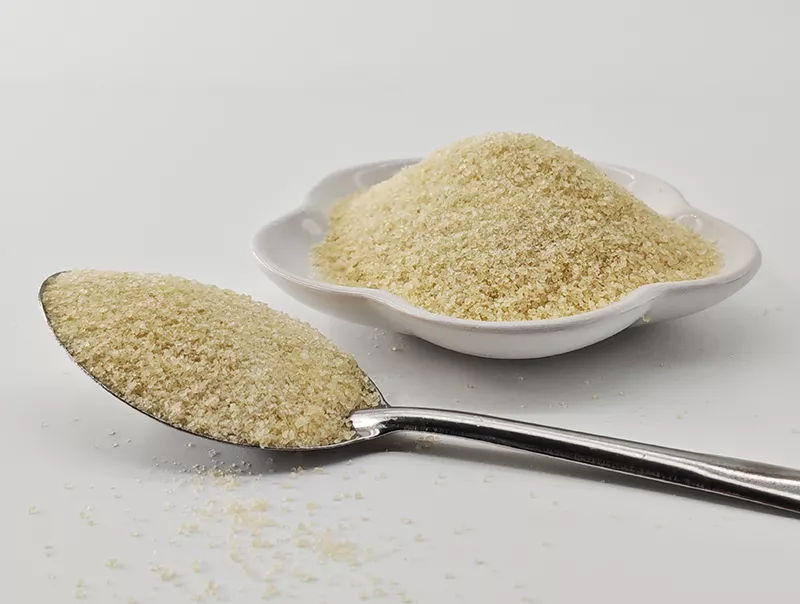
Bovine gelatin is a translucent, colorless, and flavorless protein obtained by partially hydrolyzing collagen from cow hides, bones, and connective tissues. It is a versatile ingredient that forms a gel when mixed with water and cooled. The process involves boiling animal parts in water to extract collagen, which is then dried and ground into a powder or sheet form.
One key characteristic of bovine gelatin is its bloom strength, which measures the firmness of the gel. Bloom values typically range from 50 to 300, with higher numbers indicating a stronger gel. For example, gelatin used in hard capsules often has a bloom of 250 or more, while softer gels for desserts may use a bloom around 150.
The production of bovine gelatin involves several steps: cleaning, acid or alkaline treatment, extraction, filtration, concentration, and drying. The raw materials are first washed to remove impurities, then treated with either acid (for Type A gelatin) or alkali (for Type B gelatin) to break down collagen bonds. Type A gelatin has an isoelectric point around pH 7 to 9, while Type B is around pH 4.7 to 5.4.
Quality is measured by parameters like viscosity, clarity, and microbial purity. High-quality bovine gelatin has a viscosity of 25 to 45 mPas at 6.67% concentration and 60°C, and a clarity of at least 95% transmission at 620 nm. It also meets strict standards for heavy metals, with lead content typically below 1 ppm.
Bovine gelatin is used in a wide range of industries. In food, it appears in gummy candies, marshmallows, yogurt, and gelatin desserts. In pharmaceuticals, it is a key component of hard and soft capsules, as well as a binder in tablets. The cosmetic industry uses it in face masks and anti-aging creams for its film-forming and moisturizing properties.
For example, high bloom gelatin for hard capsules requires a bloom of 250 to 300 to ensure capsule integrity. Similarly, ultra-high viscosity gelatin for softgel capsules provides the necessary flexibility and strength for encapsulating oils.
Bovine gelatin is a good source of protein, containing about 85 to 90% protein by dry weight. It is rich in amino acids like glycine, proline, and hydroxyproline, which support joint health, skin elasticity, and digestion. It is low in calories and fat, making it a popular ingredient in health supplements.
Safety is a top priority. Bovine gelatin is generally recognized as safe (GRAS) by the FDA when produced under good manufacturing practices. It is free from common allergens like gluten, soy, and dairy, but individuals with religious dietary restrictions may prefer alternatives like porcine or fish gelatin. For instance, food grade porcine gelatin used for gummies and jellies is a common substitute.
When selecting bovine gelatin, consider the bloom strength, particle size, and intended use. For gummy candies, a bloom of 200 to 250 works well. For clear broths or soups, a lower bloom of 100 to 150 is better. Always check the viscosity and clarity specifications to match your application.
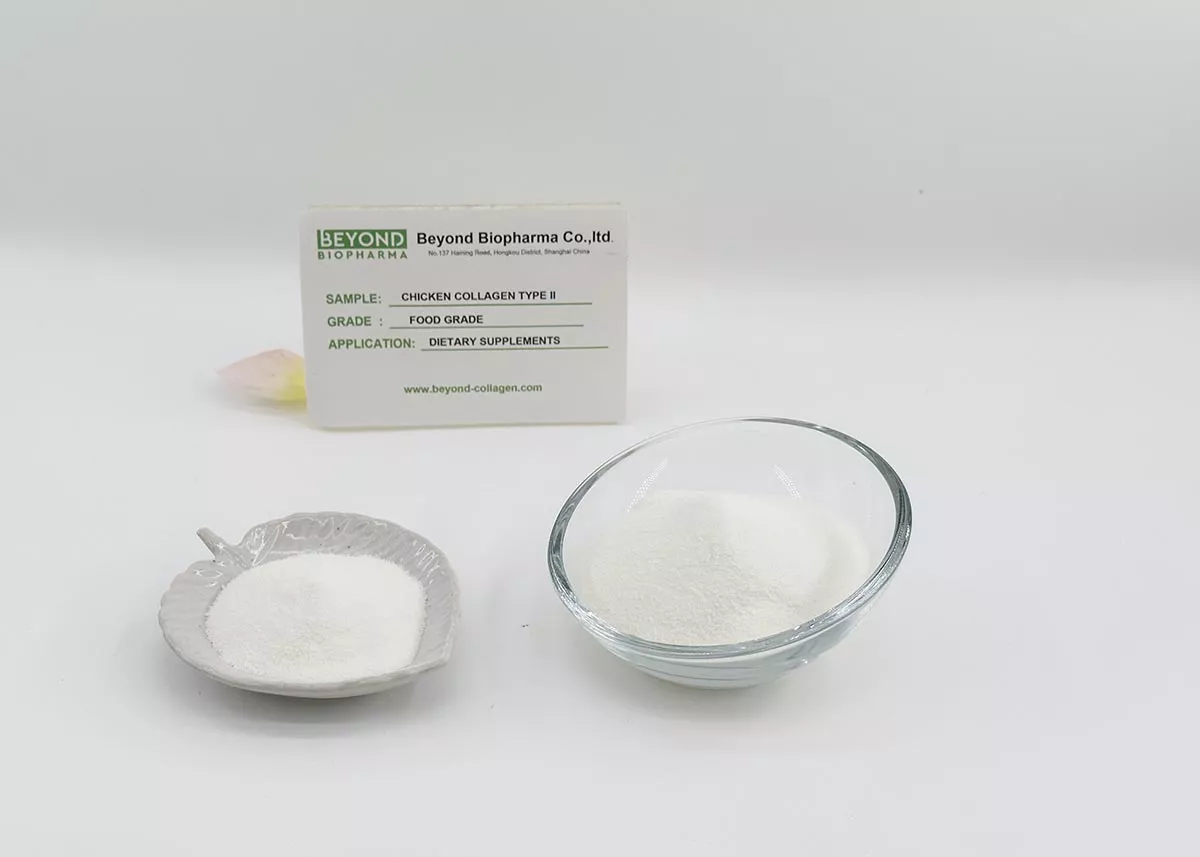
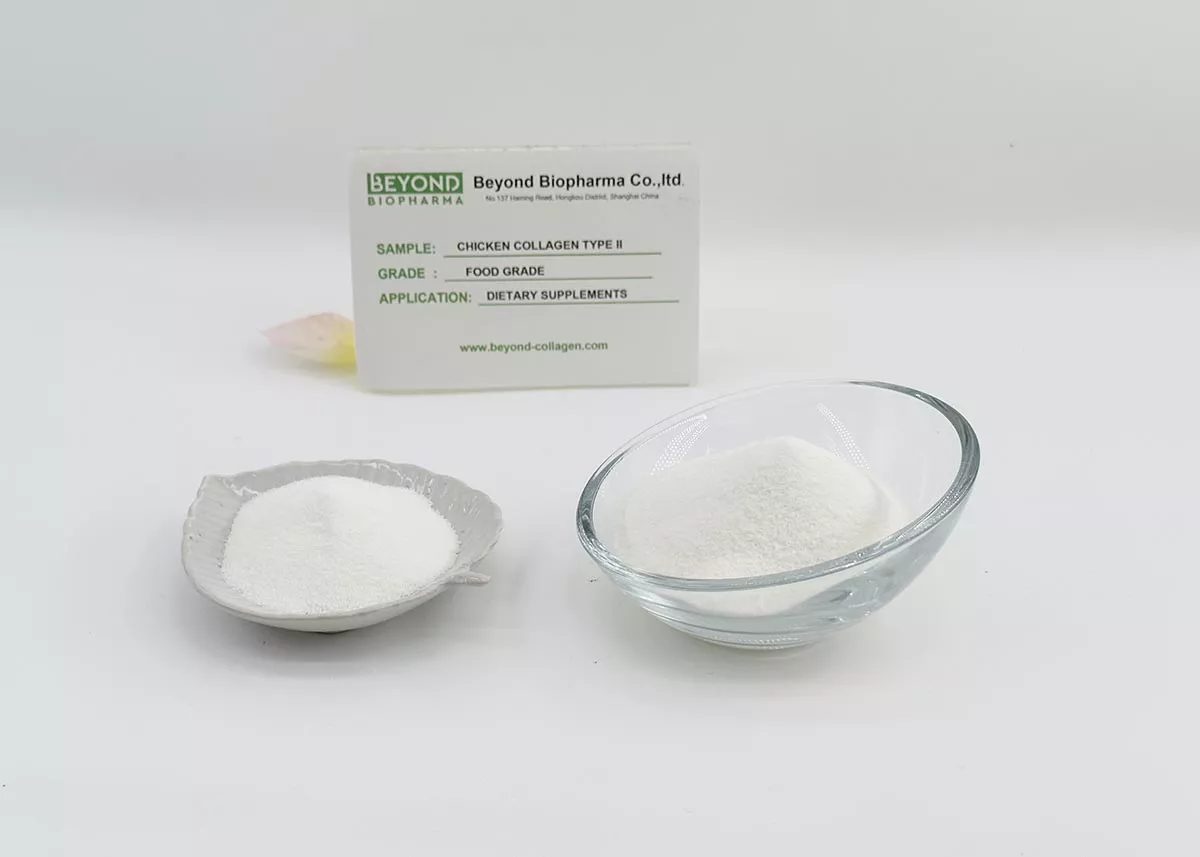
If you need a specialized product, explore options like bovine collagen peptide for energy bar products or hydrolyzed collagen type II powder for comprehensive joint support. These are tailored for specific health and functional benefits.
Store bovine gelatin in a cool, dry place away from direct sunlight and moisture. Properly sealed, it can last up to 24 months. Avoid temperatures above 30°C, as heat can degrade its gelling properties. Always check the manufacturer's expiration date and lot number for traceability.
For bulk storage, use airtight containers and monitor humidity levels below 60%. This prevents clumping and microbial growth, ensuring consistent performance in your recipes or formulations.


We provide you with comprehensive foreign trade solutions to help enterprises achieve global development
20 years experiences, 5000 ton/year capacity, Sustained supply with stable quality
The High-Performance Barrier for Core Material Protection and Controlled Release.
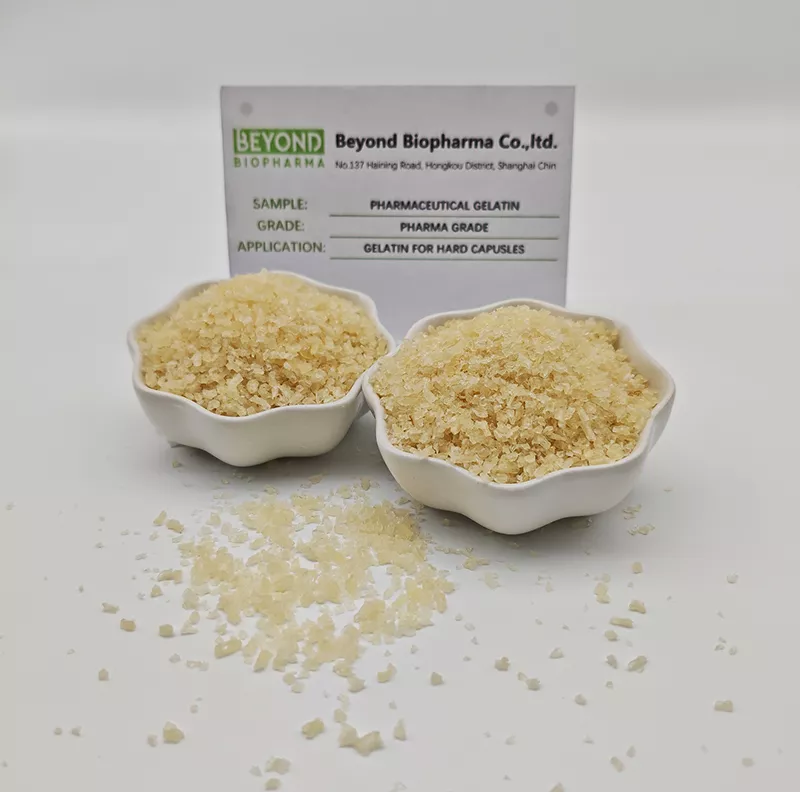
Precision, Purity, and Optimal Machinability
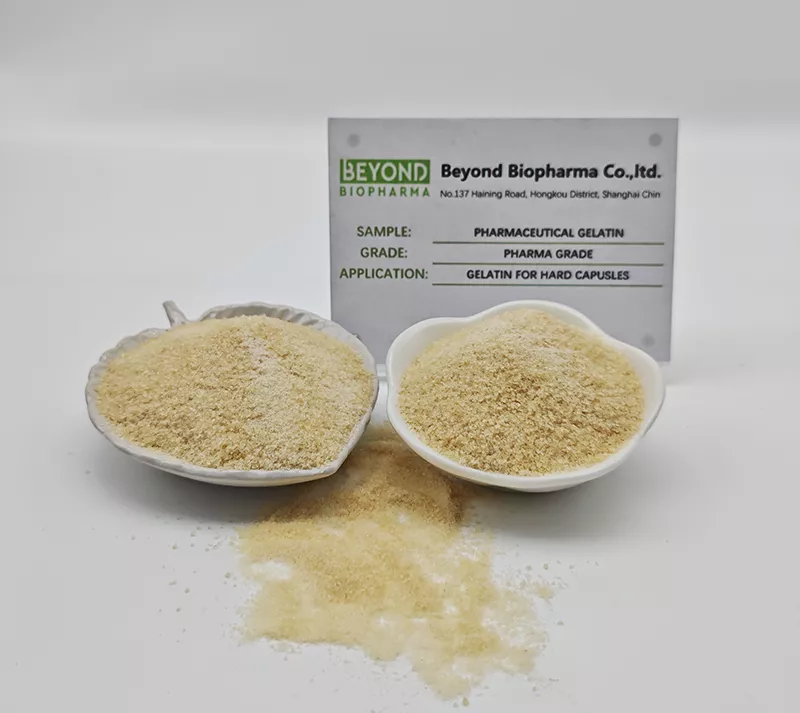
The high-strength and rapid-setting characteristics of Bovine Bone Gelatin ensure it forms a stable, uniform, and durable shell that preserves the integrity of the active pharmaceutical ingredient (API).
Tel:+86 21 65010906
Cell/Whatsapp/Wechat:
+86 13482884055
+86 18657345785
Email: sales@beyondbiopharma.com