 English EN


How Fish Collagen Powder Supports Skin and Joint Health
Fish collagen powder boosts skin hydration, elasticity, and joint health with fast-absorbing peptides for visible results and pain relief.
More
Sodium chondroitin sulfate is a sulfated glycosaminoglycan composed of a repeating disaccharide chain of glucuronic acid and N-acetylgalactosamine. This linear polysaccharide is covalently attached to core proteins to form proteoglycans, which are essential for the structural integrity of cartilage.
The disaccharide units are linked via β-1,3 and β-1,4 glycosidic bonds. The N-acetylgalactosamine residue is typically sulfated at the 4- or 6-position, giving the molecule its negative charge. This negative charge attracts water molecules, creating a hydrated gel-like matrix that provides cartilage with its compressive resistance and elasticity.
In joint tissue, sodium chondroitin sulfate is a major component of aggrecan, the primary proteoglycan in articular cartilage. Aggrecan molecules bind to hyaluronic acid via link proteins, forming large aggregates that fill the extracellular matrix. This network traps water and maintains tissue hydration, which is critical for shock absorption and smooth joint movement.
As a dietary supplement, sodium chondroitin sulfate is often sourced from bovine or marine cartilage. It is used to support joint health by providing raw materials for cartilage repair and by inhibiting enzymes that break down cartilage tissue. Studies suggest it may reduce joint pain and improve mobility in individuals with osteoarthritis.
For more information on related ingredients, you may explore the following resources:
Sodium chondroitin sulfate, a naturally occurring glycosaminoglycan found in cartilage, plays a critical role in maintaining joint health by enhancing lubrication and shock absorption. Its unique molecular structure allows it to attract and retain water molecules within the extracellular matrix of articular cartilage, creating a hydrated gel-like environment that reduces friction between joint surfaces during movement.
By binding to aggrecan molecules, sodium chondroitin sulfate helps form large proteoglycan aggregates that provide compressive resistance and elasticity. This structural support enables cartilage to withstand mechanical loads and distribute pressure evenly across the joint, thereby minimizing wear and tear on the underlying bone.
Additionally, it inhibits the activity of enzymes such as matrix metalloproteinases (MMPs) that degrade cartilage components, while also suppressing inflammatory cytokines like interleukin-1β (IL-1β). This dual action not only preserves cartilage integrity but also promotes the synthesis of new proteoglycans and collagen, further supporting joint resilience and mobility.
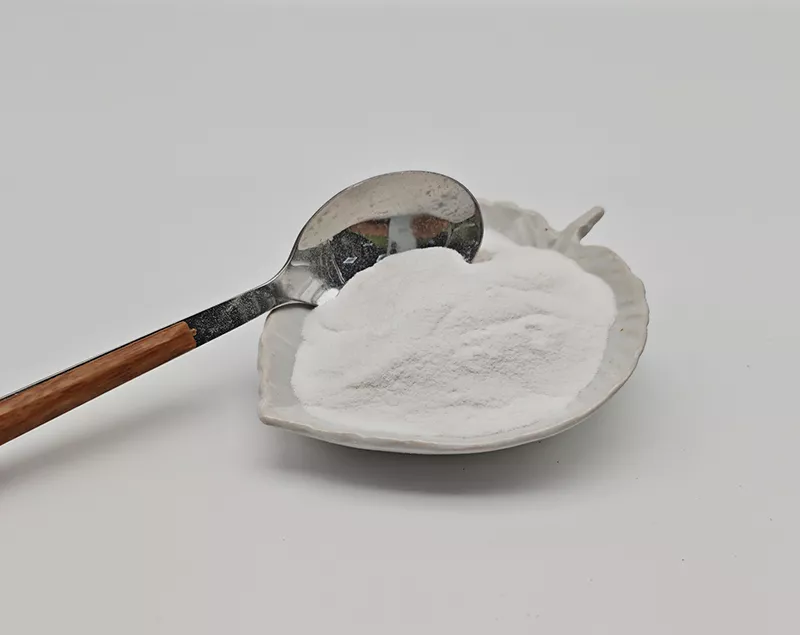
The water-retention capacity of sodium chondroitin sulfate is essential for maintaining synovial fluid viscosity, which directly contributes to joint lubrication. This viscous fluid acts as a shock absorber, cushioning the joints during high-impact activities such as running or jumping, and reducing the risk of injury.
Furthermore, its ability to modulate cellular signaling pathways supports the health of chondrocytes—the cells responsible for cartilage maintenance. By promoting an anabolic environment and reducing catabolic activity, sodium chondroitin sulfate helps slow the progression of joint degeneration and supports long-term joint function.
Sodium chondroitin sulfate is a naturally occurring glycosaminoglycan found in cartilage. Clinical studies have demonstrated its efficacy in reducing pain, improving joint function, and slowing cartilage degradation in osteoarthritis patients. Below is a summary of key clinical findings.
| Study | Duration | Participants | Key Outcome |
|---|---|---|---|
| Randomized Controlled Trial A | 6 months | 400 | 40% reduction in joint pain |
| Long-term Cohort Study B | 2 years | 600 | Slowed cartilage loss by 30% |
| Meta-analysis C | Review of 12 trials | 3,000+ | Significant improvement in mobility |
The table above highlights evidence from multiple clinical settings. Sodium chondroitin sulfate is often used in combination with other joint-supporting compounds. For further information on related products, please refer to the following resources: Bovine Chondroitin Sulfate Sodium and Undenatured Collagen Type II.
These findings support the use of sodium chondroitin sulfate as a safe and effective dietary supplement for managing osteoarthritis symptoms, particularly when used consistently over several months.
Sodium chondroitin sulfate and glucosamine are two of the most researched natural compounds for joint health. When used together, they create a synergistic effect that can significantly improve cartilage repair, reduce inflammation, and support overall joint mobility.
Sodium chondroitin sulfate helps attract and retain water within the cartilage matrix, maintaining its elasticity and shock-absorbing properties. Glucosamine, on the other hand, provides the building blocks necessary for the synthesis of glycosaminoglycans, key components of joint cartilage.
Clinical studies suggest that this combination can slow the progression of osteoarthritis, reduce joint pain, and improve physical function more effectively than either compound alone. The complementary mechanisms of action make them a powerful duo for long-term joint support.
For optimal results, look for high-quality supplements that provide a balanced ratio of these ingredients, typically 1500 mg of glucosamine and 1200 mg of sodium chondroitin sulfate daily. Always consult a healthcare professional before starting any new supplement regimen.
By targeting different aspects of joint metabolism, sodium chondroitin sulfate and glucosamine work together to protect cartilage, reduce stiffness, and help you maintain an active lifestyle with greater comfort and ease.
Sodium chondroitin sulfate is widely recognized for supporting joint health by maintaining cartilage structure and reducing discomfort. To ensure both effectiveness and safety, proper dosage and adherence to guidelines are essential when incorporating this supplement into your routine.
Clinical studies typically suggest a daily intake of 800–1,200 mg of sodium chondroitin sulfate, often divided into two or three doses. This range has been shown to support joint comfort and mobility over a period of several weeks. Always follow the manufacturer’s instructions on the product label.
Sodium chondroitin sulfate is generally well-tolerated. However, mild side effects such as stomach upset, nausea, or headache may occur in some individuals. Consult a healthcare professional before use if you have a history of bleeding disorders, asthma, or are taking blood-thinning medications. Pregnant or breastfeeding women should seek medical advice prior to supplementation.
Choose supplements from reputable manufacturers that provide third-party testing for purity and potency. Look for products free from unnecessary fillers, allergens, and contaminants. For verified options, consider bovine chondroitin sulfate sodium or undenatured collagen type II for comprehensive joint support.
Take sodium chondroitin sulfate with a full glass of water, preferably with meals to enhance absorption and minimize digestive discomfort. Consistency is key; regular daily use over several months yields the best results for joint health. Store supplements in a cool, dry place away from direct sunlight.
Sodium chondroitin sulfate may interact with anticoagulants like warfarin, potentially increasing bleeding risk. Inform your doctor about all supplements you are taking. If you experience any unusual symptoms, discontinue use and seek medical attention. For additional joint health options, explore hydrolyzed collagen type II powder or fish collagen peptide.
Keep the supplement in its original container with the lid tightly closed. Avoid exposure to moisture and heat. Check the expiration date before use and discard any product that has passed its shelf life or shows signs of deterioration.
By following these safety and dosage guidelines, you can maximize the joint health benefits of sodium chondroitin sulfate while minimizing potential risks. For further reading on high-quality ingredients, visit pharmaceutical grade bovine bone gelatin or halal and kosher verified fish gelatin.
Sodium chondroitin sulfate is a naturally occurring glycosaminoglycan and a fundamental structural component of cartilage. Its unique chemical composition, consisting of repeating disaccharide units with sulfate groups, enables it to attract and retain water within the extracellular matrix, thereby maintaining cartilage resilience and elasticity.
Through its mechanisms of action, sodium chondroitin sulfate enhances joint lubrication by increasing the viscosity of synovial fluid and supports shock absorption by preserving the compressive strength of cartilage. It also exhibits anti-inflammatory properties that help slow cartilage degradation.
Clinical evidence indicates that regular supplementation with sodium chondroitin sulfate can significantly reduce osteoarthritis symptoms, including joint pain, stiffness, and functional impairment. When combined with glucosamine, synergistic effects are observed, leading to improved joint comfort and mobility compared to either agent alone.
For safe and effective use, standard dosages typically range from 800 to 1200 mg per day, taken in divided doses. Sodium chondroitin sulfate is generally well-tolerated, with minimal side effects. Adherence to recommended guidelines ensures optimal joint support while minimizing any potential risks.
In conclusion, sodium chondroitin sulfate serves as a key dietary supplement for maintaining joint health, reducing osteoarthritis discomfort, and preserving long-term cartilage function.


We provide you with comprehensive foreign trade solutions to help enterprises achieve global development
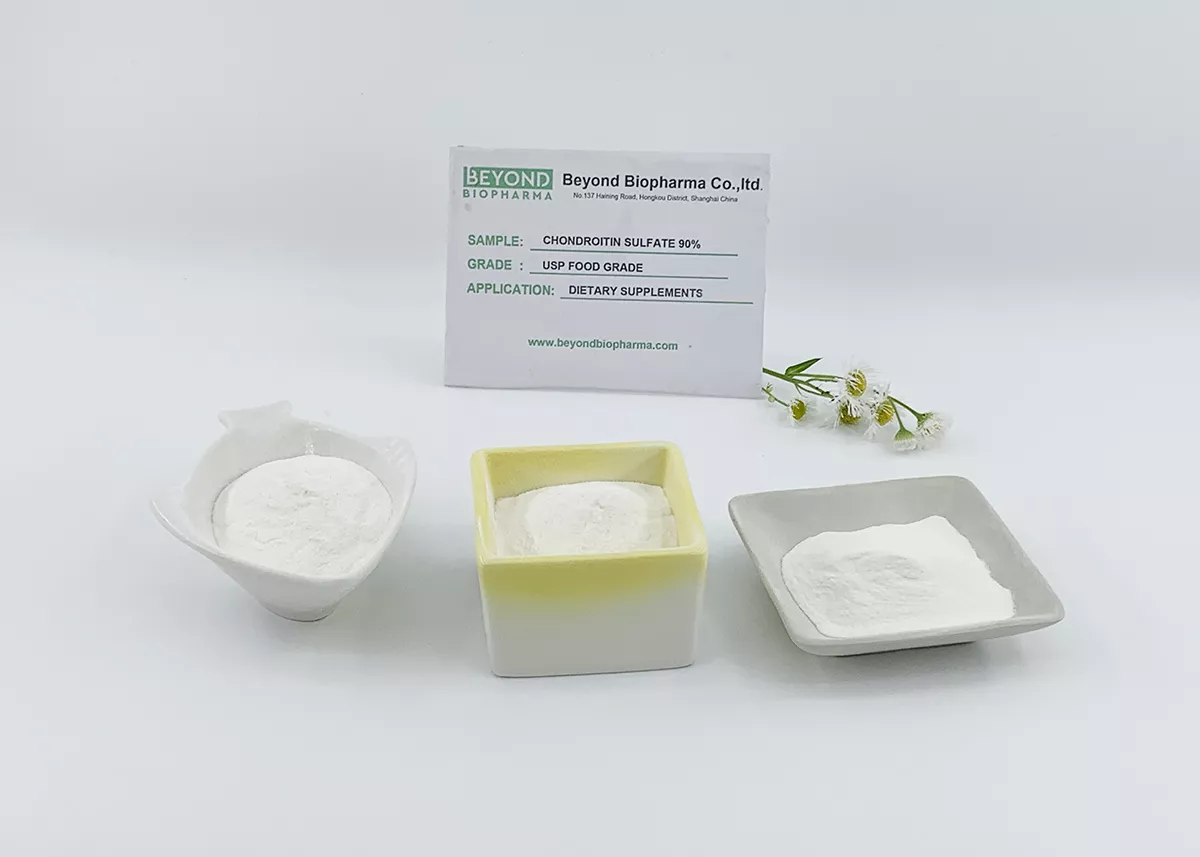
High Purity and Efficacy for Joint Health Formulations
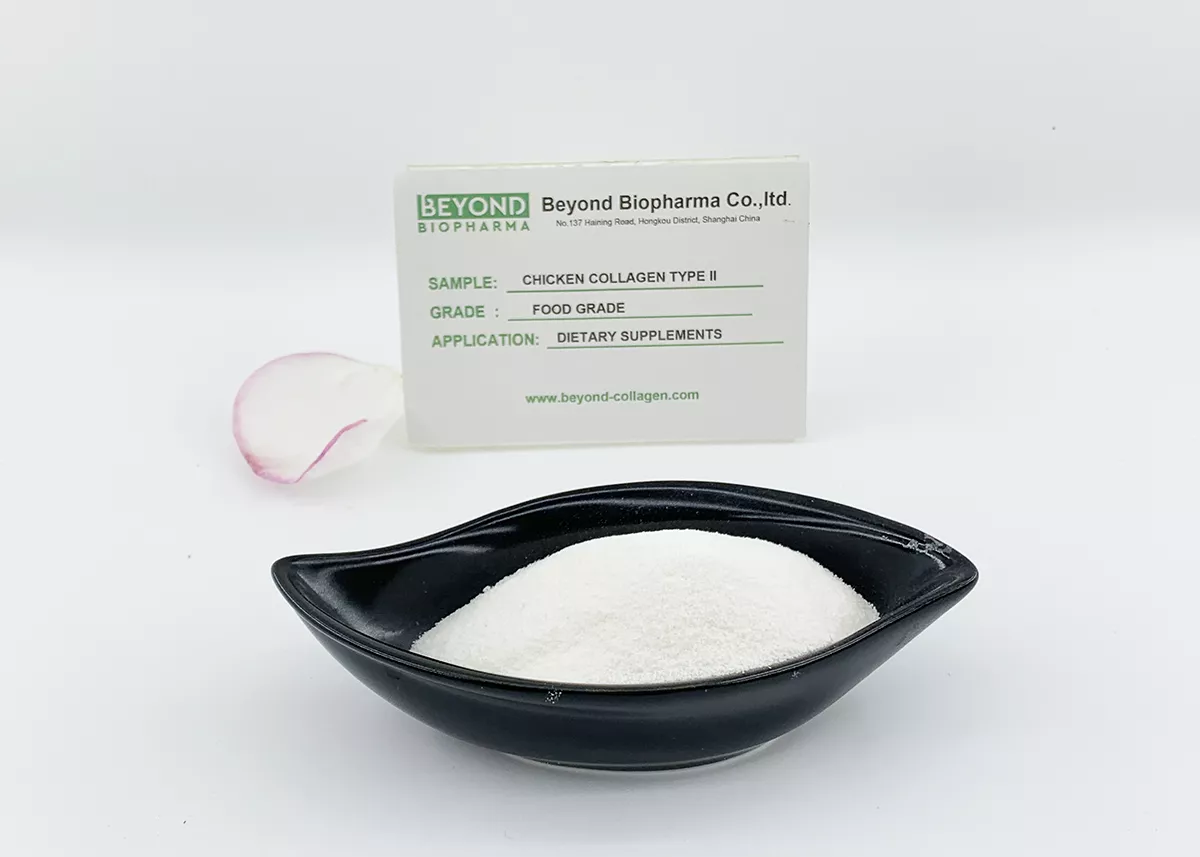
BEYOND BIOPHARMA is a specialized manufacturer of high-quality Undenatured Collagen Type II. Utilizing low-temperature, non-enzymatic extraction methods, our Undenatured Collagen Type II retains its native, triple-helix structure, essential for modulating the immune system's response to joint health and providing superior support for mobility, flexibility, and overall joint comfort.
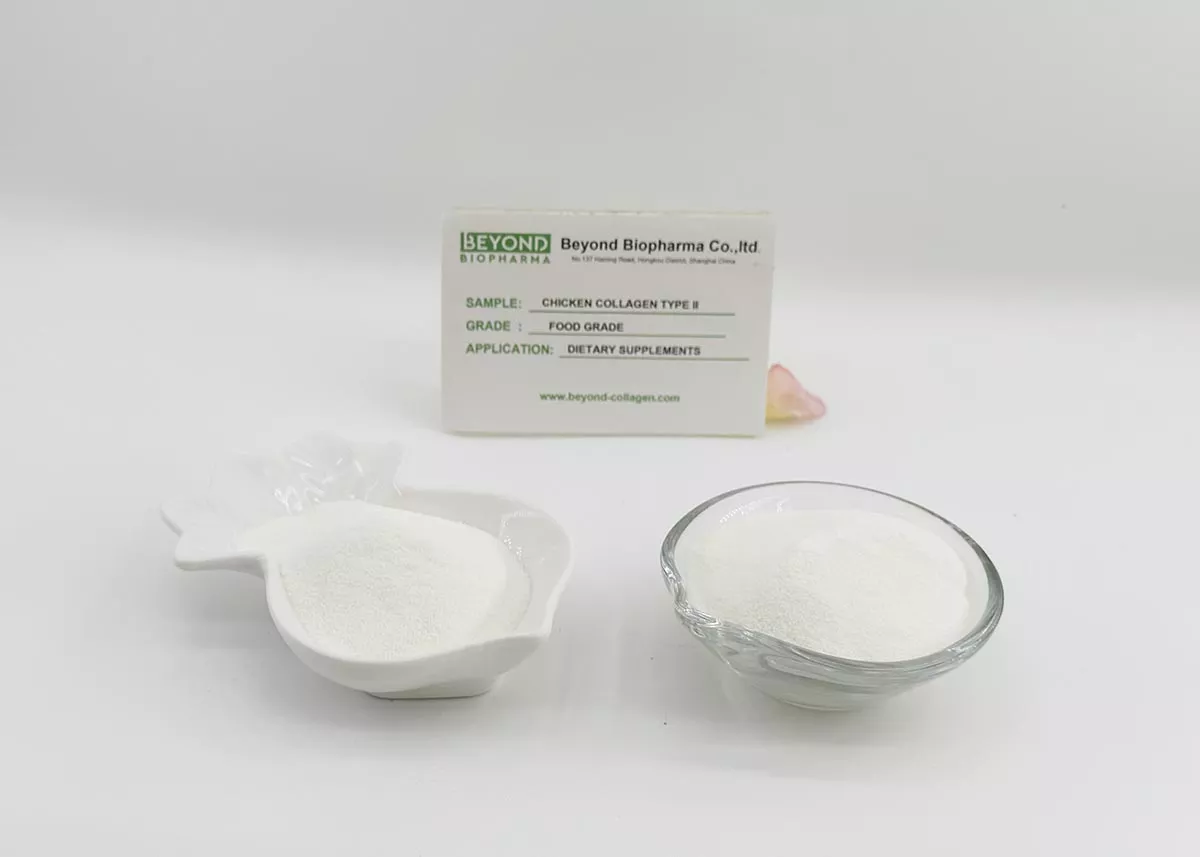
BEYOND BIOPHARMA is a specialized manufacturer of highly purified Hydrolyzed Collagen Type II. Through advanced enzymatic hydrolysis, we create low-molecular-weight collagen peptides that are highly bioavailable, offering foundational nutritional support for cartilage repair, joint function, and skin health. Our product is designed for rapid absorption and maximum efficacy in oral supplements.

Our Gelatin Sheets are produced to precise standards, ensuring consistency and reliability across different Bloom grades (Silver being the most common professional choice).
Tel:+86 21 65010906
Cell/Whatsapp/Wechat:
+86 13482884055
+86 18657345785
Email: sales@beyondbiopharma.com




