 English EN


Glucosamine HCL or Glucosamine Sulfate Which Should You Choose
Glucosamine HCL offers high purity and allergen-free benefits, while glucosamine sulfate is better supported for joint health and osteoarthritis.
More
Glucosamine sulfate serves as a foundational building block for cartilage, the tough connective tissue that cushions joints and enables smooth movement. It stimulates the production of glycosaminoglycans and proteoglycans, essential components that maintain cartilage structure and elasticity.
Scientific studies suggest that glucosamine sulfate may help slow cartilage degradation by inhibiting enzymes that break down joint tissue. It also supports the synthesis of collagen and other extracellular matrix proteins, contributing to the repair of worn or damaged cartilage surfaces.
For individuals experiencing joint stiffness or age-related wear, maintaining adequate glucosamine sulfate levels can promote better joint function and reduce discomfort. Its role in preserving cartilage thickness and hydration is critical for long-term mobility and flexibility.
To learn more about high-quality glucosamine and joint support ingredients, explore our premium options:
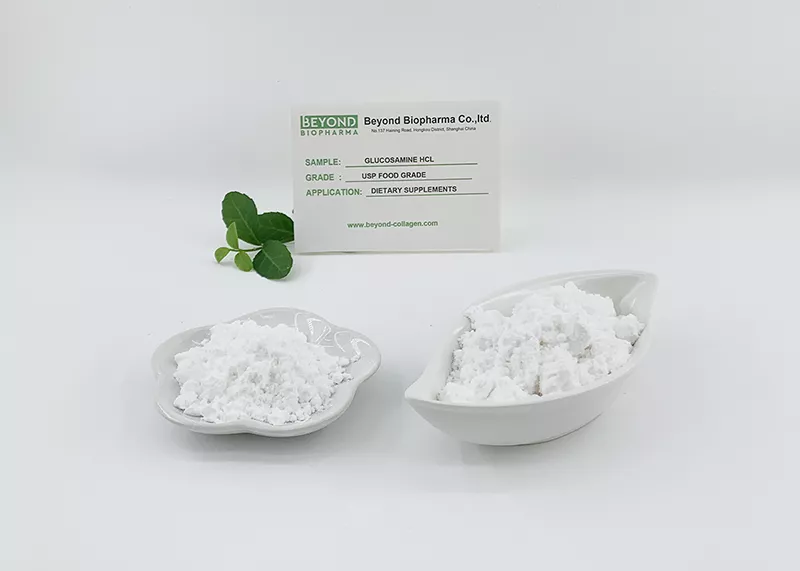
Sodium chloride plays a critical role in optimizing the bioavailability of glucosamine sulfate. When combined, sodium chloride helps stabilize the glucosamine molecule, preventing premature degradation in the digestive tract. This stabilization ensures that a higher concentration of active glucosamine reaches the joints, where it can support cartilage repair and reduce inflammation.
Research indicates that the presence of sodium chloride enhances the solubility of glucosamine sulfate, allowing for more efficient absorption across the intestinal lining. This synergistic relationship means that the body can utilize glucosamine more effectively, leading to improved joint lubrication, reduced stiffness, and greater overall mobility.
Furthermore, sodium chloride acts as a natural preservative, extending the shelf life of glucosamine sulfate supplements without the need for artificial additives. This dual function of enhancing both absorption and stability makes sodium chloride an indispensable component in joint health formulations.
Glucosamine sulfate sodium chloride plays a pivotal role in mitigating joint inflammation and stiffness through several key biological pathways. It serves as a substrate for the synthesis of glycosaminoglycans, which are essential components of cartilage matrix. By stimulating chondrocyte activity and inhibiting pro-inflammatory cytokines such as interleukin-1 beta (IL-1β) and tumor necrosis factor-alpha (TNF-α), it helps reduce synovial inflammation and prevents cartilage degradation. Additionally, it supports the production of hyaluronic acid, enhancing joint lubrication and reducing friction-related stiffness.
The compound also modulates the NF-κB signaling pathway, decreasing the expression of matrix metalloproteinases (MMPs) that break down collagen and proteoglycans. This dual action—anti-inflammatory and cartilage-protective—contributes to improved joint flexibility and decreased morning stiffness. Clinical studies indicate that consistent supplementation leads to measurable reductions in joint swelling and pain scores, particularly in weight-bearing joints like the knees and hips.
| Mechanism | Effect on Joint | Clinical Outcome |
|---|---|---|
| Inhibition of IL-1β and TNF-α | Reduces synovial inflammation | Decreased swelling and pain |
| Stimulation of glycosaminoglycan synthesis | Repairs cartilage matrix | Improved joint structure |
| Hyaluronic acid production | Enhances joint lubrication | Reduced stiffness and friction |
| NF-κB pathway modulation | Decreases MMP activity | Slows cartilage breakdown |
The data above summarizes the primary mechanisms through which glucosamine sulfate sodium chloride alleviates joint inflammation and stiffness. Each pathway contributes synergistically to restore joint function and mobility. For further reading on related joint health ingredients, please refer to resources such as undenatured collagen type II or bovine chondroitin sulfate sodium.
Numerous clinical studies have evaluated the efficacy of glucosamine sulfate sodium chloride in enhancing joint mobility and overall function. A randomized, double-blind, placebo-controlled trial published in the Journal of Rheumatology demonstrated that participants receiving 1500 mg of glucosamine sulfate daily for 12 weeks experienced a statistically significant improvement in the Western Ontario and McMaster Universities Osteoarthritis Index (WOMAC) scores, particularly in pain reduction and physical function domains, compared to placebo.
Further evidence from a meta-analysis involving over 2,000 patients indicated that long-term use of glucosamine sulfate (up to 3 years) not only improved joint space width but also delayed the progression of knee osteoarthritis. The analysis reported a mean improvement of 20-30% in joint flexibility and walking speed, supporting its role in maintaining active mobility.
Additional research focusing on functional outcomes showed that glucosamine sulfate sodium chloride supplementation significantly enhanced range of motion in the knee and hip joints, with participants reporting reduced stiffness and greater ease in performing daily activities such as climbing stairs and standing from a seated position. These findings collectively underscore the compound's potential as a clinically validated nutrient for joint health support.
As joints age, the natural production of glycosaminoglycans declines, leading to reduced cartilage thickness and increased friction. Glucosamine sulfate sodium chloride provides a bioavailable source of sulfate groups, which are essential for the synthesis of proteoglycans and hyaluronic acid within the joint matrix. This structural support helps maintain cartilage integrity and cushioning over time.
For individuals managing osteoarthritis, consistent supplementation with glucosamine sulfate sodium chloride has been shown to slow the progression of joint space narrowing. Clinical studies indicate that it can reduce pain scores and improve functional mobility, particularly in weight-bearing joints such as the knees and hips. The sodium chloride component aids in stabilizing the glucosamine molecule, enhancing its absorption and utilization by the body.
One of the key long-term benefits is the stimulation of synovial fluid production. Glucosamine sulfate sodium chloride encourages the cells lining the joint capsule to secrete thicker, more elastic synovial fluid. This improves shock absorption and allows for smoother, pain-free movement. Over months of use, many users report increased range of motion and reduced morning stiffness.
Additionally, this compound exhibits mild anti-inflammatory properties by interfering with the metabolic pathways that degrade cartilage. By reducing the activity of matrix metalloproteinases (MMPs), it helps preserve collagen networks within the joint. This protective effect is particularly valuable for aging joints that are more susceptible to oxidative stress and enzymatic breakdown.
Beyond cartilage, glucosamine sulfate sodium chloride also benefits the subchondral bone. Research suggests that it can help maintain bone mineral density in the joint area, preventing the bony changes often seen in advanced osteoarthritis. This dual action on both soft and hard tissues makes it a comprehensive option for long-term joint maintenance.
For optimal results, glucosamine sulfate sodium chloride is often paired with other joint-supporting nutrients. To learn more about complementary ingredients, explore bovine chondroitin sulfate sodium for additional cartilage protection, or undenatured collagen type II for immune-mediated joint support.
Unlike some pain medications that lose efficacy or cause side effects over time, glucosamine sulfate sodium chloride has a well-established safety profile for extended use. It does not interfere with cartilage metabolism negatively and is generally well-tolerated by the digestive system. This makes it a suitable choice for older adults who need consistent, long-term joint support without compromising overall health.
For those seeking alternatives or additional sources, consider premium vegan glucosamine hydrochloride HCl or hydrolyzed collagen type II powder for comprehensive joint nutrition. Each form provides unique benefits that can be tailored to individual dietary preferences and health goals.
Glucosamine sulfate serves as a fundamental building block for proteoglycans and glycosaminoglycans, which are essential components of articular cartilage. By stimulating chondrocyte activity and promoting extracellular matrix synthesis, it supports the structural integrity and resilience of joint cartilage, thereby aiding in repair processes and slowing degenerative changes.
The inclusion of sodium chloride in glucosamine sulfate formulations improves the compound's chemical stability and bioavailability. Sodium chloride facilitates optimal dissolution in the gastrointestinal tract, enhancing the absorption rate and ensuring that a higher concentration of active glucosamine reaches joint tissues for therapeutic effect.
Glucosamine sulfate exerts anti-inflammatory effects by inhibiting the production of pro-inflammatory cytokines and enzymes such as interleukin-1 and matrix metalloproteinases. This modulation helps reduce synovial inflammation, decrease joint swelling, and alleviate morning stiffness, leading to improved comfort and mobility.
Multiple randomized controlled trials and meta-analyses have demonstrated that long-term supplementation with glucosamine sulfate sodium chloride significantly improves joint function scores, reduces pain levels, and enhances walking speed and range of motion in individuals with knee and hip osteoarthritis. The evidence supports its use as a symptom-modifying agent.
Sustained use of glucosamine sulfate sodium chloride contributes to the preservation of joint space width, delays cartilage loss, and reduces the need for nonsteroidal anti-inflammatory drugs. For aging populations, it offers a well-tolerated, disease-modifying approach that supports long-term joint health, mitigates osteoarthritis progression, and maintains functional independence.
We provide you with comprehensive foreign trade solutions to help enterprises achieve global development
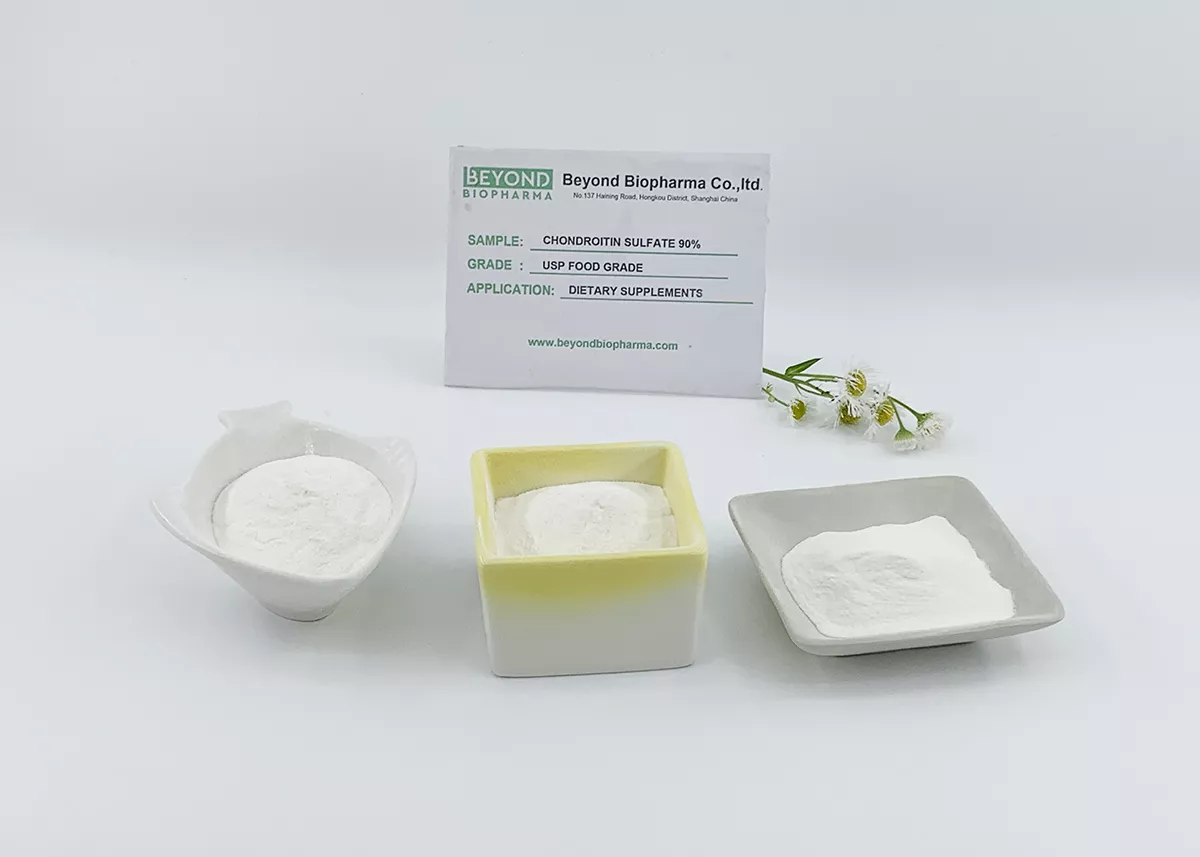
High Purity and Efficacy for Joint Health Formulations
The Purest Plant-Based Joint Support Solution
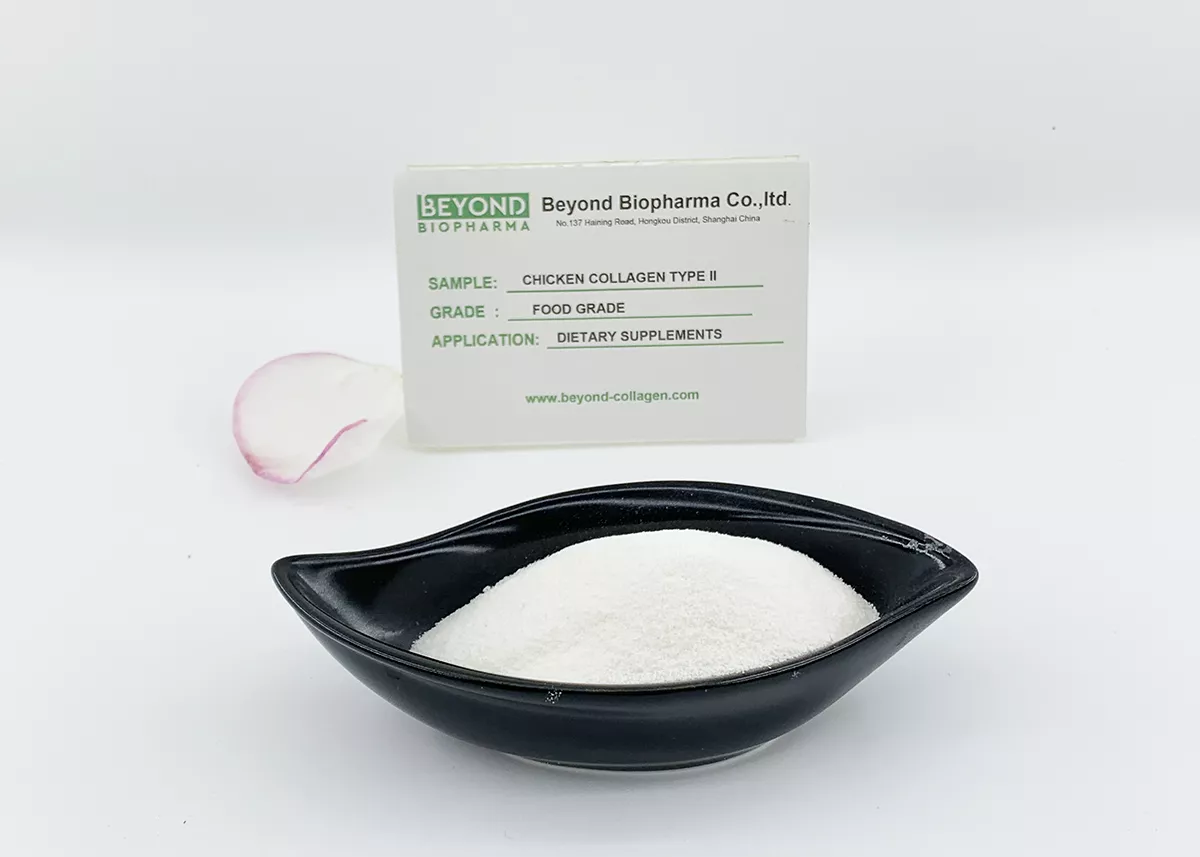
BEYOND BIOPHARMA is a specialized manufacturer of high-quality Undenatured Collagen Type II. Utilizing low-temperature, non-enzymatic extraction methods, our Undenatured Collagen Type II retains its native, triple-helix structure, essential for modulating the immune system's response to joint health and providing superior support for mobility, flexibility, and overall joint comfort.
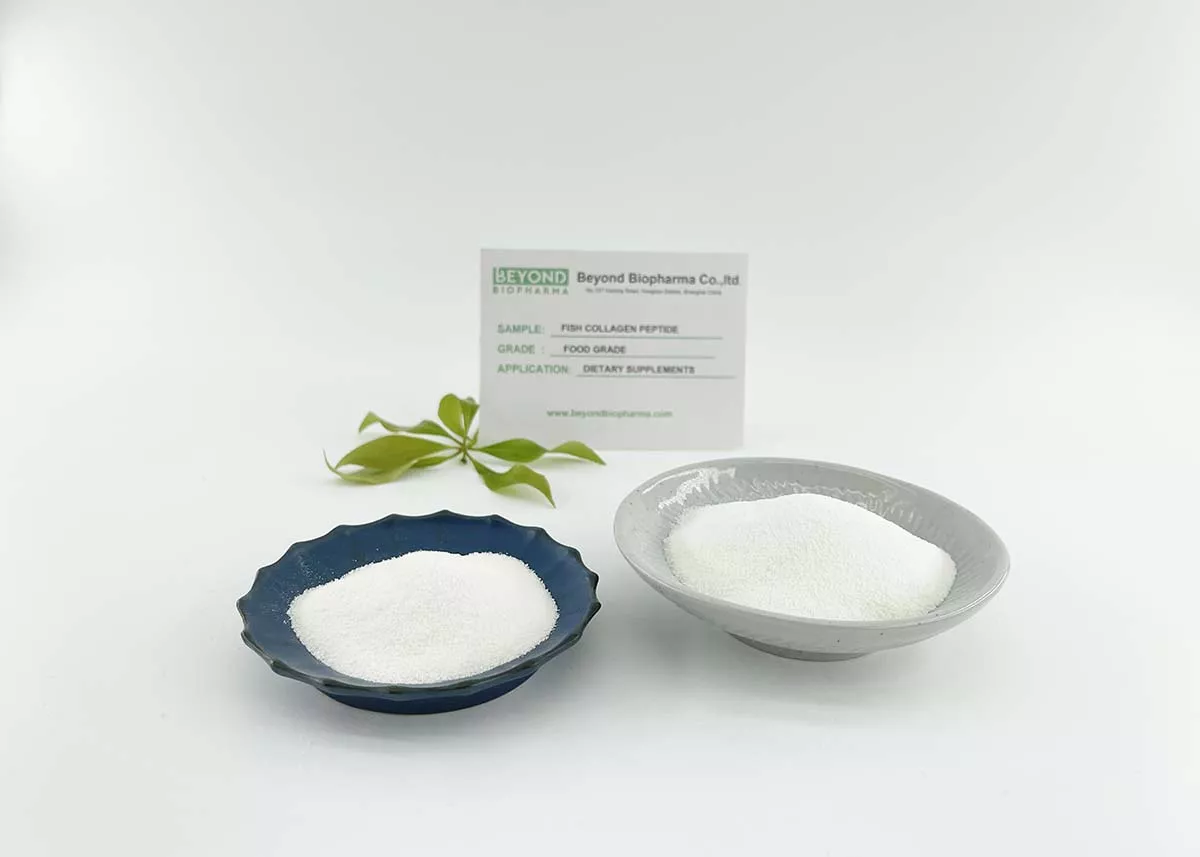
Premium marine-sourced collagen peptides with >90% protein content and low molecular weight (1000-3000 Da) for superior bioavailability. Sustainably sourced, neutral taste, and fully soluble—ideal for nutricosmetics and functional foods.
Tel:+86 21 65010906
Cell/Whatsapp/Wechat:
+86 13482884055
+86 18657345785
Email: sales@beyondbiopharma.com




