English EN


How to Use Gelatin Powder? Applications of Gelatin Powder
Use gelatin powder by blooming it in cold water, dissolving gently, and adding to recipes for perfect texture in desserts, sauces, and supplements.
More
Adding gelatin powder to your drinks is a simple way to create richer textures and improved mouthfeel. Whether you are making a morning smoothie or an evening cocktail, a small amount of unflavored gelatin can elevate the experience without altering the taste.
For a thicker, creamier smoothie, dissolve one teaspoon of gelatin powder in a small amount of warm water before blending with your fruits and liquids. This technique works well with both dairy and plant-based milks, giving your drink a satisfying consistency that lasts longer without separating.
Learn about food-grade gelatin for smoothiesGelatin powder can also be used to create silky, full-bodied cocktails. Simply bloom the gelatin in cold water, then gently warm it to dissolve before mixing into your drink base. This method is ideal for clarified milk punches, rich sours, or any cocktail that benefits from a velvety finish.
Explore high bloom gelatin for beveragesAlways dissolve gelatin completely to avoid lumps. Use warm liquid (not boiling) for best dispersion. Start with half a teaspoon per serving and adjust to your preferred thickness. For cold beverages, prepare a gelatin concentrate first and let it cool before mixing.
Discover halal and kosher gelatin optionsGelatin pairs well with fruit purees, syrups, and citrus juices. It can also be combined with collagen or hyaluronic acid powders for added functional benefits. Experiment with different ratios to find your ideal texture, from a light thickening to a spoonable consistency.
Check food grade hyaluronic acid powder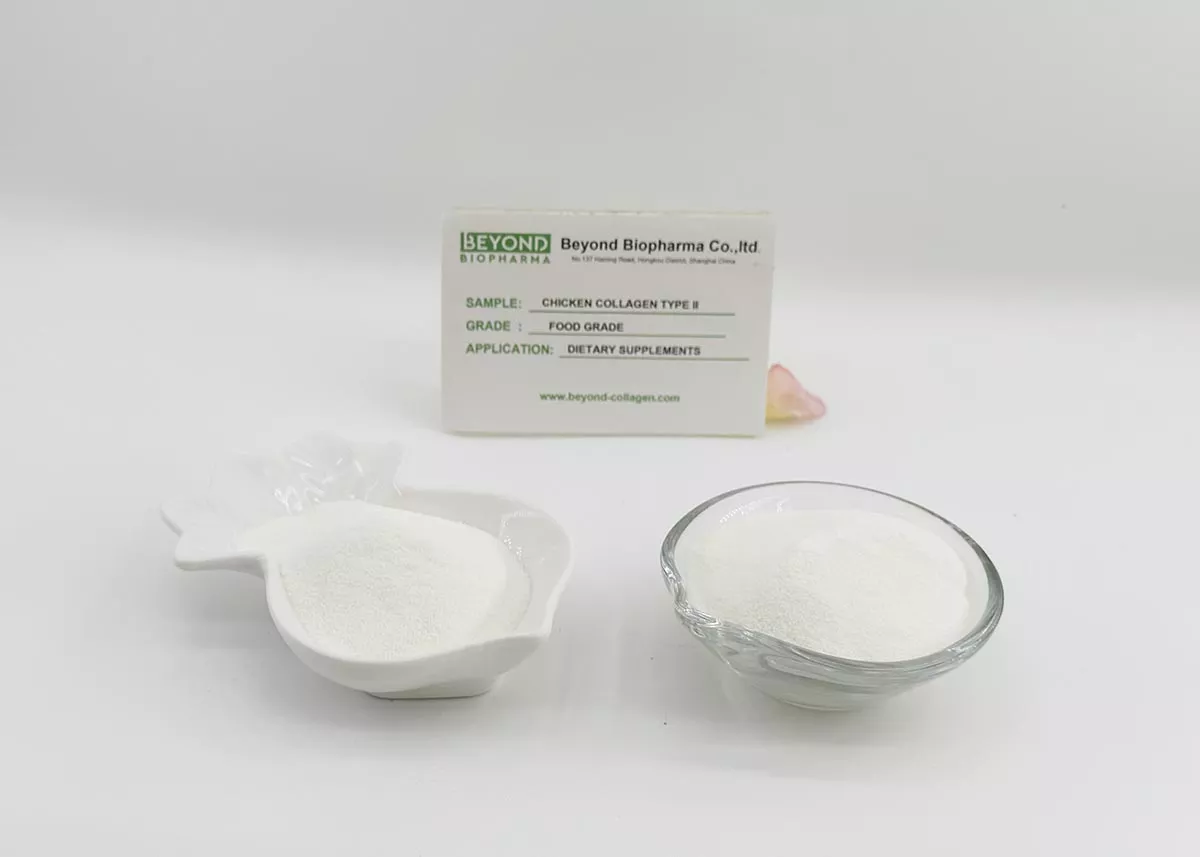
Transform simple desserts into elegant showstoppers by mastering the art of layering. Gelatin powder provides the perfect structure for distinct, clean layers in panna cottas and mousses, allowing you to combine flavors and textures with precision.
Gelatin powder acts as a reliable stabilizer, ensuring each layer sets firmly before the next is added. This prevents mixing and creates a beautiful, professional presentation. Its neutral flavor allows the colors and tastes of your ingredients to shine.
1. Prepare your first layer mixture with bloomed gelatin and pour it into your molds. Chill until set but not fully firm, about 30-45 minutes.
2. While the first layer chills, prepare the second mixture. Ensure it is at room temperature or slightly cool, not warm, to avoid melting the set layer.
3. Gently pour the second layer over the back of a spoon onto the first layer to minimize disturbance. Return to the refrigerator to set completely.
4. Repeat for additional layers. For mousses, fold in whipped cream or egg whites gently to maintain a light, airy texture.
Experiment with layers of vanilla panna cotta, berry mousse, and chocolate ganache. The stability provided by gelatin ensures each layer remains distinct, offering a delightful contrast in every spoonful.
Learn more about using gelatin in dessertsGelatin powder is not only for desserts. Its unique gelling and stabilizing properties make it an excellent ingredient for savory cooking. From glossy meat glazes to elegant terrines and clarified broths, gelatin adds texture, body, and a professional finish to your dishes.
| Application | Gelatin Type | Suggested Ratio | Key Benefit |
|---|---|---|---|
| Meat Glazes | High Bloom Gelatin | 1 tbsp per 1 cup liquid | Shiny, clingy coating |
| Terrines & Pâtés | Plain Gelatin Powder | 2 tsp per 1 cup stock | Firm, sliceable texture |
| Broths & Consommés | Hydrolyzed Gelatin | 1.5 tsp per 1 cup broth | Clear, rich body |
| Sauces & Gravies | Low Bloom Gelatin | 1 tsp per 1 cup sauce | Smooth, glossy finish |
Recommended usage based on standard culinary ratios. Adjust according to desired firmness and recipe volume.
Adding gelatin to glazes gives meats and vegetables a brilliant, mirror-like sheen. Dissolve gelatin in warm stock or juice, then brush over roasted meats or grilled vegetables. The gelatin sets into a thin, flavorful layer that enhances presentation and taste.
For best results, use a high-bloom gelatin powder. Apply the glaze in thin coats, allowing each layer to set briefly before adding the next. This technique works beautifully on ham, chicken, and root vegetables.
Gelatin is essential for creating firm, sliceable terrines and classic aspics. Bloom the gelatin in cold water, then dissolve it into warm seasoned stock. Layer with cooked meats, vegetables, or seafood, then chill until set. The gelatin binds ingredients together while adding a delicate, savory jelly.
Experiment with herbs, spices, and wine in the liquid base to complement the main ingredients. A well-made terrine is an impressive centerpiece for any meal.
Gelatin enriches broths and consommés with a silky mouthfeel and subtle body. For a clear consommé, use hydrolyzed gelatin which dissolves completely without clouding. Stir into hot broth until fully incorporated, then simmer gently. The result is a nourishing, restaurant-quality soup base.
This technique is also ideal for homemade bone broths, giving them extra depth and a satisfying texture. Adjust gelatin quantity based on desired viscosity.
Explore premium gelatin powders for savory cooking: High Bloom Gelatin | Pharmaceutical Gelatin | Food Grade Porcine Gelatin
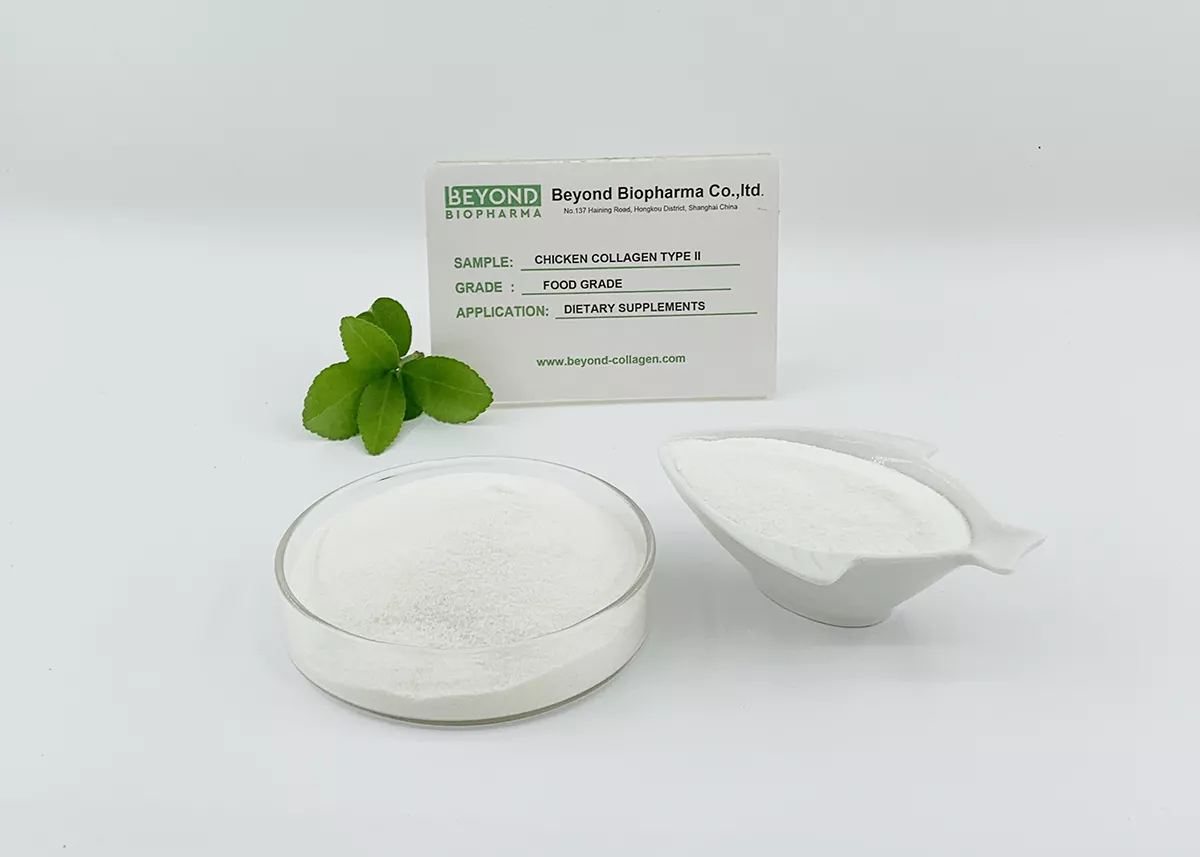
Whipped cream and buttercream frostings often lose their structure over time, especially in warm environments. Gelatin powder acts as a powerful stabilizer, helping these airy mixtures hold their shape for hours.
To use, bloom one teaspoon of gelatin powder in two tablespoons of cold water for 5 minutes. Gently warm the mixture until the gelatin dissolves completely, then let it cool slightly. While whipping your cream or frosting, slowly drizzle in the cooled gelatin liquid. Continue whipping until soft or stiff peaks form.
This technique works beautifully for piping decorations, layered cakes, and cream-filled pastries. The gelatin adds no flavor but provides a reliable structure that resists weeping and collapsing. Your desserts will maintain a professional appearance even after refrigeration or brief time at room temperature.
For best results, use high-quality gelatin powder and avoid over-whipping once the stabilizer is added. This simple addition transforms ordinary whipped toppings into stable, long-lasting creations.
Creating your own fruit gummies and jelly candies at home is a rewarding way to control ingredients and experiment with unique taste combinations. The process relies on the proper activation and setting of gelatin to achieve that perfect chewy yet tender texture.
Start by selecting a high-quality gelatin powder, such as food-grade porcine gelatin, which provides excellent clarity and a neutral base for flavoring. For a clean-label alternative, consider halal and kosher verified fish gelatin that works seamlessly in fruit-based recipes.
Combine 1/2 cup cold fruit juice or puree with 2 tablespoons of gelatin powder. Allow it to bloom for 5 minutes until thickened. Gently heat the mixture over low heat, stirring until the gelatin fully dissolves. Do not boil. Pour into silicone molds and refrigerate for at least 2 hours.
To create layered gummies, prepare separate batches with different fruit concentrates. For a firmer bite, increase the gelatin ratio slightly. For softer jellies, use less gelatin or add a small amount of pectin. Sweeten naturally with honey or agave syrup, adjusting to taste.
For added nutritional benefits, incorporate fish collagen peptide into the mixture. It blends smoothly without altering flavor and boosts the protein content of your candies.
Lightly spray silicone molds with non-stick spray for easy release. For uniform shapes, use a dropper to fill cavities. Avoid air bubbles by tapping the mold on the counter after filling. Once set, store gummies in an airtight container in the refrigerator for up to two weeks.
If you prefer a vegan alternative, explore premium vegan glucosamine hydrochloride as a texturizing agent, though results will differ from traditional gelatin-based gummies.
Combine tart cherry juice with a hint of vanilla for a rich, complex gummy. Mixed berry purees with a splash of lemon juice create a bright, refreshing candy. For a tropical twist, blend mango and passion fruit with a touch of ginger.
For savory-sweet options, try infusing the base with herbal teas like hibiscus or chamomile. These pair well with food-grade hyaluronic acid powder for a skin-supporting treat.
If gummies are too sticky, ensure the mixture was heated sufficiently to dissolve all gelatin crystals. Cloudiness usually results from overheating or using high-acid juices without proper buffering. Weeping or sweating occurs in humid conditions; dusting with cornstarch or arrowroot powder helps.
For a more stable gel structure, consider blending with high bloom gelatin for hard capsules, which has a higher gelling strength and produces firmer candies.
Once your gummies are set, store them in glass jars or cellophane bags. Add a moisture-absorbing packet to maintain texture. For gifting, layer different colors and flavors in clear containers tied with a ribbon.
For a professional finish, you can coat gummies with a light dusting of sugar or a mixture of citric acid and sugar for sour candies. The versatility of homemade gummies allows for endless creativity, from vitamin-enhanced chews to holiday-themed shapes.
For advanced applications, such as creating layered or filled candies, using premium pharmaceutical gelatin for tablet coating can provide a smooth, glossy finish that resists sticking. Explore these techniques to elevate your homemade candy game.
Transform Beverages with Gelatin Powder


We provide you with comprehensive foreign trade solutions to help enterprises achieve global development
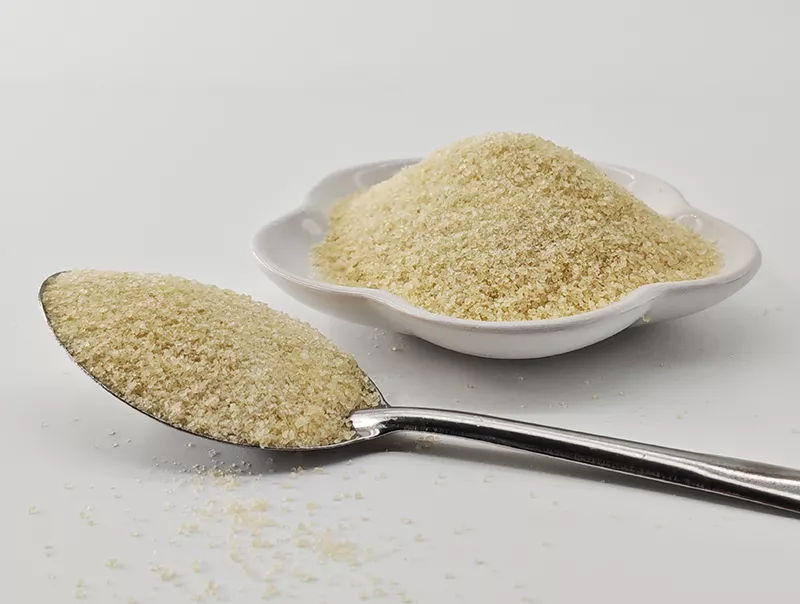
The High-Performance Barrier for Core Material Protection and Controlled Release.
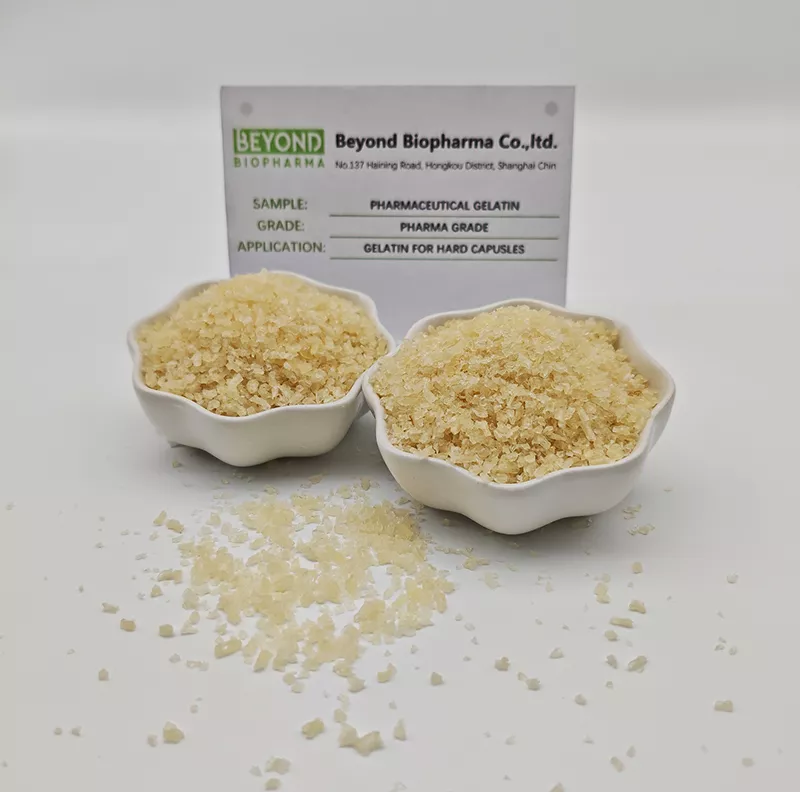
Precision, Purity, and Optimal Machinability
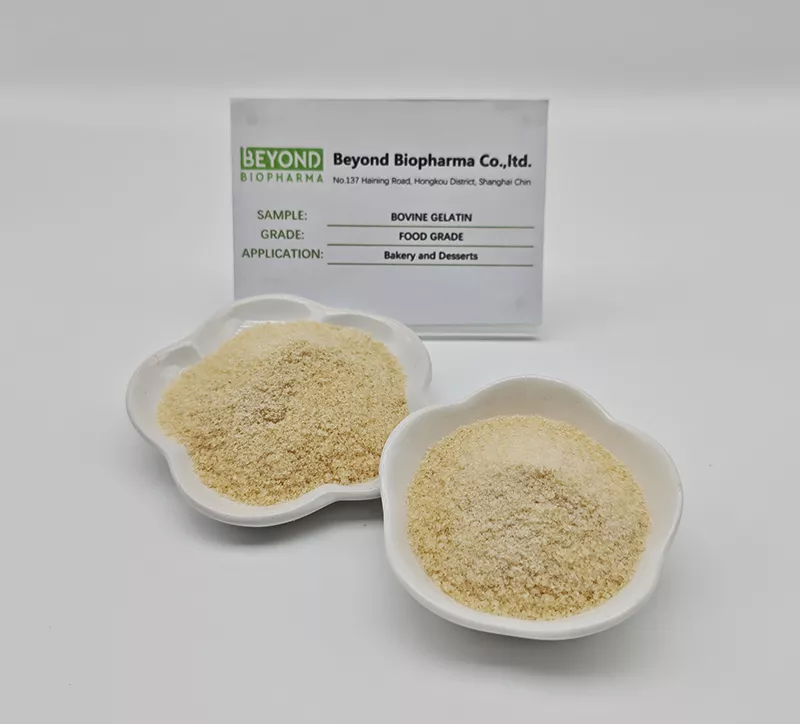
20 years experiences, 5000 ton/year capacity, Sustained supply with stable quality
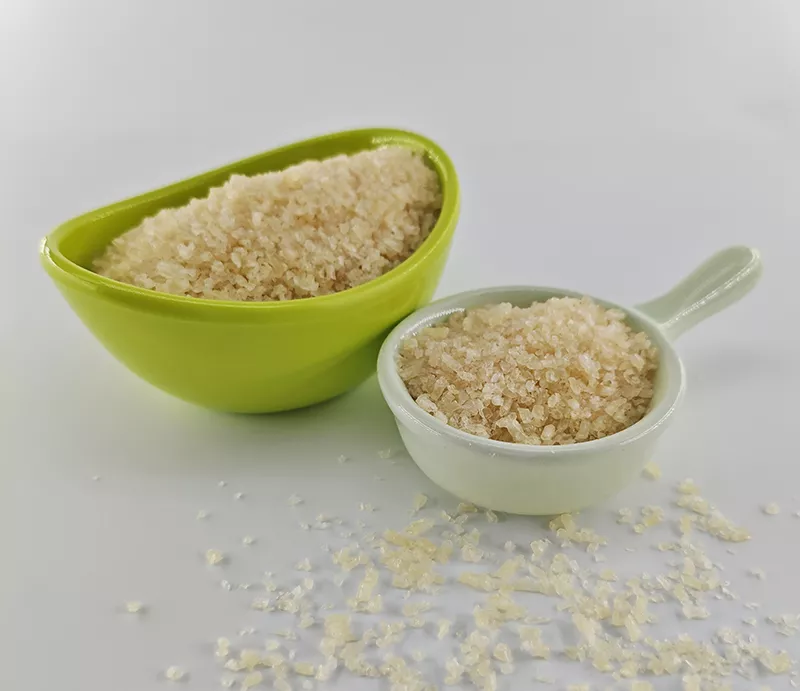
Stability, Swallowing Enhancement, and Controlled Release
Tel:+86 21 65010906
Cell/Whatsapp/Wechat:
+86 13482884055
+86 18657345785
Email: sales@beyondbiopharma.com