English EN


Bovine gelatin pros and cons everyone should know
Bovine gelatin offers strong gelling and health benefits but has dietary, ethical, and allergen concerns. Compare bovine gelatin to other gelatin options here.
More
Selecting the correct gelatin is essential for achieving the desired texture in desserts, sauces, and health recipes. Understanding bloom strength and gelatin types ensures consistent results every time.
Bloom strength measures the firmness and gelling ability of gelatin. Common ranges include 100-250 bloom for soft gels, 250-300 for standard desserts, and 300+ for firm applications. Unflavored powder typically falls in the 200-250 bloom range, offering versatility for most recipes.
Gelatin is available in powdered, sheet, and granulated forms. Unflavored powder is the most common for home use, while sheets are preferred by professionals for clarity and texture. Granulated gelatin works well for dry mixes and encapsulation.
Unflavored powder is ideal when you need neutral flavor, precise control over sweetness, or a clean base for savory sauces and healthy recipes. It works well in edible gelatin applications and micro-encapsulation.
Consider the final texture: low bloom for tender gels, high bloom for firm desserts. For hard capsules or softgel capsules, bloom strength is critical. Always hydrate powder in cold water before heating to avoid clumping.
For health-focused recipes, unflavored powder is often combined with hydrolyzed collagen or bovine collagen peptide for added protein benefits.
Blooming gelatin is the essential first step to ensure lump-free, silky textures in your culinary creations. This process hydrates the gelatin granules evenly, allowing them to dissolve completely and provide consistent gelling power.
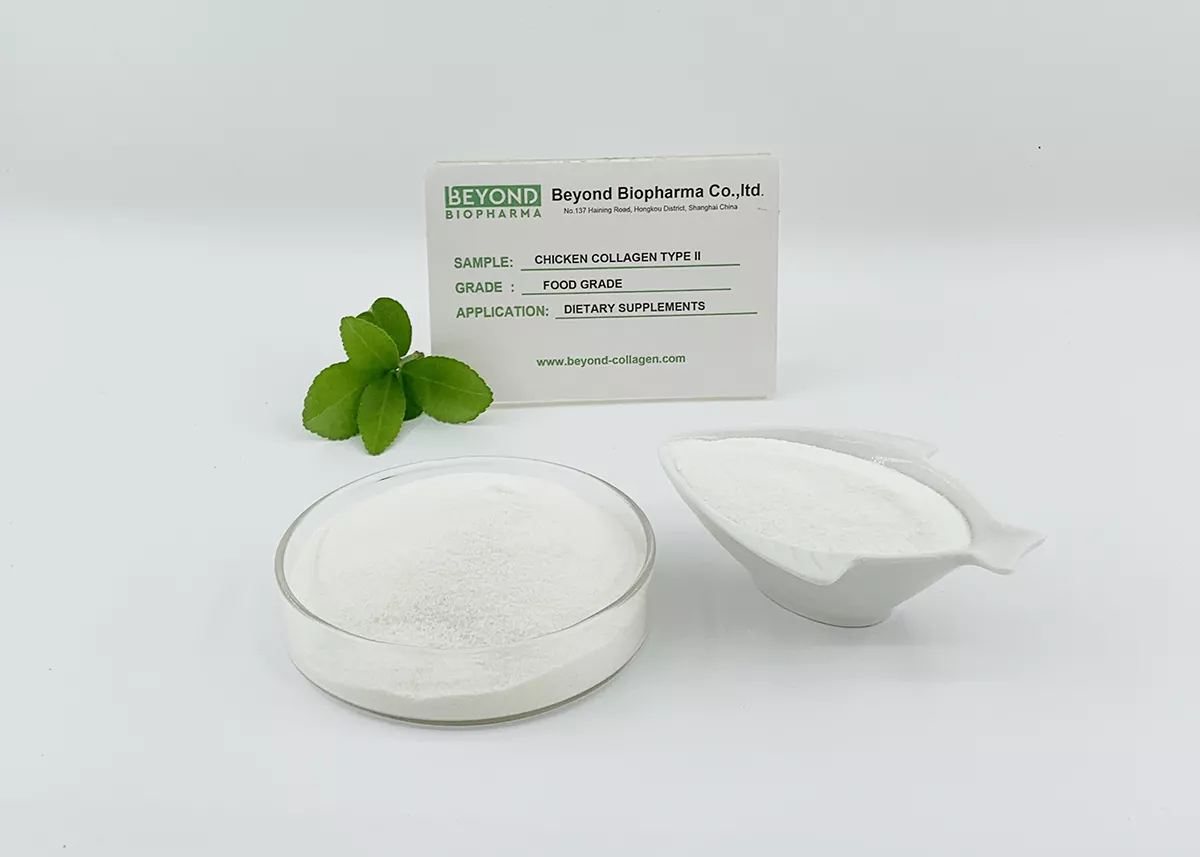
Simply sprinkle the powder over cold water or liquid (using about 2-3 times the volume of gelatin) and let it rest for 5-10 minutes. The granules will absorb the liquid and swell into a firm, spongy mass. Once bloomed, gently warm the mixture to liquefy it before incorporating into your recipe. This technique prevents clumping and ensures a perfectly smooth, stable texture in desserts, sauces, and healthy dishes.
Mastering gelatin requires understanding its hydration and temperature behavior. Follow these sequential steps to ensure a silky, lump-free texture every time.
Sprinkle gelatin powder evenly over cold liquid (water, juice, or broth) — use ¼ cup liquid per 1 tablespoon gelatin. Let stand for 5–10 minutes until the surface becomes spongy and translucent. Do not stir during this phase; allow the granules to absorb moisture naturally.
After blooming, warm the mixture gently — either over low heat or by placing the bowl in a hot water bath. Stir slowly until the gelatin dissolves completely (mixture becomes clear). Never boil; temperatures above 180°F (82°C) can weaken the gelling power.
Once dissolved, gradually add the gelatin mixture to your warm base liquid (soup, sauce, or puree) while whisking continuously. Ensure the base is warm (not hot) — around 120–140°F (49–60°C) — to prevent shock and re-clumping.
For cold applications (cold soups, smoothies, or no-bake desserts), first bloom and dissolve the gelatin in a small amount of warm liquid (about 2–3 tablespoons). Then temper it by stirring in a few tablespoons of your cold base liquid before combining with the full cold mixture. This gradual temperature adjustment prevents stringy lumps.
| Application | Gelatin per Cup Liquid | Bloom Time | Setting Time (Refrigerated) |
|---|---|---|---|
| Soft Desserts (panna cotta) | 1 teaspoon | 5 minutes | 4–6 hours |
| Firm Desserts (gelatin molds) | 2 teaspoons | 5–7 minutes | 6–8 hours |
| Sauces & Glazes | ½ teaspoon | 3–5 minutes | 2–3 hours |
| Cold Soups & Smoothies | ¾ teaspoon | 5 minutes | 1–2 hours (light set) |
* Times are approximate; always test consistency before serving. For vegan alternatives, consider plant-based gelling agents.
Always use a whisk rather than a spoon for even dispersion. If adding gelatin to acidic liquids (citrus, vinegar,
Mastering unflavored gelatin powder is the secret to creating desserts with flawless texture and structure. Whether you aim for a velvety panna cotta that trembles on the spoon, an airy mousse that holds its shape, or a crystal-clear jelly with clean cuts, the key lies in proper hydration and gentle heating. This guide walks you through the essential techniques to achieve professional results every time.
Before incorporating gelatin into any warm liquid, it must be bloomed. Sprinkle the powder evenly over cold water (use about 3 tablespoons of water per 1 tablespoon of gelatin) and let it sit for 5-10 minutes. The granules will absorb the water and form a firm, sponge-like mass. This step ensures even dissolution and prevents clumping, which is crucial for a smooth final texture.
Once bloomed, gently warm the gelatin mixture—either in a small saucepan over low heat or in a microwave in short bursts—until it becomes a clear, liquid solution. Do not let it boil, as high heat can weaken the gelatin's setting power. Stir the warm liquid gelatin into your dessert base (such as cream, fruit puree, or custard) while it is still warm, mixing thoroughly to distribute evenly.
For silky panna cotta, use about 1 teaspoon of gelatin powder per 2 cups of liquid. For mousses that need to hold their shape when piped, increase the ratio slightly. Jellies intended for slicing require a firmer set, around 2 teaspoons per 2 cups. Always pour the mixture into molds or dishes before it begins to thicken, and refrigerate for at least 4 hours, preferably overnight, for the best results.
If your dessert fails to set, the gelatin may have been overheated, under-bloomed, or used with fresh pineapple, kiwi, or papaya (which contain enzymes that break down gelatin). To fix a weeping or watery texture, gently reheat the mixture with a small amount of additional bloomed gelatin. For a rubbery result, reduce the gelatin quantity next time and ensure it is not over-mixed after cooling.
With these foundational techniques, you can confidently create stunning desserts that impress with both appearance and mouthfeel. Unflavored gelatin powder is a versatile tool in any kitchen, transforming simple ingredients into elegant, professional-quality sweets.
Thickening Sauces, Making Healthy Gummies, and Setting Savory Terrines
Unflavored gelatin provides a silky, stable thickness without altering flavor. Bloom 1 tablespoon of gelatin in 3 tablespoons of cold water for 5 minutes, then whisk into warm (not boiling) broth or pan drippings. It creates a glossy, velvety texture perfect for red wine reductions or pan sauces. Unlike flour or cornstarch, gelatin-based sauces remain clear and reheat smoothly without breaking.
Learn more about edible gelatin for sauces →Skip store-bought snacks by crafting protein-rich fruit gummies at home. Combine 1/2 cup cold fruit juice with 2 tablespoons gelatin powder, let bloom for 5 minutes, then gently heat until dissolved. Pour into silicone molds and refrigerate for 2 hours. These gummies support joint and skin health with natural collagen. Adjust sweetness with honey or stevia to suit your dietary goals.
Explore collagen peptide benefits for gummies →Gelatin is essential for classic terrines and pâtés, providing a clean sliceable structure. Use 1 envelope (about 2 1/2 teaspoons) per 2 cups of seasoned stock or consommé. Layer cooked vegetables, meats, or seafood in a loaf pan, pour the gelatin mixture over, and chill overnight. The result is an elegant, protein-packed appetizer that highlights fresh ingredients without heavy creams.
Discover gelatin for savory applications →Additional Resources:
Bloom strength determines firmness: low bloom (125-150) for soft gels, medium bloom (160-200) for desserts, high bloom (225-250) for firm textures. Unflavored powder suits recipes where clarity or neutral taste matters.
Sprinkle powder over cold liquid (ratio 1:5 or 1:6 by weight), let stand 5-10 minutes until fully absorbed. This blooming step prevents graininess and ensures even dissolution.
Gently heat bloomed gelatin in a warm liquid (below 140°F/60°C) or temper by adding small amounts of warm mixture to the gelatin before combining. Avoid boiling to prevent weakening. For cold liquids, dissolve gelatin first in a small amount of warm liquid then stir into the base.
Panna cotta: 1 tsp per 2 cups cream for silky set. Mousses: 1-2 tsp per cup ensures stability without rubberiness. Jellies: adjust bloom strength for desired bounce. Always cool gradually to avoid separation.
Thicken sauces with 1 tsp per cup for glossy finish. Make healthy gummies using fruit juice and 1 tbsp per cup. Set savory terrines with 2 tsp per cup broth. Unflavored gelatin enhances texture without altering flavor.


We provide you with comprehensive foreign trade solutions to help enterprises achieve global development
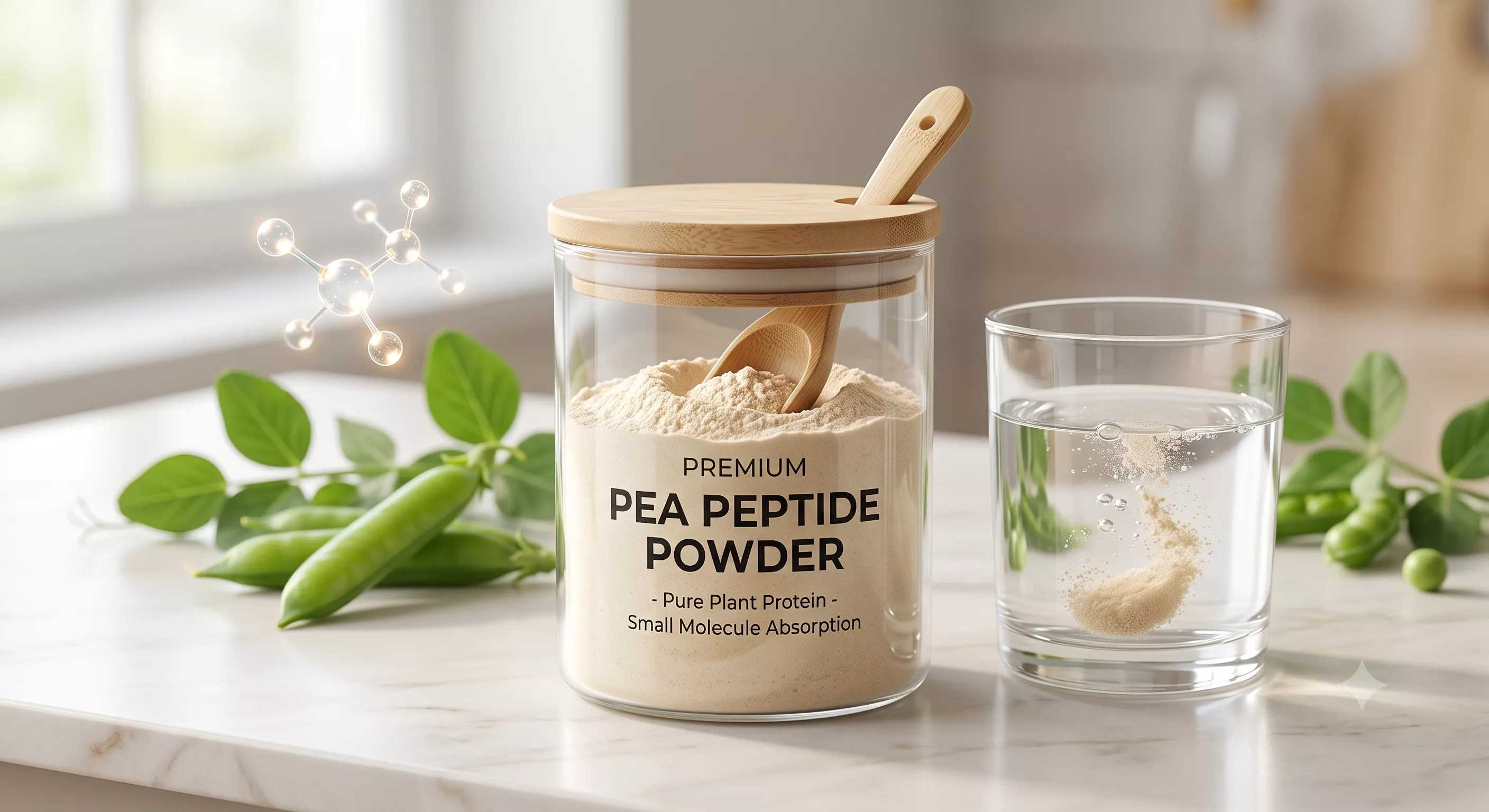
Source high-purity, hypoallergenic hydrolyzed pea peptide powder in bulk. Complete water solubility, rich in BCAAs, ideal for vegan recovery formulas.
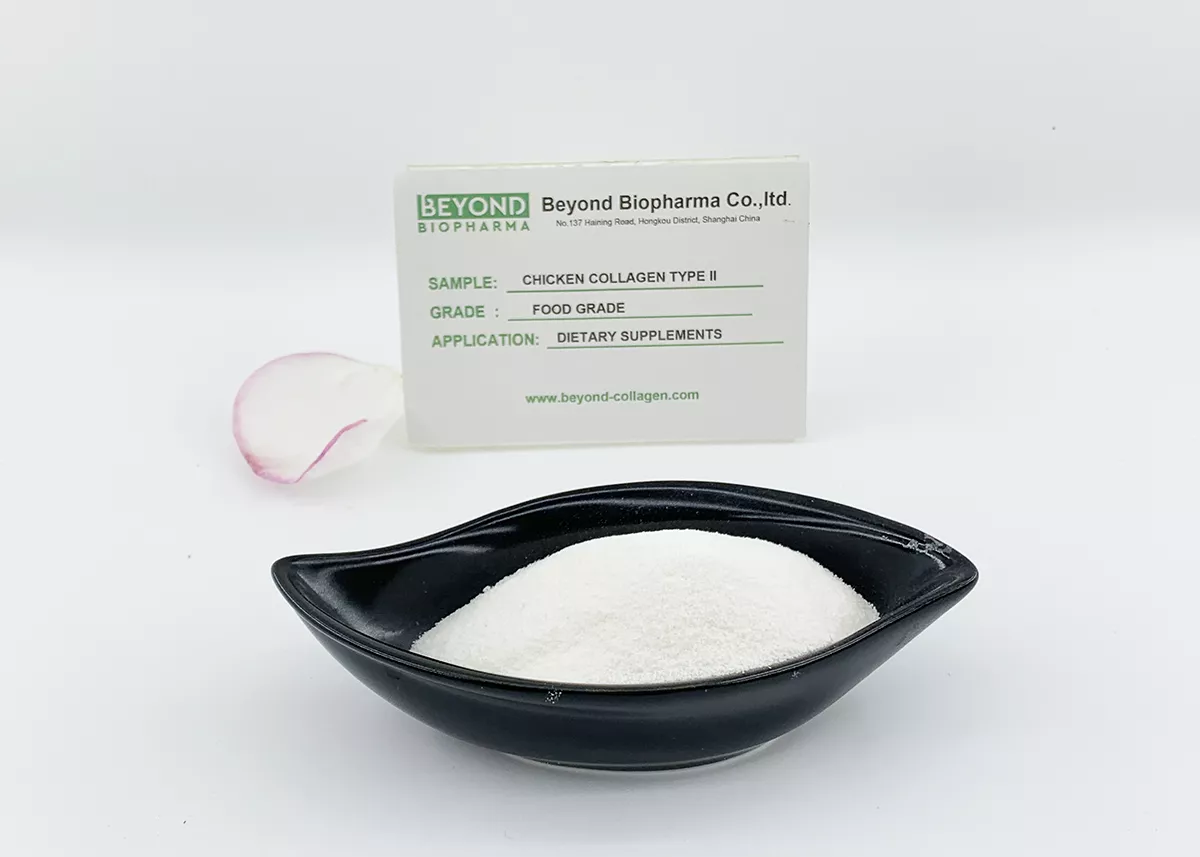
BEYOND BIOPHARMA is a specialized manufacturer of high-quality Undenatured Collagen Type II. Utilizing low-temperature, non-enzymatic extraction methods, our Undenatured Collagen Type II retains its native, triple-helix structure, essential for modulating the immune system's response to joint health and providing superior support for mobility, flexibility, and overall joint comfort.
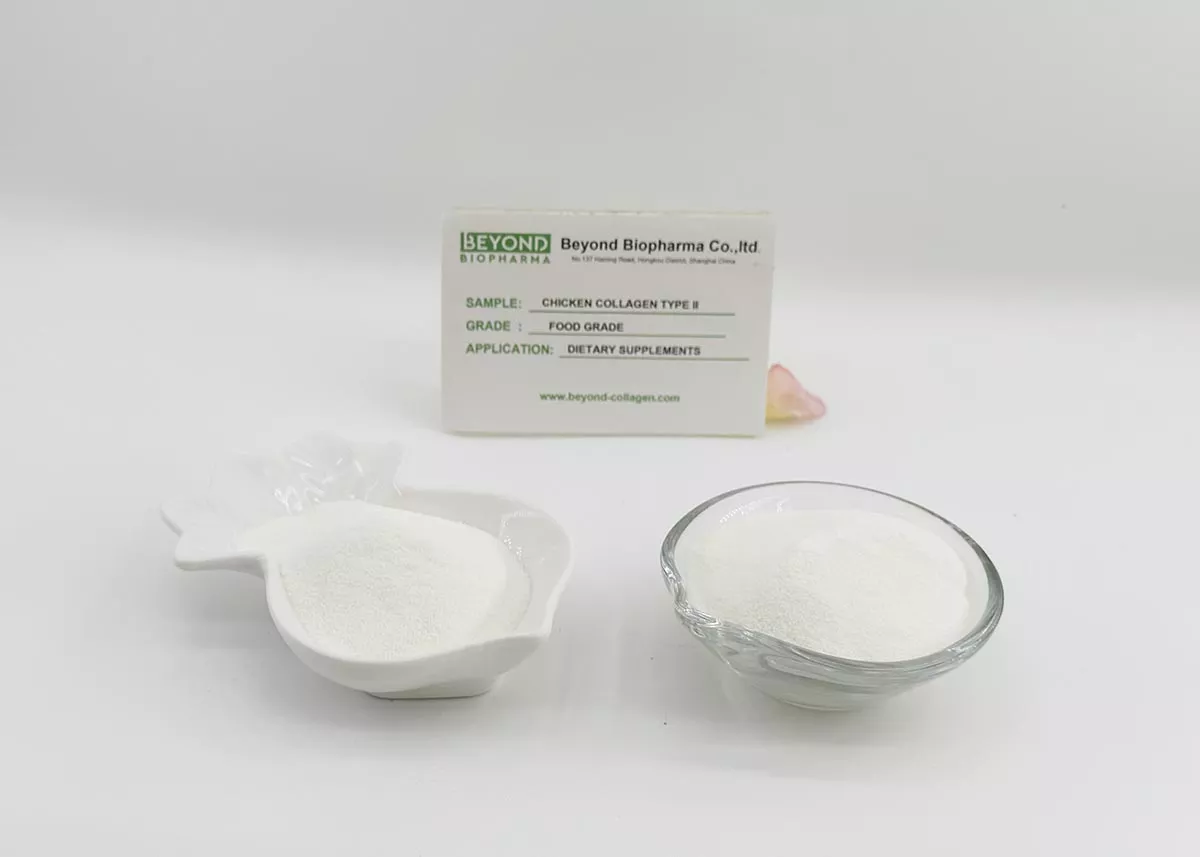
BEYOND BIOPHARMA is a specialized manufacturer of highly purified Hydrolyzed Collagen Type II. Through advanced enzymatic hydrolysis, we create low-molecular-weight collagen peptides that are highly bioavailable, offering foundational nutritional support for cartilage repair, joint function, and skin health. Our product is designed for rapid absorption and maximum efficacy in oral supplements.
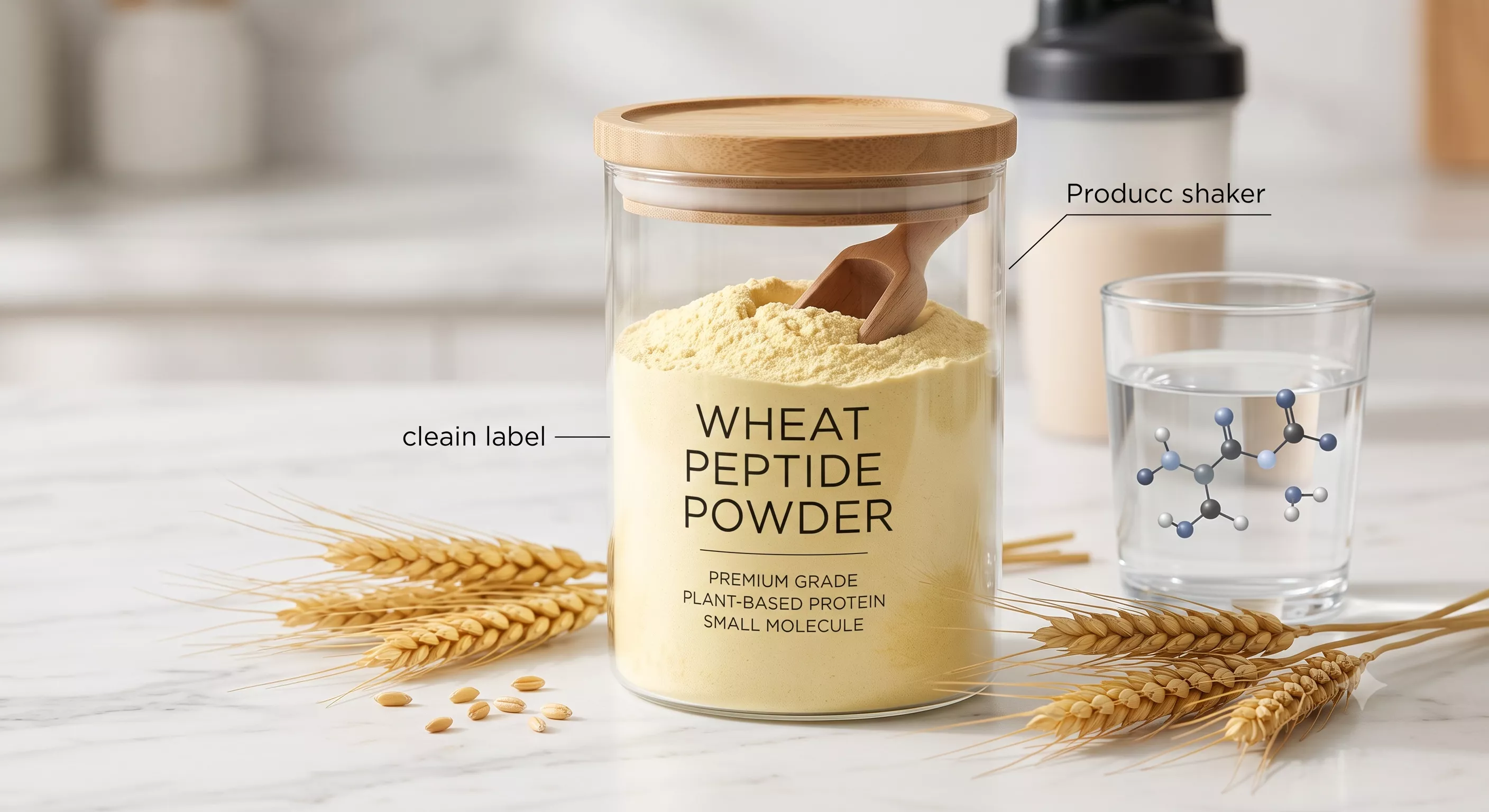
Source ultra-pure, high-solubility wholesale hydrolyzed wheat gluten peptide in bulk. Rich in plant-bound Glutamine ($\ge 25\%$) for muscle recovery and gut barrier health.
Tel:+86 21 65010906
Cell/Whatsapp/Wechat:
+86 13482884055
+86 18657345785
Email: sales@beyondbiopharma.com