English EN


Fish Gelatin vs Bovine and Pork Gelatin What Sets Them Apart
Fish gelatin differs from bovine and pork gelatin in melting point, texture, and dietary suitability, making it ideal for soft desserts and special diets.
More
Selecting the appropriate fish is crucial for achieving a clear, firm, and flavorful gelatin. The species, its freshness, and the natural texture of the flesh all play significant roles in the final dish.
Fish with high natural gelatin content, such as carp, pike, and certain whitefish like cod or haddock, are excellent choices. Their skin and bones release ample collagen during cooking, which sets into a stable gel. Fatty fish like salmon or mackerel can also be used but may result in a less clear and more delicate gel.
Freshness is non-negotiable. Look for bright, clear eyes, firm flesh that springs back when pressed, and a clean, briny scent. Avoid any fish with a strong fishy odor or dull, sunken eyes. Fresh fish yields a cleaner, purer gelatin flavor.
The texture of the fish flesh influences the gelatin's mouthfeel. Lean, flaky fish produce a lighter, more delicate gel, while firmer, denser fish create a sturdier set. For a balanced result, combine different textures or focus on one based on your recipe needs.
For more detailed guidance on gelatin types and sourcing, explore resources on edible gelatin applications and food-grade porcine gelatin.
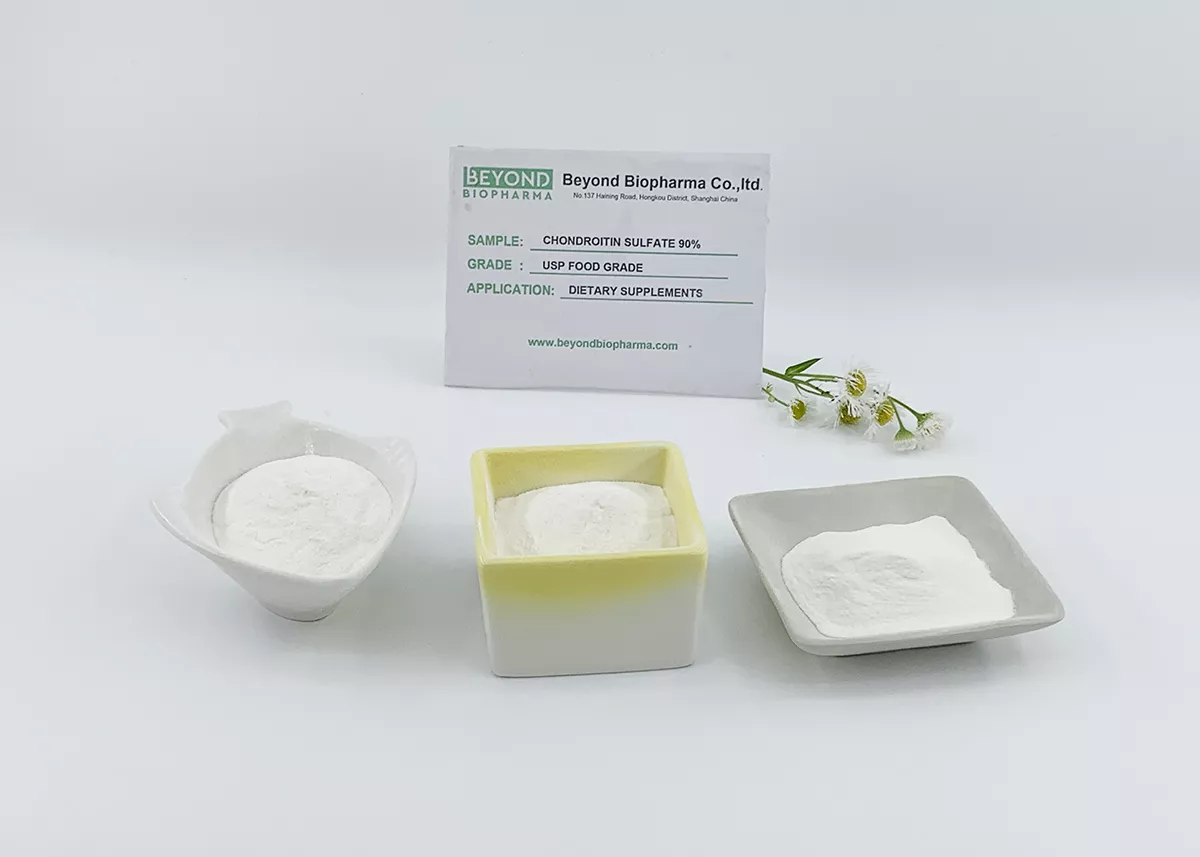
Achieving the ideal gelatin texture begins with precise ratios. For a firm yet tender fish in gelatin, use 1 tablespoon of powdered gelatin per 2 cups of liquid. Bloom the gelatin in cold water for 5-10 minutes before heating, ensuring complete hydration and preventing lumps. Adjust the ratio for softer or firmer gels; less gelatin yields a delicate set, while more creates a sturdy structure suitable for unmolding.
A crystal-clear gelatin base elevates the visual appeal of your dish. Start with a high-quality stock or broth, then clarify using an egg white raft. Whisk egg whites into the warm liquid, bring to a gentle simmer, and let the raft form. As it rises, it traps impurities. Strain through a fine-mesh sieve lined with cheesecloth for a pristine, shimmering gel that showcases the fish beautifully.
Infuse your gelatin base with complementary flavors without compromising its setting ability. Steep aromatics like bay leaves, peppercorns, or citrus zest in the warm liquid before adding gelatin. For a deeper taste, use poaching liquid from the fish itself. Avoid acidic ingredients in excess, as they can weaken the gel; balance with a pinch of salt or a splash of white wine for complexity. Learn more about gelatin types.
Poaching is a gentle cooking method that uses low-temperature liquid to preserve the delicate texture of fish. When done correctly, the fish remains moist, flaky, and full of flavor without becoming dry or tough.
The choice of poaching liquid greatly affects the final taste. Common options include court bouillon (water with herbs, vegetables, and lemon), fish stock, milk, or wine. Each imparts a subtle flavor while keeping the fish tender.
Maintain the liquid at a temperature between 160°F and 180°F (71°C to 82°C). The liquid should show small bubbles but never reach a full boil. Boiling will cause the fish to toughen and lose moisture.
| Fish Type | Thickness | Poaching Time |
|---|---|---|
| Salmon fillet | 1 inch | 8-10 minutes |
| Cod loin | 1.5 inches | 12-15 minutes |
| Tilapia fillet | 0.5 inch | 4-6 minutes |
| Halibut steak | 1 inch | 10-12 minutes |
Times are approximate and depend on the starting temperature of the fish. Always check for doneness by gently pressing the fish; it should flake easily with a fork and appear opaque throughout.
1. Prepare the poaching liquid with aromatics like bay leaf, peppercorns, and lemon slices. Bring to a gentle simmer.
2. Season the fish lightly with salt and place it in the liquid. Ensure the fish is fully submerged; add more liquid if needed.
3. Cover the pan and maintain a low temperature. Do not let the liquid boil.
4. Remove the fish carefully with a slotted spatula and serve immediately or chill for use in gelatin dishes.
For more information on selecting the right gelatin for your fish preparations, please visit edible bovine gelatin or food grade porcine gelatin.
Creating a visually stunning fish in gelatin requires precise temperature control and sequential pouring. Start with a thin base layer of clear gelatin, let it set until tacky, then arrange your cooked fish fillet and decorative herbs. Pour the remaining gelatin slowly over the top, ensuring no air bubbles form. The key to crystal clarity lies in using a clarified stock and chilling each layer just enough to support the next without full solidification.
For stability, use a gelatin concentration of 2-3% of the liquid weight. A higher bloom strength gelatin (200-250 bloom) provides a firmer set that holds delicate layers without cracking. When molding, lightly oil the mold with neutral oil for easy unmolding. Chill the final assembly for at least 4 hours or overnight. To achieve a mirror-like finish, dip the mold briefly in warm water before inverting onto a serving plate.
Layering technique also allows for creative inclusions like edible flowers, sliced vegetables, or caviar between strata. Each layer should be no more than 1/2 inch thick to ensure even setting and prevent sinking ingredients. Patience between layers is essential—rushing leads to cloudy results. With practice, this method yields a stunning, stable aspic that is both a culinary centerpiece and a textural delight.
To maintain the delicate gel structure, store finished fish in gelatin at a consistent temperature between 34°F and 38°F (1°C to 3°C). Cover the dish tightly with plastic wrap to prevent moisture loss and absorption of fridge odors. Avoid freezing, as ice crystals can rupture the gelatin network and cause weeping upon thawing. For best results, consume within 2–3 days. Learn more about gelatin stability from edible bovine gelatin applications.
Remove the dish from refrigeration 10–15 minutes before serving to take the chill off without compromising the gel. The ideal serving temperature is around 50°F (10°C), which allows the fish flavor to shine while the gelatin retains a firm yet tender bite. For molded presentations, briefly dip the mold in warm water (not hot) to loosen the gelatin before inverting onto a serving plate. Reference porcine gelatin for jellies for texture tips.
Enhance presentation with simple, elegant garnishes that complement the fish. Fresh dill sprigs, thin lemon slices, and capers add color and acidity. Place garnishes just before serving to prevent them from sinking into the gelatin. For a professional touch, arrange cucumber ribbons or radish rosettes around the base. The clarity of the gel can be improved by using standardized gelatin sheets for consistent results.
If the gelatin becomes too firm, allow it to sit at room temperature for a few minutes. If it appears too soft, check that the correct bloom strength was used. For fish aspic, a medium bloom (150–200) is ideal. Always dissolve gelatin completely and avoid adding fresh pineapple, kiwi, or papaya, which contain enzymes that break down gelatin. For capsule-grade options, see BSE-free bovine bone gelatin.
Use non-reactive containers such as glass or ceramic for storage. Portion individual servings in ramekins or small molds for easy serving and reduced waste. Cover each portion with a layer of plastic wrap directly on the surface to prevent a skin from forming. For large-scale preparations, consult high bloom gelatin for hard capsules for setting time guidance.
Summary & Key Takeaways
Choosing the right fish
Opt for firm-fleshed species such as turbot, halibut, or sole. Verify freshness by clear eyes, bright gills, and a clean scent. The fillet should feel resilient to the touch, ensuring it holds its shape during poaching and sets perfectly in the gelatin.
Mastering the gelatin base
Use a ratio of 1 tablespoon gelatin powder (or 4 leaves) per 2 cups of clear stock or court bouillon. Bloom properly, then dissolve over gentle heat. For crystal clarity, clarify the liquid with egg whites before adding gelatin. Infuse with herbs, lemon zest, or a splash of wine for depth.
The art of poaching
Maintain a gentle simmer at 160–175°F (70–80°C). Submerge fish completely in seasoned liquid, and cook just until opaque – about 8–10 minutes per inch of thickness. Remove with a slotted spatula and let cool slightly before layering.
Layering and molding
Pour a thin layer of gelatin into the mold and chill until tacky. Arrange poached fish pieces, then gently spoon remaining gelatin over the top. Tap the mold to release air bubbles. For a pristine finish, use a chilled mold and work in a cool environment.
Storage, serving, and garnishing
Refrigerate the finished dish for at least 4 hours (or overnight) to set firmly. Cover tightly to prevent odors. To serve, unmold by dipping the mold briefly in warm water. Garnish with fresh dill, cucumber slices, or lemon wedges. Serve chilled for the best texture and clarity.
By following these steps, you will achieve a stunning, translucent fish in gelatin with a delicate, flaky texture and balanced flavour — a classic dish that impresses both visually and on the palate.


We provide you with comprehensive foreign trade solutions to help enterprises achieve global development
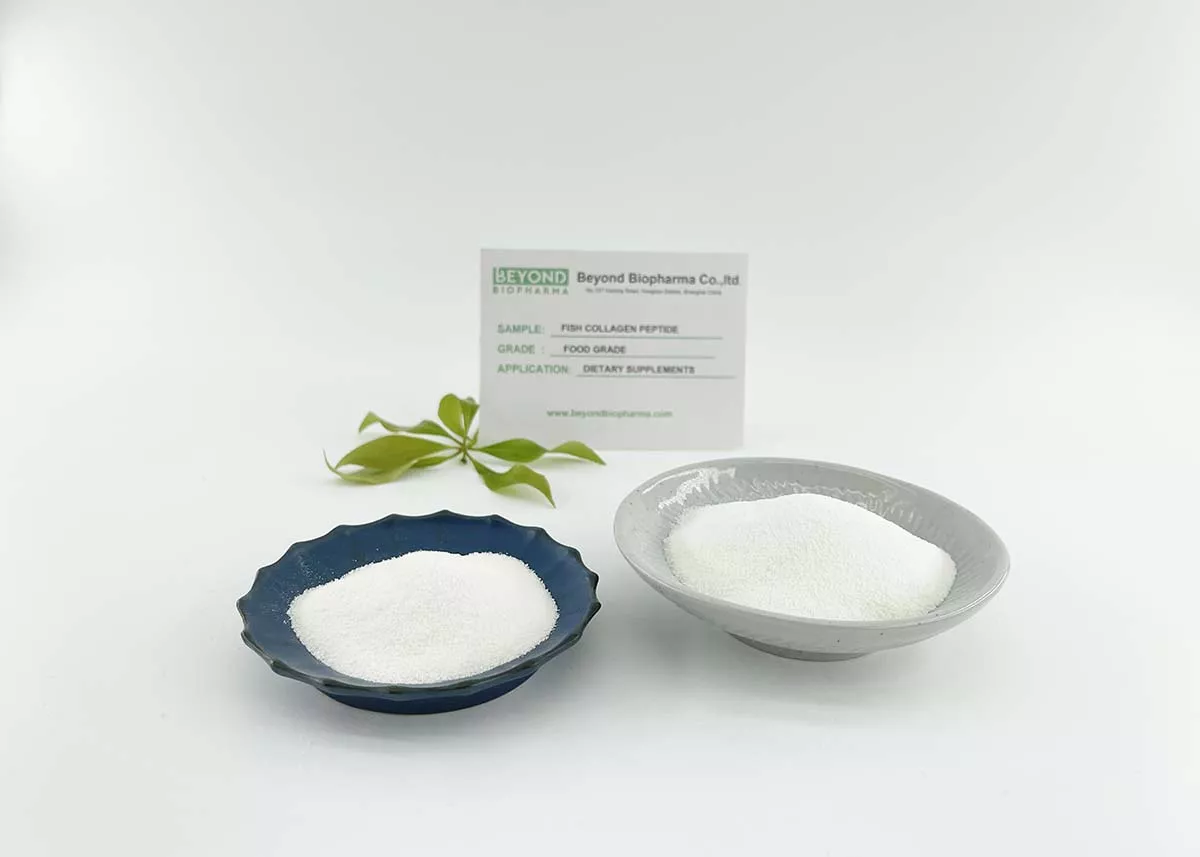
Premium marine-sourced collagen peptides with >90% protein content and low molecular weight (1000-3000 Da) for superior bioavailability. Sustainably sourced, neutral taste, and fully soluble—ideal for nutricosmetics and functional foods.
High Purity and Efficacy for Joint Health Formulations
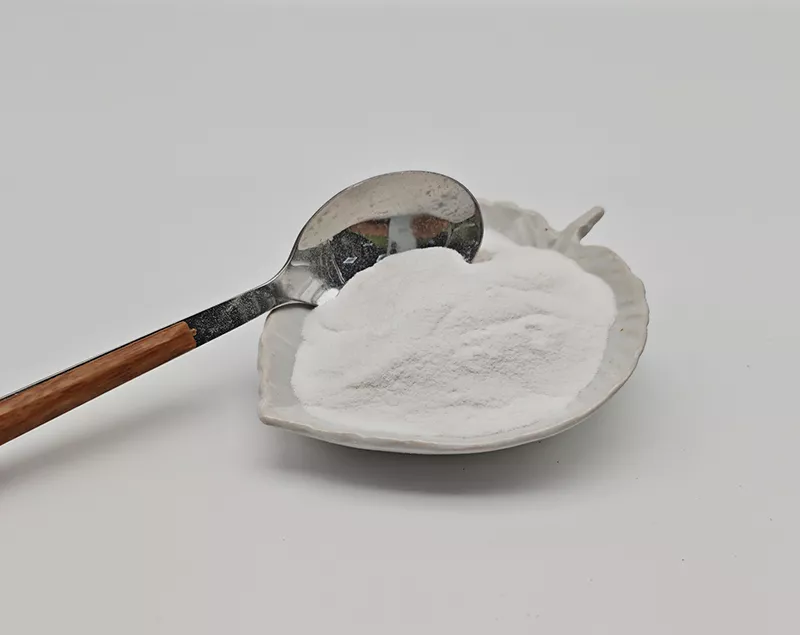
Fish Gelatin for foods is increasingly recognized as the premium alternative to traditional mammalian sources, meeting the growing global demand for clean-label ingredients that align with diverse dietary and religious requirements. Derived from the skin and scales of fish like cod and tilapia, fish gelatin offers unique functional benefits that make it an exceptional gelling, stabilizing, and texturizing agent.
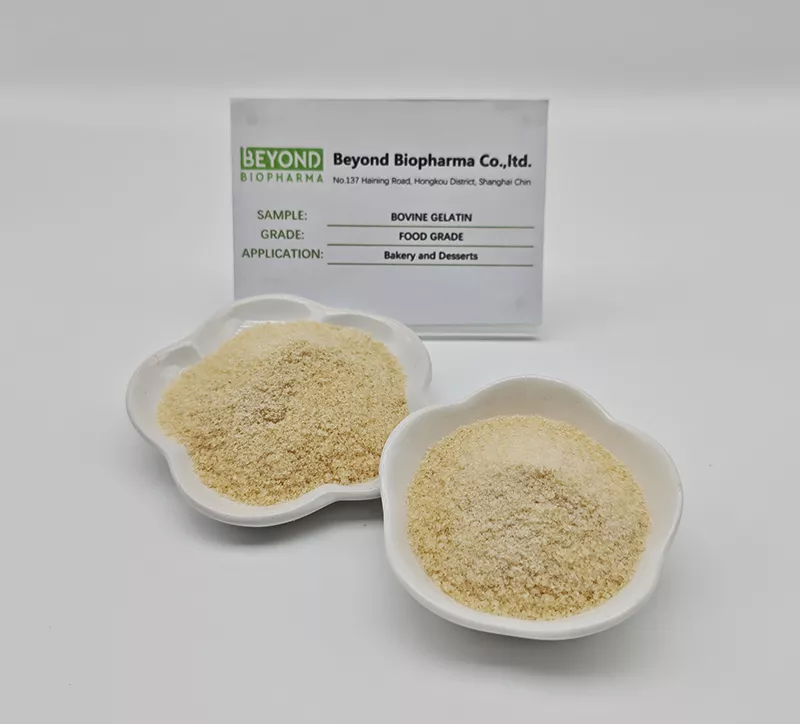
20 years experiences, 5000 ton/year capacity, Sustained supply with stable quality
Tel:+86 21 65010906
Cell/Whatsapp/Wechat:
+86 13482884055
+86 18657345785
Email: sales@beyondbiopharma.com