English EN


How to Use Gelatin Powder? Applications of Gelatin Powder
Use gelatin powder by blooming it in cold water, dissolving gently, and adding to recipes for perfect texture in desserts, sauces, and supplements.
More
Discover the best gelatin powders for your kitchen and lab, ranked by bloom strength, clarity, and solubility for flawless results.
Strength: 250 Bloom | Clarity: Crystal Clear | Solubility: Excellent in warm liquids
This high-bloom bovine gelatin delivers firm, elastic gels ideal for gourmet desserts and confectionery. Its exceptional clarity ensures visually stunning results, while rapid solubility saves prep time.
View ProductStrength: 200 Bloom | Clarity: High | Solubility: Very good in hot water
BSE-free and rigorously tested, this pharmaceutical-grade gelatin offers consistent performance for capsules and specialized baking. Its neutral taste and high clarity make it a versatile choice.
View ProductStrength: 280 Bloom | Clarity: Moderate | Solubility: Requires gentle heating
With the highest bloom strength, this gelatin creates extremely firm textures perfect for softgel capsules and dense desserts. Its viscosity adds body to recipes without cloudiness.
View ProductStrength: 160 Bloom | Clarity: Very High | Solubility: Easy in cold water (bloom then melt)
These standardized sheets offer precise, repeatable gel strength for professional bakers. Their superior clarity makes them a top pick for mirror glazes and clear jellies.
View ProductStrength: 180 Bloom | Clarity: Excellent | Solubility: Good in warm water
Designed for uniform coating, this gelatin provides a smooth finish and reliable binding. It works well in both culinary and pharmaceutical applications, offering balanced strength and clarity.
View Product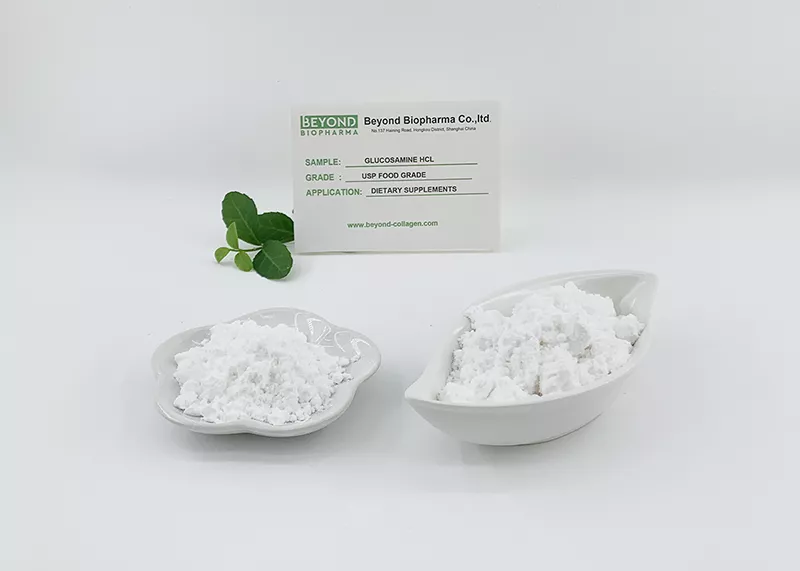
Bloom strength measures the firmness and gelling power of gelatin. It ranges from 50 to 300 bloom, with higher numbers indicating stronger gels. For delicate desserts like panna cotta, use 125-150 bloom. For chewy gummies or firm aspics, opt for 200-250 bloom. Always check the package label to match your recipe needs.
Beef gelatin is derived from bovine hides and bones, offering a neutral flavor and high clarity, ideal for savory dishes and clear jellies. Pork gelatin, from porcine skin, tends to have a slightly lower melting point and is common in marshmallows and creamy desserts. Choose based on dietary restrictions and desired texture.
Always bloom gelatin in cold water for 5-10 minutes before heating. Use a ratio of 1 tablespoon gelatin to 1/4 cup water. Never boil gelatin, as high heat weakens its gelling ability. For quick dissolution, stir into warm liquid (not hot). Store in a cool, dry place to maintain potency.
Do not skip the blooming step—it ensures even hydration and prevents lumps. Avoid adding gelatin to acidic liquids like lemon juice or vinegar directly, as acidity can break down the protein. If using gelatin in dairy, warm the milk gently to avoid curdling.
For vegetarian alternatives, consider agar-agar or pectin, but for traditional gelatin, beef is excellent for firm, clear gels, while pork provides a softer, creamier set. Always source from reputable suppliers to ensure quality and purity. Check for halal or kosher certifications if required.
Keep gelatin powder in an airtight container away from moisture and heat. Unopened, it lasts up to 2 years. Once opened, use within 6 months for best results. Test bloom strength periodically if stored long-term, as it may degrade.
Gelatin is the unsung hero of elegant desserts, transforming simple liquids into luscious, wobbling masterpieces. Whether you are crafting a velvety panna cotta, an airy mousse, or a crystal-clear jelly, understanding how to handle gelatin properly is the key to consistent success. Below, we break down the essential techniques and ratios for flawless results every time.
The following table outlines the standard bloom ratios and setting times for powdered gelatin across different dessert types. Always bloom gelatin in cold water before incorporating it into warm liquid to ensure a smooth, lump-free texture.
| Dessert Type | Gelatin per 2 Cups Liquid | Bloom Time | Setting Time (Refrigerated) |
|---|---|---|---|
| Panna Cotta | 2.5 tsp (8g) | 5 minutes | 4-6 hours |
| Mousse | 2 tsp (6g) | 5 minutes | 3-4 hours |
| Firm Jelly | 4 tsp (12g) | 5-7 minutes | 2-3 hours |
| Soft Gelée | 1.5 tsp (5g) | 5 minutes | 4-5 hours |
For best results, ensure your gelatin is fully bloomed — the granules should swell and become spongy. Never boil gelatin after blooming, as high heat can degrade its setting power. Always stir it gently into warm (not hot) liquid until completely dissolved.
A silky panna cotta relies on a precise balance of cream, milk, sugar, and gelatin. Bloom 8g of powdered gelatin in 3 tablespoons of cold water for 5 minutes. Meanwhile, gently heat 2 cups of cream mixture until warm, then whisk in the bloomed gelatin until fully dissolved. Pour into molds and refrigerate for at least 4 hours. For a cleaner release, dip molds briefly in warm water before unmolding.
The secret to a stable mousse is folding gelatin into a partially whipped cream or egg white base. Bloom 6g gelatin in cold water, then dissolve it into a small portion of warm base liquid. Allow it to cool slightly before folding into the remaining mixture. This prevents the gelatin from setting prematurely and ensures an even, cloud-like texture. Chill for 3-4 hours before serving.
For a transparent jelly, use filtered or distilled water and avoid over-stirring once the gelatin is added. Bloom 12g of gelatin per 2 cups of liquid, then dissolve in warm juice or tea. Pour through a fine-mesh strainer to remove any bubbles or impurities. Refrigerate for 2-3 hours until firm. For layered jellies, allow each layer to set partially before adding the next to maintain clean lines.
For professional-grade gelatin products suited for these techniques, explore premium options such as edible bovine gelatin or standardized gelatin sheets. These high-quality ingredients ensure consistent results across all your dessert creations.
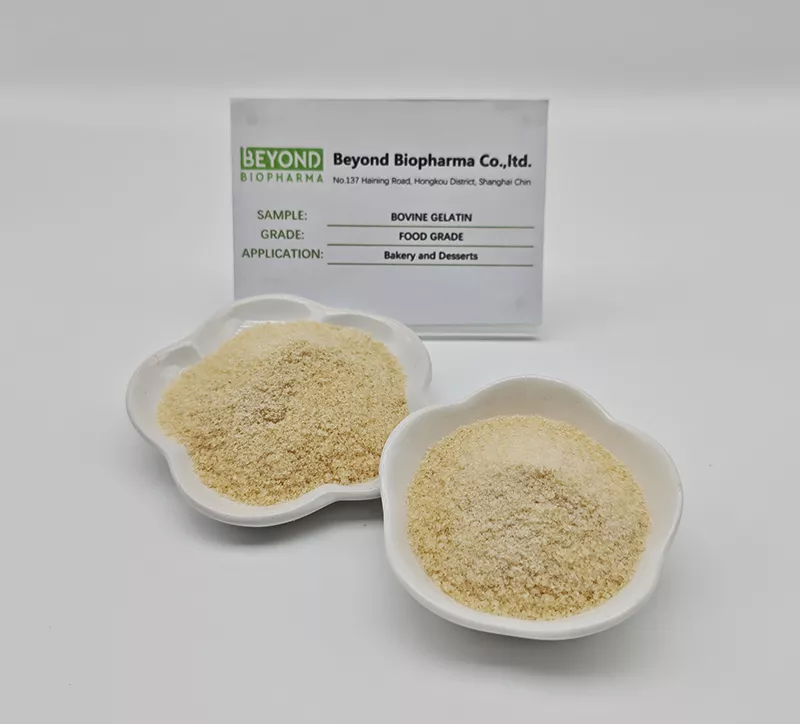
Gelatin is not just for sweet jiggly desserts. In savory cooking, it plays a transformative role, adding body, clarity, and a unique mouthfeel to a wide range of dishes. From the classic elegance of a tomato aspic to the crystal-clear perfection of a consommé, understanding how to use gelatin can elevate your culinary skills.
An aspic is a savory jelly made from clarified meat, fish, or vegetable stock, set with gelatin. It can be used to coat cold dishes like poached salmon, eggs, or poultry, providing a beautiful glossy finish and locking in moisture. Terrines and pâtés often incorporate aspic as a decorative layer or to fill gaps, creating a stunning presentation when sliced.
While traditional consommé relies on a meat raft for clarification, gelatin is sometimes used as a fining agent in modern kitchens to achieve an exceptionally clear stock. More commonly, a small amount of gelatin is added to a finished consommé to give it a delicate, silky texture that coats the palate without being heavy. This technique is especially valued in fine dining for its ability to enhance the perceived richness of the broth.
The same gelling power that creates fruit gummies can be applied to savory flavors. Think of gummy cubes infused with beet and horseradish, or gelatin-based strips flavored with soy sauce and ginger. These can be served as palate cleansers, garnishes, or even as a playful, modern snack. The key is balancing the gelatin strength with the savory base to achieve the perfect chewy yet tender bite.
Always bloom gelatin in cold water before dissolving it into a warm liquid to ensure a smooth, lump-free texture. For savory applications, consider using unflavored gelatin powder or sheets. Adjust the amount based on the desired firmness: a soft set for a delicate aspic, a firmer set for gummy candies. Remember that acidic ingredients like tomatoes or vinegar can weaken gelatin, so you may need to increase the quantity slightly.
Experiment with infusing your stocks and broths with herbs, spices, and aromatics before adding gelatin. The neutral flavor of gelatin makes it a perfect canvas for savory profiles, from dashi and miso to roasted garlic and thyme. Whether you are creating an elegant buffet centerpiece or a whimsical savory candy, gelatin is a powerful tool in the savory cook's repertoire.
Gelatin is a protein derived from collagen, and its behavior in cooking and baking is governed by three critical factors: setting time, hydration ratio, and temperature. Understanding these elements ensures consistent, flawless gels, creams, and desserts every time.
Setting time refers to the duration required for gelatin to form a stable gel network. This is influenced by concentration, temperature, and the presence of other ingredients. For most recipes, a minimum of 4-6 hours in the refrigerator is needed, though overnight setting yields the firmest texture. Rapid cooling can cause uneven gelation, so patience is key. For precise results, use standardized gelatin sheets to achieve consistent gels.
The ratio of gelatin to liquid determines the strength and texture of the final product. A common ratio is 1 tablespoon of gelatin powder per 2 cups of liquid for a soft set, while a firmer set requires up to 1 tablespoon per 1.5 cups. Over-hydration leads to weak gels, while under-hydration creates rubbery textures. Always bloom gelatin in cold water (use 4 parts water to 1 part gelatin) before dissolving. For pharmaceutical-grade precision, pharmaceutical-grade bovine bone gelatin offers reliable hydration properties.
Temperature controls gelatin’s solubility and setting ability. Gelatin dissolves best at 50-60°C (122-140°F); higher temperatures can degrade its structure, weakening the gel. Once dissolved, the mixture must be cooled below 15°C (59°F) to set, with refrigeration accelerating the process. Avoid freezing, as ice crystals disrupt the gel network. For high-viscosity applications, ultra-high viscosity gelatin maintains stability under varied thermal conditions.
Always bloom gelatin in cold liquid to ensure even hydration. Use a thermometer to monitor temperature when dissolving. For acidic ingredients like citrus juice, increase gelatin by 20% as acid weakens the gel. Test setting time by tilting the container; the surface should be firm and jiggle as a unit. For advanced applications, explore gelatin for micro-encapsulation to enhance stability.
Do not boil gelatin mixtures; excessive heat destroys its gelling power. Avoid adding gelatin to hot liquids above 80°C (176°F). Never skip the blooming step, as dry gelatin clumps and dissolves unevenly. For dairy-based desserts, ensure the base is not too cold when incorporating gelatin to prevent premature setting. Premium pharmaceutical gelatin provides consistent performance for complex recipes.
For professional bakers and chefs, understanding gelatin’s rheology enables custom textures. Adjust hydration ratios for mousses, panna cottas, or fruit gels. For dietary supplements, fish collagen peptide offers an alternative source. In pharmaceutical settings, edible bovine gelatin ensures safety and efficacy. For vegan options, consider vegan glucosamine hydrochloride as a non-animal alternative.
Bloom Strength & Source Selection
The ideal gelatin powder for your kitchen hinges on bloom strength and animal source. For delicate desserts like panna cotta and mousse, a lower bloom (160–200) ensures silky texture, while high-bloom gelatin (250–300) delivers firm, clean-cut jellies and robust savory aspics. Pork-based gelatin offers superior clarity and neutral flavor, whereas beef gelatin provides a slightly richer mouthfeel—both perform excellently when hydrated correctly.
Solubility & Clarity
Top-rated powders in 2025 dissolve completely without clouding, even in cold liquids. Proper hydration (blooming in cold water for 5–10 minutes) and gentle heating (below 60°C) preserve clarity and setting power. Fine-mesh powders hydrate faster than granular types, making them ideal for quick desserts and clarified stocks.
Temperature, Hydration & Setting Time
Precision matters: use a 1:5 ratio of gelatin to liquid for standard gels, and never boil gelatin (it weakens structure). Setting time ranges from 2–4 hours in the refrigerator; for faster results, use an ice bath. Acidic ingredients (citrus, vinegar) require slightly more gelatin, while dairy and alcohol can slow setting—adjust accordingly.
Dessert & Savory Mastery
For flawless panna cotta, bloom in milk or cream; for mousse, fold melted gelatin into whipped ingredients at 30°C. In savory cooking, gelatin enriches stocks, clarifies consommés, and gives gummy candies their chewy bite. Always test a small batch first to confirm set and texture.
Final Verdict
Choosing the best gelatin powder in 2025 means balancing bloom strength, source, and intended use. Whether you prioritize clarity for jewel-like jellies or strength for savory terrines, the top five powders deliver consistent results. Master hydration ratios and temperature control, and you will achieve perfect, repeatable textures in every dish—from silky desserts to clarified stocks.


We provide you with comprehensive foreign trade solutions to help enterprises achieve global development
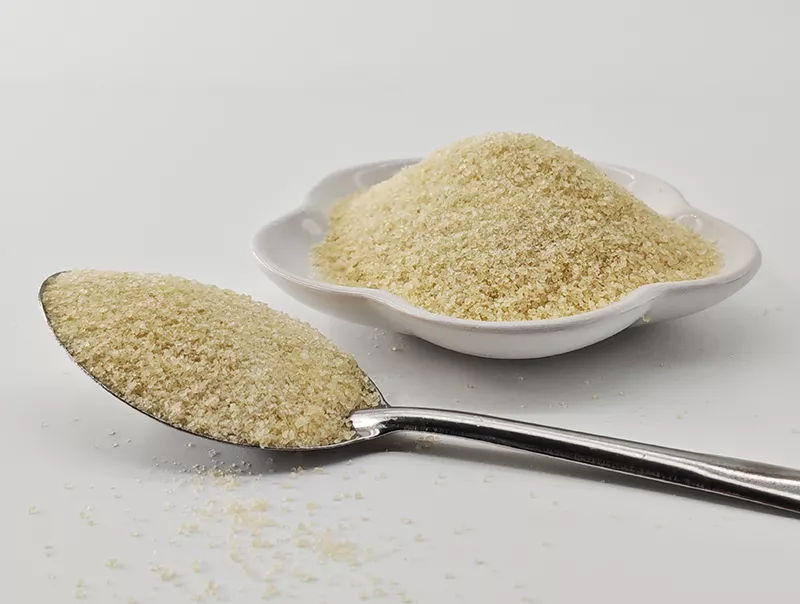
The High-Performance Barrier for Core Material Protection and Controlled Release.
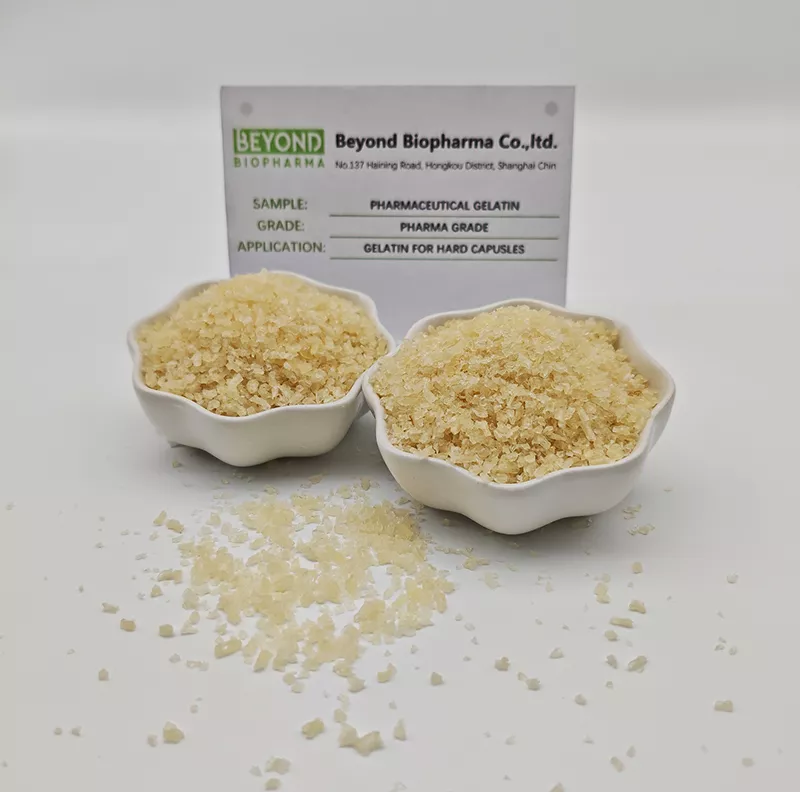
Precision, Purity, and Optimal Machinability
20 years experiences, 5000 ton/year capacity, Sustained supply with stable quality
Stability, Swallowing Enhancement, and Controlled Release
Tel:+86 21 65010906
Cell/Whatsapp/Wechat:
+86 13482884055
+86 18657345785
Email: sales@beyondbiopharma.com