English EN


How to Use Gelatin Powder? Applications of Gelatin Powder
Use gelatin powder by blooming it in cold water, dissolving gently, and adding to recipes for perfect texture in desserts, sauces, and supplements.
More
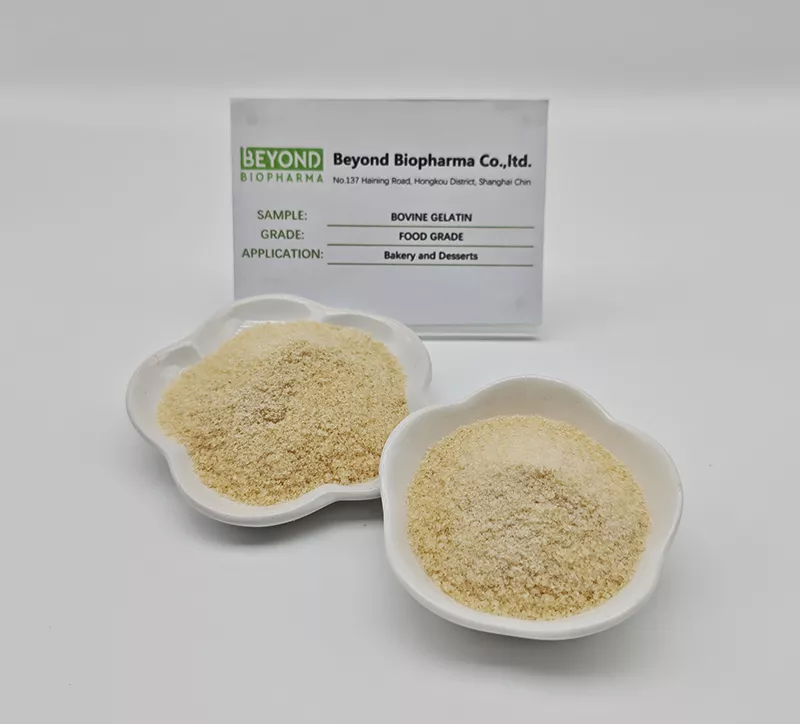
Gelatin unflavoured powder is a pure, tasteless protein derived from animal collagen, typically sourced from bovine or porcine hides and bones. Through a controlled hydrolysis process, the collagen is broken down into a fine, odorless powder that dissolves in warm liquids and forms a gel upon cooling. This versatile ingredient acts as a natural thickener, stabilizer, and texturizer in both culinary and industrial applications.
The working mechanism of gelatin relies on its unique amino acid profile, particularly the high content of glycine and proline. When heated, the protein chains unwind and disperse in liquid; as the mixture cools, these chains re-form into a three-dimensional network that traps water molecules, creating a semi-solid gel structure. This thermoreversible property allows gelatin to melt when warmed and set again when chilled, making it ideal for desserts, jellies, and encapsulation.
For optimal results, gelatin unflavoured powder must be "bloomed" — sprinkled over cold water for 5–10 minutes to hydrate the granules before dissolving in hot liquid. This step ensures even dispersion and prevents clumping. The strength of the gel is measured by its bloom value, with higher bloom numbers indicating firmer gels. Common uses include stabilizing whipped cream, clarifying broths, and creating gummy textures in confectionery.
Beyond the kitchen, this powder plays a key role in pharmaceutical capsules, photographic films, and cosmetic formulations. Its film-forming ability and biocompatibility make it a preferred choice for hard capsule production and consistent gel sheets. When selecting gelatin, always check the source and bloom strength to match your specific application, whether for delicate desserts or functional food ingredients.
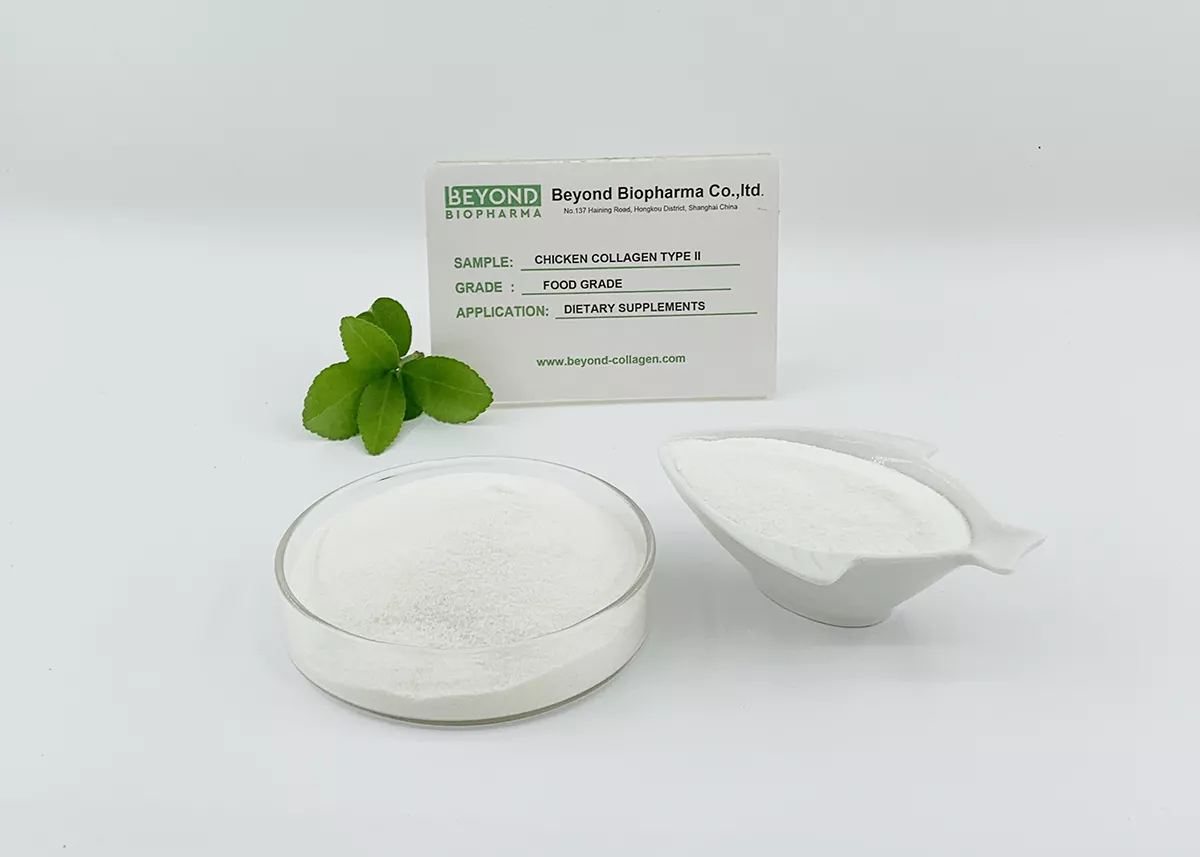
Unflavoured gelatin powder is a pure, neutral ingredient with no added sugars, artificial flavors, or colors. It provides a blank base for both sweet and savory recipes, offering maximum control over taste and texture. Flavoured gelatin, on the other hand, comes pre-mixed with sweeteners, fruit flavors, and often colorings, making it convenient for quick desserts but limiting its versatility in cooking.
The primary difference lies in composition: unflavoured gelatin consists solely of collagen-derived protein, while flavoured varieties include additional ingredients like sugar, citric acid, and artificial additives. This affects their application—unflavoured powder is ideal for thickening sauces, clarifying broths, or making homemade jellies with custom flavors, whereas flavoured gelatin is best suited for simple fruit-flavored desserts and salads.
Nutritionally, unflavoured gelatin is lower in calories and free from added sugars, making it a healthier choice for those monitoring intake. Flavoured gelatin often contains high sugar levels and may include preservatives. Additionally, unflavoured gelatin requires careful blooming in cold water before dissolving, while flavoured gelatin typically dissolves directly in hot water for ease of use.
Texture also varies: unflavoured gelatin produces a firmer, more elastic gel that holds up well in complex recipes, while flavoured gelatin yields a softer, more delicate set. For professional cooking or dietary flexibility, unflavoured powder is the preferred choice; for quick, kid-friendly treats, flavoured gelatin offers convenience.
To achieve a smooth, lump-free gel, proper blooming is essential. Sprinkle the gelatin powder evenly over cold liquid and let it rest for 5-10 minutes until the granules absorb moisture and become spongy.
After blooming, gently heat the mixture—either in a saucepan over low heat or in a microwave in short bursts—until the gelatin fully dissolves. Stir occasionally and never let it boil, as high heat can weaken its gelling power.
| Step | Action | Time | Tip |
|---|---|---|---|
| 1 | Sprinkle gelatin over cold water or juice | 5-10 min | Use a ratio of 1 tablespoon gelatin per 1/4 cup liquid |
| 2 | Let it rest undisturbed | 5-10 min | Do not stir; allow natural absorption |
| 3 | Gently heat until fully dissolved | 2-3 min | Avoid boiling; stir occasionally |
Once dissolved, the gelatin is ready to be incorporated into your recipe. For best results, add the warm gelatin mixture to your other ingredients gradually while stirring continuously to prevent clumps from forming.
For more detailed guidance on selecting the right gelatin for your application, explore our related edible bovine gelatin for food applications or learn about high bloom gelatin for hard capsules.
Always store your gelatin powder in a cool, dry place to maintain its potency and prevent clumping. Properly bloomed and dissolved gelatin will yield a clear, firm, and stable gel in your final product.
Mistake 1: Adding Gelatin Directly to Hot Liquid
Pouring unflavoured gelatin powder straight into boiling water or hot mixtures causes clumping and uneven dissolution. Always bloom the gelatin in cold water first for 5–10 minutes before gently heating.
Mistake 2: Using Too Much or Too Little Gelatin
Incorrect ratios ruin texture. For a soft gel, use 1 teaspoon per cup of liquid; for firm set, use 2 teaspoons. Overuse leads to rubbery results, underuse causes weak gels.
Mistake 3: Boiling Gelatin Mixtures
High heat breaks down gelatin’s protein structure, reducing gelling power. Always heat gently and avoid boiling. Stir until dissolved, then remove from heat immediately.
Mistake 4: Adding Acidic Ingredients Too Early
Acids like citrus juice or vinegar weaken gelatin if added before blooming. Mix acidic components after the gelatin is fully dissolved and slightly cooled for best results.
Mistake 5: Not Hydrating Gelatin Properly
Skipping the blooming step or using insufficient cold water leads to grainy texture. Sprinkle powder evenly over cold water (1:2 ratio) and let sit until spongy before heating.
Mistake 6: Refrigerating Too Quickly
Placing warm gelatin mixtures directly in the fridge can cause uneven setting. Cool to room temperature first, then refrigerate for at least 4 hours to achieve a smooth, consistent gel.
Mistake 7: Using Expired or Poor Quality Gelatin
Old gelatin loses strength and may not set properly. Always check the expiration date and store in a cool, dry place. For reliable results, choose high-bloom gelatin from trusted sources like Beyond Biopharma.
Unflavoured gelatin powder is a versatile ingredient that can transform both savory and sweet dishes. From thickening sauces to creating silky desserts, its neutral taste makes it a perfect addition to your kitchen. Below are innovative ideas to incorporate this powerhouse ingredient into your cooking.
Gelatin is not just for desserts. Use it to enrich broths, create firm terrines, or stabilize emulsified sauces. A small amount can add body to soups without altering flavor.
Explore more about edible gelatin for food applications here.
From panna cotta to fruit jellies, gelatin provides the perfect set for creamy and fruit-based desserts. It also helps stabilize whipped cream for longer-lasting toppings.
Find high-bloom gelatin for hard capsules here.
Incorporate gelatin into baked goods to improve moisture retention and texture. It can also be used to create shiny fruit glazes for tarts and pastries.
Learn about collagen peptide for energy bars here.
Unflavoured gelatin can be dissolved into warm liquids and added to smoothies or juices for a protein boost without changing taste. It also helps thicken smoothies naturally.
Discover hydrolyzed collagen for joint support here.
Always bloom gelatin in cold water before dissolving to ensure even setting. Avoid boiling gelatin mixtures as it can reduce gelling power. For vegan alternatives, consider agar-agar but note different setting properties.
Explore standardized gelatin sheets for consistent gels here.


We provide you with comprehensive foreign trade solutions to help enterprises achieve global development
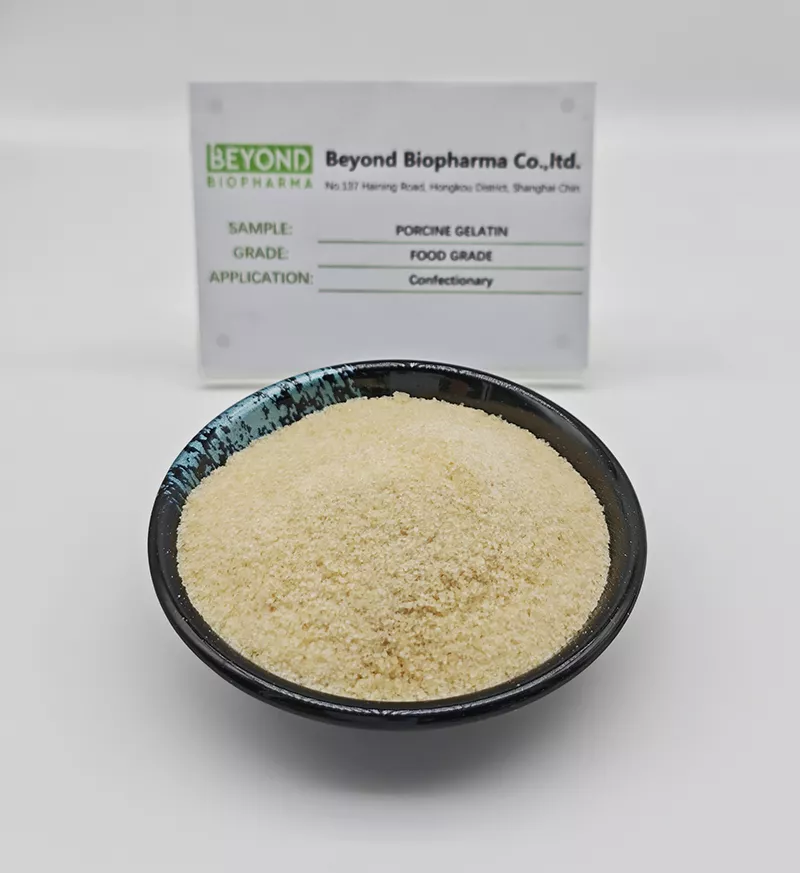
Food-grade porcine gelatin is a highly versatile and cost-effective natural protein derived from the collagen found in pig skin and bones. It is a premier gelling agent known for its exceptional clarity, neutral taste, and thermal reversibility.
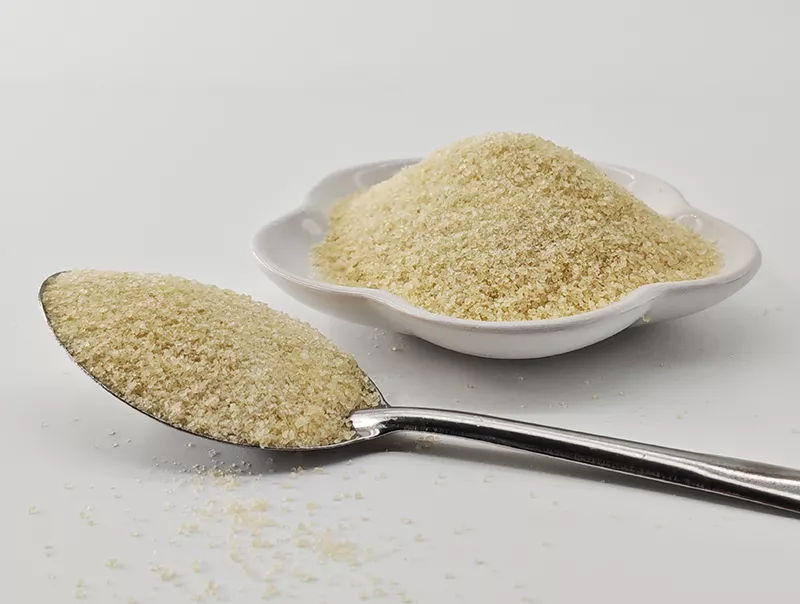
The High-Performance Barrier for Core Material Protection and Controlled Release.
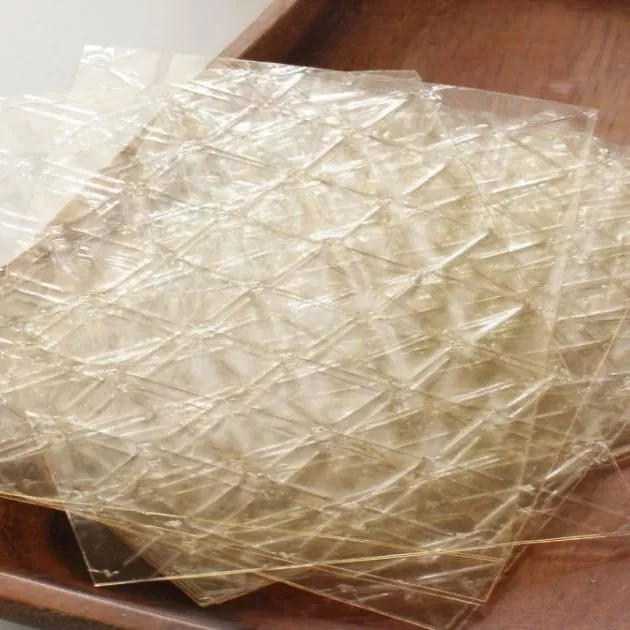
Our Gelatin Sheets are produced to precise standards, ensuring consistency and reliability across different Bloom grades (Silver being the most common professional choice).
20 years experiences, 5000 ton/year capacity, Sustained supply with stable quality
Tel:+86 21 65010906
Cell/Whatsapp/Wechat:
+86 13482884055
+86 18657345785
Email: sales@beyondbiopharma.com