What is Hydrolyzed Fish Collagen? Benefits, Uses, and How to Choose
Hydrolyzed fish collagen is a bioavailable protein ingredient sourced from fish skin and scales, broken down into small peptides (typically 2,000–5,000 Da) through enzymatic hydrolysis. For overseas buyers—whether you are a purchasing manager sourcing for nutraceutical brands or an R&D developer formulating a new beauty supplement—batch consistency, low odor, high solubility, and clean certifications are the real pain points. This article explains how it works, what specs matter, and how to choose a reliable supplier.
How Is Hydrolyzed Fish Collagen Produced?
The process starts with fresh or frozen fish skins and scales—typically from wild-caught or farmed species like tilapia, cod, or salmon. After cleaning and degreasing, the raw material undergoes controlled enzymatic hydrolysis. This breaks the long collagen triple helices into short-chain peptides. Unlike traditional gelatin, which retains gel-forming ability (bloom), hydrolyzed fish collagen does not gel and dissolves completely in cold water. The result is a fine, off-white powder with a mild, neutral taste.
Key production parameters include temperature (typically 50–60°C), pH (6.5–8.0), and enzyme type. These factors determine the final molecular weight distribution, which directly affects absorption and bioactivity. A lower molecular weight—common in fish collagen—is associated with faster absorption in the human body.
What Are the Typical Specifications for Hydrolyzed Fish Collagen?
Below is a table of common industry parameters. Note: these are generic ranges; final values should always be confirmed with a Certificate of Analysis (COA) from your supplier.
| Parameter |
Typical Industry Range |
Notes |
| Molecular Weight |
2,000 – 5,000 Da |
Fish collagen typically lower; faster absorption |
| Protein Content |
≥ 90% |
Dry basis |
| Solubility |
≥ 98% in cold water |
Clear solution, low turbidity |
| Odor |
Neutral, low fishy smell |
Quality indicator |
| Moisture |
≤ 8% |
Typical for powders |
| Heavy Metals (Pb, As, Hg) |
Complies with USP/EP |
Per supplier COA |
Low odor and high solubility are the two most common quality markers buyers look for. A well-processed hydrolyzed fish collagen should dissolve without clumping and leave no greasy residue.
What Are the Main Applications of Hydrolyzed Fish Collagen?
Hydrolyzed fish collagen is a versatile ingredient used across several industries. Here is a breakdown of common applications and recommended product forms:
- Nutraceutical & Beauty-from-Within: Used in powdered drink mixes, capsules, and ready-to-drink shots. Fish collagen peptides are popular for skin elasticity, hair, and nail support. Many brands position it as a faster-absorbing alternative to bovine collagen.
- Sports Nutrition: Added to protein bars, recovery shakes, and joint health formulas. Its high protein content and neutral flavor make it easy to blend.
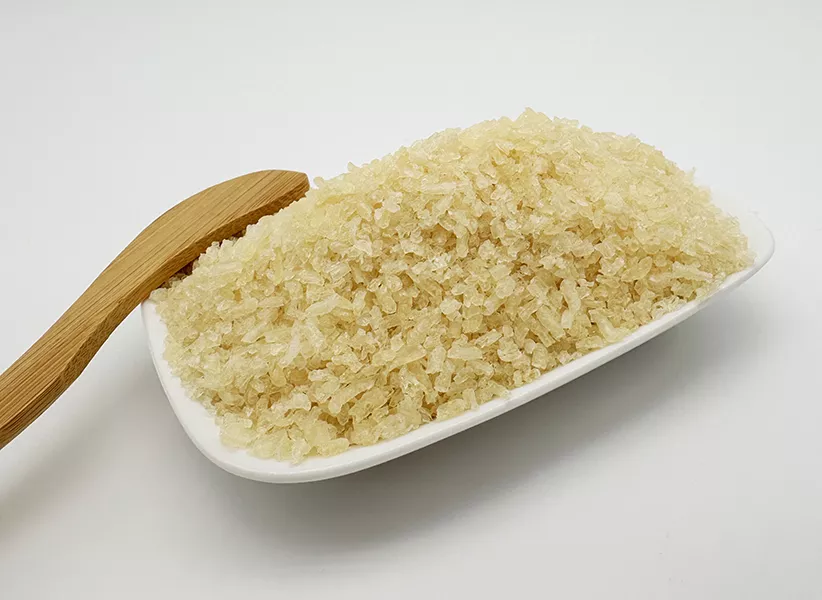
- Food & Beverage: Used in gummies, jellies, and fortified snacks. For gummy applications, food-grade gelatin is often preferred for its gelling properties, but hydrolyzed fish collagen can be added for protein fortification.
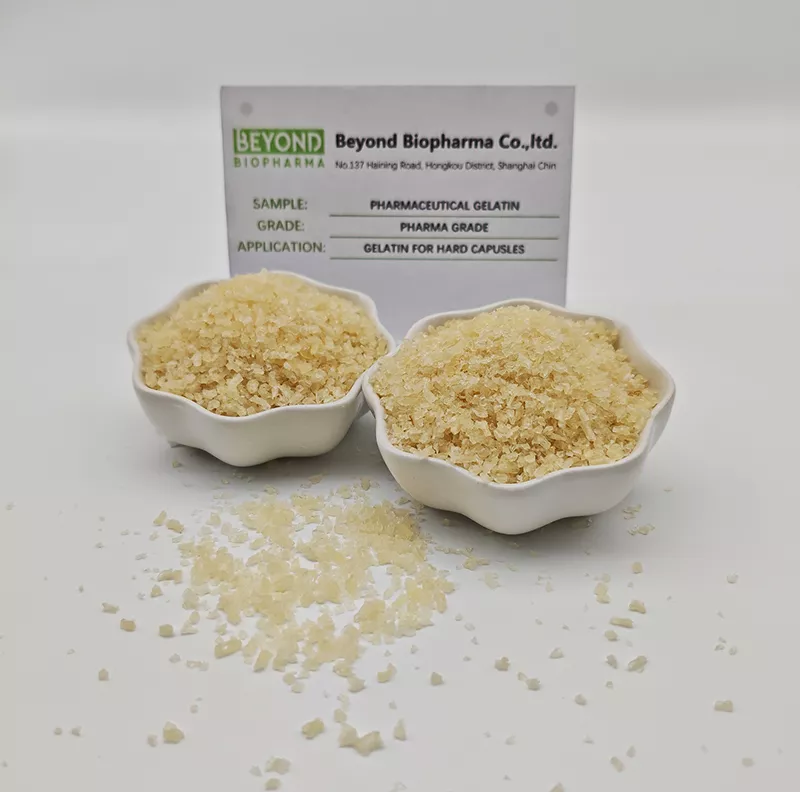
- Pharmaceutical & Medical: As an excipient in capsule shells or as a carrier for active ingredients. Pharmaceutical-grade gelatin is required for hard and soft capsules, while hydrolyzed collagen is used in wound care and bone health supplements.
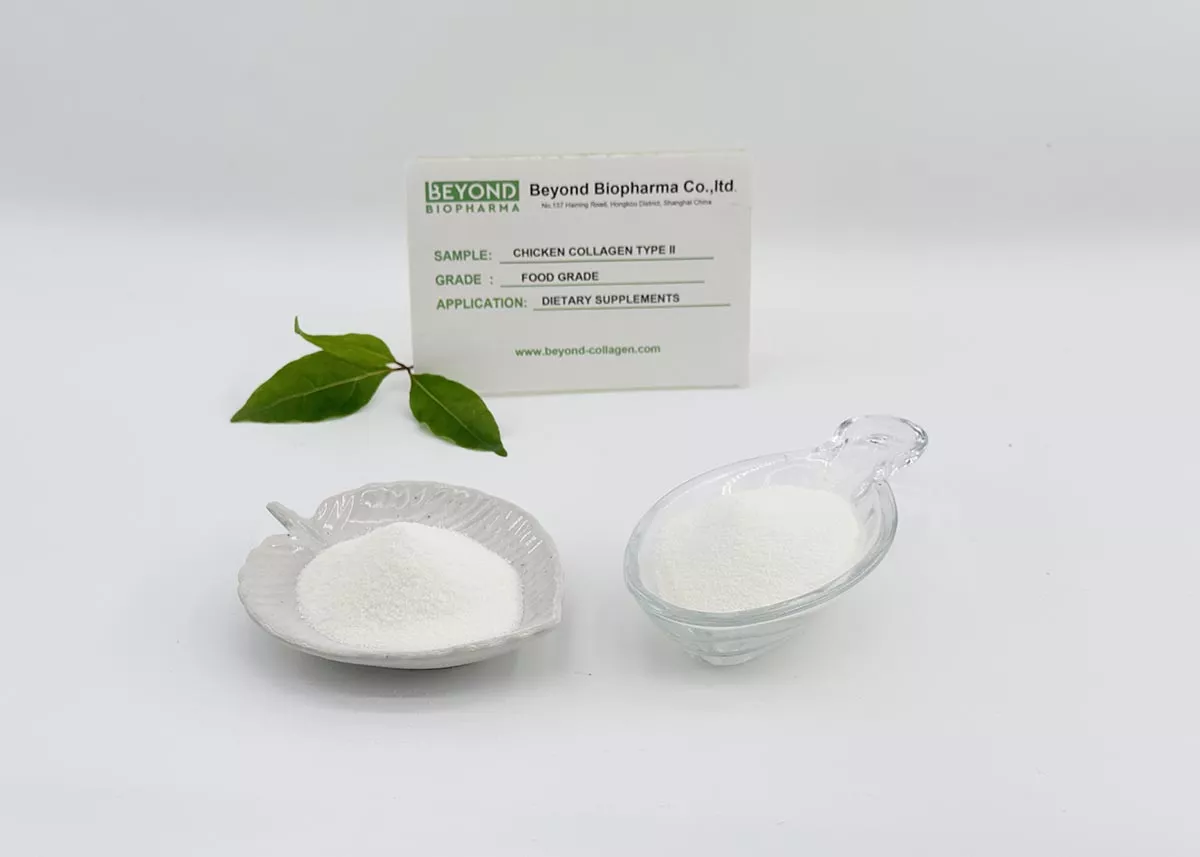
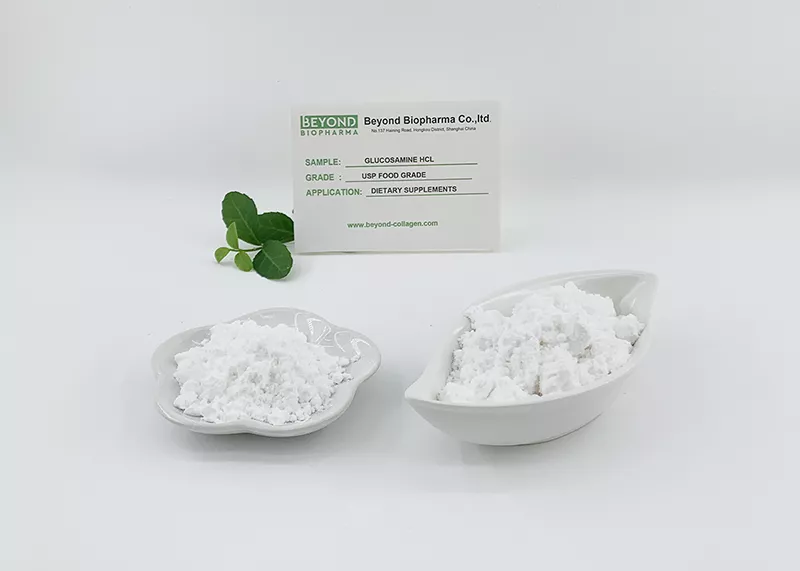
- Joint Health: Often combined with glucosamine, chondroitin, and hyaluronic acid. For joint-specific formulations, undenatured collagen type II is a complementary ingredient.
How Do You Choose the Right Hydrolyzed Fish Collagen for Your Product?
Selection depends on your final application and target market. Here are key considerations:
- Grade: Food-grade for general supplements and beverages; pharmaceutical-grade for capsule or medical applications; cosmetic-grade for topical formulations.
- Molecular Weight: Lower molecular weight (e.g., 2,000–3,000 Da) is preferred for fast absorption and high solubility. Higher molecular weight may be suitable for specific texture requirements.
- Certifications: If your market requires Halal, Kosher, or allergen-free claims, verify with the supplier. For example, Halal and Kosher verified fish gelatin is available for clean-label food applications.
- Source: Fish collagen from wild-caught species may have a different amino acid profile than farmed. Both are acceptable, but consistency is key.
- Odor & Taste: For neutral-flavor applications, request a sample to test for residual fishiness. High-quality hydrolyzed fish collagen should have minimal odor.
Why Beyond Biopharma for Hydrolyzed Fish Collagen?
Beyond Biopharma is a Shanghai-based manufacturer with over 10 years of experience in the food-ingredient industry. Our products are exported to more than 50 countries. We operate a fully automatic production line with GMP clean workshops, stainless-steel sealed piping, and automated temperature/pH control. Our annual capacity is approximately 3,000 MT for collagen and 5,000 MT for gelatin.
We hold ISO 9001 certification, are US FDA registered, and maintain a GMP clean workshop. Select products carry Halal and Kosher certification. Our in-house lab performs heavy-metal and microbiological testing, and our dedicated QA/QC team ensures batch-to-batch consistency. We offer three grades—food, pharmaceutical, and cosmetic—and support custom bulk supply and formulation/OEM.
Our product lines include edible gelatin, pharmaceutical gelatin, fish collagen peptide, bovine collagen peptide, undenatured collagen type II, plant protein peptides (pea, rice, soy), and joint health ingredients (chondroitin sulfate, glucosamine HCl, hyaluronic acid). We offer free samples and formulation support to help you select the right ingredient.
Frequently Asked Questions About Hydrolyzed Fish Collagen
Q: Is hydrolyzed fish collagen the same as fish gelatin?
A: No. Fish gelatin retains gelling properties (bloom) and is used in gummies and capsules. Hydrolyzed fish collagen is broken down further into peptides, does not gel, and dissolves completely in cold water. It is used for rapid absorption in supplements.
Q: What is the typical molecular weight of hydrolyzed fish collagen?
A: The typical industry range is 2,000–5,000 Da. Fish collagen often falls on the lower end, which is associated with faster absorption. Always check the COA for exact values.
Q: Does hydrolyzed fish collagen have a fishy smell?
A: High-quality hydrolyzed fish collagen has a neutral, mild odor. A strong fishy smell indicates poor processing or raw material quality. Request a sample to test before bulk ordering.
Q: Can hydrolyzed fish collagen be used in vegan products?
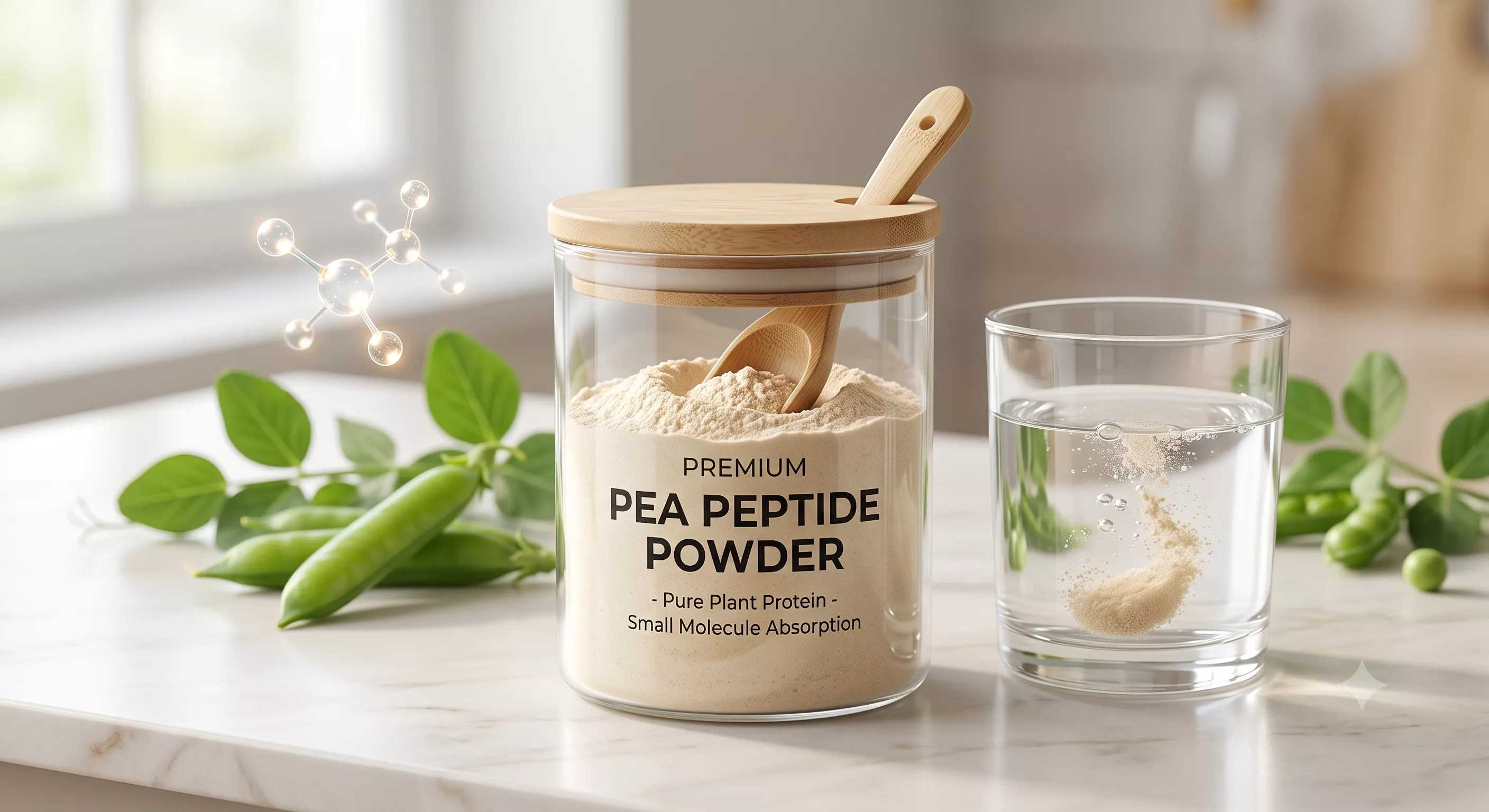
A: No, because it is derived from fish. For vegan formulations, consider plant protein peptides such as pea, rice, or soy hydrolysates, which are also available from Beyond Biopharma.
Q: What certifications should I look for when sourcing hydrolyzed fish collagen?
A: Common certifications include ISO 9001, FDA registration, Halal, and Kosher. For pharmaceutical use, GMP compliance and heavy-metal testing are essential. Beyond Biopharma provides all these.
Q: How does hydrolyzed fish collagen compare to bovine collagen?
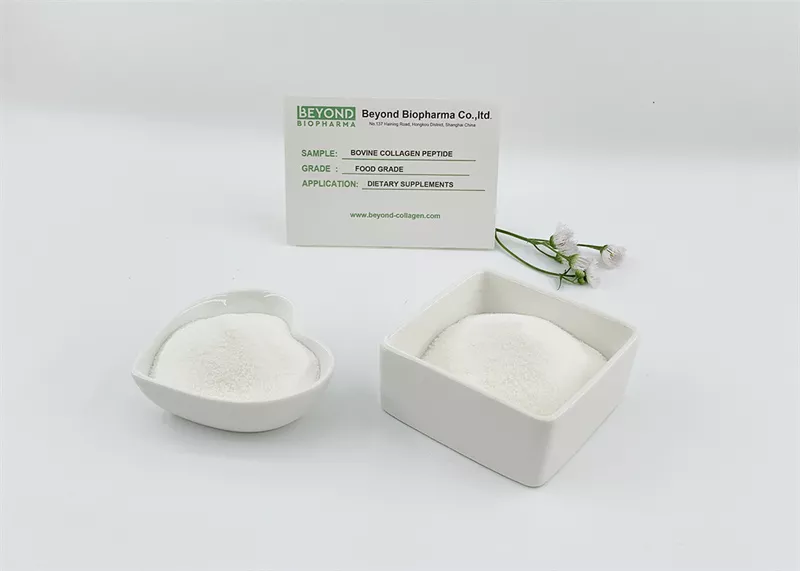
A: Fish collagen typically has a lower molecular weight and is absorbed faster. It is also suitable for consumers who avoid bovine products. Bovine collagen, on the other hand, is more widely used in gelling applications and is often more cost-effective for bulk formulations.
Request a Quote and Free Sample
If you are sourcing hydrolyzed fish collagen for your next product, we invite you to contact Beyond Biopharma. Please provide the following details so we can send you a tailored quote and free sample:
- Your intended application (food, nutraceutical, pharmaceutical, cosmetic)
- Required grade (food, pharmaceutical, or cosmetic)
- Target quantity and MOQ
- Preferred specifications (molecular weight, solubility, certifications)
- Destination country for shipping
Our team will respond with a product recommendation, COA, and pricing. We support custom bulk supply and formulation/OEM. Let us help you find the right hydrolyzed fish collagen for your market.

 English EN








User Comments
Service Experience Sharing from Real Customers
Megan
Yoga InstructorI've been taking fish collagen for about three months now, and the difference in my joint flexibility is honestly surprising. As someone who's on the mat all day, I used to have this constant dull ache in my knees. It's pretty much gone. The hydrolyzed kind mixes easily into my morning smoothie with no fishy taste at all. I'm sticking with this.
Leo
Construction Site ManagerMy wife got this for me after I kept complaining about my old football injuries acting up. Skeptical at first, but I have to admit, my skin doesn't feel as dry and my knuckles aren't as stiff in the cold mornings on site. Knocking off one star because the packaging could be sturdier—mine arrived with a small tear.
Chloe
Graphic DesignerAll-nighters and screen time are brutal on my skin. A friend in dermatology suggested trying marine collagen. This hydrolyzed fish collagen has been a game-changer. My complexion looks brighter and less tired, and my fine lines seem softer. It's become a non-negotiable part of my coffee routine. Zero aftertaste, which is a huge win.
Ryan
Retired TeacherAt my age, you try things hoping for a bit of relief. I read about collagen for gut and joint health. This powder dissolves completely in my oatmeal. I can't say I've turned back the clock, but I do feel a bit more spring in my step during my daily walks, and my digestion has been smoother. Pleasant surprise overall.