
EN
Quality control officers and procurement managers must verify halal kosher gelatin certificate authenticities through precise validation protocols. Proper verification requires authenticating the issuing religious authority, auditing manufacturing plant and product scope, validating current expiration dates, and matching lot-specific Certificates of Analysis. Sourcing unverified or fraudulent gelatin creates severe financial, legal, and brand risks for global food, beverage, and pharmaceutical manufacturers. Contaminated or falsely labeled raw ingredients trigger costly finished product recalls, border rejections, and strict regulatory fines. Furthermore, uncertified dietary materials destroy consumer market trust instantly. Rigorous document authentication protects supply chain integrity, shields corporate brands from liability, and ensures seamless commercial compliance across international markets.
Religious dietary laws establish strict guidelines for acceptable gelatin raw materials. Halal and Kosher standards govern animal species selection and slaughter methods.
Major halal certification bodies enforce clear rules regarding permissible animal sources:
Fish: Permitted as long as the fish species is permissible for consumption and not mixed with non-halal materials; no ritual slaughter required.
Bovine (cattle): Permitted if cattle are slaughtered according to Islamic rules and processing meets halal requirements.
Sheep, goats, poultry, and other permissible animals: Permitted, but source, slaughter, and certification must be verified.
Porcine (pork): Strictly prohibited.
Unknown source: Not accepted.
Religious standards create distinct operational requirements for raw ingredient procurement:
Aspect | Kosher Gelatin Certification | Halal Gelatin Certification |
|---|---|---|
Source of Pork | Permitted by some Jewish authorities | Strictly prohibited |
Source of Beef | Must be from kosher-slaughtered animals (Shechita) | Must be from halal-slaughtered animals (Zabiha) |
Permissible | Permissible | |
Alcohol Usage | Allowed if produced under kosher standards | Prohibited in any form |
Certification Standards | Based on Jewish dietary laws (Torah, Talmud) | Based on Islamic law (Quran, Hadith) |
Halal Acceptance | Not automatically halal; depends on source | Only if explicitly halal-certified |
Most major halal certification bodies, including IFANCA and JAKIM, do not accept istihalah as grounds for certifying porcine gelatin. Manufacturers should not rely on this argument for mainstream halal markets.
Processing facilities must maintain complete separation between compliant and non-compliant processing streams. Shared equipment can transfer non-kosher or non-halal residues directly into finished batches.
Manufacturers must prevent contact with non halal materials during production, storage, and transport.
Kosher standards require mandatory kosherization when switching equipment from non-kosher to kosher ingredients. Processing plants maintain strict cleanliness through specific mitigation strategies:
Cross-Contamination Risk | Mitigation/Prevention |
|---|---|
Shared equipment, machinery, processing or storage areas with non-halal substances without thorough cleaning | Implement strict segregation protocols, maintain dedicated production lines, machinery, and equipment to avoid contact with non-halal materials |
Lack of traceability and batch-specific assurance | Use batch certification process: source verification, production oversight, and batch-specific documentation to ensure halal compliance and avoid cross-contamination |
Facilities ensure compliance through regular cleaning validation procedures and food-grade sanitizers. Detailed supplier process maps identify potential contamination risks across production lines.
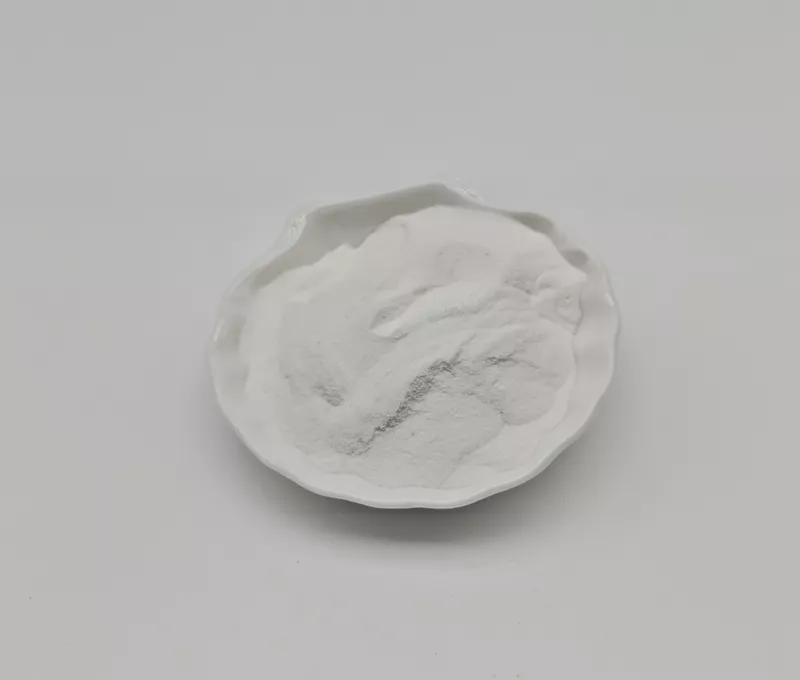
Procurement teams must inspect raw material credentials before finalizing supplier contracts. Quality assurance officers must verify halal kosher gelatin certificate authenticity directly through official databases. Buyers directly contact major certifying authorities like the Orthodox Union (OU), IFANCA, or JAKIM to validate vendor listings. Certifying organizations maintain searchable digital databases for quick cross-referencing. Regional regulatory frameworks dictate certifier authority across global target markets:
Halal destination markets require specific board recognitions, such as JAKIM for Malaysia, MUI for Indonesia, SFDA for Saudi Arabia, and UAE.S. 2055 for the UAE.
Kosher destination markets require recognized boards like the Orthodox Union (OU), Kof-K, or Star-K, alongside the Chief Rabbinate of Israel for Israeli distribution.
Compliance officers cross-check physical paperwork against official public registries. QA managers confirm facility addresses to prevent unauthorized third-party manufacturing. Authentic paper documents must display clear validation details:
Certified company name, manufacturing facility name, and plant physical address
Exact commercial product name and raw material description
Certificate registration number and religious authorization code
Official issue date and current validity expiration date
Auditors reject blanket certificates because generic approvals fail to confirm lot integrity. Quality control teams verify halal kosher gelatin certificate validity by auditing batch-specific parameters against the vendor Lot Certificate of Analysis (CoA). Every compliant production lot requires a distinct religious certificate. Unmatched batch numbers indicate high potential risks for ingredient substitution. The complete documentation chain links the finished gelatin batch directly to specific slaughterhouse logs, rendering facilities, and origin farms.
Regulators mandate rigorous testing protocols to prevent cross-contamination. For example, JAKIM requires self-monitoring routines for gelatin manufacturers using accredited MS ISO/IEC 17025 laboratories. Testing facilities run Real-Time PCR (qPCR) assays to detect porcine DNA contamination in raw materials and finished lots. Laboratories submit these certified analytical records by the 15th of each month. Procurement officers ensure complete batch traceability by matching shipping manifests, CoA numbers, and religious batch certificates before releasing ingredients to manufacturing facilities. Strict audit protocols protect production lines from unverified commercial stock.
Fraudulent paper certificates expose food and pharmaceutical companies to severe supply chain risks. Procurement officers must spot warning signs during routine document audits. Invalid certificates often feature unaccredited issuing boards, generic claims, and missing facility addresses. Suspicious vendors present mismatched batch codes or refuse to share raw material audit trails. Quality assurance teams reject documentation when vendor records lack clear links to production facilities.
Quality control officers verify halal kosher gelatin certificate validity by auditing facility accreditations and batch records directly. Reliable suppliers maintain robust quality management certifications including ISO 9001, ISO 22000, HACCP, and GMP. Rigorous safety standards require comprehensive analytical testing for every production lot:
Total aerobic microbial count must remain ≤1000 CFU/g alongside the complete absence of E. coli and Salmonella.
Certificate of Analysis documents must verify bloom strength, viscosity, pH, moisture, and ash parameters.
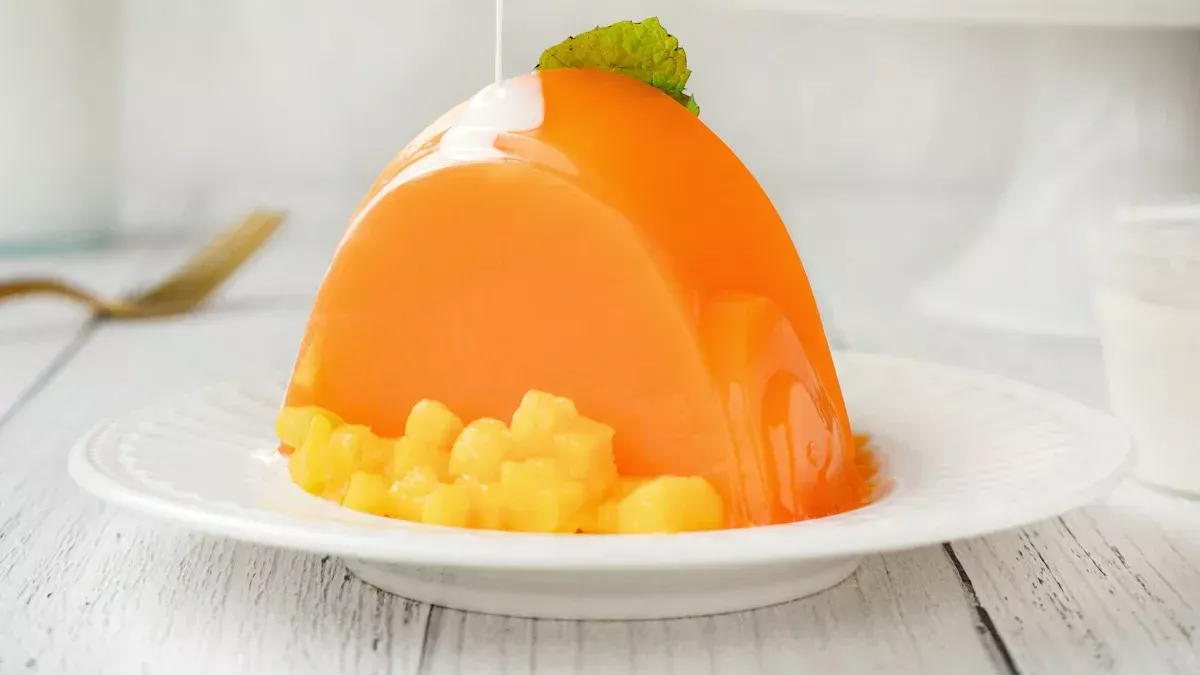
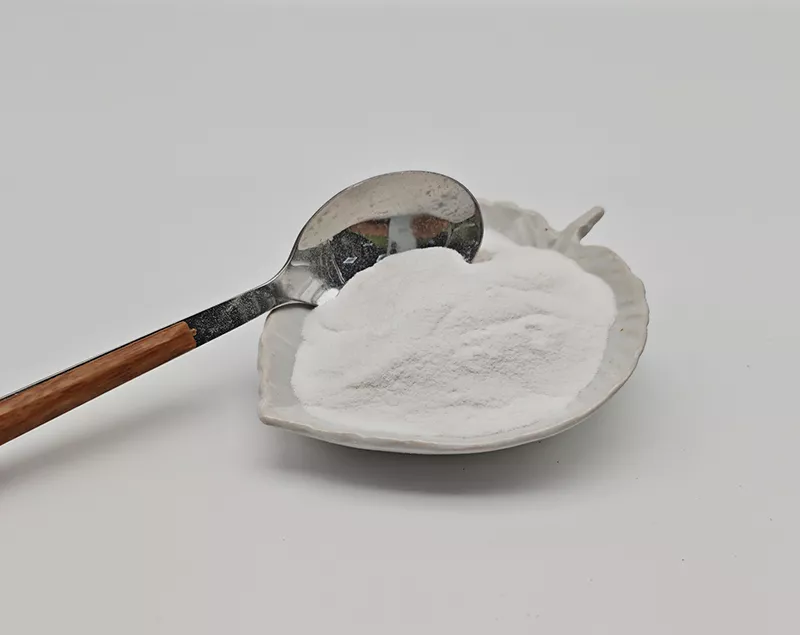
Food manufacturers lower regulatory risks by partnering directly with transparent ingredient suppliers. Beyond Biopharma supplies Halal and Kosher Verified Fish Gelatin for Clean Label Foods to streamline global dietary compliance. Raw material processors derive this premium ingredient from high-quality cod and tilapia skins and scales. The resulting product provides a pescatarian-friendly, BSE/TSE-free, non-GMO, and cholesterol-free alternative to traditional mammalian gelatin sources.
The clean-label trend drives demand for gelatin as a natural, non-GMO, cholesterol-free ingredient, positioning fish gelatin as an appealing alternative to synthetic additives.
This versatile fish gelatin delivers distinct functional advantages across food and beverage applications. The ingredient features a low Bloom strength between 0–50 Bloom and a low melting point around 25°C. Advanced manufacturing ensures neutral flavor, high clarity, low viscosity, and instant cold-water solubility. Beyond Biopharma manufactures all product batches under certified GMP, ISO 9001, ISO 22000, and FSSC 22000 standards to ensure full traceability.
Quality assurance teams protect supply chains through a clear verification protocol:
Audit religious certifying authorities directly through official databases.
Confirm facility addresses, product scope, and certificate expiration dates.
Demand lot-specific certificates matching raw material Certificates of Analysis.
Procurement officers verify halal kosher gelatin certificate authenticity to eliminate dietary compliance risks. Partnering directly with transparent manufacturers like Beyond Biopharma simplifies market entry. Beyond Biopharma produces traceable fish gelatin under GMP, ISO 9001, ISO 22000, and FSSC 22000 standards. Regulatory and procurement teams should contact Beyond Biopharma today to request certified product samples, technical documentation, and full batch traceability reports.
Yes. Fish gelatin derived from approved species like cod or tilapia meets both religious standards. Procurement teams must still audit processing facilities and verify halal kosher gelatin certificate authenticity with authorized religious boards to ensure full compliance.
Generic facility certificates fail to guarantee individual shipment integrity. Quality control officers match batch religious certificates directly with the product Certificate of Analysis. This validation step prevents raw material substitution and ensures complete traceability for every lot.
No. Kosher standards allow certain processing agents that Islamic law prohibits, including specific alcohol uses. Manufacturers cannot assume cross-compliance. Quality managers must verify each dietary claim independently through recognized Islamic certifying bodies.
Fish gelatin offers a low Bloom strength between 0–50 Bloom and a melting point around 25°C. These physical properties deliver instant cold-water solubility, low viscosity, and a fast melting profile for specialized food applications.


Tel:+86 21 65010906
Cell/Whatsapp/Wechat:
+86 13482884055
+86 18657345785
Email: sales@beyondbiopharma.com





 English EN


