English EN


Hydrolyzed Collagen Powder What Works and What to Watch Out For
Hydrolyzed collagen powder supports joints, skin, and bones but may cause digestive issues or allergies. Learn benefits, risks, and how to choose quality.
MoreHydrolyzed collagen peptides are derived from native collagen through a controlled enzymatic process known as hydrolysis. This process cleaves the large collagen protein into smaller, low-molecular-weight peptide chains, typically ranging from 2,000 to 5,000 Daltons. The reduction in molecular size is critical because it enhances solubility in cold water and allows the peptides to bypass the body’s primary digestive barrier.
Once ingested, these small peptides are rapidly absorbed through the intestinal wall via dipeptide and tripeptide transporters, entering the bloodstream intact. Unlike whole proteins that require extensive breakdown, hydrolyzed collagen peptides are already primed for direct uptake. Clinical studies demonstrate that after oral administration, measurable levels of specific collagen-derived amino acids such as hydroxyproline and glycine appear in the blood within one to two hours.
The key to maximum bioavailability lies in the precise degree of hydrolysis. If the peptides are too large, absorption efficiency drops; if too small, the peptides may lose their biological activity. Manufacturers carefully control enzyme types and reaction times to achieve an optimal peptide profile. This ensures that the final product delivers a high concentration of bioactive fragments capable of stimulating fibroblast activity in the dermis.
Once absorbed, these peptides accumulate in the skin and connective tissues, where they act as signaling molecules. They trigger the synthesis of new collagen, elastin, and proteoglycans, effectively counteracting age-related degradation. Research indicates that consistent supplementation with hydrolyzed collagen peptides can improve skin hydration, elasticity, and density within eight to twelve weeks.
For those seeking to optimize skin health, the choice of collagen source matters. Marine-derived peptides, for instance, have a smaller particle size and higher absorption rate compared to bovine or porcine sources. Products like fish collagen peptide for skin health supplements are specifically formulated to deliver these rapidly absorbable peptides. Additionally, combining collagen with vitamin C can further enhance endogenous synthesis, as ascorbic acid is a necessary cofactor for proline and lysine hydroxylation during collagen production.
The structural integrity of hydrolyzed collagen peptides also allows them to be incorporated into various delivery formats, from powders to ready-to-drink liquids, without losing efficacy. This versatility, combined with their scientifically validated absorption pathway, makes hydrolyzed collagen a cornerstone ingredient in modern dermatological nutrition. For applications in functional foods, bovine collagen peptide for energy bar products offers a practical way to support skin health through daily dietary intake.
Ultimately, the transformation of skin health via hydrolyzed collagen peptides is a direct result of their engineered bioavailability. By understanding the science of their breakdown and absorption, consumers can make informed choices about supplementation. Advanced formulations, such as those found in hydrolyzed collagen type II powder for comprehensive joint support, further illustrate how targeted peptide profiles can benefit both skin and connective tissues simultaneously.
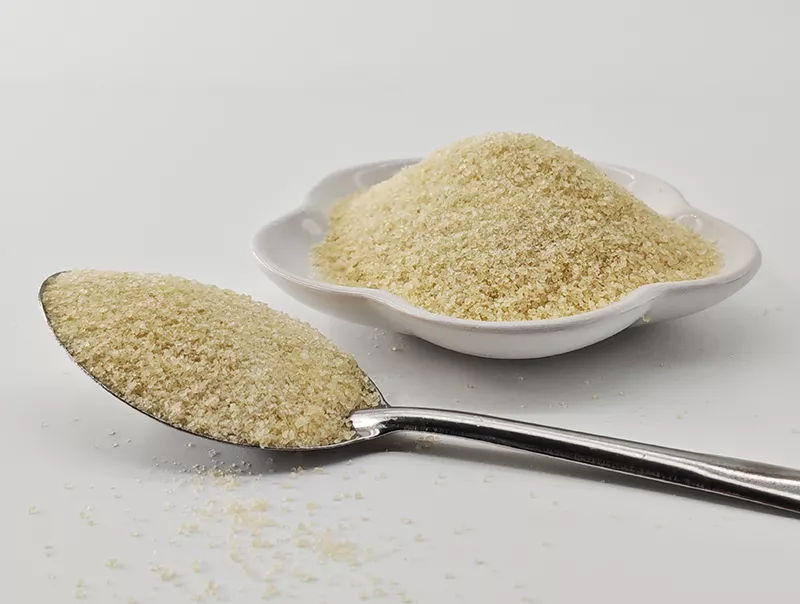
Hydrolyzed collagen peptides are broken down into smaller chains, allowing for superior absorption and bioavailability. This enhanced delivery system directly supports the skin's dermal matrix, stimulating fibroblasts to produce new collagen and elastin fibers.
Standard collagen molecules are too large to be effectively absorbed by the body. In contrast, hydrolyzed collagen's low molecular weight ensures it reaches the deeper layers of the skin, where it actively restores structural integrity and boosts moisture retention.
Clinical studies show that regular intake of hydrolyzed collagen can increase skin hydration by up to 28% and significantly improve elasticity within just 8 weeks. The unique peptide profile also helps reduce the appearance of fine lines and wrinkles by promoting a denser, more resilient dermis.
Unlike standard collagen, which often degrades during digestion, hydrolyzed collagen peptides are highly stable and resistant to enzymatic breakdown. This ensures a consistent supply of amino acids like glycine, proline, and hydroxyproline, which are essential for maintaining skin firmness and plumpness.
For optimal results, choose a high-quality hydrolyzed collagen supplement with a verified peptide profile. Consistent daily use, combined with a balanced diet and proper skincare, can lead to visibly smoother, more hydrated, and youthful-looking skin over time.
Hydrolyzed collagen peptides are processed through enzymatic hydrolysis, which breaks down full-length collagen into smaller, more bioavailable peptides. This structural difference gives them a distinct advantage over native collagen, gelatin, and other forms when targeting skin health. Below is a direct comparison of key attributes.
| Attribute | Hydrolyzed Collagen Peptides | Native Collagen | Gelatin |
|---|---|---|---|
| Molecular Weight | Low (2–5 kDa) | High (300 kDa+) | Medium (50–100 kDa) |
| Solubility (Cold Water) | Excellent | Insoluble | Requires heat |
| Digestibility & Absorption | High (rapid uptake) | Low (poor absorption) | Moderate |
| Bioactive Peptides (e.g., Pro-Hyp) | Rich in specific dipeptides | Minimal | Some, but less concentrated |
| Skin Health Efficacy (Clinical Support) | Strong (hydration, elasticity, wrinkle reduction) | Limited | Moderate |
The data clearly shows that hydrolyzed collagen peptides offer superior bioavailability and targeted skin benefits compared to native collagen and gelatin. Their low molecular weight allows them to be rapidly absorbed into the bloodstream and delivered to the dermis, where they stimulate fibroblast activity and promote collagen synthesis.
For manufacturers and formulators seeking a science-backed ingredient for skin health supplements, hydrolyzed collagen peptides provide a distinct functional advantage. They are easily incorporated into powders, capsules, and functional foods without compromising texture or stability.
To learn more about high-quality collagen peptide sources for your product development, explore our fish collagen peptide and bovine collagen peptide offerings, or review our hydrolyzed collagen type II powder for comprehensive joint and skin support.
Numerous clinical studies have demonstrated that oral supplementation with hydrolyzed collagen peptides can significantly improve skin hydration, elasticity, and density. A double-blind, placebo-controlled trial published in the Journal of Cosmetic Dermatology found that women aged 35-55 who consumed 2.5g of collagen peptides daily for 8 weeks experienced a 27% reduction in wrinkle depth and a 15% increase in skin firmness compared to the placebo group.
The mechanism involves stimulating dermal fibroblasts to produce new collagen and elastin fibers. Research indicates that specific bioactive dipeptides like proline-hydroxyproline and hydroxyproline-glycine are absorbed intact into the bloodstream and accumulate in skin tissue, triggering extracellular matrix remodeling. A 12-week study using collagen type I peptides showed a 65% improvement in skin roughness and a 50% increase in procollagen type I levels.
Systematic reviews of 19 randomized controlled trials confirm that hydrolyzed collagen peptides are effective for improving skin aging parameters, with optimal results seen at daily doses of 2.5-10g over a minimum of 8 weeks. The evidence strongly supports collagen peptides as a clinically validated nutritional strategy for maintaining youthful skin structure.
View Related Clinical Studies & Product Information →Add one scoop of unflavored hydrolyzed collagen peptide powder to your morning coffee, tea, or matcha latte. It dissolves easily without altering taste or texture, making it a seamless way to boost your daily protein intake and support skin elasticity from within.
Blend hydrolyzed collagen peptides into your breakfast smoothie, oatmeal, or yogurt bowl. Pair it with vitamin C-rich fruits like berries or citrus to enhance collagen production and absorption for better skin health.
Stir collagen powder into warm soups, stews, or bone broth after cooking. It adds a protein boost without changing flavor, helping to strengthen your skin barrier and improve hydration over time.
Replace a portion of flour with collagen peptide powder in recipes for muffins, pancakes, or energy bars. This fortifies your snacks with skin-supporting amino acids while maintaining a soft texture.
Look for serums, moisturizers, or masks containing hydrolyzed collagen peptides. Apply after cleansing to help retain moisture, improve skin firmness, and reduce fine lines when used consistently as part of your nightly routine.
Pair your collagen supplement with food-grade hyaluronic acid powder for enhanced hydration and plumper-looking skin. Both ingredients work together to support the skin’s extracellular matrix and maintain a youthful glow.
Select fish collagen peptide for skin health supplements or bovine collagen peptide for energy bar products depending on your dietary needs. Marine collagen is known for its high bioavailability, while bovine collagen offers a robust amino acid profile for skin repair.
For best results, consume collagen peptides daily for at least 8–12 weeks. Combine with a balanced diet, adequate water intake, and sun protection to maximize the transformative effects on your skin health.
The science behind hydrolyzed collagen peptides reveals a clear advantage for skin health. Through enzymatic hydrolysis, collagen is broken down into low-molecular-weight peptides that are efficiently absorbed and utilized by the body, offering superior bioavailability compared to standard collagen.
Key benefits for skin elasticity and hydration are well-documented. Hydrolyzed collagen outperforms standard collagen by directly stimulating fibroblast activity, promoting natural collagen synthesis, and enhancing the skin's moisture retention capacity.
When comparing hydrolyzed collagen peptides to other collagen types, their unique peptide profile sets them apart for skin health. The smaller particle size ensures deeper dermal penetration and more targeted delivery of amino acids essential for skin structure repair.
Clinical evidence and research consistently support wrinkle reduction and improved skin firmness with regular intake of hydrolyzed collagen peptides. Studies demonstrate measurable decreases in wrinkle depth and significant improvements in skin density and firmness within 8 to 12 weeks.
For practical tips on incorporating hydrolyzed collagen peptides into your daily routine, consider adding a high-quality supplement to your morning beverage or mixing unflavored peptides into soups and smoothies. Topical serums containing hydrolyzed collagen can further complement oral intake for enhanced skin benefits.
Final Verdict
Hydrolyzed collagen peptides offer a science-backed, highly absorbable solution for improving skin elasticity, hydration, and firmness. Whether taken as a supplement or applied topically, their unique structure makes them a standout choice for anyone serious about transforming their skin health.
We provide you with comprehensive foreign trade solutions to help enterprises achieve global development
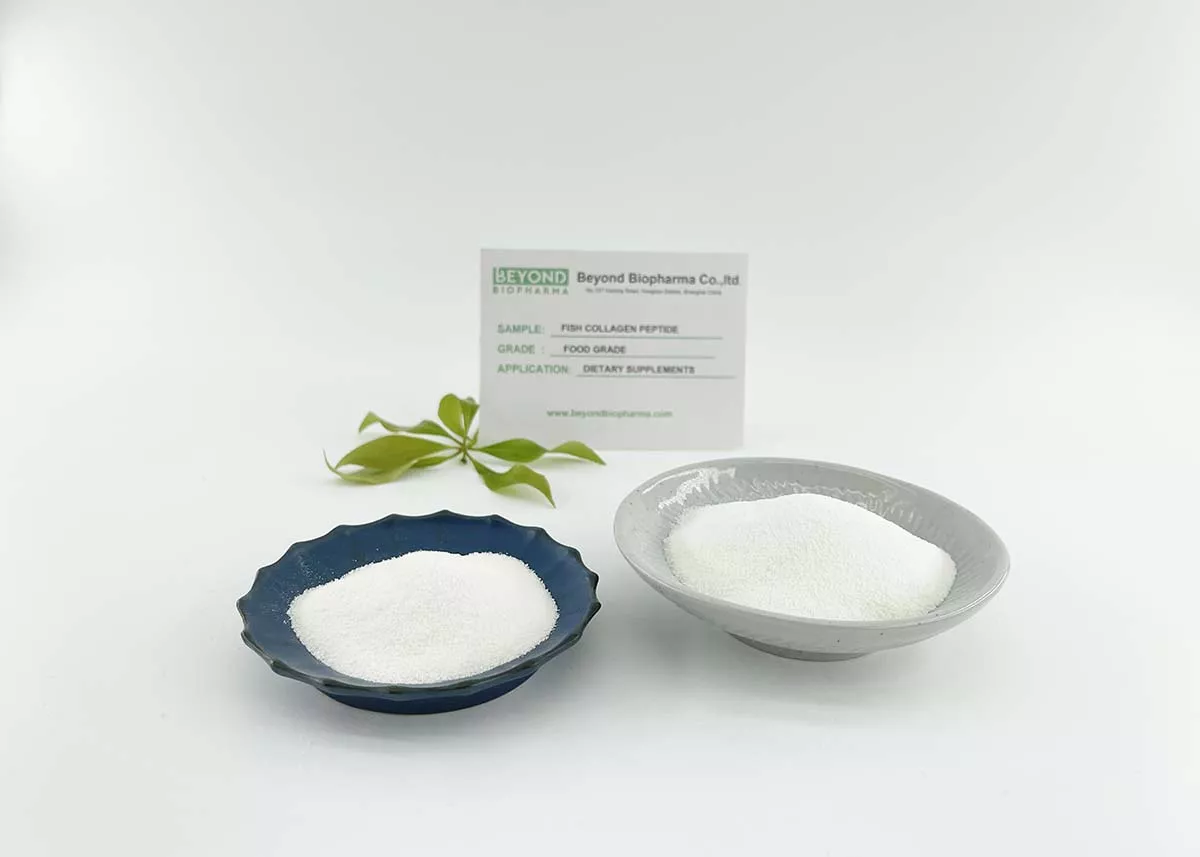
Premium marine-sourced collagen peptides with >90% protein content and low molecular weight (1000-3000 Da) for superior bioavailability. Sustainably sourced, neutral taste, and fully soluble—ideal for nutricosmetics and functional foods.
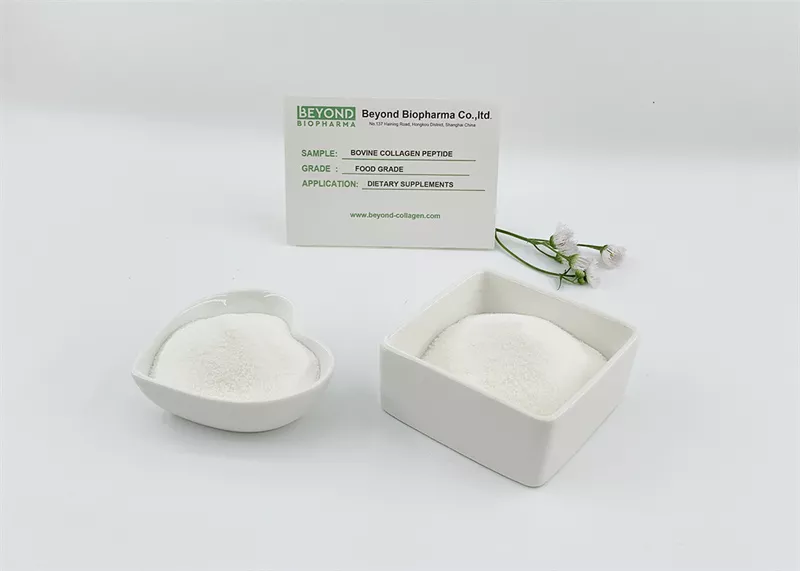
Manufacturer of bovine collagen peptide, shipping in containers all around the world
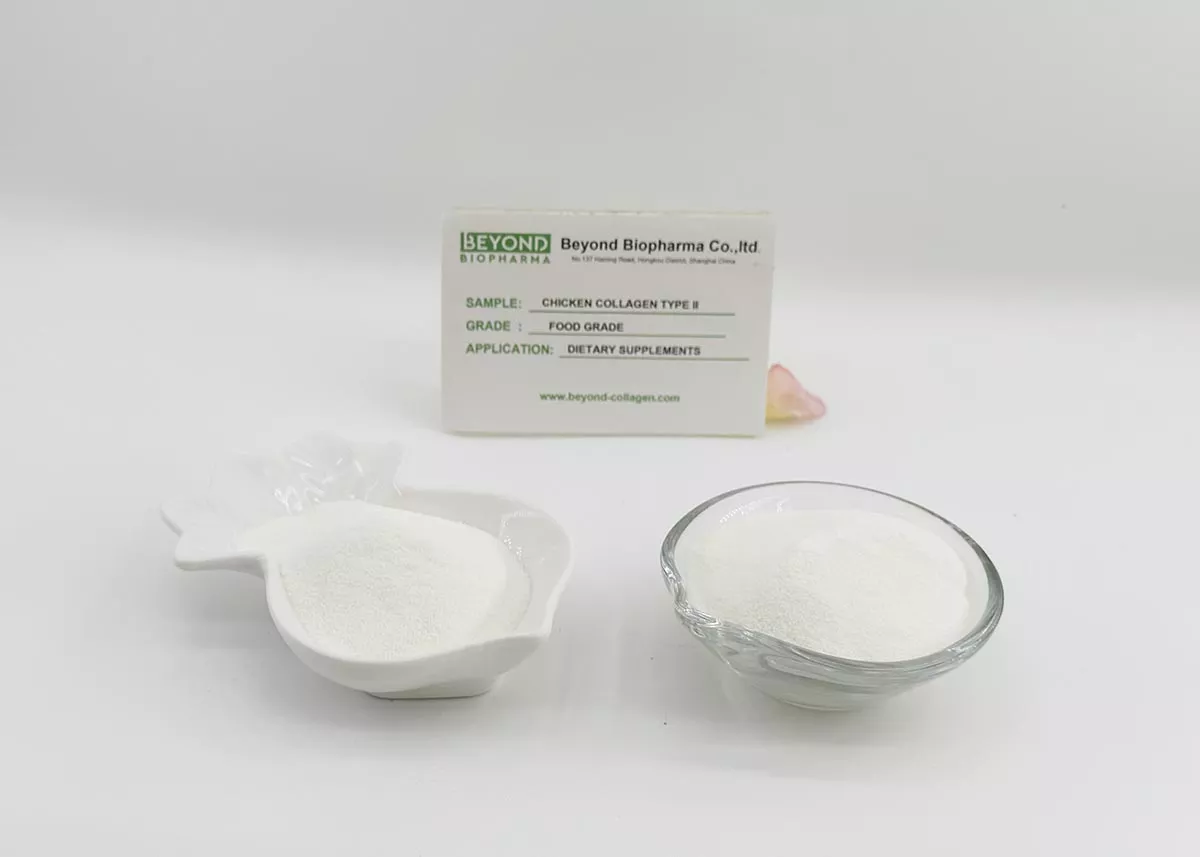
BEYOND BIOPHARMA is a specialized manufacturer of highly purified Hydrolyzed Collagen Type II. Through advanced enzymatic hydrolysis, we create low-molecular-weight collagen peptides that are highly bioavailable, offering foundational nutritional support for cartilage repair, joint function, and skin health. Our product is designed for rapid absorption and maximum efficacy in oral supplements.
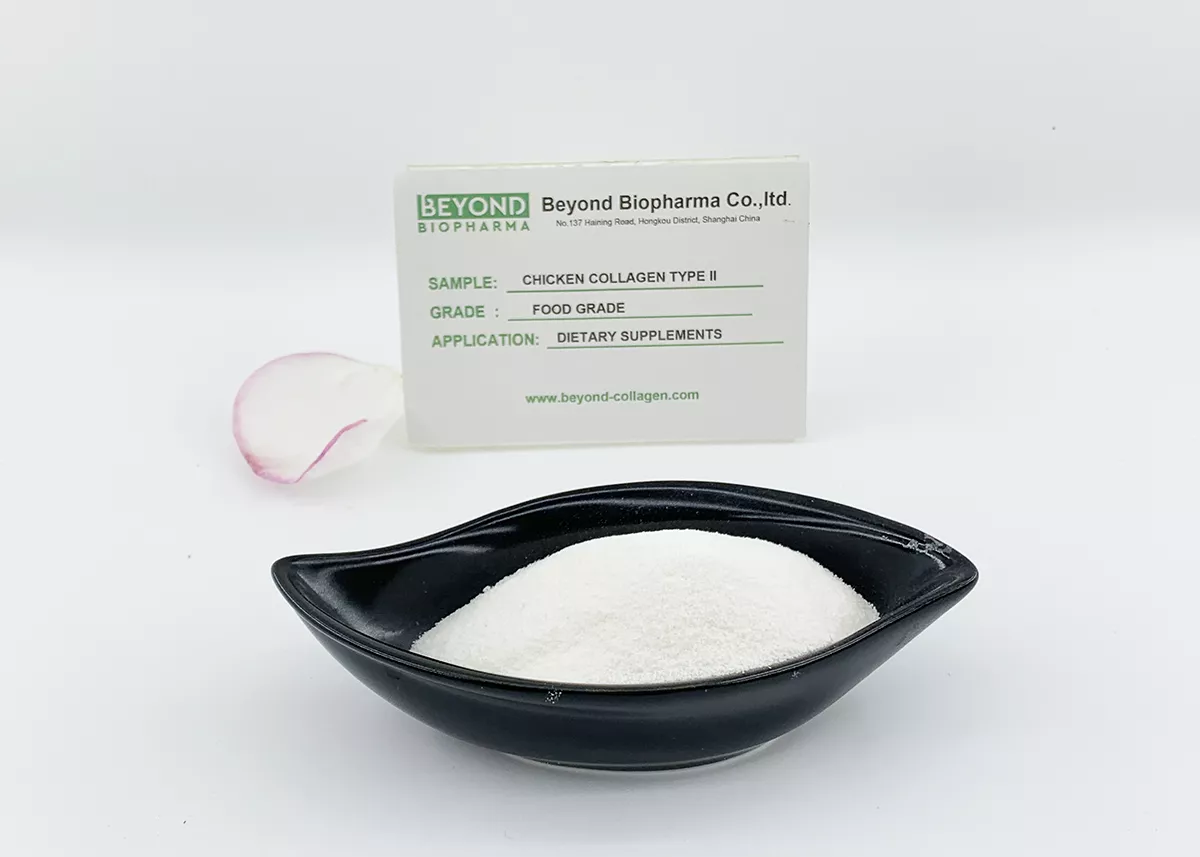
BEYOND BIOPHARMA is a specialized manufacturer of high-quality Undenatured Collagen Type II. Utilizing low-temperature, non-enzymatic extraction methods, our Undenatured Collagen Type II retains its native, triple-helix structure, essential for modulating the immune system's response to joint health and providing superior support for mobility, flexibility, and overall joint comfort.

Tel:+86 21 65010906
Cell/Whatsapp/Wechat:
+86 13482884055
+86 18657345785
Email: sales@beyondbiopharma.com