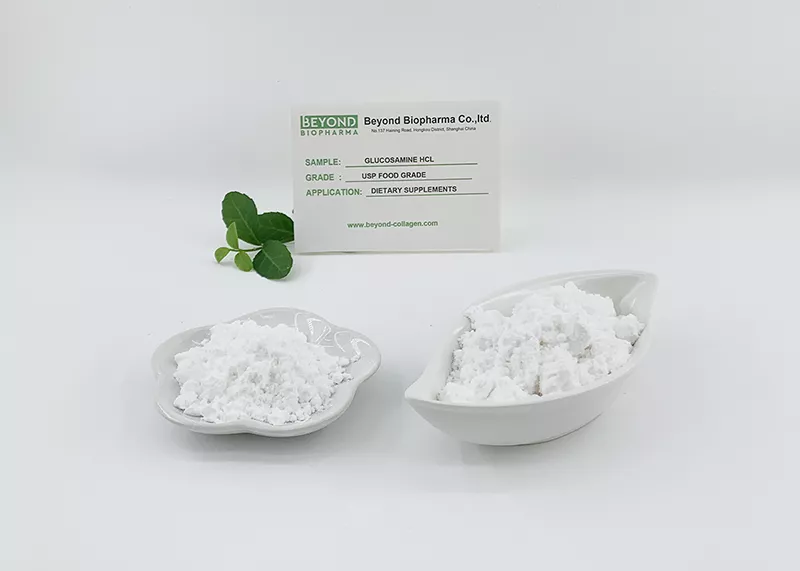
Clear gelatin powder serves as a foundational excipient in modern pharmaceutical formulations, particularly in capsule manufacturing and controlled-release systems. The clarity of gelatin isn't merely an aesthetic consideration; it often indicates superior purification processes that remove impurities, pigments, and particulates that could interfere with drug stability or bioavailability.
When selecting gelatin for sensitive applications, formulators prioritize consistent molecular weight distribution, controlled viscosity, and minimal endotoxin levels. These parameters directly influence capsule dissolution profiles, content uniformity, and ultimately, patient outcomes. Our approach focuses on gelatin that meets not just pharmacopeial standards but exceeds them in critical areas like batch-to-batch consistency and traceability.
Beyond traditional capsules, clear gelatin enables innovative delivery platforms including microencapsulation, film coatings, and hydrogel matrices for topical and implantable devices. Its biocompatibility and tunable physical properties make it indispensable for researchers developing next-generation therapeutic systems.
Pharmaceutical-grade gelatin represents the highest tier of quality within the gelatin industry, distinguished by rigorous testing protocols and documentation requirements. Unlike food-grade alternatives, pharmaceutical gelatin must demonstrate compliance with multiple regulatory frameworks including USP/NF, EP, and JP monographs, along with ICH guidelines for stability and impurity profiling.
Key quality indicators include bloom strength consistency within ±10 g, viscosity control for automated manufacturing equipment, pH ranges optimized for specific applications, and microbial limits that ensure product safety throughout its shelf life. Additionally, advanced testing for heavy metals, residual solvents, and protein composition provides assurance of purity and performance.
Our quality assurance extends beyond standard testing to include supply chain transparency, from raw material sourcing through finished product release. This comprehensive approach ensures that every batch delivers predictable performance in your formulations, reducing development timelines and manufacturing variability.
Endotoxin contamination represents a significant safety concern in biomedical applications, particularly for products administered parenterally or implanted within the body. These pyrogenic substances can trigger inflammatory responses, fever, and in severe cases, septic shock. For gelatin used in hemostats, tissue engineering scaffolds, or drug-eluting implants, endotoxin levels must be controlled to values typically below 0.25 EU/mg.
Manufacturing processes for low-endotoxin gelatin involve multiple purification steps including ion exchange, ultrafiltration, and validated depyrogenation methods. These processes must balance endotoxin removal with preservation of gelatin's functional properties, creating a technical challenge that requires specialized expertise.
The investment in low-endotoxin gelatin pays dividends in reduced regulatory scrutiny, enhanced patient safety, and expanded application possibilities. As regenerative medicine advances, the demand for biocompatible matrices with impeccable safety profiles continues to grow, positioning properly manufactured gelatin as a material of choice for innovative medical devices.
| Parameter | Pharmaceutical Grade | Nutraceutical Grade | Biomedical Grade | Test Method |
|---|---|---|---|---|
| Bloom Strength (g) | 180-220 (±10) | 150-250 (±15) | 200-250 (±5) | USP <1081> |
| Viscosity (mPa·s) | 3.5-4.5 | 3.0-5.0 | 3.8-4.2 | USP <911> |
| pH (6.67% solution) | 4.8-5.4 | 4.5-6.0 | 5.0-5.3 | USP <791> |
| Endotoxin (EU/mg) | <0.5 | <1.0 | <0.25 | USP <85> |
| Moisture Content (%) | 8.0-12.0 | 8.0-13.0 | 9.0-11.0 | USP <731> |
| Heavy Metals (ppm) | <10 | <20 | <5 | USP <231> |
| Microbial Limits (CFU/g) | <100 | <1000 | <50 | USP <61> |
| Clarity (Transmittance %) | >85 | >80 | >90 | Spectrophotometric |

+86 18657345785
NO.137 Haining Road, Hongkou District, Shanghai China


 English EN
 中国 CN
中国 CN